

West London’s railway history explains how the area developed from a landscape of villages, canals, industrial estates and market gardens into one of London’s most important transport corridors. The West London Railway, the Great Western Railway, the London and North Western Railway, the Metropolitan Railway and later Underground and national rail services all shaped the region’s growth.
- What Was West London Like Before the Railways Arrived?
- When Did the West London Railway First Open?
- How Did the Great Western Railway Transform West London?
- Why was Paddington important to railway development?
- How did the railway change communities along the route?
- How Did the Metropolitan and District Railways Expand West London?
- Why Did West London Become a Major Railway Junction?
- How Did Railways Change West London’s Housing and Suburbs?
- How did Ealing benefit from railway access?
- How did Acton and Southall develop?
- Why did railway stations shape local high streets?
- What Role Did Railway Freight and Industrial Depots Play in West London?
- How Did the Second World War Affect West London’s Railways?
- How Did Nationalisation and Railway Modernisation Change West London?
- How Did the West London Line Become Part of London Overground?
- How Has the Elizabeth Line Changed West London’s Railway Network?
- What Is the Future of West London’s Railway History?
- How will Old Oak Common connect different railway services?
- Why does railway heritage matter during redevelopment?
- Where Can You Explore West London’s Railway Heritage Today?
- Which railway locations are worth understanding?
- How can visitors research railway history accurately?
- Why Does West London’s Railway History Still Matter?
Today, West London’s railway network connects historic neighbourhoods such as Kensington, uk/local/hammersmith-and-fulham/hammersmith/">Hammersmith, Shepherd’s Bush, Acton, Ealing, hounslow/brentford/">Brentford and Paddington with central London, Heathrow Airport and destinations across Britain. Understanding this history reveals how railway engineering, industrial expansion, suburban housing and changing travel patterns transformed the area over more than two centuries.
What Was West London Like Before the Railways Arrived?
Before the railway age, West London consisted of separate villages, agricultural land, market gardens, industrial settlements and growing roads connecting the capital with western England. Canals provided important freight routes, while horse-drawn vehicles carried passengers and goods between local communities.
In the late eighteenth and early nineteenth centuries, West London was considerably less urbanised than it is today. Areas such as Acton, Ealing, Hammersmith, Brentford and Shepherd’s Bush developed around historic roads, parish centres, rivers and commercial activities.
The Grand Junction Canal, opened in 1805, later became part of the Grand Union Canal network. It provided a navigable route linking London with the Midlands and supported the movement of coal, building materials, agricultural produce and manufactured goods. The canal helped establish the industrial geography that railways subsequently transformed.
Brentford benefited from its position beside the River Thames and canal network. Hammersmith developed as a settlement along major roads west of central London. Ealing and Acton retained substantial areas of open land before railway construction encouraged more intensive development.
The arrival of steam railways changed the economics of distance. Journeys became faster, freight movements became more predictable, and settlements gained access to larger labour and consumer markets. Railway companies also required land for tracks, bridges, stations, goods yards and locomotive facilities.
These requirements influenced the direction of urban expansion. Railway development connected existing communities while creating new residential and industrial districts around stations and junctions.
When Did the West London Railway First Open?
The West London Railway opened in 1844 as a short railway connecting the area around Wormwood Scrubs with Kensington. Its original passenger service closed within the same year because of weak demand, before the route reopened in 1862.
The West London Railway was an early attempt to establish a railway corridor across western London. It connected with other railway interests and offered a route between the Great Western Railway corridor and the developing railway network south of the Thames. Its early history demonstrates the commercial difficulties faced by railway companies operating before London’s suburban population expanded significantly.
The original Kensington station opened on 27 May 1844. Passenger services were withdrawn on 1 December 1844 after the line failed to attract enough business. Goods traffic continued on a limited basis, preserving the route’s usefulness for railway operations.
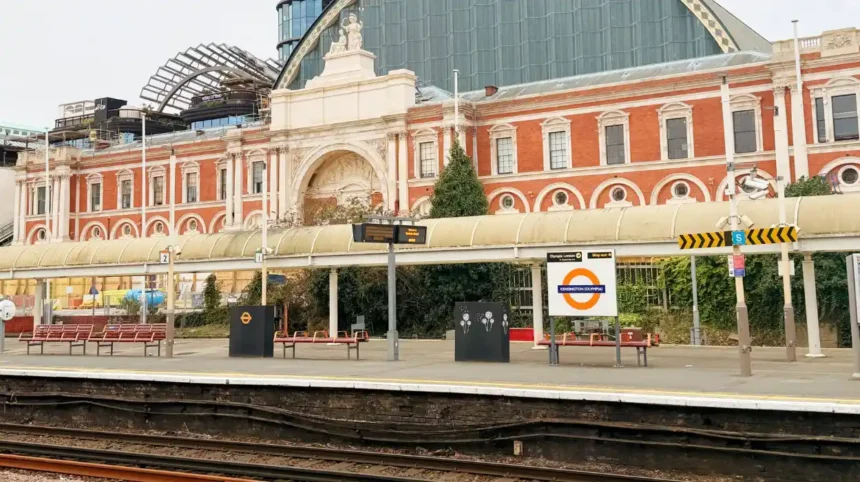
The railway reopened to passengers on 2 June 1862 following the development of the West London Extension Railway. A replacement Kensington station provided improved connections with other railway lines. The station eventually became known as Kensington Addison Road and is now called Kensington (Olympia).
The early failure did not mean the route lacked long-term value. London’s population and industrial activity grew substantially during the nineteenth century. Railway companies increasingly needed connections between separate main lines, rather than routes that simply carried passengers towards the traditional city centre.
The West London Railway later served this wider purpose. It became a link between railway networks and supported passenger, freight and interchange movements across the capital.
How Did the Great Western Railway Transform West London?
The Great Western Railway transformed West London by establishing a major railway corridor between London Paddington and western England. Its development from the late 1830s strengthened regional connections, encouraged suburban expansion and created demand for stations, railway workers and industrial facilities.
The Great Western Railway, commonly abbreviated to GWR, was one of Britain’s major nineteenth-century railway companies. Engineer Isambard Kingdom Brunel was central to its original engineering vision. The railway connected London with Bristol and subsequently expanded across the West Country, Wales and other destinations.
A temporary Paddington station opened in 1838. The larger station associated with Brunel’s original design opened in 1854 after a substantial construction programme. Paddington became a major gateway for long-distance travel and freight moving between the capital and western Britain.
The Great Western Main Line crossed areas that were still relatively open during the early railway era. As the line developed, stations and railway infrastructure created new opportunities for housing and employment.
Why was Paddington important to railway development?
Paddington provided the London terminus for Great Western Railway services. A terminus is a station at the end of a railway route. The station concentrated passenger arrivals, departures, parcels and goods traffic within a major transport hub.
Its location supported the development of railway-related businesses, hotels, warehouses and commercial premises. Passengers travelling from Bristol, Oxford, South Wales and other destinations could enter London through Paddington and continue their journeys using local transport.
The station’s importance also created operational pressures. Increasing train numbers required additional platforms, improved signalling, better track arrangements and facilities for maintaining locomotives and carriages.
How did the railway change communities along the route?
The Great Western corridor improved access to employment in central London while enabling residents to live farther from their workplaces. Ealing, Acton and Southall gradually developed into more closely connected suburban settlements.
Railway employment also supported local economies. Workers were needed to operate trains, maintain track, manage stations, handle freight and repair rolling stock. Railway land became a significant feature of West London’s built environment.
The railway therefore changed more than journey times. It altered patterns of housing, employment, commerce and population movement throughout the region.
How Did the Metropolitan and District Railways Expand West London?
The Metropolitan and District railways extended urban passenger transport into West London through underground and surface railway services. Their routes connected central London with Hammersmith, Paddington, Ealing and other districts, helping establish the foundations of the modern Underground network.
The Metropolitan Railway opened in 1863 and became the world’s first underground passenger railway. The District Railway began operating in 1868. Both systems expanded through a mixture of underground tunnels, surface tracks and connections with existing railway companies.
West London benefited from the development of these routes because residents needed reliable access to central London as population density increased. Unlike some long-distance railway services, urban railways were designed to carry large numbers of passengers between neighbourhoods and employment centres.
Hammersmith became an important railway location because it connected local communities with central London and neighbouring districts. Paddington also developed as an interchange between main-line and urban railway services.
The railway network did not develop as a single unified system. Different companies owned tracks, stations and operating rights. Through services depended on agreements and physical connections between separate networks.
The Metropolitan and District railways gradually expanded the range of destinations available to West London passengers. Their growth helped normalise commuting as a regular part of urban life.
What was the Middle Circle railway service?
The Middle Circle was a nineteenth-century through-service arrangement that used connected railway lines to operate a circular route through parts of London. From 1872, its route included Kensington Addison Road and Paddington, linking sections of the wider urban railway network.
The service illustrates how railway companies used connecting tracks to create journeys across several networks. Passengers could travel between districts without treating every railway line as a separate destination.
The Middle Circle was not the same as today’s Circle line. London’s circular railway services changed over time as companies revised routes, passenger demand shifted and the Underground network developed.
These historic connections helped establish the interchange-based transport system that remains central to London travel.
Why Did West London Become a Major Railway Junction?
West London became a major railway junction because several railway companies needed to connect routes serving different parts of Britain. brent/willesden/">Willesden Junction, Acton and Kensington provided important links for passenger services, freight movements, locomotive operations and transfers between railway networks.
A railway junction is a location where two or more railway routes meet or diverge. Junctions allow trains to change direction, join different routes or transfer between connected railway corridors.
West London’s position made it particularly valuable. The Great Western Railway approached Paddington from the west, while other railway companies developed routes towards northern England, the Midlands, southern England and central London.
What made Willesden Junction important?
Willesden Junction developed into one of the region’s most significant railway interchanges. It connected routes associated with the London and North Western Railway, the North London Railway and other railway systems.
The Hampstead Junction Railway opened in 1860, connecting railway corridors around Willesden with Camden Road. Its construction provided another route through north-west London and supported the development of the wider junction network.
Willesden Junction became important for both passengers and railway operations. Its network of lines enabled trains to move between routes serving different destinations, while its surrounding railway land accommodated infrastructure associated with the expanding system.
Today, the station remains a key interchange on the London Overground network. Its continued importance reflects the long-term value of railway connections that cross rather than simply terminate in central London.
Why did Acton develop into a railway centre?
Acton benefited from its position near the Great Western Main Line and connecting railway routes. Its land supported sidings, railway workshops, freight operations and locomotive facilities.
Railway sidings are tracks used for storing, loading, unloading or arranging trains outside the main running lines. They became essential as railway traffic increased and operators needed space to manage goods and rolling stock.
The railway infrastructure also influenced Acton’s industrial development. Businesses benefited from access to rail freight, while railway depots created employment for engineers, mechanics, drivers and other skilled workers.
The development of railway junctions in Acton and Willesden helped turn West London into a transport and industrial corridor rather than simply a collection of suburban settlements.
How Did Railways Change West London’s Housing and Suburbs?
Railways encouraged suburban growth by reducing journey times between West London and central employment districts. Stations in Ealing, Acton, Southall and neighbouring communities made residential development more practical for commuters, contributing to the expansion of London’s built-up area.
Before extensive suburban railway services, daily travel over longer distances was slower and more expensive. Railways changed this relationship by making regular journeys from outer neighbourhoods increasingly practical.
Developers recognised the value of land near stations. Housing estates, shops and local services grew around transport connections, while railway companies gained additional passenger traffic from expanding residential populations.
How did Ealing benefit from railway access?
Ealing developed from a settlement with a substantial rural character into a major West London suburb. Railway connections made the area more accessible to people working in central London.
The availability of transport supported residential growth and encouraged the development of local shopping streets, schools and public services. Over time, railway access became an important factor in the area’s appeal to families and commuters.
How did Acton and Southall develop?
Acton experienced a combination of suburban housing growth and industrial expansion. Its railway connections supported factories, railway employment and residential districts.
Southall developed along the Great Western Main Line and became associated with industrial activity, freight transport and expanding residential communities. Railway access helped businesses move materials and finished goods while connecting local workers with employment elsewhere.
Why did railway stations shape local high streets?
Stations concentrated passenger movement in particular locations. Businesses positioned near station entrances benefited from passing customers, including commuters, visitors and railway employees.
Shops, cafés, pubs, newsagents and other services developed around many railway centres. These businesses served both residents and people travelling through the area.
Railway-led suburbanisation was not uniform. Growth depended on station locations, land availability, fares, employment opportunities, road access and planning decisions. Nevertheless, railways became a defining influence on West London’s settlement pattern.
What Role Did Railway Freight and Industrial Depots Play in West London?
Railway freight supported West London’s industrial economy by moving coal, construction materials, food, manufactured goods and other commodities. Goods yards, sidings, locomotive depots and railway workshops provided the infrastructure required to manage these movements efficiently.
Passenger services are the most visible part of railway history, but freight was equally important to nineteenth- and twentieth-century railway operations.
Coal supplied homes, factories and railway locomotives. Building materials supported the expansion of London’s streets and housing. Food deliveries connected agricultural producers and regional suppliers with the capital’s markets.
Railways could move heavy goods in larger quantities than horse-drawn road transport. Their contribution was especially important in areas where industrial sites needed dependable access to national distribution networks.
How did Old Oak Common become a railway landmark?
Old Oak Common developed into a major railway site as the Great Western Railway expanded its operating requirements. The railway crossed the area during the 1830s, while additional lines and junctions followed during the middle of the nineteenth century.
The Great Western Railway required more space to maintain locomotives and carriages as its operations expanded. Old Oak Common provided land for railway facilities beyond the more constrained Paddington area.
Construction of the major locomotive depot began in the early twentieth century. The depot entered operation in 1906 and became a significant facility for maintaining and servicing Great Western Railway locomotives.
Old Oak Common illustrates the scale of infrastructure required to support a main-line railway. The operation depended on workshops, engine sheds, sidings, staff facilities and access to the main running lines.
What happened to traditional railway depots?
Railway depots changed as technology developed. Steam locomotives required facilities for coal, water, ash removal and mechanical servicing. Diesel locomotives introduced different maintenance requirements, while electric trains required infrastructure for electrical systems and traction equipment.
The transition from steam to diesel and electric traction altered the use of railway land. Some historic buildings were demolished or adapted, while other sites continued operating in new forms.
Freight operations also changed as road haulage, containerisation and modern distribution systems developed. Several traditional goods yards lost their former roles, although railway freight continued to serve selected markets.
The legacy remains visible in railway arches, industrial buildings, sidings, bridges and former depot sites across West London.
How Did the Second World War Affect West London’s Railways?
The Second World War disrupted West London’s railway network through bombing, operational pressures and changing passenger demand. The West London Railway experienced major service withdrawals in 1940, while railway infrastructure remained essential for transporting people, military supplies and commercial goods.
Railways were strategically important during the Second World War because they supported national movement of passengers, essential commodities and military resources. London railway infrastructure operated under the pressures of wartime restrictions, staff shortages and the risk of enemy attacks.
The West London Railway suffered particularly damaging consequences. Passenger services between Willesden, Kensington and connected routes were withdrawn during October 1940 after wartime disruption and bombing affected operations. Some stations closed, and the route’s passenger role was substantially reduced.
The route continued to retain freight value. Railway operators could use existing tracks for goods movements even when ordinary passenger services were no longer viable.
Wartime changes accelerated a longer-term shift in the West London Railway’s role. Passenger demand faced competition from Underground services, buses and road transport, while freight connections remained useful to the railway industry.
The experience shows how railway networks adapted to changing circumstances. A route that once carried regular passengers could later serve a more specialised operational purpose before returning to wider passenger use.
How Did Nationalisation and Railway Modernisation Change West London?
British railway nationalisation in 1948 brought the main-line railway network under public ownership. Subsequent modernisation changed traction, timetables, station facilities and freight operations, while the West London Railway retained value as a connection between otherwise separate railway routes.
After the Second World War, Britain’s railway system faced financial pressure, ageing infrastructure and competition from road transport. The Transport Act 1947 established the framework for nationalisation, and British Railways began operating the nationalised network in 1948.
Nationalisation did not mean every line received the same level of investment. Railway authorities assessed routes according to passenger demand, freight requirements, operating costs and their wider role in the network.
West London’s railway connections remained useful because they linked major main lines and provided routes for freight and selected passenger services.
Why did railway electrification matter?
Electrification supplies electricity to trains through systems such as overhead wires or conductor rails. Electric traction supports frequent services and removes the need for diesel fuel or locomotive coal at the point of operation.
Parts of West London’s railway network received electrification before and after the Second World War. The London and North Western Railway electrified the northern section of the West London Railway between Willesden Junction and Kensington towards Earl’s Court in 1915.
Electrification supported suburban passenger operations and helped railway services compete with other urban transport options. Later electrification and signalling improvements further changed how trains operated across the wider network.
How did the West London Railway regain a passenger role?
The West London route continued to carry freight and selected passenger movements after the major service withdrawals of 1940. A limited service also operated for workers travelling to offices near Kensington Olympia during part of the post-war period.
Over time, the value of cross-London connections increased. London’s expanding employment districts, interchange stations and demand for orbital travel strengthened the case for passenger services that did not require every journey to pass through central London.
This long-term change prepared the ground for the West London line’s modern role within the London Overground network.
How Did the West London Line Become Part of London Overground?
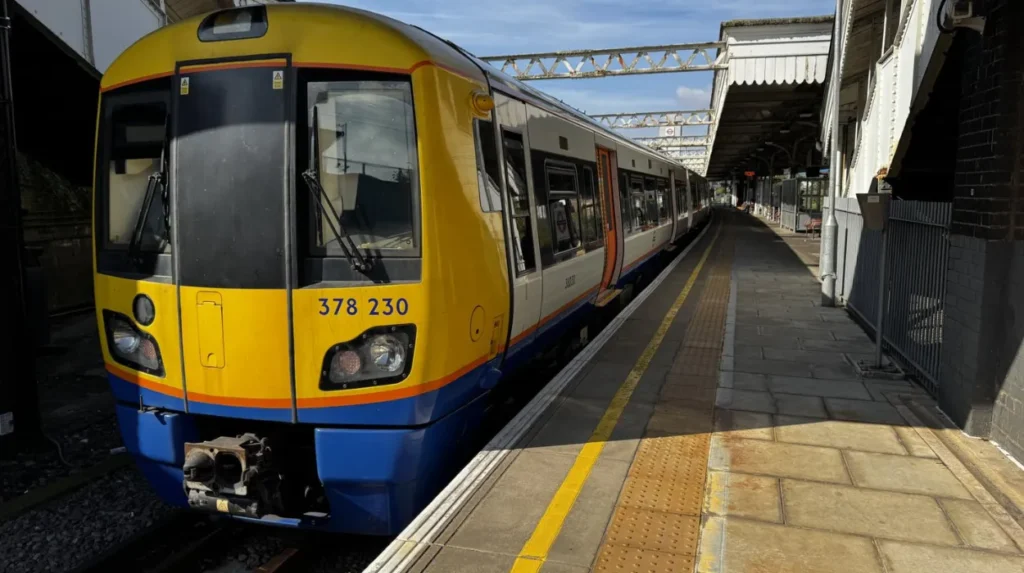
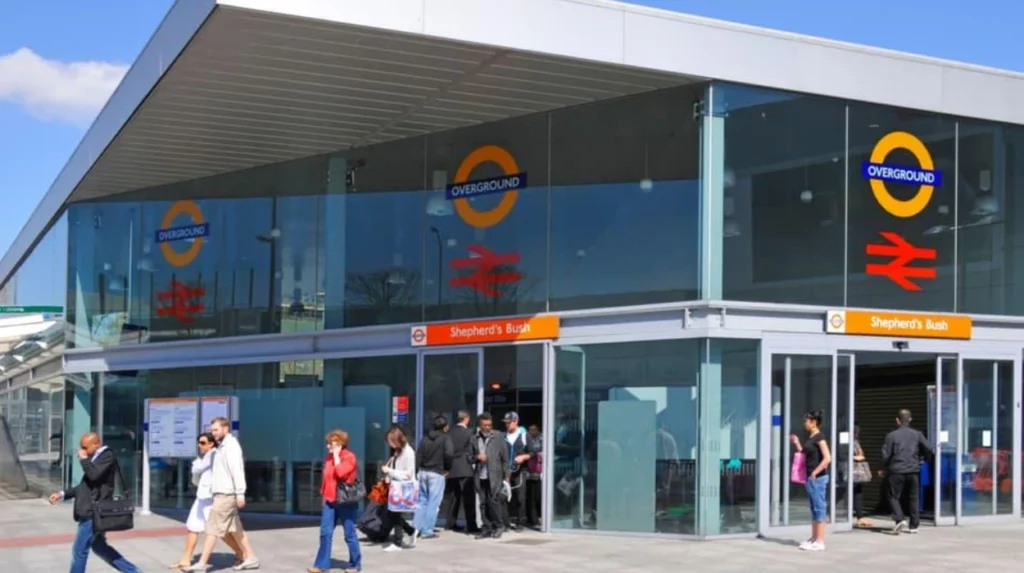
The West London line developed into an important orbital passenger route connecting Clapham Junction, Kensington (Olympia), Shepherd’s Bush and Willesden Junction. Its integration into London Overground strengthened links between West London neighbourhoods and railway services across the capital.
The West London line is a railway corridor running through the western side of inner London. Its modern importance comes from its connections with other main-line and urban railway routes.
The route’s history includes nineteenth-century construction, wartime service withdrawals, freight operations and later passenger redevelopment. Its present-day role reflects the growing need for journeys between London’s outer districts.
London Overground began operating in 2007, bringing several previously separate suburban rail services under a more unified transport identity. The West London line became part of the network as wider improvements expanded its role in London’s public transport system.
Which stations explain the West London line’s history?
The station originated as Kensington in 1844. It later developed into a railway interchange serving West London and the Olympia exhibition complex. Its name changed to Kensington Addison Road and subsequently to Kensington (Olympia).
Willesden Junction connects several railway corridors and remains important for interchange travel. Its development reflects the historic concentration of railway infrastructure in north-west London.
Shepherd’s Bush benefits from connections between local rail services and other urban transport. Its railway links support access to employment, retail destinations and neighbouring West London districts.
Located south of the Thames, Clapham Junction provides a major connection for trains travelling across southern England. Its connection with the West London line extends the route’s reach beyond West London.
These stations demonstrate why orbital routes matter. An orbital railway connects districts around a city rather than directing every journey towards its centre. It supports trips between employment centres, shopping areas, residential neighbourhoods and interchange points.
The West London line also demonstrates how historic infrastructure can serve modern transport needs. Its original alignment remains useful because it connects railway corridors that would otherwise require less direct journeys.
How Has the Elizabeth Line Changed West London’s Railway Network?
The Elizabeth line introduced a high-capacity east–west railway service across London, improving connections between West London, central London, Heathrow Airport and eastern districts. Its modern infrastructure builds on the area’s long history of railway-led urban growth.
The Elizabeth line opened to passengers in stages during 2022. It uses new central tunnels and existing railway corridors to connect destinations across Greater London and beyond.
West London benefits from stations including Paddington, Ealing Broadway, Southall and Heathrow Airport stations. The service improves connections between suburban communities, employment centres and London’s wider transport network.
The Elizabeth line is not the same railway as the historic West London line. It serves a different corridor, but its development forms part of the wider story of railway investment and transport integration across West London.
Why is Paddington still important?
Paddington has served as a major railway gateway since the nineteenth century. The Elizabeth line adds another layer to its role by connecting the main-line station with services running through central London.
This integration allows passengers to change between different railway services at a major interchange. It also strengthens access to central London employment districts, Heathrow Airport and destinations beyond the capital.
How does modern rail transport influence local development?
Railway investment affects how people travel to work, education, healthcare, shopping and leisure destinations. Improved connections can increase the accessibility of neighbourhoods and support changes in housing demand and commercial activity.
The effects depend on service frequency, fares, station access, interchange quality and the availability of housing and local facilities. Railways are one part of a wider transport and planning system that includes buses, roads, cycling routes and walking networks.
The Elizabeth line represents a modern phase in West London’s railway development, with an emphasis on capacity, accessibility and connections across the capital.
What Is the Future of West London’s Railway History?
West London’s railway future combines historic main-line infrastructure with major investment in high-speed rail, interchange facilities and network upgrades. Old Oak Common is central to this development, linking plans for HS2 with the Great Western Main Line, Elizabeth line and Heathrow Express.
Old Oak Common is a major railway development site in the London Borough of Hammersmith and Fulham. It has a long railway history, including Great Western Railway infrastructure and the historic locomotive depot.
The planned station is designed to connect high-speed services with conventional railways and the Elizabeth line. Network Rail and HS2 Ltd are coordinating infrastructure changes to accommodate the new interchange.
According to HS2 Ltd, the station is designed with 14 platforms: six for high-speed services and eight for conventional rail services. Project information published in October 2026 identifies the station as a key connection between London, the Midlands, northern England and Scotland.
How will Old Oak Common connect different railway services?
The planned interchange will connect HS2 with Great Western Main Line services and Elizabeth line trains. It is also designed to provide connections with Heathrow Express.
The project aims to improve interchange between high-speed services and existing railway routes. Its location in West London builds on the area’s historic role as a meeting point for railways serving different parts of Britain.
Construction requires changes to existing railway infrastructure, including track arrangements, signalling, bridges and overhead electrical equipment. These works affect how trains operate around the site during the construction period.
The House of Commons Library has highlighted the potential for construction work to disrupt services into Paddington and the importance of passenger planning during engineering works.
Why does railway heritage matter during redevelopment?
Railway redevelopment changes industrial landscapes that have shaped local communities for generations. Historic depots, station buildings, railway arches and bridges provide evidence of earlier engineering methods and transport practices.
Recording and assessing railway heritage helps identify structures with historical or architectural significance before redevelopment. The Old Oak Common heritage recording project, prepared as part of Crossrail-related works, documents historic railway infrastructure and the site’s development.
Future projects therefore involve two related priorities: improving transport capacity and understanding the historical importance of existing infrastructure. The balance between them will influence how West London’s railway landscape develops.
Explore More Area Guide
West London Canal Heritage: History, Locks and Industrial Landmarks
West London Industrial Heritage: Park Royal, Hayes and Brentford
Where Can You Explore West London’s Railway Heritage Today?
West London railway heritage is visible at historic termini, surviving station buildings, railway junctions, bridges and former industrial sites. Paddington, Kensington (Olympia), Willesden Junction and Old Oak Common provide useful starting points for understanding the region’s railway development.
Railway history is not confined to museums. It remains visible in the layout of streets, the position of bridges, the shape of station buildings and the relationship between railway corridors and surrounding neighbourhoods.
Which railway locations are worth understanding?
Paddington is the strongest starting point for exploring the Great Western Railway. Its historic station architecture and continuing role as a major terminus connect the nineteenth-century railway era with modern transport.
Kensington (Olympia) illustrates the changing role of the West London Railway. The station’s development from its original 1844 opening to its modern form demonstrates how railway facilities changed as demand and connections evolved.
Willesden Junction provides an example of railway interchange development. Its network of tracks and platforms reflects the importance of connecting different railway corridors.
Old Oak Common is especially relevant to people interested in industrial railway history. Its historic depot and present-day redevelopment show how a railway site can change from locomotive maintenance facilities into a major transport interchange.
How can visitors research railway history accurately?
Visitors can consult railway operator histories, local archives, historic maps and heritage records to establish the dates and functions of particular structures. Comparing historical maps with modern street layouts helps identify changes in railway alignments and surrounding land use.
The National Archives and local borough heritage services provide useful starting points for research into railway companies, historic plans and industrial development. Network Rail and HS2 Ltd also publish project information about modern railway infrastructure.
Historical research should distinguish between a station’s original opening, the opening of a replacement building, a change of name and the introduction of a new service. These events often occurred in different years and describe different stages in a station’s history.
Why Does West London’s Railway History Still Matter?
West London’s railway history explains the development of its suburbs, industries, transport interchanges and modern commuter network. From the West London Railway’s difficult beginnings in 1844 to today’s major infrastructure projects, railways continue to shape how the region connects with London and Britain.
Railways transformed West London through a combination of engineering, economic development and changing travel habits. The Great Western Railway connected Paddington with western Britain, while the West London Railway established a route between railway corridors. The Metropolitan and District railways extended urban passenger travel, and junctions at Willesden and Acton supported connections between networks.
The twentieth century brought nationalisation, electrification, changing freight patterns and the withdrawal of some passenger services. Later, the West London line regained importance as demand for orbital travel increased. The Elizabeth line and planned Old Oak Common interchange represent further stages in the region’s railway development.
This history remains relevant to residents, visitors, researchers and urban planners. Railway infrastructure influences where people live, how they commute, where businesses locate and how neighbourhoods develop. It also leaves a physical record of industrial and architectural change.
West London’s railway network is therefore both a transport system and a record of the area’s growth. Understanding its history provides context for the region’s built environment and its continuing role in Britain’s transport future.
What is the history of railways in West London?
West London’s railway history began in the nineteenth century, when railway companies built routes connecting the capital with western England and other parts of Britain. The railways transformed local villages into suburbs and created major transport hubs, industrial sites and commuter connections.