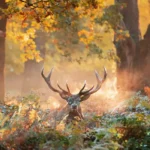


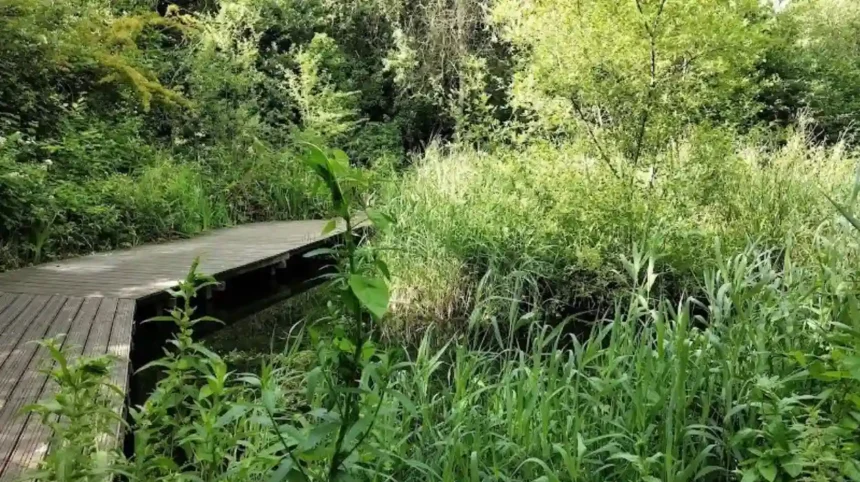
West London offers a range of wildlife habitats, including wetlands, woodland, riverside corridors, nature reserves and urban parks. These places support birds, butterflies, mammals, amphibians and other native species. From the wetland habitats of the London Wetland Centre to the woodland paths of Gunnersbury Park, visitors can explore wildlife without travelling far from residential neighbourhoods.
- Which places in West London are best for seeing wildlife?
- What wildlife can visitors see at the London Wetland Centre?
- Why is Richmond Park one of the best wildlife destinations in West London?
- Where can visitors see deer?
- Which birds, insects and other animals live here?
- How should visitors explore Richmond Park responsibly?
- Where can visitors discover woodland wildlife in Chiswick?
- Which riverside parks in West London support urban wildlife?
- Where can visitors see ancient woodland wildlife in Hillingdon?
- What other parks in West London are suitable for wildlife watching?
- What wildlife can visitors see at Gunnersbury Park?
- Can visitors find wildlife along the Grand Union Canal?
- How can visitors find additional nature reserves?
- When is the best time of year to see wildlife in West London?
- Which wildlife is easiest to observe in spring?
- Why is summer useful for butterfly and insect watching?
- What wildlife can visitors see in autumn and winter?
- How can visitors watch wildlife responsibly in West London?
- How close should visitors get to wild animals?
- How can visitors protect wildlife habitats?
- Why should visitors follow conservation guidance?
- How do wildlife sites benefit West London’s environment and communities?
- How do wetlands and green spaces support urban biodiversity?
- How does wildlife conservation contribute to the future of West London?
- What should visitors know before planning a wildlife trip in West London?
For an evergreen local guide, the key is to understand what each location protects, which animals visitors are likely to encounter, how the habitats support biodiversity, and how to visit responsibly. West London’s wildlife sites also help conserve green space, connect fragmented habitats and provide opportunities for environmental education.
Which places in West London are best for seeing wildlife?
The best places to see wildlife in West London include London Wetland Centre in Barnes, uk/local/richmond-upon-thames/richmond/">Richmond Park, Gunnersbury Triangle, Brent River Park and Ruislip Woods National Nature Reserve. Each location provides different habitats for observing birds, butterflies, deer, amphibians and woodland wildlife.
These destinations suit different types of nature visits. Wetlands attract waterbirds and amphibians, while woodland paths support insects, fungi and birds that depend on mature trees. Large parks provide grassland, ponds and established habitats for mammals.
The following locations offer distinct wildlife experiences across the boroughs and surrounding districts of West London.
1. London Wetland Centre
A managed wetland reserve with lakes, bird hides and habitats for waterbirds, amphibians, bats and water voles.
2. Richmond Park
A 2,500-acre Royal Park known for red and fallow deer, ancient trees, butterflies, bats and rare deadwood beetles.
3. Gunnersbury Triangle
A three-hectare urban nature reserve with wet woodland, ponds and acid grassland. It is particularly useful for observing insects and seasonal woodland wildlife.
4. Brent River Park
A connected green corridor following the River Brent, with waterside vegetation, open spaces and opportunities to observe urban birds.
5. Ruislip Woods National Nature Reserve
A protected woodland landscape containing several woodland areas, open water and lowland grassland.
Other useful destinations include Gunnersbury Park, with its historic parkland and lakes, and the green spaces along the Grand Union Canal. The best destination depends on the species, habitat and level of accessibility a visitor requires.
What wildlife can visitors see at the London Wetland Centre?
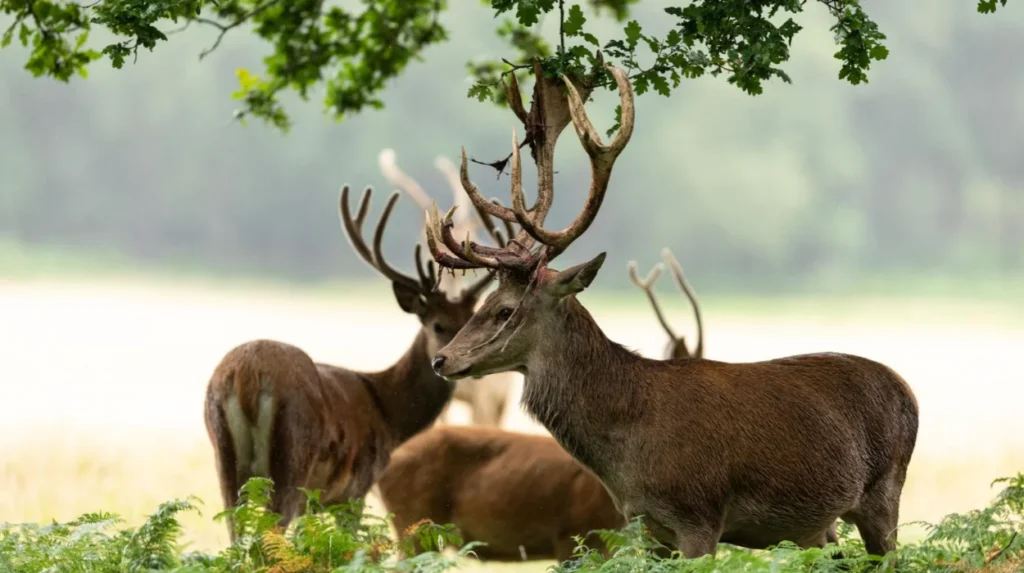
The London Wetland Centre supports waterbirds, wetland plants, amphibians, bats, butterflies and water voles. Visitors explore its lakes, pools, reedbeds and observation hides to look for seasonal birdlife. The 105-acre reserve provides a managed habitat for wildlife in Barnes.
The Wildfowl & Wetlands Trust (WWT) manages the centre on Queen Elizabeth’s Walk in Barnes, SW13. WWT is a UK conservation charity focused on wetlands and the wildlife that depends on them.
The site provides a useful introduction to wetland ecology. Wetlands are areas where water influences the soil, vegetation and animal communities. They include shallow lakes, marshes, reedbeds and seasonally flooded ground.
Which birds live in or visit the reserve?
The reserve attracts resident and migratory birds. The official WWT wildlife guide identifies species such as redshanks, common sandpipers, black-tailed godwits, lapwings, chiffchaffs and water rails among its seasonal highlights.
Birds use different parts of the wetland according to their feeding and nesting requirements. Wading birds search shallow water and muddy margins for invertebrates. Ducks feed in open water, while reedbed birds use dense vegetation for cover.
Bird hides allow visitors to observe wildlife without walking directly through sensitive feeding and resting areas. Binoculars also help identify birds at a distance without disturbing them.
When is the best time to visit?
Spring brings returning migrants, nesting activity and fresh vegetation. Summer supports insects, fledgling birds and active wetland food webs. Autumn brings seasonal movements, while winter provides opportunities to observe waterbirds that remain in the UK or arrive from colder regions.
The best time for a particular species depends on current sightings, weather and water conditions. Visitors should check WWT’s latest sightings and visitor information before travelling.
The centre also offers facilities for learning about conservation. Its accessible paths, observation areas and visitor services make it a practical destination for families, photographers and people beginning to learn bird identification. Dogs and other pets are not permitted, except trained assistance dogs, because animals can disturb wildlife.
Why is Richmond Park one of the best wildlife destinations in West London?
Richmond Park is a 2,500-acre National Nature Reserve containing ancient trees, grassland, wetlands and woodland. Its wildlife includes red and fallow deer, bats, butterflies, birds and rare beetles. The park’s protected habitats make it an important conservation site in Greater London.
Richmond Park is one of London’s most significant places for large-scale wildlife observation. Its combination of open grassland, veteran trees, woodland and ponds supports species with very different ecological requirements.
The Royal Parks identifies Richmond Park as a Site of Special Scientific Interest (SSSI), a Special Area of Conservation (SAC) and a National Nature Reserve. These designations recognise its habitats and wildlife value.
Where can visitors see deer?
Red deer and fallow deer roam freely across the park. The herds have a long history at Richmond Park, where deer have lived since 1637. Visitors frequently observe them in open grassland and around wooded areas.
Deer are wild animals rather than domesticated park attractions. Visitors should keep a substantial distance, avoid approaching calves and never feed or attempt to touch them. Deer become particularly unpredictable during the autumn rut, when males compete for access to females.
Which birds, insects and other animals live here?
The Royal Parks reports 144 bird species, 29 butterfly species and 11 bat species associated with Richmond Park. Examples include skylarks, kestrels, little owls, tawny owls, nuthatches and treecreepers. The park also supports stag beetles and other invertebrates that depend on decaying wood.
Veteran oak trees provide cavities, shelter and deadwood habitats. Grasslands support insects and flowering plants, while ponds provide feeding and resting places for waterbirds. These habitats work together to sustain biodiversity across the park.
How should visitors explore Richmond Park responsibly?
Walking is an effective way to observe wildlife because it allows visitors to move quietly between grassland, woodland and pond habitats. Early mornings often provide good opportunities to hear birds and see deer, although wildlife activity varies by season and weather.
Keep to authorised paths where required, follow deer-safety notices and avoid disturbing anthills or other sensitive habitats. Dogs must remain under appropriate control and comply with local park rules.
Where can visitors discover woodland wildlife in Chiswick?
Gunnersbury Triangle in hounslow/chiswick/">Chiswick is a three-hectare nature reserve managed for wildlife by London Wildlife Trust. Its wet woodland, ponds and acid grassland support insects, butterflies, fungi and other woodland organisms. The reserve provides a compact natural habitat within an urban railway landscape.
Gunnersbury Triangle demonstrates how small green spaces contribute to biodiversity in built-up neighbourhoods. The reserve sits among railway lines near Chiswick Park station. London Wildlife Trust manages the site for both conservation and public access.
The site was saved from development in the early 1980s. Subsequent habitat improvements included ponds and areas of acid grassland, creating a mixture of environments for wildlife.
What animals and plants can visitors look for?
Butterflies and other insects are among the main attractions, particularly during the warmer months. Woodland vegetation, pond margins and damp areas provide different conditions for insects, fungi and other small organisms.
Visitors should also observe how vegetation changes across the reserve. Wet woodland develops where saturated ground supports moisture-tolerant trees and plants. Ponds provide aquatic habitats, while grassland supports plants and insects adapted to more open conditions.
When should visitors explore Gunnersbury Triangle?
London Wildlife Trust identifies April to November as the recommended visiting period. Spring and summer offer opportunities to observe butterflies, flowering plants and active insects. Autumn provides a different experience, with changing foliage and increased visibility of some woodland features.
The paths include natural surfaces, sloping sections and boardwalks. Some areas have uneven ground and steep steps, so the entire reserve is not wheelchair accessible. The reserve is open at all times according to the published information, but visitors should check for temporary closures before travelling.
Which riverside parks in West London support urban wildlife?
Brent River Park is a connected green corridor following the River Brent through parts of Ealing, including Perivale, Greenford and Hanwell. Its riverbanks, open spaces and vegetation provide habitats for urban birds, insects and other wildlife while connecting green areas across West London.
The Brent River Park network contains more than 400 hectares of open space, including formal parks, sports grounds, allotments and Sites of Importance for Nature Conservation. Its river corridor extends for approximately seven kilometres through the park’s central section.
What wildlife can be found along the River Brent?
Riverside habitats provide food, shelter and movement routes for birds and other animals. Birds feed along exposed banks and shallow water, while insects use flowering plants and vegetation beside the river. Areas with shrubs and trees offer cover for smaller animals.
Wildlife sightings vary along the corridor because the landscape includes both natural and managed spaces. Quiet riverbanks with dense vegetation often provide different conditions from mown lawns or heavily used recreational areas.
Visitors should watch for movement near the water, listen for bird calls and examine vegetation without removing plants or disturbing nests. A slow walk along the river offers more opportunities for observation than travelling quickly through the park.
How does the river corridor help biodiversity?
A wildlife corridor is a strip of habitat that connects otherwise separated green spaces. Such connections help some species move between feeding, nesting and sheltering areas. In West London, the River Brent links parks and green spaces through an urban landscape.
The river also forms part of a wider drainage network. The Brent River Park organisation describes the River Brent as a major surface-water drainage artery for northwest and west London. Its connections with the Grand Union Canal and downstream waterways make the river important to the wider landscape.
The ecological condition of the corridor depends on water quality, vegetation management, habitat continuity and responsible public use. Litter, polluted runoff and disturbance can reduce the quality of river habitats, making ongoing maintenance and conservation work important.
Where can visitors see ancient woodland wildlife in Hillingdon?
Ruislip Woods National Nature Reserve in Hillingdon protects woodland, open water and lowland grassland in northwest London. Its principal woodland areas include Mad Bess Wood, Bayhurst Wood, Park Wood and Copse Wood. The reserve offers opportunities to observe woodland birds, insects and native plants.
Ruislip Woods provides a different wildlife experience from the open grassland of Richmond Park and the managed wetlands of Barnes. Trees dominate much of the landscape, creating shaded conditions and habitats for organisms that depend on woodland structure.
Natural England’s information on London’s National Nature Reserves identifies Ruislip Woods as a protected landscape containing four principal woodland areas. Its mixture of woodland, grassland and open water creates different ecological conditions within one reserve.
Which woodland species should visitors look for?
Woodland birds use tree branches, bark, foliage and leaf litter to find food and shelter. Woodpeckers search trees for insects, while smaller birds feed among leaves and branches. Insects, fungi and decomposing plant material contribute to the woodland food web.
The precise species visible during a visit depend on the season and location. Visitors should avoid assuming that every woodland walk produces sightings of particular animals. Birdsong, feeding marks on trees, fungi and seasonal wildflowers also provide evidence of wildlife activity.
Why is ancient woodland important?
Ancient woodland refers to land that has been continuously wooded since at least 1600 in England. This definition distinguishes long-established woodland from recently planted trees. Ancient woodland can contain complex soils, specialised plants and fungi, and habitat features that take centuries to develop.
The ecological value of established woodland extends beyond the visible trees. Deadwood supports invertebrates and fungi, while leaf litter provides shelter and nutrients. Tree cavities create nesting and roosting opportunities for birds and bats.
Visitors support conservation by remaining on designated routes, avoiding the removal of plants and fungi, and keeping noise under control. These practices reduce damage to fragile ground vegetation and help maintain the reserve’s natural character.
What other parks in West London are suitable for wildlife watching?
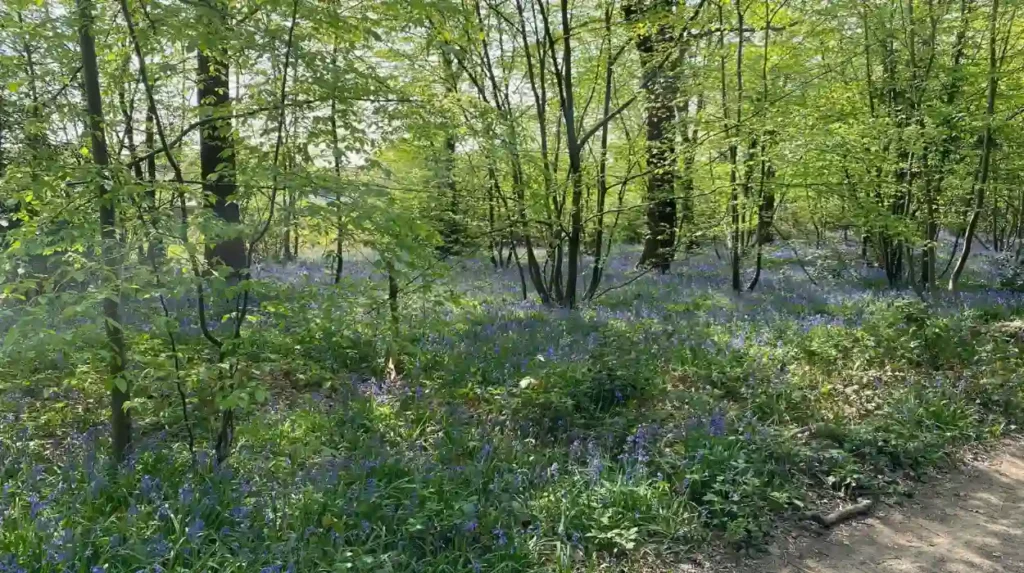
Gunnersbury Park, the Grand Union Canal corridor and other local green spaces provide additional opportunities to observe birds, insects, water-associated wildlife and urban plants. Their value depends on the habitats present, vegetation management and access conditions. Check individual site information before planning a wildlife visit.
What wildlife can visitors see at Gunnersbury Park?
Gunnersbury Park covers 72 hectares of historic parkland. The estate includes lakes, open lawns, formal gardens and mature trees. It became a public park in 1926 and is now a Grade II* listed historic landscape.
The lakes and mature trees provide habitats and feeding opportunities for birds. Flowering plants attract pollinating insects, while shrubs and wooded sections offer shelter. Visitors can combine wildlife observation with a walk through the historic parkland.
Gunnersbury Park is a managed public park rather than a dedicated wildlife reserve. Consequently, wildlife activity varies with visitor numbers, landscaping and the availability of food and shelter.
Can visitors find wildlife along the Grand Union Canal?
The Grand Union Canal runs through parts of West London, including Hanwell and Brentford. Canal margins support aquatic and waterside plants, and their vegetation can attract insects and provide shelter for birds.
Visitors walking beside the canal can look for waterbirds, observe insects around flowering plants and examine the relationship between waterways and surrounding green space. Wildlife conditions differ between sections according to bank vegetation, water quality, nearby development and the intensity of recreational use.
Canals also form part of London’s connected blue and green infrastructure. Blue infrastructure means waterways and water-related features, while green infrastructure includes parks, trees, gardens and other vegetated spaces. Together, these features contribute to urban biodiversity and opportunities for people to experience nature.
How can visitors find additional nature reserves?
London Wildlife Trust maintains a searchable directory of nature reserves across the capital. Visitors can use it to identify sites according to location, facilities, access arrangements and wildlife interests. Its listings include reserves in West London and Hillingdon, such as Gunnersbury Triangle, Denham Lock Wood and Dews Farm Sandpits.
Denham Lock Wood is recognised for its wet woodland habitat in the Colne Valley, while Dews Farm Sandpits contains acid grassland and young woodland. These examples show that wildlife destinations around West London include habitats beyond traditional public parks.
Before travelling, check whether a reserve has restricted access, limited opening hours, uneven paths or rules about dogs. Some sites exist primarily for conservation and do not provide the same visitor facilities as larger parks.
When is the best time of year to see wildlife in West London?
Spring and summer generally provide strong opportunities to observe active birds, butterflies, insects and flowering plants in West London. Autumn brings seasonal bird movements and changing woodland conditions, while winter supports waterbird watching. Actual sightings depend on weather, habitat conditions and the species present.
Wildlife watching changes throughout the year because animals respond to temperature, daylight, food availability and breeding cycles. Choosing a season that matches the target species improves the usefulness of a visit.
Which wildlife is easiest to observe in spring?
Spring brings returning migratory birds, breeding activity and new plant growth. Wetlands and woodland edges provide opportunities to hear birdsong and look for nesting behaviour from an appropriate distance.
At the London Wetland Centre, the WWT seasonal guide highlights birds such as sand martins, wagtails, redshanks and chiffchaffs during spring. Flowering plants also become more prominent as temperatures rise.
Visitors should never approach nests or attempt to photograph eggs and chicks at close range. Disturbance during breeding season can cause birds to abandon feeding or nesting areas.
Why is summer useful for butterfly and insect watching?
Warm conditions support the activity of many butterflies and other insects. Sunny grassland, woodland clearings and flower-rich areas provide feeding opportunities, while ponds and wetland margins support additional insect groups.
Richmond Park’s range of grassland, woodland and gardens provides habitats for butterfly species, including small coppers, commas and Essex skippers. Gunnersbury Triangle is another suitable destination for insect observation during its recommended April-to-November visiting period.
Visitors should avoid trampling grassland or picking wildflowers. Watching from established paths protects flowering plants and the insects that depend on them.
What wildlife can visitors see in autumn and winter?
Autumn is a useful time to observe changing bird activity, deer behaviour and woodland fungi. Richmond Park’s deer rut is a notable seasonal event, but visitors must remain at a safe distance and follow official advice.
Winter provides opportunities to observe waterbirds at suitable wetland sites. Reduced foliage also makes some woodland birds easier to see. Cold weather and shorter daylight hours change animal activity, so sightings remain variable.
The London Wetland Centre provides seasonal wildlife information to help visitors identify species throughout the year. Checking the latest reserve reports is more reliable than assuming that a particular animal will be present on a specific date.
How can visitors watch wildlife responsibly in West London?
Responsible wildlife watching means observing animals without disturbing their behaviour or damaging their habitats. Visitors should keep their distance, remain on appropriate paths, avoid feeding wildlife, remove litter and follow site-specific rules. These actions protect animals and help preserve West London’s wetlands, woodlands and grasslands.
Wildlife tourism and everyday nature visits depend on healthy habitats. Even small disturbances affect animals that use parks for feeding, resting and breeding. Responsible behaviour reduces pressure on sensitive areas.
How close should visitors get to wild animals?
Visitors should maintain a safe distance from deer, birds and other wildlife. Binoculars and camera zoom provide better views without requiring close approaches. Animals should always retain an unobstructed route to move away.
Never feed deer or other wild animals. Human food can harm wildlife, change natural feeding behaviour and encourage animals to approach visitors. Do not attempt to touch, capture or handle animals encountered along paths.
How can visitors protect wildlife habitats?
Simple actions help maintain the ecological quality of public green spaces.
- Stay on designated paths where required, especially near nesting areas and sensitive grassland.
- Take rubbish home or place it in appropriate bins.
- Keep dogs under control and follow site-specific restrictions.
- Avoid removing plants, fungi, feathers or other natural materials.
- Observe animals quietly and leave nests, burrows and deadwood undisturbed.
These practices help reduce damage to vegetation and minimise unnecessary stress on wildlife.
Why should visitors follow conservation guidance?
Protected sites have different ecological priorities. A wetland reserve needs protection for waterbirds and aquatic habitats, while ancient woodland requires care for established trees, soil and ground vegetation.
National Nature Reserves, Sites of Special Scientific Interest and Special Areas of Conservation are designations associated with the protection of important natural features. Richmond Park holds several of these designations because of its habitats and wildlife.
Visitors should read signs at entrances and follow the guidance of the organisation responsible for each site. Access rules can differ between locations, and temporary restrictions help managers protect wildlife or carry out conservation work.
Explore More Area Guide
Allotments in West London: Sites, Costs and How to Apply
Community Gardens in West London: Growing Spaces and Projects
How do wildlife sites benefit West London’s environment and communities?
Wildlife sites protect habitats, support biodiversity, improve access to nature and help connect green spaces across West London. Wetlands, woodland, grassland and riverside parks provide different ecological functions, including shelter for wildlife, water management and opportunities for environmental education. Their long-term value depends on effective conservation.
Urban wildlife sites are important because development separates natural habitats into smaller areas. Parks, waterways and nature reserves provide spaces where wildlife can find food, shelter and breeding habitat within a built-up environment.
How do wetlands and green spaces support urban biodiversity?
Biodiversity describes the variety of living organisms in an area, including animals, plants, fungi and microorganisms. A biodiverse landscape contains different species and habitats that contribute to ecological processes.
Wetlands support aquatic plants and water-associated animals. Woodland provides shade, deadwood and nesting sites. Grassland supports flowering plants and pollinating insects, while riverside vegetation provides cover and movement routes for wildlife.
The London Wetland Centre demonstrates how a managed wetland can provide habitats and environmental education within a city. Richmond Park demonstrates the conservation value of large grassland and woodland landscapes. Gunnersbury Triangle shows how a small reserve can protect wet woodland and ponds within a densely developed neighbourhood.
How does wildlife conservation contribute to the future of West London?
The long-term value of these locations depends on protecting existing habitats, improving connections between green spaces and managing public access responsibly. Local authorities, conservation charities, land managers and community volunteers all contribute to this work.
Residents can support local conservation through organised volunteering, wildlife recording and responsible gardening. Planting suitable native flowers, avoiding unnecessary pesticide use and maintaining wildlife-friendly gardens also provide additional habitat in residential areas.
Climate change, urban development and habitat fragmentation create continuing challenges for wildlife. Protecting existing reserves and maintaining connected green corridors helps preserve opportunities for wildlife to move through the landscape.
West London’s wildlife sites therefore serve both conservation and public needs. They protect natural habitats while providing accessible places to learn about birds, insects, plants and the ecological relationships that sustain urban environments.
What should visitors know before planning a wildlife trip in West London?
Visitors should choose a destination according to their wildlife interests, available transport, walking requirements and access rules. Check current opening times, admission charges, accessibility information and recent wildlife sightings before travelling. Respecting local guidance helps visitors enjoy nature while protecting sensitive habitats.
A successful wildlife visit starts with realistic expectations. Richmond Park is suitable for exploring extensive grassland and looking for deer, while the London Wetland Centre provides managed observation facilities. Gunnersbury Triangle offers a smaller woodland setting, and Ruislip Woods provides a different experience centred on woodland habitats.
Visitors should also consider practical arrangements. Some reserves have entrance charges, restricted access or limited facilities. Others operate as public green spaces with open paths. The London Wetland Centre charges admission, while visitors should check current information for individual parks and reserves before setting out.
For public transport, check the nearest station and bus routes through the destination’s official website. Wear suitable footwear for muddy paths, carry binoculars if available and allow enough time to move quietly through observation areas.
West London offers year-round opportunities to discover wildlife across wetlands, rivers, woodland and historic parks. By choosing suitable habitats and following conservation guidance, visitors can explore the region’s natural environment while helping preserve it for future generations.
What are the best places to see wildlife in West London?
The best places include London Wetland Centre in Barnes, Richmond Park, Gunnersbury Triangle, Brent River Park and Ruislip Woods National Nature Reserve. These destinations offer wetlands, woodland, grassland and riverside habitats.