
Allotments in West London provide residents with space to grow vegetables, fruit, herbs and flowers, even when they live in flats or houses without private gardens. These community growing spaces support home food production, outdoor recreation, wildlife habitats and neighbourhood connections. Across boroughs such as uk/local/ealing/">Ealing, Hounslow, fulham/hammersmith/">hammersmith-and-fulham/">Hammersmith and Fulham, Hillingdon, Brent, Richmond upon Thames and Kensington and Chelsea, allotments form part of London’s wider network of urban green spaces.
- What are allotments in West London?
- Why are allotments important to West London communities?
- Food production and household use
- Physical activity and outdoor recreation
- Biodiversity and urban green space
- Community participation
- Where can residents find allotments in West London?
- How can you apply for an allotment in West London?
- Step 1: Choose a convenient site
- Step 2: Check eligibility and availability
- Step 3: Submit the application
- Step 4: Review the plot before accepting
- Step 5: Maintain your waiting-list application
- How long are allotment waiting lists in West London?
- How much does an allotment cost in West London?
- What rules must allotment holders follow?
- What can you grow on a West London allotment?
- Which vegetables grow well in West London?
- Which fruit plants are suitable?
- How should beginners plan their first growing season?
- How should you prepare an allotment plot for planting?
- How can allotment holders conserve water and protect wildlife?
- What should you know about allotment gardening through the year?
- How much time does an allotment require each week?
- What is the history of allotments in Britain?
- What should you consider before renting an allotment in West London?
- How will allotments remain relevant to West London in the future?
Finding an allotment involves understanding how local councils manage plots, how waiting lists operate, what rent and equipment cost, and which rules govern cultivation. Allotment gardening also requires knowledge of seasonal planting, soil preparation, water management and responsible pest control. These practical details help new gardeners make informed decisions before applying for a plot.
What are allotments in West London?
Allotments in West London are designated plots of land rented to individuals or households for growing fruit, vegetables, herbs and flowers. Local councils, parish councils and independent associations manage these spaces, providing residents with opportunities to cultivate food, maintain outdoor activities and participate in community gardening.
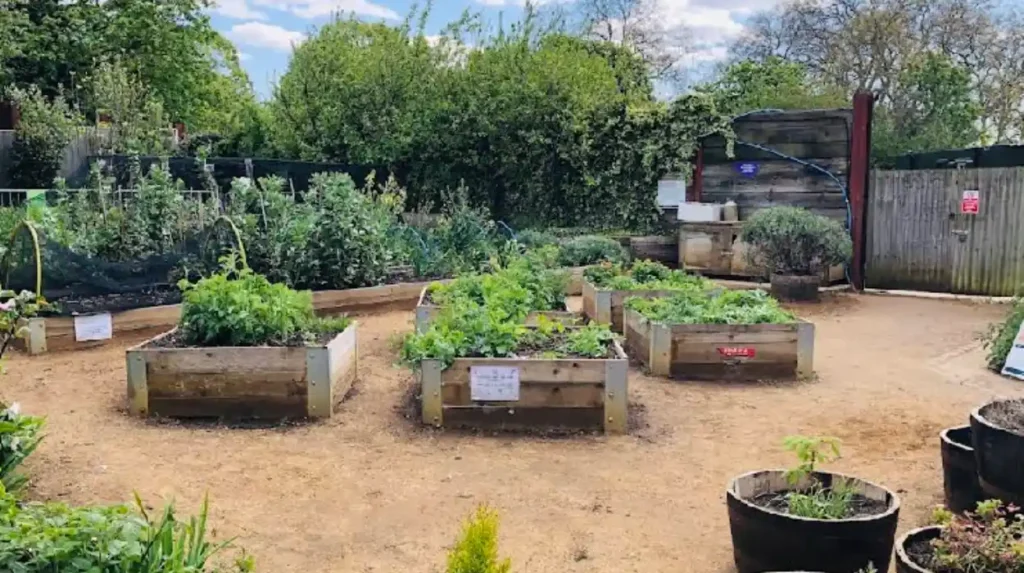
An allotment usually consists of an individual growing plot within a larger site. The plot holder manages the assigned area under the site’s tenancy agreement. Shared facilities include paths, water points, composting areas, gates and communal storage arrangements, depending on the location.
Allotments differ from public parks because individual gardeners receive permission to cultivate defined sections of land. They also differ from private gardens because the land is generally rented rather than owned by the person gardening it.
In West London, allotment sites serve residents in densely populated neighbourhoods where private outdoor space is limited. A resident in Ealing, for example, can use an allotment to grow seasonal vegetables without needing a garden at home. A household in Hammersmith and Fulham can use a plot to cultivate herbs, salad leaves and fruit.
The size of each plot varies by site. Some councils offer full-size plots, while others provide half plots or smaller starter spaces. Availability depends on local demand, the number of existing plots and how frequently vacancies arise.
Why are allotments important to West London communities?
Allotments support local food growing, physical activity, environmental awareness and community interaction. They give residents access to cultivated outdoor space, encourage seasonal eating and create habitats for insects and birds. Their importance increases in neighbourhoods where gardens and other private green spaces are limited.
Food production and household use
An allotment allows gardeners to produce vegetables and fruit for household consumption. Common crops include potatoes, carrots, onions, beans, tomatoes, courgettes, strawberries and raspberries.
Growing food does not eliminate household grocery costs, because seeds, tools, compost, water and maintenance require money. However, productive plots provide a regular supply of fresh ingredients during the growing season.
Gardeners also control the varieties they plant and the methods they use to maintain their crops. This makes allotments useful for people who want to grow traditional vegetables, unusual varieties or produce that is expensive to purchase regularly.
Physical activity and outdoor recreation
Digging, planting, watering, weeding and harvesting involve regular movement. These activities give residents a practical reason to spend time outdoors.
Allotment gardening also creates a structured outdoor activity across the year. Winter involves planning, soil preparation and maintenance, while spring and summer bring sowing, watering and harvesting.
Biodiversity and urban green space
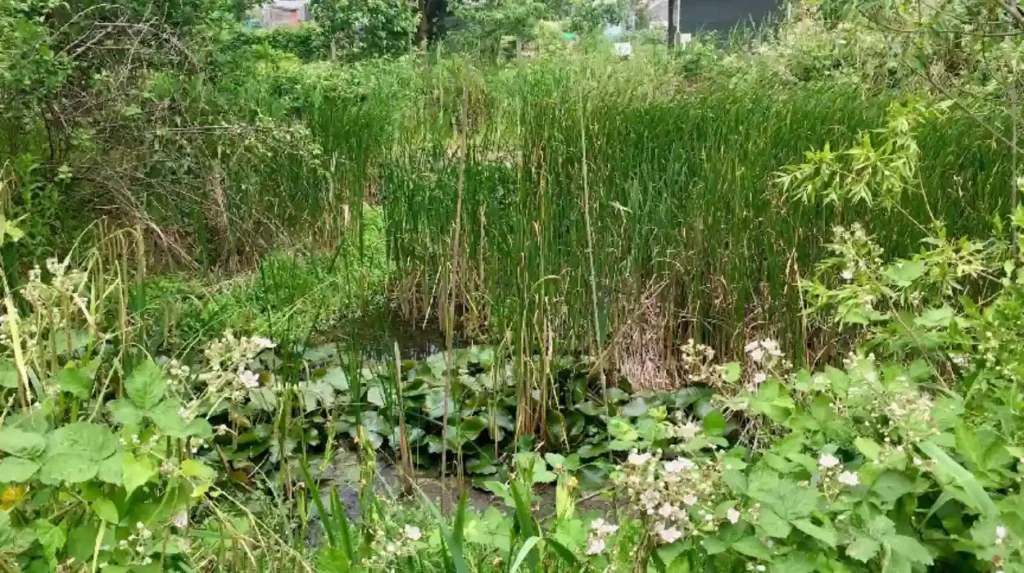
Allotments contribute to urban biodiversity when gardeners maintain flowering plants, compost responsibly and provide suitable habitats. Bees, hoverflies, butterflies and other beneficial insects use nectar-rich flowers, while birds feed on insects and seeds.
The environmental value of an allotment depends on its management. A plot with diverse plants, healthy soil and suitable habitat features supports more ecological functions than one managed exclusively as bare soil.
Community participation
Allotment sites bring together people with different levels of gardening experience. Gardeners exchange seeds, share practical knowledge and coordinate maintenance of communal areas.
Some sites organise working days, social events or informal gardening groups. The availability of these activities depends on the local association and its rules.
Where can residents find allotments in West London?
Residents can find allotments through borough council websites, local allotment associations and community gardening organisations. Ealing, Hounslow, Brent and Hillingdon publish information about their allotment services, including site locations, application procedures, availability and cultivation requirements.
The most suitable site depends on the distance from home, transport access, plot availability and the management arrangements.
Ealing allotments
Ealing Council reports that the borough has 60 allotment sites managed by the council, charities and independent allotment associations. This network provides options for residents across Ealing and surrounding neighbourhoods, although waiting lists vary by site.
Hounslow allotments
Hounslow has 29 allotment sites managed by Lampton Services Greenspace, according to the council’s allotment information. Locations cover areas including Chiswick, Brentford, Isleworth, central Hounslow, Heston, Cranford and western parts of the borough.
Brent allotments
Brent Council manages 21 allotment sites across the borough. Its official service explains plot charges, concessions, shed rental and application arrangements. The council also identifies sites accepting applications, so residents should check the latest list rather than assume every site has an open waiting list.
Hillingdon allotments
Hillingdon has both council-managed and self-managed allotment sites. Access arrangements differ according to the management structure. The council’s published information states that its council-managed allotment waiting list is currently closed, so applicants should check for changes before submitting an application.
Other West London boroughs
Residents in Richmond upon Thames, Hammersmith and Fulham, and Kensington and Chelsea should consult their respective council websites and local gardening associations. Site management, eligibility and waiting-list arrangements vary across borough boundaries.
A nearby site outside a resident’s home borough is not automatically available to them. Some schemes prioritise local residents or apply different charges to non-residents.
How can you apply for an allotment in West London?
Applying for an allotment usually involves choosing a site, checking eligibility, submitting an application and joining a waiting list. When a plot becomes available, the managing organisation contacts an eligible applicant, arranges an offer and explains the rent, tenancy conditions and acceptance process.
The application process varies between councils, but the following steps provide a practical starting point.
Step 1: Choose a convenient site
Select a site close enough to visit regularly. Gardening involves carrying tools, compost and harvested produce, so walking distance and public transport access affect the practical workload.
Review the site directory and confirm whether the plot is council-managed or operated by an independent association. Each organisation has its own application procedure.
Step 2: Check eligibility and availability
Read the current application guidance before submitting personal details. Check residency conditions, waiting-list status, plot sizes and any restrictions on applications.
Hounslow, for example, allows applicants to express interest in one allotment site at a time. Ealing also warns applicants against submitting duplicate applications.
Step 3: Submit the application
Complete the official application form and provide accurate contact details. Keep the confirmation or reference number and check email messages regularly.
Waiting lists can change as plots become vacant, existing tenants leave and sites undergo maintenance. An application does not guarantee a particular plot size or an immediate offer.
Step 4: Review the plot before accepting
When an organisation offers a plot, arrange a visit if permitted. Check access, sunlight, water availability, soil condition, fencing and the amount of clearing required.
An overgrown plot requires more preparation than a maintained plot. Confirm the rent, payment deadline and cultivation conditions before accepting the tenancy.
Step 5: Maintain your waiting-list application
Update the organisation if your address, email or telephone number changes. Respond promptly to requests and review the site’s contact procedures.
Some providers remove applicants who decline an offer or fail to respond within the required period. Read the current rules carefully so that an administrative oversight does not jeopardise the application.
How long are allotment waiting lists in West London?
Allotment waiting times depend on local demand, site capacity, plot turnover and the number of people already registered. Some sites offer plots sooner than others, while popular locations experience waits lasting several years. Each council publishes its own availability information and waiting-list procedures.
Ealing Council warns that applicants sometimes wait many years for a plot. Its guidance also notes that restoring a neglected plot can require additional work after allocation.
Brent Council reports waiting times of at least one to two years for existing applicants, with waits reaching five years at some high-demand sites. These figures are borough-specific examples, not a prediction for every West London allotment.
Waiting times change as tenants leave, new growing spaces become available and management arrangements change. A site with a shorter journey from home is not necessarily the site with the shortest queue.
Residents can improve their planning by checking current application status before buying gardening equipment or committing to a particular start date. Where a site has a closed waiting list, check again periodically for an official reopening announcement.
How much does an allotment cost in West London?
Allotment costs include annual rent, gardening tools, seeds, compost, plants and any permitted structures or storage. The total depends on plot size, the provider’s charges, available facilities and the condition of the land. Concessionary rates apply at some sites, subject to eligibility.
Council fees provide a useful starting point for budgeting, but published prices should be checked before applying because charges change.
Hounslow’s published schedule lists standard rent at £13.90 per rod, with reduced rates for qualifying concessions and certain sites without a water supply. One rod is approximately 25 square metres. The council also lists a separate charge for allotment keys.
Brent uses a per-pole charging system. Its published rates distinguish Brent residents, qualifying concession holders and non-residents. The smallest available plots and the size offered depend on the site’s allocation arrangements.
What should a beginner budget for?
Initial expenses usually include basic hand tools, gardening gloves, seeds, compost and materials for supporting plants. Additional costs arise when a plot needs substantial clearing or soil improvement.
A practical starter kit includes a hand trowel, fork, watering can, secateurs and a sturdy digging tool. Gardeners can reduce expenditure by borrowing equipment where permitted, exchanging seeds and making compost from suitable plant waste.
Avoid buying a shed, greenhouse or permanent structure before checking the tenancy agreement. Some sites restrict structures, require permission or prohibit particular materials.
Water access also affects running costs and workload. A site with communal taps offers different arrangements from one where gardeners collect water manually or use permitted water-storage equipment.
What rules must allotment holders follow?
Allotment holders must follow their tenancy agreement, cultivation guidelines, site regulations and applicable legislation. Rules cover land use, maintenance, waste disposal, water, structures and behaviour. Breaches can result in warnings or termination of the tenancy, depending on the agreement and circumstances.
The Allotments Act 1922 forms part of the statutory framework governing allotment gardens in England. It includes provisions relating to allotment tenancies and compensation in specified circumstances. The official legislation provides the legal text.
Local rules determine many practical details. Hillingdon, for example, prohibits bonfires, hosepipes and sprinkler systems on its council-managed allotments. It also makes plot holders responsible for disposing of waste generated while working their plots.
Gardeners should confirm whether their site permits sheds, greenhouses, fruit cages, polytunnels or livestock. They should also check rules covering fences, hedge heights, shared paths and unattended equipment.
Allotments are intended primarily for cultivation rather than general storage or residential use. A tenant should not assume that permission to rent land automatically includes permission to build a permanent structure, keep animals or use the plot for commercial activities.
Respecting neighbouring plots is equally important. Keep paths clear, control weeds before they spread and avoid allowing plants to obstruct shared access. Follow the site’s rules for keys, gates, noise and visitor access.
What can you grow on a West London allotment?
West London allotments support a wide range of vegetables, fruit, herbs and flowers suited to the local climate. Gardeners select crops according to sunlight, soil condition, available space and seasonal temperatures. Examples include potatoes, carrots, lettuce, runner beans, tomatoes, strawberries, raspberries and culinary herbs.
Which vegetables grow well in West London?
The temperate climate of southern England supports several productive vegetable crops. Gardeners can organise planting around seasonal conditions and the space available.
These are general seasonal examples. Exact sowing and harvesting dates depend on weather, soil temperature and the variety selected.
Root vegetables require soil that allows their roots to develop without obstruction. Leafy vegetables need reliable moisture, while tomatoes and courgettes generally perform best in sunny locations.
Which fruit plants are suitable?
Strawberries, raspberries, blackcurrants, gooseberries and fruit trees are options for allotment gardeners. Their suitability depends on available space, pollination requirements and site restrictions.
Perennial fruit plants occupy the same area over several seasons, so their placement requires planning. Tall fruit trees can shade neighbouring plots, while spreading raspberry canes require suitable containment and regular maintenance.
How should beginners plan their first growing season?
Beginners should start with a manageable selection of crops rather than cultivate every available section immediately. Potatoes, lettuce, radishes and courgettes provide different growing experiences without requiring an extensive collection of specialist equipment.
Succession sowing means planting small quantities of a crop at intervals to spread harvesting across the season. For example, sowing lettuce in successive batches helps prevent the entire crop from maturing at once.
Crop rotation involves changing where particular crop groups grow from year to year. Rotating legumes, brassicas, roots and other vegetable groups helps manage certain soil-borne diseases and pest problems.
How should you prepare an allotment plot for planting?
Preparing an allotment involves clearing unwanted vegetation, assessing soil conditions, improving fertility and planning growing areas. Gardeners should inspect the plot before digging, identify persistent weeds and assess drainage. Gradual preparation reduces unnecessary work and creates suitable conditions for healthy crops.
Start by identifying the boundaries and checking whether the plot contains rubbish, damaged structures or established perennial weeds. Brambles and persistent weeds such as bindweed require careful management because their roots spread beyond the visible growth.
How can you improve allotment soil?
Soil quality affects root development, water retention and nutrient availability. Adding mature compost or well-rotted organic matter improves soil structure and supports soil organisms.
Avoid digging or cultivating waterlogged soil because this damages its structure. Heavy clay soil benefits from careful timing and organic matter, while sandy soil generally requires additional attention to moisture and nutrient retention.
Do not apply fertiliser without considering the crop’s requirements and the existing soil condition. Excess nutrients can encourage leafy growth at the expense of fruit production and contribute to environmental pollution.
How can you manage weeds and pests?
Mulching, hand weeding and crop rotation are common methods of managing weeds and reducing pest pressure. Mulch covers the soil surface, helping conserve moisture and suppress some weed growth.
Inspect crops regularly for aphids, slugs, caterpillars and signs of disease. Remove badly affected plant material where appropriate, encourage beneficial insects and follow product labels when using any authorised pest-control treatment.
Composting healthy plant waste helps recycle nutrients. Diseased material and persistent weed roots require careful handling according to the site’s rules and the composting method used.
How can allotment holders conserve water and protect wildlife?
Water conservation and wildlife-friendly gardening help maintain productive allotments while reducing unnecessary resource use. Gardeners can collect rainwater where permitted, mulch soil, water plant roots efficiently and grow nectar-rich flowers. Suitable habitats support pollinators and other wildlife within West London’s urban environment.
What are the practical methods of saving water?
Water plants early in the morning or later in the day when evaporation is generally lower. Direct water towards the roots rather than wetting foliage unnecessarily.
Mulch reduces moisture loss from exposed soil. Grouping plants with similar watering requirements also simplifies maintenance.
Water butts provide a storage option where the site permits them. However, gardeners must follow local restrictions. Hillingdon, for example, prohibits hosepipes and sprinkler systems on council-managed allotments.
How can an allotment support pollinators?
Pollinators include bees, butterflies and hoverflies that visit flowering plants. Gardeners can support them by planting suitable flowers, allowing some herbs to flower and avoiding unnecessary pesticide use.
Examples of pollinator-friendly plants include lavender, borage, calendula and flowering thyme. A mixture of plants with different flowering periods provides resources across more of the growing season.
Small habitat features, such as suitable insect shelters and undisturbed corners, also support wildlife. Any structures must comply with site regulations and should not obstruct neighbouring plots.
What should you know about allotment gardening through the year?
Successful allotment gardening requires seasonal planning, regular maintenance and adjustments to changing weather conditions. Spring focuses on preparation and sowing, summer requires watering and harvesting, autumn involves clearing crops and improving soil, and winter provides time for maintenance and planning.
In spring, gardeners prepare beds, sow suitable vegetables and check tools before growth accelerates. Frost-sensitive plants should remain protected until outdoor conditions are suitable.
Summer brings the highest workload for many productive plots. Watering, harvesting, tying in climbing plants and removing weeds require regular attention. Tomatoes, beans, courgettes and salad crops often need frequent inspection during active growth.
Autumn is suitable for harvesting late crops, planting garlic where conditions permit and incorporating appropriate organic matter. Gardeners should remove diseased vegetation and store reusable equipment securely.
Winter provides an opportunity to review crop performance, order seeds and plan the next growing season. Avoid working saturated soil, and check the plot periodically for wind damage, standing water and neglected structures.
How much time does an allotment require each week?
An allotment requires regular visits for watering, weeding, planting, harvesting and general maintenance. The workload depends on plot size, crop selection, weather and the condition of the land. Beginners should select a manageable area and establish a consistent schedule before expanding production.
Ealing Council estimates that maintaining an allotment of approximately 125 square metres takes about four hours each week, with additional time often needed in spring and summer. This is a local guidance estimate rather than a universal requirement.
A small, carefully planned plot with mulched beds and a limited crop selection generally requires less work than an overgrown plot containing numerous crops and structures.
Gardeners should plan around holidays, work commitments and periods of hot weather. Crops that need frequent watering require reliable arrangements during absences. Asking another plot holder for help is appropriate only where site rules and access arrangements permit it.
What is the history of allotments in Britain?
British allotments developed through a long history of land provision for food cultivation, particularly for households without sufficient land of their own. Legislation during the nineteenth and twentieth centuries established important provisions for allotment access, tenancy arrangements and local authority responsibilities.
The Small Holdings and Allotments Act 1908 formed an important part of the legislative framework for local allotment provision. The Allotments Act 1922 subsequently addressed matters including tenancy termination and compensation, while the Allotments Act 1950 introduced further statutory provisions.
Allotments became particularly important during periods when household food production supported wider food-security efforts. Wartime cultivation campaigns encouraged people to grow vegetables in available spaces, including gardens and other urban land.
The contemporary role of allotments extends beyond food production. They provide space for outdoor recreation, practical gardening education, local biodiversity and community participation.
In West London, the continuing demand for allotments reflects the value of accessible growing land within a densely developed urban area. Existing sites also demonstrate the importance of maintaining suitable land and managing vacancies fairly.
Explore More Area Guide
Community Gardens in West London: Growing Spaces and Projects
Urban Wildlife in West London: Species and Habitats Guide
What should you consider before renting an allotment in West London?
Before renting an allotment, assess its location, rent, availability, soil condition, water access and management rules. A suitable plot fits your budget, allows regular visits and provides enough space for your intended crops. Checking these factors before accepting an offer helps prevent avoidable costs and maintenance difficulties.
The distance between home and the allotment affects how frequently you can visit. A nearby plot is often more practical for people who need to water plants regularly or carry tools without a car.
Review the tenancy agreement for restrictions on structures, waste disposal, planting and plot maintenance. Confirm the payment schedule and whether concessions apply.
Inspect the plot’s condition before committing to substantial restoration work. A neglected site can require extensive weeding and soil preparation before planting begins.
Finally, choose crops that match the time you have available. A manageable allotment with healthy soil and a realistic planting plan provides a more sustainable starting point than a large plot that exceeds your maintenance capacity.
How will allotments remain relevant to West London in the future?
Allotments will remain relevant as urban residents seek accessible outdoor space, opportunities for local food production and practical ways to engage with nature. Their future depends on land availability, responsible site management, sustainable growing practices and the ability of local organisations to respond to demand.
Population density and limited private gardens make shared growing spaces valuable in West London. Allotments give residents an opportunity to cultivate food without purchasing a property with a garden.
Climate-conscious gardening also increases the importance of efficient water use, soil protection, composting and planting choices suited to local conditions. These practices help gardeners respond to changing weather while maintaining productive plots.
Waiting lists present an ongoing management challenge. Clear allocation policies, well-maintained sites and accurate public information help residents understand their options.
For prospective gardeners, the practical starting point remains straightforward: identify the nearest allotment site, check its current application status, review the tenancy rules and prepare a realistic growing plan. These steps provide a foundation for productive, responsible allotment gardening across West London.
What are allotments in West London?
Allotments in West London are plots of land rented to residents for growing vegetables, fruit, herbs and flowers. Local councils and independent allotment associations manage these spaces and set their own rental fees, eligibility requirements and tenancy rules.