Urban Wildlife in West London includes the wild mammals, birds, insects, amphibians and other animals that inhabit parks, gardens, waterways, wetlands, cemeteries and residential neighbourhoods. The region’s green spaces and connected habitats support wildlife despite dense housing, busy roads and commercial development. Understanding these species, their habitats and their ecological roles helps residents recognise local biodiversity and protect it through responsible everyday practices.
- What Is Urban Wildlife in West London?
- Which Wild Animals Live in West London?
- Which West London Habitats Support Urban Wildlife?
- Parks and Public Green Spaces
- Gardens and Residential Neighbourhoods
- Rivers, Canals and Wetlands
- Woodlands, Cemeteries and Railway Corridors
- How Does Urbanisation Affect West London’s Wildlife?
- Why Are Urban Wildlife Corridors Important in West London?
- What Role Do West London’s Nature Reserves Play in Conservation?
- When Is the Best Time to Observe Urban Wildlife in West London?
- How Can Residents Identify Urban Wildlife Responsibly?
- What Laws Protect Urban Wildlife in West London?
- How Can Households Help Protect Urban Wildlife?
- How Should People Respond to Injured or Distressed Wildlife?
- What Are the Main Challenges for Urban Wildlife Conservation in West London?
- What Is the Future of Urban Wildlife in West London?
What Is Urban Wildlife in West London?
Urban wildlife in West London refers to wild animals living in or adapting to built-up areas across boroughs such as uk/local/ealing/">Ealing, Hounslow, fulham/hammersmith/">hammersmith-and-fulham/">Hammersmith and Fulham, Hillingdon, Richmond upon Thames and Kensington and Chelsea. These animals use parks, gardens, riverbanks, railway corridors and other green spaces for food, shelter and reproduction.
Urban wildlife includes native species, such as European hedgehogs, red foxes, common frogs and house sparrows, alongside introduced species, such as ring-necked parakeets. Some animals live close to people throughout the year, while others use West London as a seasonal feeding, breeding or migration area.
The term also covers the ecological relationships connecting animals to their surroundings. Pollinating insects depend on flowering plants, bats feed on flying insects, and birds use trees and hedges for nesting. These relationships help maintain functioning urban ecosystems.
West London’s wildlife is not restricted to designated nature reserves. Back gardens, allotments, churchyards, railway embankments, canal towpaths and roadside vegetation provide additional habitat. Their ecological value depends on factors such as vegetation cover, water availability, disturbance and the presence of suitable nesting or feeding sites.
Which Wild Animals Live in West London?
West London supports several groups of urban wildlife, including mammals such as foxes and hedgehogs, birds such as robins and parakeets, insects such as butterflies and bees, and amphibians such as frogs. Their distribution varies according to habitat quality, food availability, water and human activity.
Mammals in West London
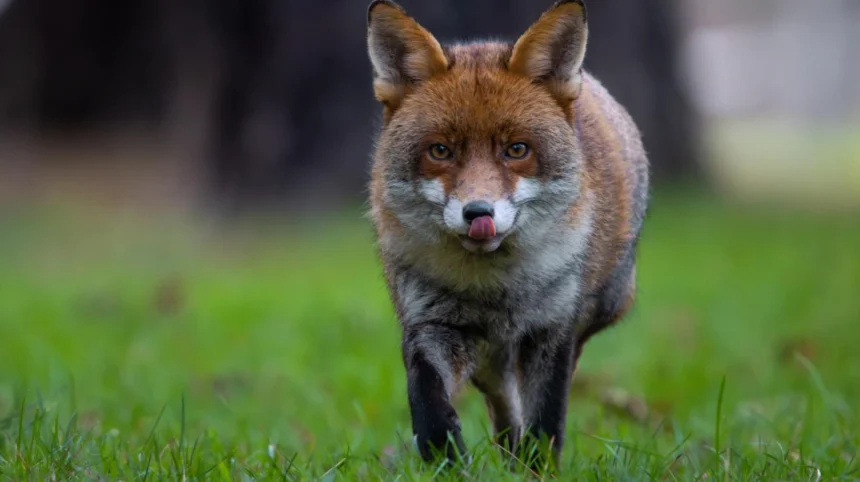
Red foxes are among the most recognisable urban mammals. They occupy residential gardens, parks, railway margins and other places that provide shelter and access to food. Foxes generally become more active around dusk and during the night, although sightings also occur during daylight.
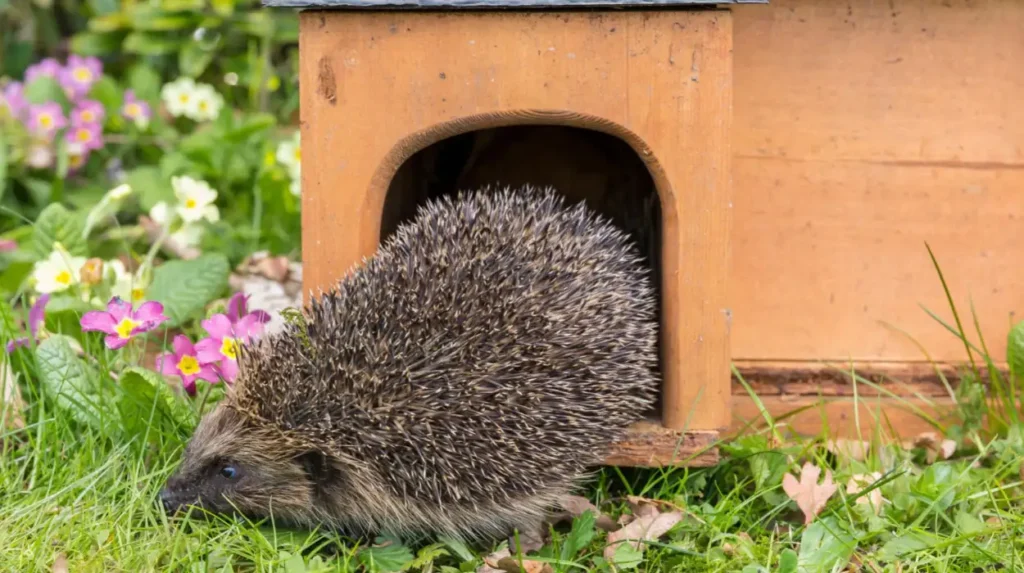
European hedgehogs use gardens, hedgerows, parks and areas with dense ground vegetation. They feed on invertebrates and require sheltered locations for nesting and hibernation. Fences and walls that prevent movement between gardens can restrict their access to food and nesting areas.
Bats also inhabit the London landscape. Different species use trees, buildings and other suitable structures for roosting. They feed on insects and often forage along waterways, woodland edges and vegetation corridors. Their presence is best established through reliable surveys rather than assumptions based on habitat alone.
Grey squirrels are widespread in many urban parks and gardens. They feed on seeds, nuts and other available foods. Their ecological effects differ from those of native mammals, and they are an introduced species in Britain.
Birds in West London
Urban birds include house sparrows, blackbirds, robins, wood pigeons, magpies, blue tits and ring-necked parakeets. Each species uses different combinations of nesting sites, food sources and vegetation.
House sparrows benefit from areas with suitable nesting cavities, shrubs and accessible food. Blackbirds forage on lawns, leaf litter and garden soil. Blue tits use tree cavities and nest boxes, while wood pigeons feed on seeds, leaves and cultivated plants.
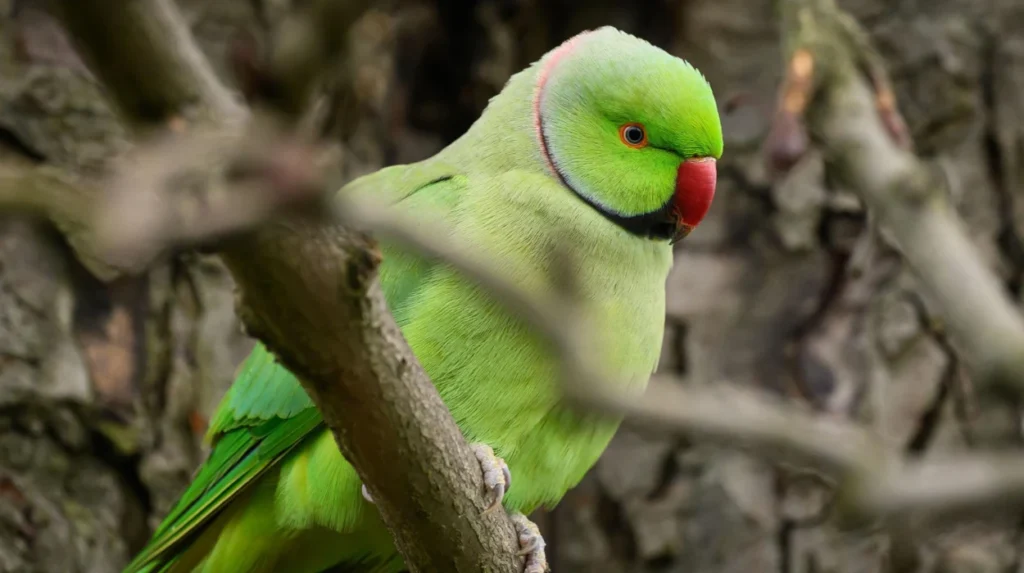
Ring-necked parakeets are introduced birds that have established populations across parts of London. Their bright green plumage and loud calls make them easy to recognise. They commonly feed in parks and gardens, particularly where mature trees and food sources are available.
Waterbirds occupy lakes, ponds, reservoirs and rivers. Ducks, geese, coots and swans use these habitats for feeding, resting and breeding. Their presence depends on water quality, vegetation, nesting conditions and disturbance.
Insects and Other Invertebrates
Butterflies, moths, bees, hoverflies, beetles, spiders and earthworms contribute to urban biodiversity. Pollinating insects transfer pollen between flowers, while decomposers and soil organisms help break down organic material and support nutrient cycling.
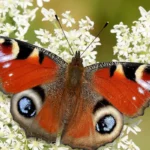
Butterflies such as the small white, red admiral and peacock use gardens, parks and other areas with suitable flowering plants and larval food plants. Bees and hoverflies visit flowers for nectar and pollen.
The presence of insects depends heavily on seasonal conditions and vegetation management. Frequently cut lawns, pesticide use and the removal of flowering plants reduce resources for many species. Flower-rich borders, native plants and sheltered vegetation provide more feeding opportunities.
Amphibians and Reptiles
Common frogs, common toads and smooth newts occur in suitable ponds, gardens and wetlands in parts of the wider London area. Amphibians need appropriate breeding water and terrestrial shelter. Their survival depends on access between these habitats.
Grass snakes and other reptiles occur in suitable habitats in the wider region, although sightings are less predictable than those of common urban birds and mammals. Reptiles depend on features such as warm basking areas, dense vegetation and places to shelter.
Species identification should rely on visible characteristics, habitat and, where necessary, expert advice. Unusual or protected animals should not be captured or disturbed for identification.
Which West London Habitats Support Urban Wildlife?
West London’s wildlife depends on a network of habitats, including public parks, private gardens, rivers, canals, wetlands, woodlands and cemetery grounds. These environments supply food, nesting sites, breeding areas and shelter, while connected vegetation allows animals to move between otherwise isolated green spaces.
Parks and Public Green Spaces
Large parks provide varied habitat through mature trees, grassland, ponds, shrubs and woodland edges. Richmond Park is particularly important for its extensive open landscape, veteran trees and long-established deer population. Its protected landscape also supports birds, invertebrates and other wildlife.
Bushy Park and other major green spaces provide additional habitats across the region. Smaller neighbourhood parks also matter because they place vegetation and open space close to residential areas.
The ecological value of a park depends on its management. Areas of long grass, native shrubs, deadwood and undisturbed ground support different species from closely mown lawns. A mixture of habitats generally provides more opportunities for wildlife than a uniform landscape.
Gardens and Residential Neighbourhoods
Private gardens create a network of small habitats across West London. Trees, hedges, ponds, compost heaps, flowering borders and log piles provide resources for birds, mammals and invertebrates.
Even small gardens contribute when they contain suitable vegetation and remain accessible to wildlife. A gap beneath a boundary fence allows hedgehogs to move between gardens. A shallow water source supports drinking and bathing, while flowering plants supply nectar and pollen.
Balconies and roof gardens provide smaller but useful habitats for insects and birds. Containers with appropriate flowering plants create feeding opportunities where ground-level gardens are absent.
Rivers, Canals and Wetlands
The River Thames, the River Brent, the Grand Union Canal and associated waterways form important ecological corridors. Their banks support plants, insects, birds and mammals, while the water itself provides habitat for fish and aquatic organisms.
Wetland environments support species that require shallow water, emergent vegetation and damp ground. Ponds and reedbeds provide feeding and breeding sites for waterbirds and amphibians. Vegetated banks also offer shelter and movement routes.
Waterway management affects habitat quality. Pollution, bank erosion, litter and excessive vegetation removal reduce ecological value. Maintaining native plants and protecting water quality help sustain these habitats.
Woodlands, Cemeteries and Railway Corridors
Woodland patches supply shade, leaf litter, nesting sites and deadwood habitat. Veteran trees provide cavities and crevices used by birds, bats and invertebrates.
Cemeteries and churchyards can also support wildlife because they contain mature trees, shrubs and less intensively managed ground. Their ecological value depends on the amount of vegetation retained and the frequency of mowing or maintenance.
Railway embankments and vegetated transport corridors sometimes connect habitats across developed areas. They allow some animals to travel between parks and other green spaces. These corridors also face risks from fencing, construction, traffic and fragmented vegetation.
How Does Urbanisation Affect West London’s Wildlife?
Urbanisation changes wildlife habitat through construction, traffic, artificial lighting, noise, pollution and the fragmentation of green spaces. These pressures reduce some resources while creating opportunities for adaptable species that feed on varied foods or use buildings and gardens for shelter.
Habitat loss occurs when vegetation and open land are replaced by buildings, roads or hard surfaces. Animals that depend on specific breeding sites or large connected habitats experience particular pressure when those areas disappear.
Habitat fragmentation occurs when a continuous habitat becomes divided into smaller patches. Roads, walls and developed land restrict movement, separating animals from food, mates and breeding sites. Small populations also face greater risks when suitable habitat becomes isolated.
Artificial lighting affects nocturnal wildlife. Many bats avoid brightly lit routes, while insects gather around lights and become more vulnerable to predation or exhaustion. Shielded lighting, reduced brightness and appropriate lighting schedules help limit these effects.
Noise and human disturbance also influence animal behaviour. Repeated disturbance near nests, roosts or breeding ponds can interrupt feeding and reproduction. Keeping dogs under control in sensitive habitats and observing wildlife from a distance reduces unnecessary pressure.
Urban environments also provide resources. Buildings offer nesting cavities for some birds, gardens supply food, and compost heaps attract invertebrates. Foxes and other adaptable animals use sheltered spaces within developed neighbourhoods.
The overall impact depends on species, habitat and management. A densely built neighbourhood with mature trees and connected gardens can support more wildlife than an area with extensive paving and little vegetation.
Why Are Urban Wildlife Corridors Important in West London?
Urban wildlife corridors are connected strips or patches of habitat that allow animals to move between feeding, nesting and breeding areas. In West London, waterways, hedgerows, tree-lined streets, gardens and railway margins contribute to connectivity across an otherwise developed landscape.
A corridor does not need to be a continuous woodland. A sequence of gardens, shrubs and trees provides stepping-stone habitat for some birds and insects. Connected ponds help amphibians reach breeding sites, while dark vegetation routes support bats that avoid artificial lighting.
The River Thames and River Brent provide examples of linear landscape features with ecological significance. Canal banks and vegetated paths add further routes through developed areas. Their value depends on habitat quality, physical access and the barriers animals encounter.
Connectivity is especially important for animals with limited dispersal ability. Hedgehogs require safe movement between gardens and feeding areas. Amphibians need routes between terrestrial shelter and breeding ponds. Some pollinating insects benefit from flowering plants distributed across a neighbourhood rather than concentrated in one isolated garden.
Road crossings, high walls, missing hedges and extensive lighting interrupt these routes. Wildlife-friendly planning retains mature vegetation, incorporates green infrastructure and reduces barriers where practical.
What Role Do West London’s Nature Reserves Play in Conservation?
Nature reserves protect habitats and provide space for wildlife to feed, breed and shelter with less intensive disturbance than many urban environments. In West London, protected parks, wetlands and locally important nature sites help conserve biodiversity, support environmental education and provide places for ecological monitoring.
Richmond Park is a major protected landscape known for its deer and extensive habitats. Visitors must follow park regulations, including rules designed to protect wildlife and maintain safe distances from deer.
The London Wetland Centre in Barnes provides wetland habitats and opportunities to learn about waterbirds and wetland conservation. Managed wetland areas demonstrate how carefully designed habitats support wildlife within a major city.
Other local nature reserves and designated green spaces protect woodland, grassland, ponds and riverside vegetation. Their ecological functions differ according to habitat type, management and the species present.
Conservation management includes habitat restoration, invasive-species control where appropriate, monitoring and visitor management. Survey records help ecologists assess population trends and identify changes in species distribution.
Nature reserves also support public understanding of biodiversity. Educational programmes and guided activities introduce visitors to species identification, habitat management and responsible wildlife observation. Visitors support these efforts by staying on permitted paths and respecting signs and seasonal restrictions.
When Is the Best Time to Observe Urban Wildlife in West London?
The best time to observe urban wildlife in West London depends on the species, weather and season. Early mornings provide opportunities to see many birds, while dusk and darkness suit observations of foxes and bats. Spring and summer generally offer greater activity among breeding birds and insects.
Spring Wildlife Activity
Spring brings increased bird activity as many species establish territories, build nests and raise young. Flowering plants also provide food for bees, hoverflies and butterflies as temperatures rise.
Ponds and wetlands become important breeding areas for amphibians. Visitors should avoid entering water or disturbing vegetation near breeding sites.
Birdsong is useful for identifying species that remain hidden among foliage. Binoculars and a field guide help observers distinguish similar birds without approaching nests.
Summer Insects and Nocturnal Animals
Summer supports high activity among many flying insects. Butterflies and bees visit flowers during suitable weather, while bats feed on insects after sunset.
Warm evenings also provide opportunities to observe foxes moving through parks and residential streets. Observers should remain quiet and avoid following animals.
Waterways and shaded areas offer opportunities to watch waterbirds and other wildlife during the day. Hot weather increases the importance of drinking water and shaded resting places for animals.
Autumn and Winter Observations
Autumn brings seasonal changes in food availability and bird movements. Trees produce seeds and nuts, while fallen leaves support invertebrates and soil organisms.
Winter observations focus on resident birds, waterbirds and mammals that remain active. Bare trees often make birds easier to see, although cold and wet conditions reduce activity in some species.
Hedgehogs enter hibernation during colder periods when conditions and food availability trigger it. Their timing varies, so garden work should account for the possibility of an animal sheltering beneath leaves, logs or other undisturbed material.
How Can Residents Identify Urban Wildlife Responsibly?
Residents can identify urban wildlife by observing body shape, colour, movement, calls, habitat and time of activity. Field guides, reputable identification apps and records from established wildlife organisations help confirm sightings without requiring animals to be handled or disturbed.
Start by recording the date, approximate location, weather and habitat. Note visible features such as size, markings, tail shape, wing pattern or distinctive calls. Photographs taken from a suitable distance provide evidence for later identification.
Bird identification often combines plumage, beak shape, flight pattern and sound. Butterfly identification relies on wing markings, colour and season. Mammal records benefit from noting tracks, droppings or feeding signs, but these should be observed without direct contact.
Reliable resources include the British Trust for Ornithology, the Bat Conservation Trust, the London Wildlife Trust and the UK Centre for Ecology and Hydrology’s biological recording resources. Local environmental groups also provide guided walks and recording activities.
Records submitted to established biological recording schemes help scientists understand species distribution. Accurate locations, dates and identification confidence improve the usefulness of these records.
Do not handle bats, fledgling birds or unfamiliar mammals. Avoid publishing precise locations of vulnerable species when publicising the information creates a risk of disturbance or illegal collection.
What Laws Protect Urban Wildlife in West London?
Wildlife protection in West London operates through UK legislation, protected-site designations and local conservation rules. The Wildlife and Countryside Act 1981 protects specified wild birds and other species, while the Conservation of Habitats and Species Regulations 2017 provide additional protections for designated species and habitats.
The Wildlife and Countryside Act 1981, as amended, makes it an offence to intentionally kill, injure or take certain wild birds, damage or destroy their nests while in use, or take or destroy their eggs, subject to the precise statutory provisions and exceptions.
The Protection of Badgers Act 1992 protects badgers and their setts. Bats receive legal protection under relevant wildlife legislation and the Conservation of Habitats and Species Regulations 2017. Activities affecting bat roosts require careful legal assessment because roost protection can apply even when bats are not present at the time.
The Countryside and Rights of Way Act 2000 strengthened wildlife and access protections in England and Wales. Additional provisions apply to protected sites and designated conservation areas.
Legal responsibilities depend on the species, action, site designation and applicable exemptions. Anyone planning building work involving potential bat roosts, protected nesting birds or other protected species should obtain appropriate professional advice before work begins.
Local parks and nature reserves also operate site-specific rules. Restrictions can cover dogs, feeding wildlife, access to sensitive areas, cycling and disturbance near breeding animals. Visitors should follow posted instructions and current guidance from the relevant land manager.
How Can Households Help Protect Urban Wildlife?
Households can support West London’s wildlife by providing native plants, reducing pesticide use, retaining suitable shelter and making gardens accessible to small animals. Simple changes, such as planting nectar-rich flowers, maintaining hedges and leaving undisturbed habitat, improve the availability of food and shelter across residential neighbourhoods.
Plant a range of flowers that bloom at different times of year. This supplies nectar and pollen across a longer season. Native plants adapted to local conditions often provide useful resources for native insects and other wildlife.
Keep some garden areas less intensively managed. Long grass, leaf litter, log piles and dense shrubs create habitat for invertebrates and small mammals. Check compost heaps and piles of garden material before moving them.
Provide a shallow water source with a safe way for small animals to climb out. Clean it regularly and avoid placing it where cats can easily ambush visiting wildlife.
Reduce pesticide and herbicide use, especially on flowering plants. These chemicals can harm non-target organisms and reduce the invertebrates available as food for birds and other animals.
Install bird boxes or bat boxes only in suitable locations and follow expert guidance on design and placement. Nest boxes do not replace the need to retain mature trees, natural cavities and other established habitat.
Keep cats indoors at night where practical and supervise dogs near wildlife-sensitive areas. Do not feed foxes or other wild mammals directly as a routine practice, and never leave food waste accessible to them. Secure rubbish and compost to reduce conflict between people and wildlife.
How Should People Respond to Injured or Distressed Wildlife?
People who find injured wildlife should keep their distance, reduce disturbance and contact an appropriate wildlife rescue organisation or veterinary professional. Handling an animal without training can worsen its injuries and expose people to bites, scratches or disease.
Observe the animal from a safe distance before deciding that intervention is necessary. Young birds on the ground are often fledglings learning to fly. Their parents continue feeding them, so moving them unnecessarily can separate them from their natural care.
An animal showing obvious injury, severe weakness or difficulty breathing requires professional assessment. Contact a recognised rescue service or veterinary practice for advice. Do not attempt to treat fractures, administer medication or force food and water into an injured animal.
Bats require particular care. Do not touch one with bare hands. Contact the Bat Conservation Trust or an appropriate local wildlife rescue service for specialist instructions.
Avoid approaching foxes, deer or other large animals that appear distressed or behave unusually. Maintain a safe distance and notify the relevant park authority or animal welfare service.
Never keep a wild animal as a pet without establishing the applicable legal requirements and welfare considerations. Rehabilitation and release require suitable expertise, species-specific care and compliance with relevant law.
Explore More Area Guide
Butterfly Watching in West London: Best Parks and Species
Best Wildflower Spots in West London: Meadows and Nature Reserves
What Are the Main Challenges for Urban Wildlife Conservation in West London?
The main challenges include habitat loss, fragmented green space, road mortality, pollution, artificial lighting, invasive species and inconsistent habitat management. These pressures affect different species in different ways, making connected habitats, evidence-based planning and long-term monitoring essential to urban conservation.
Development can remove mature trees, nesting sites and vegetated land. Replacing these features with small areas of new planting does not immediately reproduce the ecological functions of established habitats.
Road traffic causes direct mortality and divides habitat. Hedgehogs, amphibians and other ground-dwelling animals face risks when moving between feeding areas and breeding sites. Wildlife-sensitive planning needs to consider both habitat quality and safe connectivity.
Water pollution affects rivers, ponds and wetlands. Runoff from roads and developed land carries pollutants into water systems, while litter creates additional hazards. Protecting drainage systems and managing pollution sources helps maintain aquatic habitats.
Invasive non-native species create further management challenges. Their effects depend on the species involved and the habitat affected. Control measures require accurate identification and an appropriate management plan rather than indiscriminate removal.
Climate change influences seasonal timing, heat exposure, water availability and species distribution. Warmer conditions affect flowering periods and insect activity, while extreme rainfall and drought alter the condition of ponds and wetlands.
Conservation responses require coordination between local authorities, landowners, community organisations, developers and residents. Habitat surveys, wildlife records and ongoing management help identify which actions deliver measurable ecological benefits.
What Is the Future of Urban Wildlife in West London?
The future of urban wildlife in West London depends on retaining existing habitats, improving green-space connectivity and integrating biodiversity into development and public-space management. Urban planning that protects mature trees, wetlands, gardens and wildlife corridors supports more resilient ecosystems as the region changes.
Green infrastructure includes natural and semi-natural features such as trees, parks, green roofs, rain gardens, hedges and watercourses. When designed and maintained appropriately, these features help provide habitat while also managing rainwater, reducing heat and improving access to nature.
New developments can incorporate wildlife-friendly design through native planting, connected vegetation, suitable nesting features and reduced unnecessary lighting. These measures work best when they complement existing habitat rather than replace it.
Monitoring is equally important. Records from citizen scientists, ecological surveys and conservation organisations provide information about species presence and distribution. Repeated surveys help distinguish temporary sightings from longer-term changes.
Local communities contribute through garden management, responsible recreation and participation in conservation projects. Schools, residents’ groups and volunteers can help record wildlife, remove litter from appropriate areas and maintain habitats under expert guidance.
Protecting urban wildlife is not limited to rare species or major nature reserves. Common birds, pollinating insects, hedgehogs, frogs and other animals all depend on the everyday quality of the urban landscape. West London’s biodiversity is strongest when wildlife has access to food, water, shelter and connected habitats across the places where people live and work.
Urban wildlife in West London reflects the relationship between a large city and its natural environment. Parks, gardens, rivers, wetlands, woodlands and transport corridors provide habitats for mammals, birds, insects and amphibians. These habitats face pressure from development, pollution, disturbance and climate change, but careful management and connected green infrastructure improve their ecological value.
Residents can contribute by observing wildlife responsibly, reducing chemical use, maintaining wildlife-friendly gardens and respecting protected species. Conservation organisations, land managers and local authorities also play essential roles in habitat protection, monitoring and environmental education.
Long-term biodiversity protection requires reliable information, consistent management and planning that recognises the ecological importance of both major nature reserves and small urban habitats. By protecting these connected environments, West London can sustain wildlife alongside its growing residential and commercial landscape.
What animals live in West London?
West London is home to red foxes, European hedgehogs, grey squirrels, bats, house sparrows, robins, wood pigeons, ring-necked parakeets, butterflies, bees and frogs. The species found in each area depend on available habitats and food sources.