Butterfly watching in West London is an outdoor wildlife activity that involves observing, identifying, and recording butterfly species across parks, nature reserves, gardens, meadows, and other green spaces. The region’s varied habitats support urban biodiversity and provide opportunities for residents, visitors, photographers, and nature enthusiasts to study butterflies throughout the warmer months.
- What Is Butterfly Watching in West London?
- Why Is West London Suitable for Butterfly Watching?
- Which Butterfly Species Can You See in West London?
- Where Are the Best Places for Butterfly Watching in West London?
- When Is the Best Time to Watch Butterflies in West London?
- How Do You Identify Butterflies During a West London Walk?
- What Equipment Do You Need for Butterfly Watching?
- How Does Butterfly Watching Support Conservation in West London?
- How Can You Plan a Butterfly-Watching Walk in West London?
- How Can Families and Beginners Enjoy Butterfly Watching?
- How Can Gardens and Community Spaces Attract Butterflies?
- What Does Butterfly Research Reveal About the Future of Urban Wildlife?
What Is Butterfly Watching in West London?
Butterfly watching in West London is the observation and identification of butterfly species in urban and semi-natural habitats across western London. It combines wildlife observation, species identification, seasonal monitoring, and habitat awareness in places such as parks, nature reserves, community gardens, and wildflower meadows.
Butterfly watching, also called butterfly observation, is a form of wildlife watching focused on insects belonging to the order Lepidoptera. Butterflies are distinguished from moths by a combination of characteristics, including antenna shape, resting posture, and activity patterns. These distinctions are useful but not absolute, because some moth species are active during daylight and resemble butterflies.
West London provides a varied environment for butterfly observation. Public parks, riverside corridors, railway embankments, allotments, gardens, and conservation areas create habitats that support different species. Managed grasslands provide nectar sources, while hedges, shrubs, and trees offer shelter and breeding opportunities.
Butterfly watching requires little specialist equipment. Beginners identify species through wing colour, markings, body shape, flight behaviour, and habitat. Experienced observers record sightings with dates, locations, weather conditions, and photographs to support long-term biodiversity monitoring.
The activity also connects people with urban ecology. Observing butterflies helps explain how green spaces support pollinating insects, how seasonal changes affect wildlife, and why habitat management matters in densely developed neighbourhoods.
Why Is West London Suitable for Butterfly Watching?
West London supports butterfly watching because its parks, gardens, riverside habitats, woodland edges, and grasslands provide food, shelter, and breeding sites. Green spaces across boroughs such as uk/local/ealing/">Ealing, Hounslow, Hillingdon, Richmond upon Thames, and fulham/hammersmith/">hammersmith-and-fulham/">Hammersmith and Fulham offer varied settings for observation.
The ecological value of West London depends on the distribution and quality of its habitats. Large parks contain grasslands, woodland, ponds, and planted borders, while smaller gardens provide nectar-rich flowers and sheltered vegetation.
The River Thames and its surrounding green corridors connect habitats across parts of West London. The Grand Union Canal also creates linear habitats, with vegetation along sections of its banks providing feeding opportunities and shelter for insects.
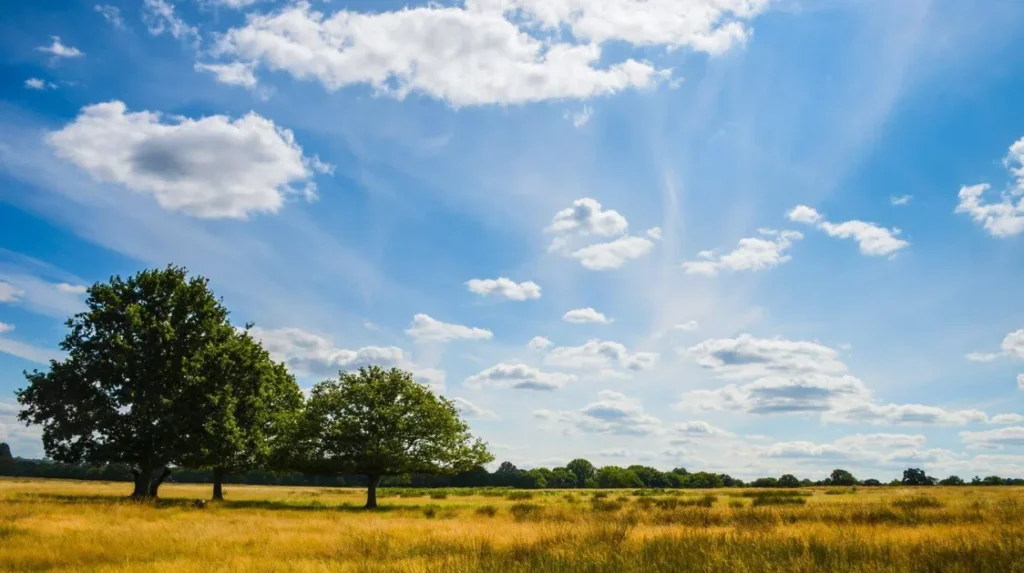
Richmond Park and Bushy Park are well-known examples of extensive green spaces in the wider western London area. Their grasslands, woodland edges, and open landscapes provide opportunities to observe insects and other wildlife. Smaller parks and local nature reserves also support butterfly watching, particularly where grass cutting, planting, and conservation management retain flowering vegetation.
Urban gardens contribute to this network. Plants such as lavender, buddleia, marjoram, and native wildflowers supply nectar for adult butterflies. Host plants, including nettles and grasses, support the caterpillar stages of particular species.
Habitat quality matters more than park size alone. A smaller green space with flowering plants, suitable host vegetation, and limited pesticide use can support butterflies when its conditions meet their life-cycle requirements.
Which Butterfly Species Can You See in West London?
Butterfly observers in West London encounter familiar British species, including the small tortoiseshell, peacock, red admiral, comma, brimstone, holly blue, speckled wood, and meadow brown. Actual sightings depend on location, habitat quality, weather, season, and the availability of suitable food plants.
The United Kingdom supports numerous butterfly species, but not every species occurs in every London habitat. Some prefer open grassland, others use woodland clearings, and several thrive in gardens and urban parks.
Which garden butterflies are easiest to recognise?
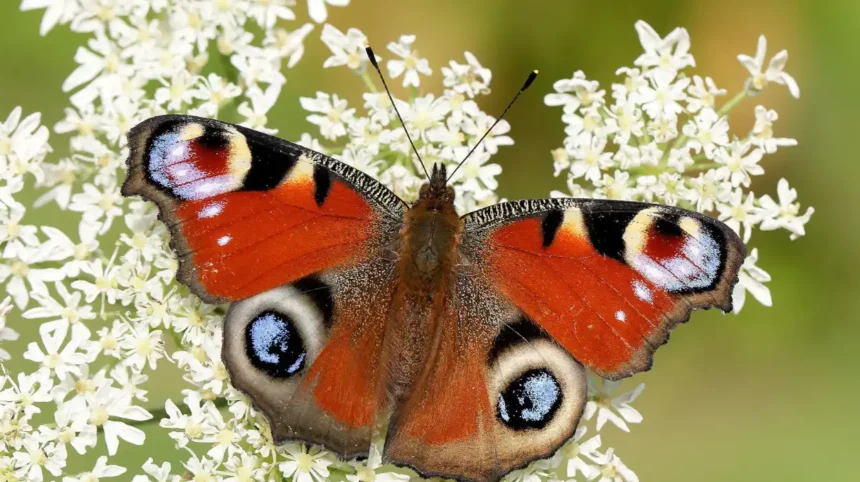
The peacock butterfly (Aglais io) is recognised by its prominent eyespots, which resemble eyes on a dark background. It visits flowering plants in gardens, parks, and open habitats.
The small tortoiseshell (Aglais urticae) has orange, black, and yellow markings with blue spots along the edges of its wings. Its caterpillars feed on nettles, making patches of nettles important breeding habitat.
The red admiral (Vanessa atalanta) displays dark wings with red bands and white markings near the tips of its forewings. It frequently visits garden flowers and fruit, while its caterpillars use nettles as a host plant.
The brimstone (Gonepteryx rhamni) is known for its leaf-shaped wings. Males are bright yellow, while females are paler. Buckthorn and alder buckthorn serve as its principal caterpillar food plants.
Which butterflies prefer woodland and grassland?
The speckled wood (Pararge aegeria) is associated with woodland edges, shaded paths, and dappled sunlight. Its dark wings carry pale spots, making it relatively easy to recognise in woodland habitats.
The meadow brown (Maniola jurtina) is a common grassland butterfly. Its brown wings and small eyespots help distinguish it from several other British species. Adults are often observed flying over grassland during summer.
The comma (Polygonia c-album) has deeply scalloped wing edges and orange-brown upper surfaces. Woodland rides, hedgerows, and gardens provide suitable observation settings.
The holly blue (Celastrina argiolus) is a small blue butterfly frequently associated with gardens, woodland edges, and parks. Its caterpillars use different host plants during different generations, including holly and ivy.
Species identification should rely on several features rather than colour alone. Wing patterns, size, habitat, flight behaviour, and season provide a more reliable basis for identification.
Where Are the Best Places for Butterfly Watching in West London?
The best places for butterfly watching in West London are green spaces with flowering plants, grassland, woodland edges, and low-disturbance habitats. Richmond Park, Bushy Park, Gunnersbury Park, Osterley Park, and local nature reserves offer different environments for observing butterflies.
Richmond Park
Richmond Park contains extensive grassland, woodland, and open habitats. Walk along established paths and inspect sunny clearings, flowering vegetation, and woodland margins. Keep a respectful distance from deer and avoid entering restricted conservation areas.
Bushy Park
Bushy Park offers open grassland, trees, and sheltered vegetation. Look for butterflies along sunny path edges and around flowering plants. Check park notices for access restrictions and seasonal management information before visiting.
Gunnersbury Park
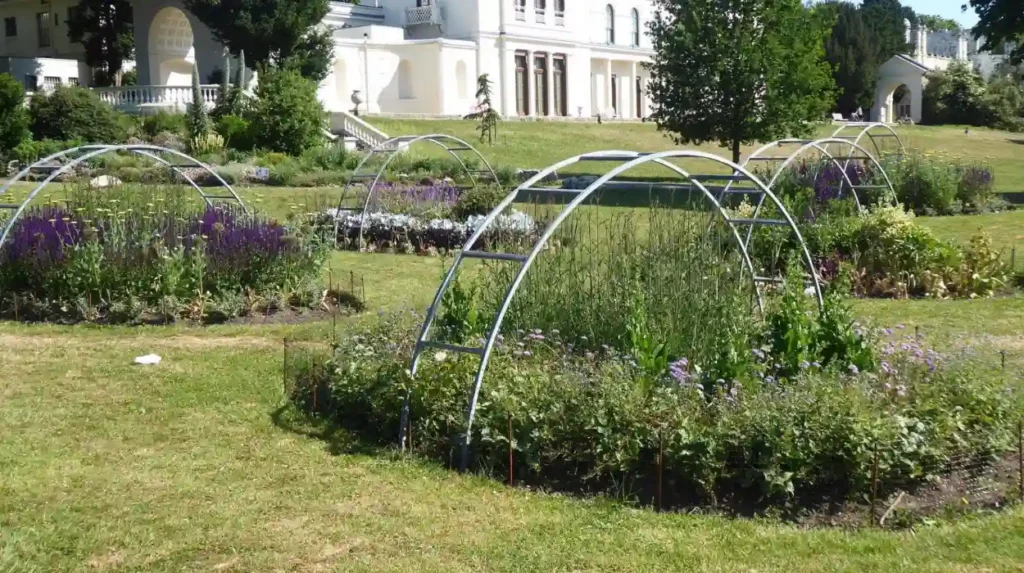
Gunnersbury Park combines landscaped grounds, trees, and garden habitats in the Ealing and Hounslow area. Flowering borders and sheltered green spaces provide useful locations for beginners practising butterfly identification.
Osterley Park and House
Osterley Park includes parkland, gardens, and tree-lined areas. Observers can compare butterflies found in open sunny spaces with those seen near sheltered vegetation. Check the National Trust’s visitor information for current access arrangements.
Which smaller green spaces are worth exploring?
Local parks, allotments, railway-side green corridors, and community gardens also support butterfly watching. Their ecological value depends on plant diversity, shelter, and the availability of host plants for caterpillars.
In Hillingdon and Hounslow, explore suitable public green spaces with flowering grassland and woodland margins. In Ealing, inspect parks with established gardens and less intensively managed vegetation. Around Hammersmith and Fulham, look for flowering planting schemes and riverside green spaces where public access permits observation.
London Wildlife Trust provides a London Butterfly Spotter resource that helps visitors identify species found across the capital. Its guide offers a practical starting point for choosing which butterflies to look for in local habitats.
When Is the Best Time to Watch Butterflies in West London?
The main butterfly-watching season in West London runs from spring through early autumn, with many species most visible between May and August. Warm, sunny, relatively calm conditions improve observation opportunities, while cold weather, heavy rain, and strong winds reduce butterfly activity.
Butterfly activity changes throughout the year because species have different life cycles and flight periods. Some adults emerge in early spring, while other species become more noticeable during summer. A few butterflies also appear in autumn or survive the winter as adults.
The best time of day is usually late morning through the afternoon, when sunshine warms butterfly flight muscles. A sheltered site with flowers often produces better observations than an exposed location during windy weather.
Seasonal dates are guides rather than guarantees. Temperature, rainfall, local habitat, and annual weather patterns influence emergence and abundance. Record the date of each sighting to build an accurate picture of local activity over time.
How Do You Identify Butterflies During a West London Walk?
Identify butterflies by examining wing patterns, colour, size, flight behaviour, habitat, and season. Use a field guide or trusted identification app to compare these features, then photograph the butterfly when possible. Record uncertain sightings as unidentified rather than assigning an unsupported species name.
Start by observing the butterfly without disturbing it. Look at its upper wings during flight or when it settles, then inspect the underside if it closes its wings. Some species display substantially different colours and markings on each surface.
Wing shape is particularly useful. The comma has irregular wing edges, while the brimstone has pointed, leaf-like wings. The peacock’s large eyespots provide a strong identification feature, and the speckled wood has distinctive pale spots against darker wings.
Habitat helps narrow down identification. A butterfly flying through a shaded woodland path suggests a different set of likely species from one feeding on flowers in open grassland. However, habitat alone never confirms an identification.
Use a phone camera with optical zoom when available. Take photographs from several angles without touching the insect. Avoid chasing a butterfly repeatedly because the disturbance makes observation and photography more difficult.
London Wildlife Trust’s butterfly identification material and Butterfly Conservation’s identification resources help observers compare British species. For difficult sightings, submit a photograph and supporting details to a suitable recording community rather than relying entirely on automated identification.
What Equipment Do You Need for Butterfly Watching?
Butterfly watching requires minimal equipment: a smartphone or camera, a reliable field guide, a notebook or recording app, weather-appropriate clothing, and comfortable footwear. Binoculars are optional because many common butterflies can be identified at close range without specialist optical equipment.
A beginner can start with a smartphone and a free identification resource. A camera becomes useful when photographing small markings, recording rare sightings, or comparing similar species later.
A notebook helps maintain consistent records. Include the date, location, approximate time, weather, habitat, species name, and number of individuals observed. Photographs provide supporting evidence for uncertain identifications.
Wear comfortable shoes for uneven paths and grassland edges. Carry drinking water during warm weather and use sun protection during extended outdoor visits. Insect repellent is a personal choice, but avoid spraying chemicals directly onto butterflies or flowering plants.
Respect park rules and private property boundaries. Stay on public paths where required, avoid trampling vegetation, and never capture butterflies simply to obtain a closer look.
How Does Butterfly Watching Support Conservation in West London?
Butterfly watching supports conservation by documenting species presence, seasonal activity, and habitat conditions. When observers submit reliable sightings to established recording schemes, their records help researchers assess distribution changes, investigate population trends, identify conservation priorities, and understand how urban environments support biodiversity.
Butterflies respond to environmental conditions, including temperature, habitat management, food availability, and landscape changes. Their sensitivity makes them useful indicators of environmental health, although butterfly records alone do not measure every aspect of ecosystem condition.
The UK Butterfly Monitoring Scheme has operated since 1976. It collects standardised observations from monitoring locations across the country to assess changes in butterfly abundance. Its data contribute to national biodiversity indicators and scientific assessments.
The latest government statistics published on 26 August 2026 assess butterfly population trends using data through 2025. They report a deteriorating long-term trend for all butterfly species combined in both the United Kingdom and England between 1976 and 2025. These national findings provide context for conservation, but they do not establish the precise trend at every West London park.
How can residents contribute useful records?
Residents can submit sightings through Butterfly Conservation’s Butterflies for the New Millennium recording scheme or the iRecord Butterflies app. These platforms help collect observations from a wide range of locations and allow records to be reviewed through established verification processes.
A useful record includes an accurate species identification, observation date, location, and supporting photograph where available. Recorders should also distinguish between a single casual sighting and a structured survey. These are different forms of evidence and answer different ecological questions.
Regular monitoring improves the value of observations. Returning to the same location across several weeks or seasons helps reveal changes in species presence and activity.
How Can You Plan a Butterfly-Watching Walk in West London?
Plan a butterfly-watching walk by choosing a public green space, checking access information, reviewing the weather forecast, and identifying the species expected during the season. Allow time for slow observation, photography, and recording sightings without disturbing wildlife or damaging vegetation.
Choose one location rather than trying to visit several parks in a single outing. A focused visit gives you time to observe different habitats and compare species activity.
Before leaving home, check the park’s official website for opening times, accessible entrances, path conditions, and temporary restrictions. Some gardens and managed estates have admission charges or restricted sections.
A simple observation plan includes three stages. First, walk through an open area with flowering plants. Second, explore a sheltered woodland edge or hedge. Third, revisit a suitable sunny location and record the species seen during the visit.
Allow approximately 60–90 minutes for a relaxed outing. Beginners benefit from concentrating on a small number of identifiable species instead of trying to document every butterfly encountered.
Keep a digital or written checklist. Record the number of individuals, the plants they visit, and the habitat in which they appear. This creates a useful personal record and supports more accurate identification during future walks.
How Can Families and Beginners Enjoy Butterfly Watching?
Families and beginners can enjoy butterfly watching by choosing accessible paths, using illustrated identification guides, and observing butterflies in gardens or public parks. Short observation sessions help children recognise wing patterns, understand insect life cycles, and learn how flowers and host plants support local wildlife.
Butterfly watching is suitable for different age groups because it combines outdoor activity with practical nature education. Children can learn to distinguish a peacock from a red admiral by examining wing markings, while adults can practise photography and maintain species lists.
A simple activity involves observing one flowering patch for 10–15 minutes. Count the butterflies that visit, note their colours, and identify the plants they use. Repeat the activity at another location and compare the results.
Teach children to observe without touching insects. Butterflies have delicate wings and bodies, and handling them can cause injury. Avoid collecting caterpillars or removing leaves from public planting areas.
London Wildlife Trust’s nature spotter sheets offer an accessible introduction to local wildlife identification. The London Butterfly Spotter resource is particularly useful for turning a routine park visit into a structured observation activity.
Explore More Area Guide
Best Wildflower Spots in West London: Meadows and Nature Reserves
Explore Woodland Areas in West London: Parks and Nature
How Can Gardens and Community Spaces Attract Butterflies?
Gardens and community spaces attract butterflies by providing nectar-rich flowers, suitable caterpillar food plants, shelter, and areas with sunlight. Plant diversity, pesticide reduction, and careful vegetation management help maintain the resources butterflies need for feeding, breeding, and completing their life cycles.
Adult butterflies use nectar as an energy source. Plants such as lavender, marjoram, buddleia, and flowering native species provide feeding opportunities across different parts of the growing season.
Caterpillars require specific host plants. Nettles support the larvae of species such as the small tortoiseshell and peacock, while buckthorn supports brimstone caterpillars. Grasses provide food for several grassland butterflies, including the meadow brown.
A butterfly-friendly garden therefore needs more than flowers. It should include suitable larval food plants, sheltered vegetation, and areas that avoid excessive disturbance. Different plant species flower at different times, extending the availability of nectar.
Avoid routine pesticide use where possible. Insecticides can harm non-target insects, while frequent cutting removes flowers and caterpillar habitat. Leaving some vegetation undisturbed provides additional resources for wildlife.
Community gardens and public green spaces can apply similar principles. Even small planting areas contribute to urban habitat networks when they connect with other suitable green spaces.
What Does Butterfly Research Reveal About the Future of Urban Wildlife?
Butterfly research shows that long-term monitoring is essential for understanding changes in wildlife populations. In West London, repeated observations, habitat conservation, and community participation provide practical ways to assess urban biodiversity and identify places where improved vegetation management supports butterflies.
The ecological importance of butterfly watching extends beyond individual sightings. Long-term records help scientists distinguish seasonal variation from sustained changes in abundance or distribution.
Government biodiversity statistics show that habitat-specialist butterflies have experienced greater long-term declines than generalist species in England. The distinction matters because specialist species depend on particular habitats, such as flower-rich grassland and woodland clearings, while generalists use a broader range of environments.
Urban development, habitat fragmentation, intensive land management, and changing weather conditions influence the availability and quality of butterfly habitats. Maintaining connected green spaces, retaining native host plants, and improving flowering vegetation help address some of these pressures.
West London parks, gardens, and nature reserves provide opportunities for residents to observe these changes directly. Consistent recording produces more useful evidence than isolated sightings, particularly when observers submit verified records to established monitoring schemes.
The future value of butterfly watching depends on combining public participation with reliable identification and responsible wildlife observation. Every well-documented record adds to the information available for understanding London’s changing natural environment.
Where are the best places for butterfly watching in West London?
Richmond Park, Bushy Park, Gunnersbury Park, and Osterley Park are useful places for butterfly watching in West London. Their grasslands, gardens, woodland edges, and flowering plants provide habitats for different butterfly species.