Woodland areas in West London provide access to ancient trees, protected wildlife habitats, shaded walking paths and historic parkland. From the nationally important woodland landscapes of uk/local/richmond-upon-thames/richmond/">Richmond Park and Ruislip Woods to the compact urban reserve at Gunnersbury Triangle, these green spaces connect residents and visitors with nature across Greater London.
- What are woodland areas in West London?
- Why are woodland areas important to West London?
- Which woodland areas in West London are worth visiting?
- Richmond Park
- Ruislip Woods National Nature Reserve
- Gunnersbury Triangle Nature Reserve
- Ham Common Woods
- Horsenden Hill
- Hounslow Heath
- Petersham Common Woods
- How did West London’s woodland landscapes develop?
- What types of woodland habitats exist in West London?
- Which wildlife can visitors see in West London woodlands?
- When is the best time to visit woodland areas in West London?
- How can visitors reach West London’s woodland areas?
- How should visitors protect West London’s woodlands?
- How will woodland conservation shape West London in the future?
What are woodland areas in West London?
Woodland areas in West London are green spaces dominated by trees and associated natural habitats, including ancient woods, wet woodland, parkland and nature reserves. Examples include Richmond Park, Ruislip Woods, Gunnersbury Triangle and Ham Common Woods. These places support wildlife, provide walking routes and preserve parts of London’s natural heritage.
Woodland is a habitat in which trees form a significant part of the vegetation, alongside shrubs, fungi, grasses and other plants. Some woodlands develop naturally over long periods, while others are planted and managed within public parks or urban landscapes.
West London contains several distinct woodland environments. The area includes the Thames-side landscapes of Richmond, the historic woods of Hillingdon, the nature reserves of hounslow/chiswick/">Chiswick and the green spaces of Ealing and Hounslow.
These environments differ in size, vegetation, public access and conservation status. Richmond Park combines woodland with grassland and deer habitats. Gunnersbury Triangle protects wet woodland and ponds within a compact urban setting. Ruislip Woods contains four principal woodland areas and holds National Nature Reserve status.
The term woodland walk describes a route that passes through or alongside trees. A nature reserve is an area managed to protect wildlife and habitats. A National Nature Reserve (NNR) is a site recognised for its national importance for nature conservation.
These distinctions help visitors select places that suit their interests, whether they want a short urban walk, a longer woodland route or a visit focused on wildlife observation.
Why are woodland areas important to West London?
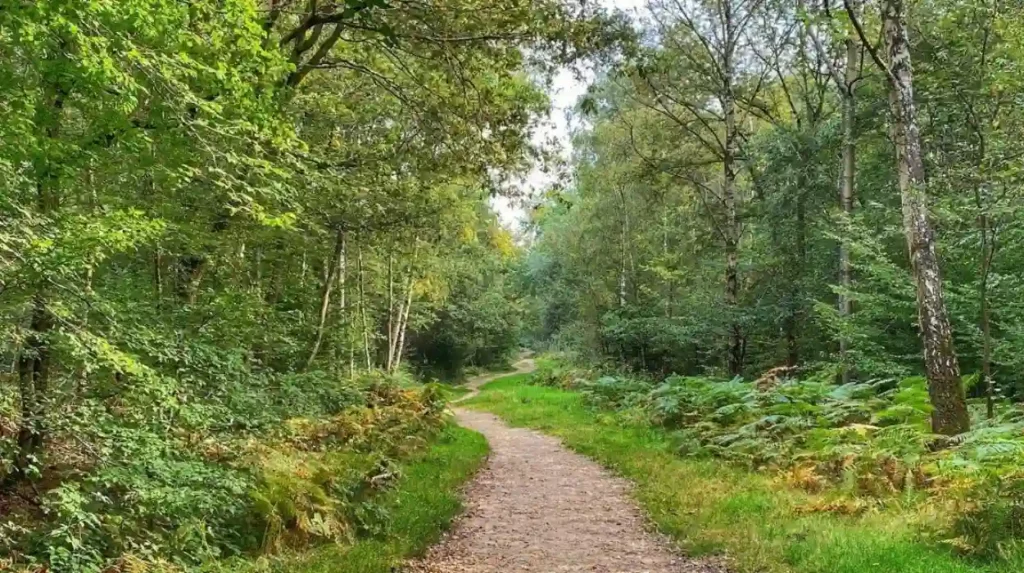
Woodland areas support biodiversity, improve the urban environment and preserve natural landscapes within West London. Examples include Richmond Park’s veteran oaks, Gunnersbury Triangle’s wet woodland and Ham Common Woods’ habitats for birds, bats, beetles and fungi. Their conservation also protects green corridors between otherwise developed neighbourhoods.
West London has a densely developed urban environment, with housing, roads, railways and commercial districts surrounding many open spaces. Woodland provides habitat for species that depend on trees, decaying timber, sheltered ground vegetation and connected green spaces.
Trees also contribute to local environmental quality. Their canopies provide shade, intercept some rainfall and help regulate temperatures around paths and public spaces. Vegetation captures airborne particles, while soils and leaf litter support natural processes that sustain wildlife.
Woodland conservation also protects ecological connections. Birds, bats, insects and small mammals use hedgerows, riverside vegetation and wooded corridors to move between habitats. Petersham Common Woods, for example, forms an important wildlife corridor linking Richmond Park with the River Thames through Petersham Meadows and Petersham Lodge Woods.
The value of these landscapes extends beyond recreation. Mature trees contain cavities and decaying wood used by specialist invertebrates. The stag beetle is an important example associated with dead and decaying timber, and Richmond Park is recognised for its nationally significant population of these insects.
Protecting woodland therefore requires more than planting trees. Conservation work also involves retaining old trees, maintaining suitable ground conditions, controlling invasive plants and limiting damage from heavy visitor use.
Which woodland areas in West London are worth visiting?
West London has woodland destinations ranging from large protected landscapes to small urban nature reserves. Examples include Richmond Park and Ham Common Woods in Richmond, Ruislip Woods in Hillingdon, Gunnersbury Triangle in Chiswick and Horsenden Hill in Ealing. Each location offers different combinations of walking routes, wildlife and historic features.
Richmond Park
Richmond Park is one of London’s most important natural landscapes. It is a National Nature Reserve and a Site of Special Scientific Interest, reflecting the ecological value of its habitats. Its landscape includes ancient trees, open grassland, ponds and wooded areas.
The park originated as a royal hunting landscape in the seventeenth century. Charles I established it as a deer park in 1634, and its historic landscape remains central to its identity. Red and fallow deer roam the park, while veteran oak trees provide habitats for insects and other wildlife.
The Isabella Plantation is a 40-acre ornamental woodland garden within Richmond Park. Its streams, woodland paths and seasonal flowering plants offer a more enclosed woodland experience than the park’s broad open spaces.
The Tamsin Trail follows the park’s perimeter for just over seven miles. Visitors can combine woodland exploration with longer walks, cycling routes and wildlife observation. The Royal Parks asks visitors to keep their distance from deer and follow local wildlife-protection signs.
Ruislip Woods National Nature Reserve
Ruislip Woods National Nature Reserve is a major woodland destination in the London Borough of Hillingdon. The reserve consists of four principal areas: Mad Bess Wood, Bayhurst Wood, Park Wood and Copse Wood. Its habitats include woodland, open water and lowland grassland.
The reserve provides a different experience from a landscaped urban park. Tree cover, woodland paths and natural vegetation create opportunities to observe seasonal changes and local wildlife. The presence of several connected woodland areas also gives the landscape a broader ecological role.
Ruislip Woods is suitable for visitors interested in woodland walks, natural history and conservation. Route length and terrain depend on the chosen path, so visitors should check current access information before setting out.
Gunnersbury Triangle Nature Reserve
Gunnersbury Triangle is a three-hectare nature reserve near Chiswick Park Station. London Wildlife Trust manages the site, which contains wet woodland, ponds, grassland and habitats for birds, amphibians, insects and small mammals.
The reserve has an important local conservation history. In 1981, woodland that had developed on former allotment land between railway lines faced the threat of development. A campaign supported by local people and conservation organisations helped secure protection through a planning inquiry in 1983. The reserve opened to the public in 1985.
Birch and willow trees provide sheltered habitats, while ponds support amphibians such as common frogs, common toads and smooth newts. The site also supports birds, bats and invertebrates.
Its compact size makes it useful for a short nature visit without travelling far from central West London. Some paths have uneven surfaces and steep steps, so the reserve does not offer complete wheelchair access.
Ham Common Woods
Ham Common Woods covers approximately 30 hectares of acid grassland, woodland and scrubland. Located near Ham Gate Avenue in Richmond, it links Richmond Park with Ham Common and supports a range of woodland and open-ground habitats.
The mixture of wet and dry woodland provides habitats for beetles, fungi, birds and bats. This variety makes the site useful for observing how different environmental conditions influence vegetation and wildlife.
Walkers and horse riders use the area, and the woods are accessible throughout the day. Visitors travelling by public transport can use Richmond or Kingston stations and local bus routes 65 and 371.
Ham Common Woods is particularly relevant for people seeking a quieter woodland setting close to Richmond’s larger parkland landscapes. Visitors should remain on established paths where appropriate and follow local guidance to protect sensitive habitats.
Horsenden Hill
Horsenden Hill in Ealing combines woodland, wildflower meadows and historic landscape features. The site includes ancient woodland and nature trails, alongside a farm, sensory garden and community conservation activities.
Its landscape has archaeological associations spanning several historical periods. The hill is used for walking, wildlife observation and outdoor learning, while community groups contribute to habitat management.
Traditional woodland practices include coppicing, which involves cutting selected trees or shrubs near ground level to encourage regrowth. Hedgelaying and orchard restoration also help maintain traditional landscape features and biodiversity.
Horsenden Hill is suitable for visitors who want to combine a woodland walk with broader countryside scenery. Paths and facilities vary across the site, so visitors should plan their route according to their mobility, available time and preferred activities.
Hounslow Heath
Hounslow Heath is a historic open landscape in the London Borough of Hounslow. It contains heathland, scrub, trees and wildlife habitats that differ from the denser woodland found in some of West London’s nature reserves. The site is recognised as a Local Nature Reserve and forms part of the borough’s wider network of green spaces.
The heath’s open character makes it suitable for visitors who want to combine walks through tree-lined areas with views across open ground. Its varied vegetation supports wildlife adapted to grassland, scrub and woodland edges.
Hounslow’s Nature Recovery Action Plan identifies Hounslow Heath alongside the Crane Valley, Bedfont Lakes Country Park and other sites as part of the borough’s woodland and habitat network. These spaces contribute to wider efforts to protect biodiversity in a built-up urban area.
Petersham Common Woods
Petersham Common Woods is a broadleaf woodland near Richmond that connects Richmond Park with the River Thames through Petersham Meadows and Petersham Lodge Woods. Richmond Council identifies it as a Site of Metropolitan Importance for Nature Conservation.
The woodland provides a green corridor through a landscape containing residential areas, historic open spaces and riverside habitats. Such connections help wildlife move between areas rather than becoming isolated within individual parks.
The site is accessible throughout the day. Richmond railway station and local bus services provide public transport options for visitors. Its location also makes it possible to combine a woodland walk with a visit to the nearby riverside landscape.
How did West London’s woodland landscapes develop?
West London’s woodlands developed through natural vegetation growth, historic land management, royal estates and modern conservation. Examples include Richmond Park’s seventeenth-century deer-park origins, Gunnersbury Triangle’s protection in 1983 and the continued management of Ruislip Woods as a National Nature Reserve. These histories explain why woodland types differ across the region.
Historically, woodland in and around London supplied timber, fuel and other resources. Landowners managed trees for practical purposes, while estates and parks retained wooded areas for hunting, recreation and landscape design.
The subsequent expansion of London transformed many rural landscapes into urban neighbourhoods. Roads, railways and housing developments fragmented habitats, leaving some woodlands within parks, reserves and protected open spaces.
Richmond Park illustrates the relationship between historic land use and modern conservation. Its royal hunting origins shaped a landscape of grazing deer, veteran trees and open grassland. The continued presence of old trees and decaying timber supports species that depend on long-established habitats.
Gunnersbury Triangle demonstrates a different process. Woodland developed on abandoned allotment land between railway lines. Community action helped protect it from development, and it became a nature reserve managed for wildlife and public access.
Modern conservation recognises that woodland is not simply a collection of trees. Long-established soils, deadwood, fungi, ground vegetation and natural water conditions all contribute to habitat quality. Planting new trees supports urban greening, but it does not immediately reproduce the ecological characteristics of ancient woodland.
What types of woodland habitats exist in West London?
West London contains several woodland habitat types, including ancient woodland, wet woodland, broadleaf woodland and planted woodland. Examples include Ruislip Woods for established woodland landscapes, Gunnersbury Triangle for wet woodland, Petersham Common Woods for broadleaf woodland and newer tree planting in Hounslow parks. Each habitat supports different ecological processes.
Ancient woodland
Ancient woodland refers to land that has been continuously wooded since at least 1600 in England. This historical definition does not mean every tree on the site is ancient. Instead, the classification recognises continuity of woodland habitat over centuries.
Ancient woodland can contain specialised plants, fungi, insects and soil communities that take a long time to develop. Its ecological value depends on the combination of living trees, deadwood, ground flora and long-established environmental conditions.
Visitors exploring ancient woodland should avoid damaging ground vegetation and should follow paths where provided. Trampling sensitive plants or removing deadwood can affect habitats that are difficult to restore.
Wet woodland
Wet woodland develops in areas where the soil remains damp or waterlogged for significant periods. Alder, birch and willow are common tree groups associated with this habitat.
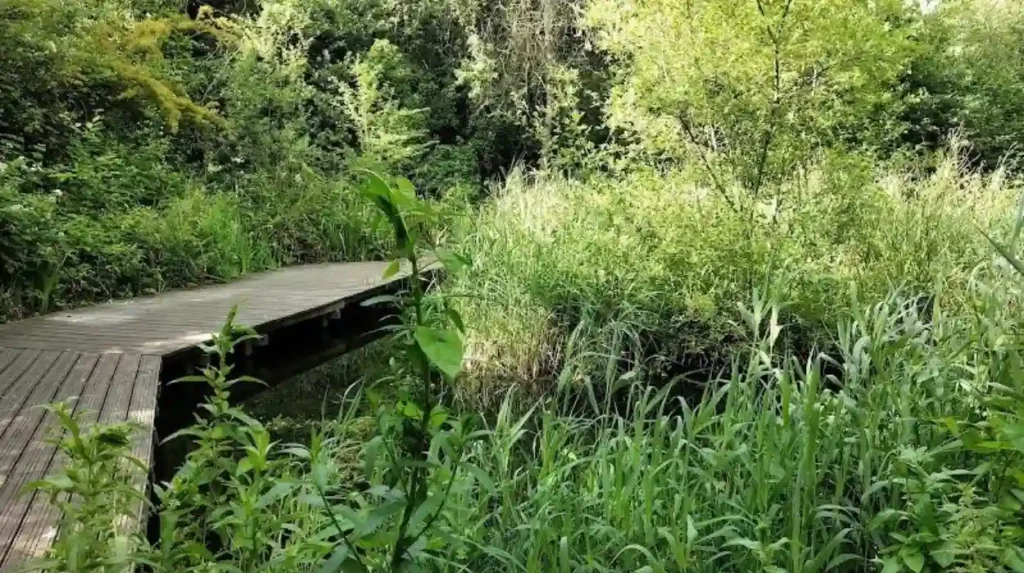
Gunnersbury Triangle is an example of wet woodland in an urban setting. Its ponds, sheltered vegetation and damp ground support amphibians, birds, insects and small mammals. Hounslow’s nature recovery planning also identifies wet woodland as a valuable habitat within the borough.
Wet woodland is especially important because suitable habitat is relatively scarce across the United Kingdom. Protecting natural drainage and water conditions is therefore an important part of maintaining these sites.
Broadleaf woodland
Broadleaf woodland contains trees with broad leaves, including oak, hazel, birch and willow. Many of these trees lose their leaves in autumn, although evergreen species also occur in woodland environments.
Petersham Common Woods provides an example of broadleaf woodland that contributes to a wider wildlife corridor. Richmond Park also contains old oak trees and woodland habitats of substantial conservation value.
Broadleaf woodland changes throughout the year. Spring brings fresh leaves and seasonal flowers, summer creates shade, autumn produces falling leaves and winter reveals more of the trees’ branching structure.
Planted woodland
Planted woodland is created when trees are deliberately established through planting or natural regeneration supported by land management. Councils and conservation organisations use these approaches to increase tree cover, improve habitat connections and enhance public spaces.
Hounslow’s nature recovery planning identifies newer woodland planting in locations including Lampton Park, Boston Manor Park, Inwood Park, Bedfont Lakes Country Park and Hanworth Park. Native trees used in these projects include oak, ash, willow and field maple.
Planted woodland contributes to the long-term development of London’s green infrastructure. Its ecological performance depends on species selection, tree survival, management and connections with existing habitats.
Which wildlife can visitors see in West London woodlands?
West London’s woodlands support birds, mammals, amphibians, insects, fungi and native plants. Examples include red and fallow deer and stag beetles in Richmond Park, frogs and smooth newts at Gunnersbury Triangle, and bats and woodland birds in Ham Common Woods. Sightings depend on season, habitat and visitor behaviour.
Woodland wildlife occupies different layers of the habitat. Birds use tree canopies and shrubs for nesting and feeding. Small mammals shelter in vegetation and beneath fallen timber. Insects depend on flowers, leaf litter, decaying wood and suitable breeding conditions.
Richmond Park is notable for its veteran trees and stag beetle habitat. The park’s old trees provide decaying timber that supports specialised invertebrates. These ecological features contribute to the park’s conservation importance.
Gunnersbury Triangle supports common frogs, common toads and smooth newts, alongside birds such as green woodpeckers and great spotted woodpeckers. Its combination of ponds and wet woodland creates different habitats within a relatively small area.
Seasonal changes influence what visitors observe. Spring offers opportunities to see fresh foliage, flowering plants and breeding birds. Summer provides active insect habitats, while autumn brings changes in leaf colour and seed production. Winter often makes tree structure and bird movements easier to observe.
Visitors should keep a respectful distance from animals, avoid feeding wildlife and leave fallen branches and deadwood in place. Dogs should follow site-specific rules, particularly where conservation areas restrict access or require dogs to remain on leads.
When is the best time to visit woodland areas in West London?
Spring and autumn offer particularly varied woodland experiences in West London. Examples include spring flowers and fresh leaves at Richmond Park’s Isabella Plantation, changing foliage in broadleaf woods and autumn wildlife observation along established nature trails. Summer provides shade, while winter offers clearer views through leafless trees.
Spring is suitable for observing woodland plants as they emerge from winter dormancy. Flowering vegetation attracts insects, while ponds and damp habitats provide opportunities to observe amphibians. Visitors should remain on designated paths in areas where sensitive plants grow.
Summer is useful for shaded walks and longer outdoor visits. Tree canopies provide shelter from direct sunlight, although warm conditions increase the importance of carrying drinking water and checking local weather forecasts.
Autumn brings changing leaf colours, falling seeds and seasonal shifts in wildlife behaviour. Woodland paths can become slippery when wet leaves accumulate, so suitable footwear improves comfort and stability.
Winter offers a different perspective on woodland structure. Without full leaf cover, visitors can see tree trunks, branches and features that remain hidden during summer. Shorter daylight hours make checking opening arrangements and finishing walks before dark particularly important.
No single season guarantees wildlife sightings. Weather, habitat conditions, breeding cycles and visitor activity all influence what appears during a visit. Checking site-specific notices before travelling helps visitors plan around access restrictions and conservation work.
How can visitors reach West London’s woodland areas?
West London’s woodland destinations are accessible through a combination of Underground services, National Rail stations, buses, walking routes and local roads. Examples include Chiswick Park Station for Gunnersbury Triangle, Richmond and Kingston stations for Ham Common Woods, and local transport connections serving Richmond Park and Ruislip Woods. The best route depends on the chosen entrance.
Public transport is useful for visits to urban nature reserves because it reduces the need to find parking near residential streets or conservation sites. Gunnersbury Triangle is directly opposite Chiswick Park Station, with bus services also available nearby.
Visitors heading to Ham Common Woods can use Richmond or Kingston stations, followed by local buses or a walk. Richmond Park has several entrances, so the most convenient station or bus stop depends on the intended destination within the park.
For Ruislip Woods and Horsenden Hill, visitors should check the route to the specific woodland entrance rather than relying on the name of the wider park alone. Walking distances between stations, entrances and trails vary.
Drivers should check parking arrangements, restrictions and any charges before departure. Some nature reserves have limited parking or rely primarily on public transport. Accessibility also varies: natural woodland trails include uneven surfaces, slopes, roots and steps.
Explore More Area Guide
Wetlands in West London: Wildlife, Nature Reserves and Conservation
Birdwatching in West London: Best Parks and Wetlands
How should visitors protect West London’s woodlands?
Visitors protect West London’s woodlands by staying on suitable paths, respecting wildlife, removing litter and following site-specific rules. Examples include keeping a safe distance from Richmond Park’s deer, observing Gunnersbury Triangle’s access restrictions and following local guidance for dogs, cycling and conservation areas. These actions reduce disturbance and help preserve habitats.
Responsible woodland access helps maintain the balance between recreation and conservation. Heavy footfall damages ground vegetation when people create informal paths through sensitive areas. Litter can harm wildlife, while noise and close approaches disturb animals.
Visitors should follow these practices:
- Use established paths where appropriate and respect temporary closures.
- Take litter home and avoid leaving food waste.
- Do not remove plants, fungi, fallen branches or other natural materials.
- Keep dogs under control and comply with site-specific restrictions.
- Follow signs relating to cycling, horse riding and wildlife protection.
- Avoid approaching or feeding deer and other wild animals.
- Respect nearby homes and avoid blocking residential access.
Conservation organisations and local authorities also contribute through habitat management, tree care, path maintenance and community volunteering. Activities such as coppicing, hedgelaying and orchard restoration help maintain woodland structure and preserve traditional landscape features.
Visitors interested in supporting conservation can look for volunteering opportunities with the organisations responsible for individual sites. London Wildlife Trust provides information about involvement at Gunnersbury Triangle, while community groups support activities at Horsenden Hill and Ham Common Woods.
How will woodland conservation shape West London in the future?
Woodland conservation will remain important to West London as urban development, climate pressures and biodiversity loss increase demand for healthy green spaces. Examples include protecting Richmond Park’s veteran trees, maintaining wet woodland at Gunnersbury Triangle and strengthening habitat connections between parks, reserves and river corridors. Long-term management is essential to these objectives.
Urban woodland planning focuses on maintaining existing habitats while increasing tree cover where suitable land is available. Mature woodland requires particular care because old trees and established soils provide ecological features that new planting cannot replace immediately.
Climate change increases the importance of resilient woodland management. Heat, drought, intense rainfall and changing pest pressures affect tree health and habitat conditions. Maintaining varied tree species, protecting soil and managing water appropriately help reduce some of these risks.
Habitat connectivity is another priority. Isolated woodland patches provide fewer opportunities for wildlife movement than connected networks of parks, hedgerows, riverside vegetation and nature reserves. Petersham Common Woods demonstrates the role of a local woodland in connecting Richmond Park with the River Thames landscape.
Local planning and nature recovery programmes can help identify opportunities to restore degraded habitats, protect existing woodland and improve green corridors. These measures benefit wildlife while maintaining access to outdoor spaces for residents and visitors.
The future value of West London’s woodlands depends on coordinated action by councils, conservation organisations, landowners and local communities. Protecting established habitats, managing visitor pressure and supporting appropriate new tree planting will help preserve these landscapes for future generations.
West London’s woodland areas offer much more than walking routes. They protect ancient trees, support specialised wildlife, preserve historic landscapes and provide accessible contact with nature across a heavily urbanised region. Richmond Park, Ruislip Woods, Gunnersbury Triangle, Ham Common Woods, Horsenden Hill, Hounslow Heath and Petersham Common Woods each contribute distinct habitats and experiences to this network of green spaces.
What are the best woodland areas in West London?
Some well-known woodland destinations in West London include Richmond Park, Ruislip Woods National Nature Reserve, Gunnersbury Triangle Nature Reserve, Ham Common Woods, Horsenden Hill, Hounslow Heath and Petersham Common Woods. Each offers different walking routes, wildlife habitats and natural scenery.