Wetlands in West London provide important habitats for birds, aquatic plants, insects, amphibians and mammals. These environments include freshwater ponds, reedbeds, marshes, reservoirs and wet meadows. They support urban biodiversity, help manage rainfall, contribute to water quality and provide opportunities for wildlife observation, environmental education and nature conservation.
- What are wetlands, and why are they important in West London?
- Which wetlands and nature reserves can people visit in West London?
- What wildlife lives in West London’s wetlands?
- How do wetlands support biodiversity and ecological balance?
- How do wetlands help manage flooding, water quality and climate risks?
- How have West London’s wetlands developed historically?
- What conservation designations protect West London’s wetlands?
- How can visitors explore West London’s wetlands responsibly?
- What threats affect wetlands in West London?
- How can local communities help protect wetlands in West London?
- What is the future of wetlands in West London?
West London contains several significant wetland environments, including the London Wetland Centre in Barnes and the Welsh Harp, also known as uk/local/brent/">Brent Reservoir. These locations demonstrate how natural habitats and restored landscapes support wildlife within a densely populated urban region.
Wetlands also connect with London’s wider network of rivers, canals, parks and green spaces. Their long-term protection depends on habitat management, pollution control, sustainable water use and responsible public access.
What are wetlands, and why are they important in West London?
Wetlands are areas where water covers the ground permanently or seasonally, creating habitats for specialised plants and animals. In West London, these environments include marshes, ponds, reservoirs and reedbeds that support biodiversity, manage water and connect urban communities with nature.
A wetland develops where water conditions influence the soil, vegetation and wildlife. Some wetlands remain flooded throughout the year, while others become waterlogged during winter or after heavy rainfall. The depth, duration and quality of water determine which species establish themselves.
West London’s wetlands include natural water margins, managed reservoirs and habitats deliberately created for conservation. Each type serves a different ecological purpose. Shallow water supports aquatic invertebrates, while reedbeds provide shelter for nesting birds. Muddy shorelines offer feeding grounds for wading birds, and wet grasslands support insects and plants adapted to damp conditions.
These habitats are particularly important in urban areas because roads, buildings and intensive land use reduce the space available for wildlife. Wetlands provide ecological resources within developed neighbourhoods and help connect otherwise isolated green spaces.
The importance of wetland conservation extends beyond individual reserves. The UK has experienced extensive historical wetland loss. The Royal Society for the Protection of Birds reports that the country has lost around 90% of its wetlands over the past 100 years, highlighting the need to protect and restore remaining habitats.
For West London, wetland protection therefore supports local wildlife while contributing to wider national biodiversity objectives.
Which wetlands and nature reserves can people visit in West London?
West London includes established wetland destinations such as the London Wetland Centre in Barnes and Welsh Harp Reservoir near Neasden and Hendon. These sites offer different habitats, wildlife observation opportunities and conservation features within the wider urban landscape.
1. London Wetland Centre
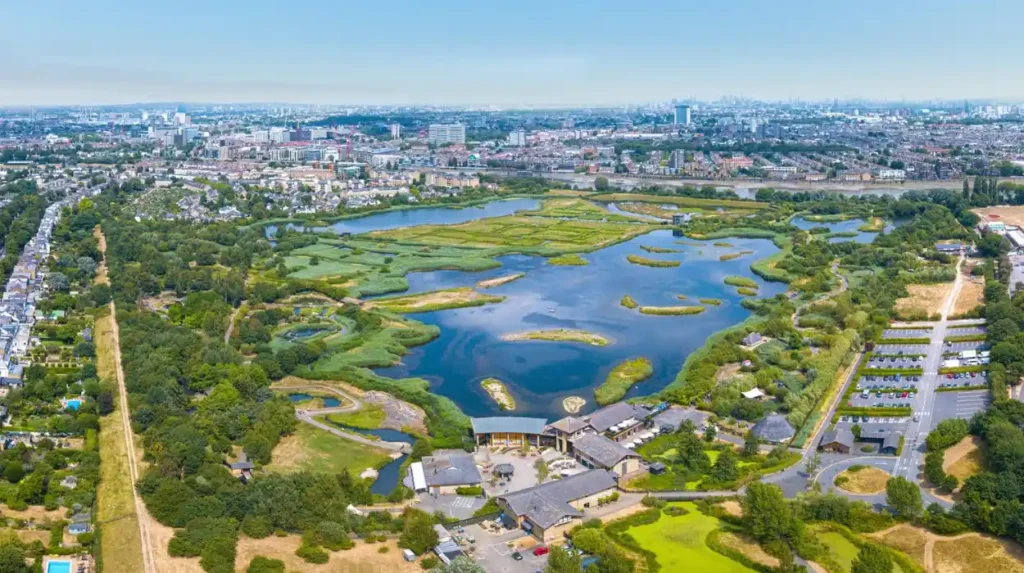
Located on Queen Elizabeth Walk in Barnes, the London Wetland Centre is a managed wildlife reserve operated by the Wildfowl and Wetlands Trust (WWT). It covers approximately 42–44 hectares, depending on the published site measurement, and includes open water, ponds, reedbeds, wet woodland and grazing marsh.
The centre was created from former Victorian reservoirs and opened to the public in 2000. It demonstrates how previously engineered water infrastructure can be transformed into a conservation landscape.
2. Welsh Harp Reservoir
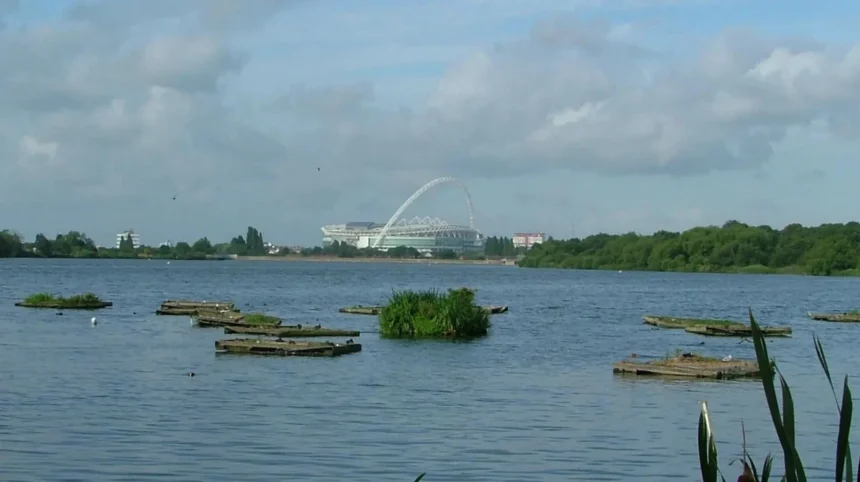
Also known as Brent Reservoir, the Welsh Harp lies near Neasden and West Hendon. Brent Council describes the wider landscape as approximately 170 hectares of open water, marshes, trees and grassland.
The reservoir is designated a Site of Special Scientific Interest (SSSI), a formal conservation designation recognising its special wildlife or geological importance. Breeding waterbirds and wintering wildfowl are among its significant ecological features.
These locations serve different purposes. The London Wetland Centre provides managed visitor facilities, interpretation and conservation-focused activities. Welsh Harp combines a large reservoir landscape with surrounding habitats and recreational uses.
When planning a visit, check access arrangements, paths, facilities and any temporary restrictions through the relevant managing organisation.
What wildlife lives in West London’s wetlands?
West London’s wetlands support resident birds, wintering waterfowl, migrating species, aquatic insects, amphibians and small mammals. Examples include grey herons, kingfishers, gadwall, shoveler, dragonflies and water voles, with local wildlife depending on habitat conditions and the season.
Wetland biodiversity depends on the variety of habitats available within each site. Open water supports swimming and diving birds, while shallow margins provide feeding areas for species that search for insects, worms and small fish.
At the London Wetland Centre, the documented birdlife includes grey herons, kingfishers and several waterbird species. The reserve also supports dragonflies, damselflies and mammals associated with freshwater habitats. WWT has documented water vole conservation work at the site.
The Welsh Harp supports breeding wetland birds, including great crested grebes. Its open water and vegetated shoreline also provide habitat for wintering waterfowl and aquatic plants.
Different species use wetlands in different ways:
- Waterbirds: Gadwall and shoveler feed in wetland waters, while herons hunt for fish and other small aquatic animals.
- Reedbed birds: Dense reeds provide nesting cover and shelter for birds adapted to waterside vegetation.
- Aquatic insects: Dragonflies and damselflies depend on freshwater environments during their aquatic development stages.
- Amphibians: Frogs and other amphibians use suitable ponds and damp surroundings for breeding and shelter.
- Small mammals: Water voles use vegetated banks and waterways where food, cover and suitable burrowing conditions are available.
Wildlife observations vary throughout the year. Winter brings visiting waterfowl from other parts of Europe, while spring and summer support breeding activity among resident and seasonal species.
Visitors should observe animals from designated paths and hides. Feeding wildlife, disturbing nests or entering restricted habitat areas can disrupt the ecological balance that conservation management aims to maintain.
How do wetlands support biodiversity and ecological balance?
Wetlands support biodiversity by providing feeding grounds, breeding sites, shelter and nursery habitats for many species. In West London, reedbeds, muddy banks, shallow ponds and wet grasslands create complementary ecological conditions that help wildlife survive in a heavily developed urban environment.
Biodiversity refers to the variety of living organisms within an area, including plants, animals, fungi and microorganisms. Wetlands contribute to biodiversity because their changing water levels and vegetation create numerous ecological niches.
A shallow pond, for example, supports different organisms from a deep reservoir. Aquatic plants provide cover for invertebrates, while muddy edges supply feeding areas for birds. Reedbeds offer shelter, and wet grassland provides feeding and nesting opportunities for species that depend on open, damp ground.
Wetland habitats also form interconnected food webs. Algae and plants provide food for invertebrates. Invertebrates support fish, amphibians and insect-eating birds. Larger birds of prey feed on smaller animals, helping maintain natural ecological relationships.
Habitat diversity is especially important in cities. When a wetland contains several connected habitat types, wildlife has access to a broader range of food, nesting sites and shelter. This reduces reliance on a single environmental condition.
The London Wetland Centre illustrates this principle through its combination of open water, reedbeds, grazing marsh, ponds and wet woodland. The Welsh Harp provides another example, with its reservoir, marshes, trees and grassland supporting different wildlife communities.
However, biodiversity depends on habitat quality as well as area. Pollution, invasive species, disturbance and inappropriate water management can reduce ecological value. Effective conservation therefore requires monitoring wildlife populations, maintaining vegetation and protecting the conditions that different species need.
How do wetlands help manage flooding, water quality and climate risks?
Wetlands contribute to flood management by temporarily storing water, slowing runoff and providing space for rainfall to spread. Their soils and vegetation also retain some sediments and nutrients, while wetland plants support carbon storage, although the benefits depend on site conditions.
Wetlands form part of the natural water cycle. Rainfall enters the ground, flows across the surface or reaches nearby waterways. In suitable locations, wetland basins and floodplains temporarily store part of this water, reducing the speed at which it moves through a catchment.
Vegetation increases surface roughness and slows water movement. Wetland soils can also absorb water when they have available storage capacity. These processes help manage runoff, particularly where wetlands connect with streams, rivers and drainage networks.
Water quality is another important function. Suspended sediment can settle in slower-moving water, while plants and microorganisms process certain nutrients and organic materials. The extent of this treatment depends on water flow, pollution levels, soil conditions and the time water remains within the wetland.
Wetlands also influence climate resilience. Vegetation captures carbon through photosynthesis, and wet soils can store organic carbon. The quantity retained varies according to plant communities, water levels and soil characteristics. Methane emissions from some waterlogged environments also affect the overall greenhouse-gas balance.
In West London, these functions matter because buildings, roads and paved surfaces increase rapid runoff. Wetlands and other green infrastructure provide additional capacity to manage water and create habitats within developed areas.
The Greater London Authority identifies pollution, habitat loss and limited access as continuing challenges for London’s waterways. Its Clean Rivers and Waterways Plan sets out a wider ambition to improve water quality, biodiversity and access to blue spaces.
Wetlands do not eliminate flood risk or replace engineered drainage systems. Their effectiveness depends on their size, location, connection to waterways and capacity to hold additional water. Protecting them forms one part of a broader approach to climate adaptation and sustainable urban planning.
How have West London’s wetlands developed historically?
West London’s wetlands reflect centuries of changes in water management, land use and urban development. Some habitats remain associated with rivers and marshy ground, while others developed around reservoirs and restored infrastructure, including the former Victorian reservoirs at Barnes.
Historically, wetlands occupied areas where rivers overflowed, groundwater reached the surface or drainage remained limited. These environments supported wildlife and influenced agriculture, settlement and transport.
Urban expansion changed many of these landscapes. Land was drained, waterways were modified, and reservoirs were constructed to supply water and support infrastructure. Such developments changed water levels and altered the habitats available to wildlife.
The Welsh Harp Reservoir provides a clear example of an engineered water body that developed ecological importance. The reservoir was formed in 1835 by damming the valley of the River Brent. Its open water and shoreline subsequently became valuable for breeding birds and other wildlife.
The London Wetland Centre demonstrates a different stage in this history. Four former Victorian reservoirs were transformed into a wetland reserve after development proposals in the 1990s prompted an alternative conservation vision. The centre opened in 2000, creating a managed landscape for wildlife, education and public engagement.
These examples show that wetland history involves both loss and restoration. Engineered landscapes can support substantial ecological value when water conditions, vegetation and habitat management meet wildlife requirements.
Historical context also explains why conservation remains necessary. Urban development has reduced or fragmented many wetland habitats, leaving surviving sites under pressure from surrounding land use. Restoration projects help recover habitat functions, but they require sustained management and long-term protection.
What conservation designations protect West London’s wetlands?
Conservation designations identify sites with important wildlife, habitats or ecological features and establish protections under relevant legislation or policy. Welsh Harp Reservoir holds Site of Special Scientific Interest status, while other London wetlands form part of wider designated conservation networks.
A Site of Special Scientific Interest, commonly called an SSSI, is a site designated for its special wildlife or geological interest. In England, Natural England administers the SSSI designation framework under the Wildlife and Countryside Act 1981, as amended.
SSSI status helps protect important habitats from damaging activities. Certain operations require consent or assessment, and land managers have responsibilities relating to the condition of designated features.
Welsh Harp Reservoir is recognised as an SSSI because of its wildlife value, particularly its breeding waterbirds and wintering waterfowl. The surrounding landscape also includes areas recognised for nature conservation and public engagement.
Other designations operate at different geographical scales:
- Local Nature Reserves: Places managed for wildlife, public enjoyment or environmental education, such as designated local reserves within London’s green-space network.
- Special Protection Areas: Sites classified under the relevant UK legal framework to protect important bird populations and their habitats.
- Ramsar sites: Wetlands recognised as internationally important under the Convention on Wetlands.
- Local nature conservation designations: Sites identified by local planning authorities for their ecological value, including habitats that contribute to London’s green infrastructure.
The Environment Agency’s London abstraction licensing strategy identifies Barn Elms Wetland Centre SSSI and the Lee Valley’s internationally designated wetland network among water-dependent conservation interests. These examples demonstrate the connection between wetland health and responsible water management.
Designation does not mean that every activity is prohibited. The rules depend on the designation, the activity and the relevant legal framework. Visitors should follow site regulations, while developers and land managers should consult the responsible authorities before undertaking work that affects protected habitats.
How can visitors explore West London’s wetlands responsibly?
Visitors can explore West London’s wetlands through designated footpaths, bird hides, guided activities and wildlife observation areas. Responsible visits involve checking access information, keeping noise low, respecting seasonal restrictions and avoiding actions that disturb birds, mammals or sensitive vegetation.
The London Wetland Centre in Barnes provides visitor facilities and accessible routes, with bird hides and opportunities to learn about wetland ecology. The site is accessible by public transport, including nearby Barnes and Barnes Bridge railway stations, and the centre provides information about current travel arrangements.
Welsh Harp offers a different experience, with a large reservoir landscape and surrounding open spaces. Access to individual areas and facilities varies, so visitors should consult local guidance before setting out.
A successful wetland visit begins with preparation. Check opening hours and admission arrangements for managed reserves. Wear suitable footwear for damp conditions, carry binoculars if birdwatching and allow enough time to observe wildlife without approaching it.
Visitors can reduce their environmental impact by following several practical principles:
- Remain on public paths and use designated viewing points.
- Keep dogs away from restricted wildlife areas and follow site-specific rules.
- Never feed wild birds or leave food waste behind.
- Avoid touching nests, eggs, amphibians or other wildlife.
- Take litter home or use the appropriate bins.
- Respect temporary closures during breeding seasons or habitat restoration work.
Photography also requires care. Long-distance lenses allow visitors to capture birds without moving close to nests or feeding areas. Flash photography and sudden movements can disturb wildlife, particularly in enclosed hides.
Wetlands are living habitats rather than conventional parks. Their management sometimes requires restricting access to particular areas so birds can breed and animals can feed undisturbed. Following those restrictions helps preserve the wildlife experience for future visitors.
What threats affect wetlands in West London?
West London’s wetlands face pressures from pollution, habitat fragmentation, changing water conditions, invasive species and human disturbance. Addressing these threats requires regular monitoring, responsible water management, habitat restoration and cooperation between conservation organisations, local authorities and surrounding communities.
Pollution remains a major concern for urban waterways. Road runoff, litter, sewage discharges and other contaminants affect aquatic ecosystems when they enter rivers, ponds and reservoirs. Nutrient pollution can encourage excessive plant or algal growth, changing oxygen levels and disrupting food webs.
Habitat fragmentation creates another challenge. Roads, buildings and other infrastructure separate natural spaces, making it harder for some species to move between feeding grounds and breeding areas. Small, isolated habitats are often less resilient to environmental change.
Changes in water levels also influence wetland ecology. Prolonged drying reduces available aquatic habitat, while poorly managed flooding can damage vegetation or alter breeding areas. Water abstraction and drainage affect the availability of water for both wildlife and people.
Invasive non-native species present additional management problems. Some spread rapidly and compete with native plants or animals. Their control requires careful assessment because removal methods can also disturb sensitive habitats.
Recreational pressure adds to these challenges. Noise, dogs entering restricted areas, trampling and litter affect wildlife when visitors move beyond designated spaces.
The Greater London Authority’s work on river health recognises the combined importance of pollution reduction, habitat recovery and better access to waterways.
Addressing these threats requires action at multiple levels. Public authorities manage drainage, planning and water quality; conservation organisations maintain habitats; and visitors help by following access rules and reducing pollution. Consistent management protects the ecological functions that make West London’s wetlands valuable.
Explore More Area Guide
Birdwatching in West London: Best Parks and Wetlands
Nature Reserves in West London: Wildlife, Walks and Green Spaces
How can local communities help protect wetlands in West London?
Local communities can protect West London’s wetlands by reducing litter and pollution, joining organised conservation activities, reporting environmental problems and supporting habitat restoration. Examples include participating in supervised clean-ups, recording wildlife sightings and following guidance from established conservation organisations.
Community involvement helps conservation organisations understand local environmental conditions and maintain public support for habitat protection.
Volunteers can assist with approved activities such as litter collection, vegetation management and wildlife monitoring. These activities should take place under the direction of site managers, especially in sensitive areas where disturbing vegetation or soil causes harm.
Wildlife recording also contributes to conservation knowledge. Observations of birds, dragonflies, amphibians and flowering plants help build records of species distribution and seasonal activity. Accurate records include the observation date, location and identification details.
Residents can protect wetlands through everyday decisions. Avoiding the disposal of chemicals into drains, reducing single-use litter and using environmentally responsible gardening practices can reduce pressure on waterways. Reporting suspected pollution to the appropriate authority helps investigations begin promptly.
Schools and families can also use wetland reserves for environmental education. Guided walks and supervised pond-dipping activities introduce children to food webs, aquatic invertebrates and habitat conservation. Managed activities allow participants to learn while protecting wildlife.
Community action works best alongside professional conservation management. Wetland ecosystems require suitable water levels, habitat maintenance, pollution control and long-term planning. Public participation supports these objectives but does not replace the technical work needed to maintain healthy wetlands.
What is the future of wetlands in West London?
The future of West London’s wetlands depends on protecting existing habitats, restoring degraded waterways and integrating nature conservation into urban planning. Long-term priorities include cleaner water, resilient habitats, responsible public access and stronger ecological connections between reservoirs, rivers, ponds and green spaces.
Climate change, population growth and continued urban development increase the importance of wetland protection. These pressures affect water availability, flood risk, habitat condition and the space available for wildlife.
Restoration provides opportunities to improve ecological resilience. Projects that restore natural river features, create shallow ponds or expand suitable reedbeds can increase habitat diversity when they match local environmental conditions.
Wetlands also form part of London’s wider green and blue infrastructure. Green infrastructure includes parks, trees and other vegetated areas. Blue infrastructure includes rivers, canals, reservoirs, ponds and other water features. Connecting these systems helps integrate nature into urban planning.
The Mayor of London’s Clean Rivers and Waterways Plan identifies cleaner waterways, improved wildlife habitats and better public access as long-term ambitions. These objectives support a wider approach to restoring the relationship between urban communities and the natural environment.
Future conservation work also depends on reliable monitoring. Tracking water quality, habitat condition and wildlife populations helps managers identify changes and adapt their approach. Public education and community participation support this process by increasing awareness of wetland functions and threats.
West London’s existing reserves demonstrate the value of protecting both restored landscapes and established wildlife habitats. The London Wetland Centre shows how former infrastructure can support conservation, while Welsh Harp demonstrates the ecological value of a reservoir and its surrounding habitats.
Maintaining these places requires continued investment, evidence-based management and responsible use. Protecting wetlands preserves wildlife habitats and strengthens the environmental resources available to present and future generations.
What are the main wetlands in West London?
The main wetland destinations in West London include the London Wetland Centre in Barnes and Welsh Harp Reservoir, also known as Brent Reservoir. Both support wetland wildlife and provide opportunities for nature observation.