Nature reserves in West London protect wetlands, woodlands, grasslands, heathland and other habitats within the capital’s urban environment. These green spaces support native wildlife, provide opportunities for birdwatching and walking, and preserve natural landscapes for future generations. From uk/local/hounslow/">Hounslow Heath to Gunnersbury Triangle and the London Wetland Centre, West London offers access to habitats that demonstrate the importance of urban nature conservation.
- What Are the Main Nature Reserves in West London?
- Why Are Nature Reserves Important for West London?
- How Do Nature Reserves Protect Biodiversity?
- How Do Green Spaces Support Urban Environmental Resilience?
- How Do Nature Reserves Support Communities?
- Which Nature Reserves Should You Visit in West London?
- Hounslow Heath
- Gunnersbury Triangle Nature Reserve
- London Wetland Centre
- Denham Lock Wood
- Yeading Brook Meadows
- What Wildlife Can You See in West London Nature Reserves?
- Which Birds Live in West London Nature Reserves?
- Which Mammals and Amphibians Inhabit Local Reserves?
- Why Are Insects and Wildflowers Important?
- When Is the Best Time to Visit Nature Reserves in West London?
- Spring Wildlife and Wildflowers
- Summer Walking and Wildlife Photography
- Autumn Colours and Changing Habitats
- Winter Birdwatching and Wetland Visits
- How Can You Reach Nature Reserves in West London?
- Travelling by Train and Underground
- Walking and Cycling to Nature Reserves
- What Should Visitors Know About Parking and Accessibility?
- What Rules Should Visitors Follow in West London Nature Reserves?
- How Should Visitors Behave Around Wildlife?
- Are Dogs Allowed in Nature Reserves?
- How Can Visitors Reduce Environmental Damage?
- How Are Nature Reserves in West London Managed and Protected?
- What Role Do Conservation Organisations Play?
- Why Is Habitat Restoration Necessary?
- How Does Urban Development Affect Nature Reserves?
- How Can Residents Help Protect West London Nature Reserves?
- What Is the Future of Nature Reserves in West London?
Understanding West London’s nature reserves helps residents, visitors, families, walkers and wildlife enthusiasts discover where these habitats are located, which species they support, and how conservation protects them. The area’s nature reserves also explain how local authorities, conservation charities and land managers maintain biodiversity alongside housing, transport infrastructure and commercial development.
What Are the Main Nature Reserves in West London?
Nature reserves in West London are protected or managed natural areas that conserve wildlife, habitats and ecological features. Examples include Hounslow Heath, Gunnersbury Triangle, the London Wetland Centre, Denham Lock Wood and Yeading Brook Meadows, each supporting different habitats and opportunities for nature observation.
A nature reserve is an area managed to protect its ecological, geological or natural heritage. Some reserves have formal legal designations, while others receive protection through local planning policies, conservation ownership or dedicated habitat management.
West London contains a varied landscape shaped by the River Thames, smaller rivers, historic estates, former agricultural land, railway corridors and expanding urban neighbourhoods. These features create habitats for birds, mammals, insects, amphibians and plants.
Nature reserves differ in size, accessibility and management. A wetland reserve concentrates on aquatic habitats and waterbirds. A woodland reserve protects trees, woodland plants and species that depend on shaded environments. Heathland and meadow reserves maintain open habitats that support specialist plants, pollinators and grassland birds.
The principal sites also differ in their facilities. Some provide marked paths, visitor centres, educational activities and accessible routes. Others retain a quieter character, with limited infrastructure designed to protect sensitive habitats.
Nature reserves are not simply recreational parks. Their conservation objectives influence how visitors use paths, approach wildlife, manage dogs and interact with vegetation. Understanding these differences helps visitors choose suitable destinations and minimise disturbance.
Why Are Nature Reserves Important for West London?
Nature reserves protect biodiversity, preserve habitats and support environmental resilience in West London. They provide feeding and breeding areas for wildlife, help manage water and vegetation, store carbon, and create opportunities for environmental education, recreation and community conservation.
West London experiences the pressures associated with a densely populated metropolitan area. Housing, roads, railways, commercial development and infrastructure divide natural habitats into smaller areas. Nature reserves help retain ecological features within this developed landscape.
How Do Nature Reserves Protect Biodiversity?
Biodiversity describes the variety of living organisms, including plants, animals, fungi and microorganisms, together with the ecosystems they form. A single reserve supports biodiversity by providing food, shelter, breeding areas and suitable environmental conditions.
Wetlands provide shallow water, reedbeds and muddy margins for waterbirds and invertebrates. Woodlands supply nesting sites, fallen timber and leaf litter. Grasslands support flowering plants and pollinating insects when they receive suitable management.
These habitats also function as parts of wider ecological networks. Birds move between feeding grounds and nesting locations. Bats follow hedgerows and waterways. Insects travel between flowering meadows and gardens. Connected green spaces improve the availability of resources across the landscape.
How Do Green Spaces Support Urban Environmental Resilience?
Trees provide shade and release water vapour through transpiration. Vegetation intercepts rainfall, while permeable soils allow water to infiltrate the ground. Wetlands and floodplains can temporarily store water, depending on their design, condition and connection to surrounding waterways.
These processes contribute to local environmental resilience. However, not every reserve provides the same benefits. Flood management depends on topography, soil conditions, drainage infrastructure and the capacity of a site to store water.
Vegetated areas also help moderate local temperatures and provide outdoor spaces away from traffic and buildings. Their effectiveness depends on habitat type, vegetation cover and the surrounding urban environment.
How Do Nature Reserves Support Communities?
Nature reserves provide opportunities for walking, wildlife observation, nature photography and environmental learning. Schools use suitable sites to introduce pupils to food chains, habitats, seasonal change and conservation.
Community groups also support reserves through habitat surveys, litter collection, invasive plant management and wildlife monitoring. These activities strengthen public understanding of local ecology while supporting the work of conservation organisations.
The value of these places extends beyond recreation. They preserve natural features that would otherwise become increasingly scarce within a developed urban landscape.
Which Nature Reserves Should You Visit in West London?
West London has nature reserves with distinct landscapes and wildlife. Hounslow Heath features heathland and open habitats, Gunnersbury Triangle protects urban woodland, the London Wetland Centre focuses on wetlands and waterbirds, and Yeading Brook Meadows preserves valuable riverside and grassland habitats.
Each destination offers a different way to explore nature. The best choice depends on the habitats you want to see, your preferred walking distance, accessibility requirements and interest in wildlife.
Hounslow Heath
Location: Hounslow, West London
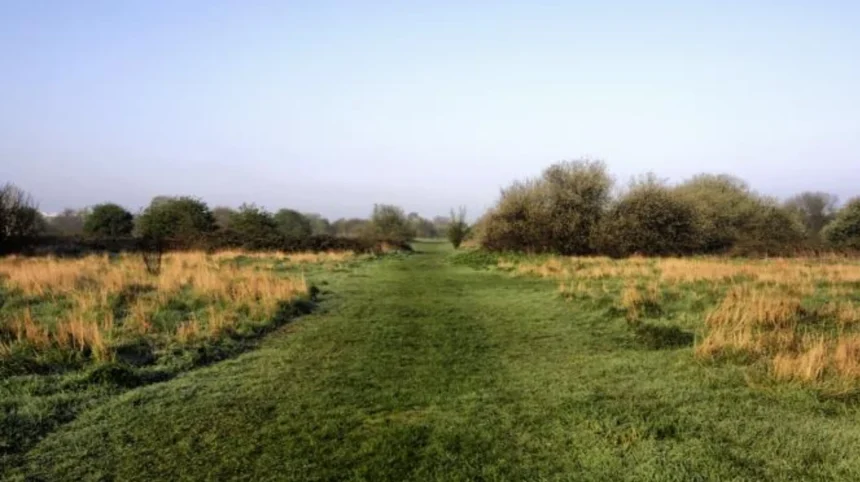
Hounslow Heath is a historic heathland landscape that preserves open habitats within an urban setting. Heathland traditionally consists of low-growing vegetation, grasses and shrubs growing in relatively nutrient-poor soils. These conditions support plants and animals that struggle to survive in intensively managed grassland.
The heath has historical importance because the wider landscape once formed a much larger area of open land around Hounslow. Urban development reduced the extent of this landscape, making its surviving habitats important for local conservation.
Visitors encounter open spaces, vegetation, trees and paths. Seasonal changes influence the appearance of the heath, with flowering plants, changing grassland conditions and differences in bird activity throughout the year.
Hounslow Heath also demonstrates why heathland requires active management. Without appropriate intervention, scrub and trees gradually spread into open areas. Conservation work maintains the balance between open grassland, heathland vegetation and other habitats.
Visitors should remain on established paths where signs identify sensitive areas. They should also avoid disturbing wildlife and follow local instructions regarding dogs, fires and other activities.
Gunnersbury Triangle Nature Reserve
Location: Chiswick, near Acton and Turnham Green
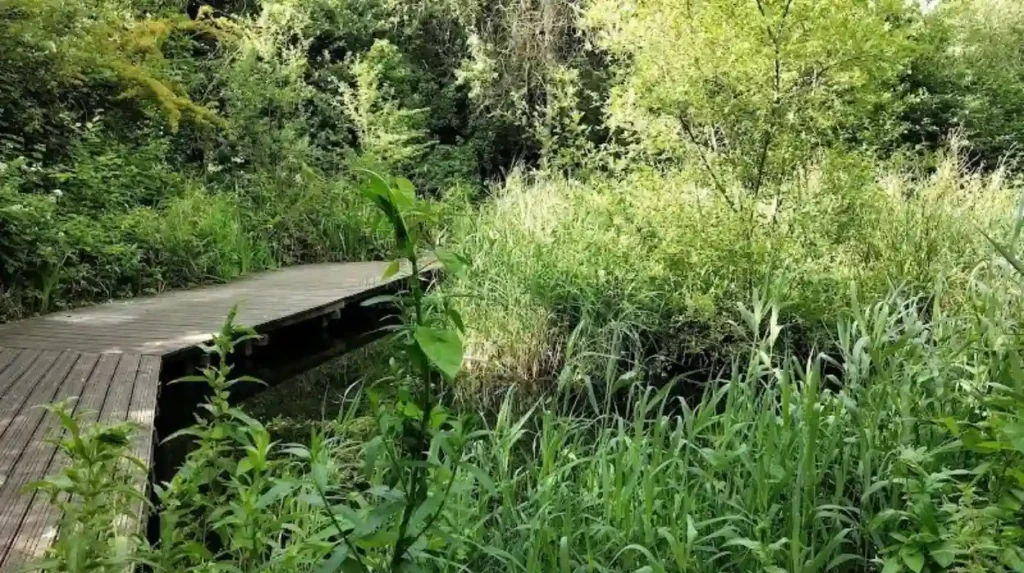
Gunnersbury Triangle Nature Reserve is a woodland and wetland habitat within a densely developed part of West London. The London Wildlife Trust manages the site, which demonstrates how a small urban reserve supports ecological diversity through trees, ponds, damp ground and vegetation.
The reserve has a significant conservation history. In the early 1980s, proposals affecting the site prompted a campaign to protect its natural value. The site subsequently became an important example of urban nature conservation in London.
Its habitats support birds, insects, amphibians and other wildlife. Woodland vegetation creates shaded conditions, while ponds and damp areas provide different resources for species that depend on freshwater environments.
Gunnersbury Triangle also serves as an educational resource. Guided activities and nature-based learning help visitors understand woodland ecology, seasonal changes and the role of urban habitats.
Its relatively enclosed landscape provides a different experience from the open heathland of Hounslow Heath. Visitors should check the London Wildlife Trust’s current access information before travelling because opening arrangements and organised activities can vary.
London Wetland Centre
Location: Barnes, near the River Thames
The London Wetland Centre is a wetland wildlife reserve managed by the Wildfowl and Wetlands Trust, commonly known as WWT. It combines conservation, visitor facilities and environmental education across a landscape designed to support wetland habitats and waterbirds.
The centre occupies a former water-treatment site that was transformed into a wetland reserve. Its development illustrates how previously engineered land can support wildlife when water levels, vegetation and habitat structure receive appropriate management.
Wetland habitats include lakes, ponds, reedbeds and muddy margins. These environments provide food and shelter for waterbirds and support invertebrates that form part of aquatic food webs.
Birdwatching is a major reason to visit. The species observed change according to season, weather, water conditions and migration patterns. Winter often brings different waterbird activity from the spring and summer breeding seasons.
The centre also offers educational resources and visitor facilities. These features make it suitable for families, students, photographers and people learning about wetlands for the first time.
Visitors should consult the official WWT website for admission prices, opening hours, accessible facilities and current wildlife information before planning a trip.
Denham Lock Wood
Location: Denham, near Uxbridge
Denham Lock Wood is a woodland site in the wider Colne Valley landscape, northwest of central West London. The surrounding area contains waterways, wetland habitats, trees and open spaces that form an important part of the region’s natural network.
Woodland habitats support wildlife through a combination of tree cover, undergrowth, leaf litter and decaying timber. These features provide nesting opportunities, shelter and food for different organisms.
The wider Colne Valley includes rivers, lakes, canals and wetland environments. Together, these features support a range of wildlife and connect natural areas across the boundary between Greater London and Buckinghamshire.
Visitors exploring the Denham area should distinguish individual nature reserves from the wider countryside. Public access, permitted activities and path conditions differ between sites. Checking the relevant land manager’s guidance helps avoid accidental entry into restricted areas.
Denham Lock Wood is particularly relevant to people interested in woodland walks and the relationship between trees, waterways and the wider landscape.
Yeading Brook Meadows
Location: Hayes and the surrounding Hillingdon area
Yeading Brook Meadows is a valuable natural area associated with the Yeading Brook and the wider network of green spaces in northwest London. Its meadow and riverside habitats contribute to local biodiversity and help maintain ecological connections across an urban landscape.
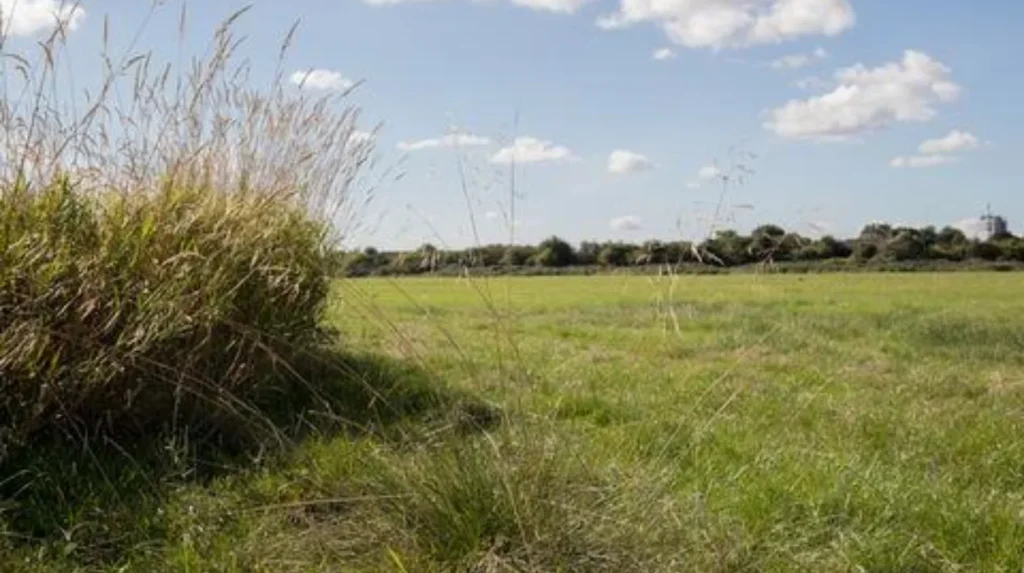
Meadows support flowering plants, grasses and insects when vegetation management allows diverse plant communities to develop. Riverside environments add further habitat variation through damp soils, stream margins and vegetation near the water.
The Yeading Brook forms part of the local waterway network, linking natural spaces that would otherwise be separated by housing and roads. These connections are important for wildlife that moves between feeding areas, shelter and breeding sites.
Seasonal conditions influence meadow habitats. Flowering plants attract pollinators during warmer months, while changes in vegetation structure affect the availability of shelter and food.
Visitors should follow designated paths and respect signs around waterways and sensitive vegetation. The condition of riverbanks and grassland changes throughout the year, so suitable footwear is useful after rainfall.
What Wildlife Can You See in West London Nature Reserves?
West London nature reserves support birds, mammals, amphibians, insects and native plants. Examples include waterbirds at the London Wetland Centre, woodland wildlife at Gunnersbury Triangle, pollinating insects in meadows, and species adapted to the open habitats of Hounslow Heath.
Wildlife observations depend on habitat conditions, season, weather and visitor activity. No single reserve supports every species, and the presence of a species in a wider region does not guarantee a sighting at a particular site.
Which Birds Live in West London Nature Reserves?
Wetlands, woodlands, grasslands and waterways support different bird communities. Wetland birds use open water, muddy margins and reedbeds for feeding, resting and nesting. Woodland birds rely on trees, shrubs and insects found among vegetation.
The London Wetland Centre is a recognised destination for observing waterbirds. Depending on the season and local conditions, visitors encounter ducks, geese, waders and other wetland-associated birds.
Wooded reserves support birds that feed among branches, search for insects in tree bark or nest in sheltered vegetation. Open heathland and meadow habitats provide different feeding opportunities for birds adapted to grassland and scrub.
Birdwatchers should carry binoculars, observe from public paths and avoid approaching nests. Disturbing breeding birds can cause adults to abandon feeding opportunities or expose young birds to danger.
Which Mammals and Amphibians Inhabit Local Reserves?
Mammals use natural areas for shelter, feeding and movement. Foxes and small mammals occupy a range of urban habitats, while bats use suitable roosting locations and forage for insects along waterways, woodland edges and open spaces.
Amphibians, including frogs and newts where suitable populations occur, depend on freshwater breeding sites and surrounding terrestrial habitat. Ponds provide breeding opportunities, while damp vegetation and sheltered ground support other parts of their life cycles.
The presence of suitable habitat does not establish that a particular species lives at every reserve. Reliable records from conservation organisations and site managers provide stronger evidence than assumptions based on landscape appearance.
Visitors should never handle wildlife unnecessarily. Amphibians have sensitive skin, and disturbing animals can cause stress or damage their protective surfaces.
Why Are Insects and Wildflowers Important?
Insects form essential parts of many food webs. Bees, hoverflies, butterflies and other pollinators transfer pollen between flowers, helping plants reproduce. Other insects break down organic matter or provide food for birds, amphibians and mammals.
Wildflower-rich meadows support these relationships by supplying nectar, pollen and vegetation at different times of the year. Woodland floors and damp habitats also support specialised plant and insect communities.
Conservation managers maintain these environments through practices suited to each habitat. Meadow cutting, scrub control, pond management and the removal of invasive plants help maintain ecological conditions.
Visitors contribute by avoiding the collection of wildflowers, remaining on paths where required and refraining from releasing non-native plants or animals into ponds and waterways.
When Is the Best Time to Visit Nature Reserves in West London?
Nature reserves in West London offer different wildlife experiences throughout the year. Spring brings nesting activity and emerging flowers, summer supports pollinators and active vegetation, autumn reveals seasonal changes, and winter provides opportunities to observe resident and visiting waterbirds.
The best time to visit depends on the habitat and your interests. Wildlife activity changes with temperature, rainfall, daylight hours and seasonal migration. Each season offers different conditions for walking, photography and nature observation.
Spring Wildlife and Wildflowers
Spring brings longer days, flowering plants and increased bird activity. Woodland vegetation develops, and insects become more active as temperatures rise. Wetland reserves provide opportunities to observe seasonal changes in waterbird behaviour.
Visitors should exercise particular care during the bird breeding season. Staying on designated paths and following temporary restrictions helps protect nests and young wildlife.
Summer Walking and Wildlife Photography
Summer provides longer daylight hours and opportunities to explore open habitats. Meadow flowers attract pollinating insects, while woodland can offer shade during warmer weather.
Early mornings often provide quieter conditions for wildlife observation. Visitors should carry drinking water, use sun protection and check local weather forecasts before longer walks.
Autumn Colours and Changing Habitats
Autumn brings falling leaves, changing vegetation and cooler walking conditions. Woodland paths reveal seasonal colour, while wetland habitats begin to reflect changes in bird movements.
This season also provides opportunities to observe seeds, berries and other natural food sources. Visitors should avoid collecting plants or disturbing wildlife for photographs.
Winter Birdwatching and Wetland Visits
Winter offers useful opportunities to observe waterbirds at suitable wetland sites. Seasonal visitors join resident species, although the birds present depend on weather and water conditions.
Cold and wet weather affects path conditions and opening arrangements. Checking current access information before travelling helps visitors plan a comfortable and safe visit.
How Can You Reach Nature Reserves in West London?
West London nature reserves are accessible through a combination of public transport, walking and cycling, although transport links differ between individual sites. Visitors should check the nearest station, bus route, entrance location, parking arrangements and accessibility information before setting out.
West London has an extensive public transport network, but the closest station is not always beside a reserve entrance. Some sites require an additional walk through residential streets, parks or countryside paths.
Travelling by Train and Underground
Rail and Underground services connect several West London neighbourhoods with surrounding districts. The most suitable route depends on the reserve’s precise entrance and the station being used.
For example, visitors to Gunnersbury Triangle should check routes serving the Chiswick and Gunnersbury area. People visiting the London Wetland Centre should plan for the journey to Barnes and the onward walk to the entrance.
Hounslow Heath has access points around the surrounding neighbourhood, so the correct destination matters when planning a route. Denham and the Colne Valley require separate checks because transport options differ from those in central West London.
Use Transport for London journey planning and National Rail information to verify current services, disruptions and accessible connections.
Walking and Cycling to Nature Reserves
Walking and cycling provide practical ways to reach some local reserves, particularly when they connect with residential streets, parks or existing cycle routes.
Before cycling, check whether bicycles are permitted inside the reserve. Some sensitive wildlife sites restrict cycling to protect visitors, vegetation and habitats.
Walking routes also differ in surface and gradient. Natural paths contain mud, exposed roots and uneven ground, while surfaced paths generally offer more predictable conditions. Recent rainfall affects accessibility, particularly around meadows and waterways.
What Should Visitors Know About Parking and Accessibility?
Parking arrangements vary between nature reserves. Some destinations provide visitor parking, while others rely on nearby public parking or public transport. Parking restrictions in surrounding residential streets also apply.
Accessibility depends on entrance design, path surfaces, gradients, gates and facilities. A reserve described as accessible does not necessarily offer step-free access throughout every habitat.
Visitors with mobility requirements should check official site information before travelling. The London Wetland Centre provides visitor facilities, while smaller reserves can have more limited infrastructure.
What Rules Should Visitors Follow in West London Nature Reserves?
Visitors should protect wildlife by staying on permitted paths, avoiding litter, keeping a respectful distance from animals and following site-specific rules. Examples include observing dog restrictions, respecting breeding-season closures, avoiding unauthorised fires and following guidance around ponds and waterways.
Nature reserves are managed to balance public access with the protection of sensitive habitats. Rules differ according to ownership, conservation objectives and local conditions.
Responsible behaviour reduces disturbance and helps maintain the ecological quality of these sites.
How Should Visitors Behave Around Wildlife?
Wild animals need space to feed, rest, breed and escape from threats. Approaching birds, chasing animals or playing recorded bird calls can interfere with natural behaviour.
Photographers should use suitable camera equipment rather than moving closer to sensitive species. Binoculars and telephoto lenses allow observation without unnecessary disturbance.
Feeding wildlife is also inappropriate unless the site manager explicitly permits a particular activity. Human food can be unsuitable for wild animals and can attract pests.
Are Dogs Allowed in Nature Reserves?
Dog access depends on the reserve and the rules established by its manager. Some sites permit dogs on leads, while others restrict access to certain areas or prohibit dogs entirely.
Visitors should check the rules before travelling rather than assuming that every nature reserve follows the same policy. Keeping dogs under control protects nesting birds, small mammals and other wildlife.
Owners should also remove dog waste and use designated paths where required.
How Can Visitors Reduce Environmental Damage?
Visitors can reduce their impact by taking rubbish home, avoiding damage to plants and following signs around sensitive habitats. Disposable packaging, plastic and food waste should never be left behind.
Picking flowers, removing branches and introducing non-native species can damage the ecological balance of a reserve. Even small actions become significant when repeated across busy public spaces.
Following official guidance helps preserve these sites for future visitors and wildlife.
How Are Nature Reserves in West London Managed and Protected?
Nature reserves are protected through habitat management, wildlife monitoring, public education and planning measures. Organisations such as the London Wildlife Trust, Wildfowl and Wetlands Trust, local authorities and other land managers maintain suitable conditions for wildlife while regulating activities that threaten sensitive habitats.
Nature conservation requires ongoing work. Habitats change naturally, while pollution, invasive species, development and recreational pressure create additional challenges.
Management plans establish conservation priorities and guide decisions about vegetation, water levels, access and wildlife protection.
What Role Do Conservation Organisations Play?
Conservation organisations manage land, conduct wildlife surveys and deliver educational programmes. Their work includes restoring habitats, maintaining paths, controlling invasive species and encouraging responsible public access.
The London Wildlife Trust manages sites including Gunnersbury Triangle Nature Reserve. WWT operates the London Wetland Centre, combining wetland conservation with visitor education and wildlife observation.
Local authorities also protect important natural areas through land management, planning policies and partnerships with environmental organisations.
Why Is Habitat Restoration Necessary?
Habitat restoration improves environmental conditions where natural systems have deteriorated. Projects include restoring ponds, increasing native vegetation, improving meadow diversity and removing invasive plants.
Restoration methods depend on the habitat. Wetland projects require suitable water conditions, while meadow restoration depends on soil characteristics, plant communities and appropriate cutting or grazing practices.
Monitoring helps conservation managers assess whether interventions achieve their objectives. Wildlife records, vegetation surveys and water-quality measurements provide evidence of changes over time.
How Does Urban Development Affect Nature Reserves?
Urban development places pressure on habitats through land conversion, noise, artificial lighting, pollution and increased recreational use. Roads and buildings also interrupt ecological connections between green spaces.
Planning protections and habitat management help reduce these effects, although their success depends on implementation and long-term monitoring.
Maintaining links between reserves, parks, waterways and other green spaces supports wildlife movement. This connected approach is particularly important in West London, where natural habitats exist within a heavily developed metropolitan area.
Explore More Area Guide
Wildlife in West London: Parks, Nature Reserves and Native Species
West London Through the Decades: History and Transformation
How Can Residents Help Protect West London Nature Reserves?
Residents can support West London’s nature reserves through responsible visits, volunteering, wildlife recording and environmentally sensitive gardening. Examples include joining conservation workdays, recording bird sightings, planting suitable native flowers and reporting damaged habitats or dumped waste to the relevant land manager.
Community participation helps conservation organisations understand local environmental changes and maintain public support for protected spaces.
Residents do not need specialist training to contribute. Simple actions, carried out responsibly, help protect wildlife and improve awareness of local habitats.
Volunteering and Citizen Science
Volunteering opportunities include practical habitat management, visitor assistance, educational activities and wildlife monitoring. Availability depends on the organisation, reserve and season.
Citizen science involves members of the public collecting observations that contribute to scientific understanding. Bird counts, butterfly records and seasonal plant observations help researchers and conservation managers track changes in wildlife populations.
Participants should use established recording schemes and follow their identification and reporting guidance. Accurate records are more useful than unverified sightings.
Supporting Wildlife Beyond Reserve Boundaries
Gardens, balconies, school grounds and community spaces can provide additional resources for wildlife. Native flowering plants supply nectar and pollen, while suitable shrubs provide shelter and nesting opportunities.
Residents can also reduce unnecessary outdoor lighting, avoid pesticides where practical and maintain clean water sources safely. These actions help improve conditions for wildlife beyond formal nature reserves.
However, wildlife-friendly gardening does not replace the need to protect established natural habitats. Existing reserves preserve ecological communities and environmental features that are difficult to recreate in small spaces.
What Is the Future of Nature Reserves in West London?
The future of West London’s nature reserves depends on habitat protection, climate adaptation, ecological connectivity and sustained conservation funding. Sites such as Hounslow Heath, Gunnersbury Triangle and the London Wetland Centre demonstrate why long-term management is essential as urban development and environmental pressures continue.
Climate change affects wildlife through changing temperatures, rainfall patterns, drought risk and seasonal conditions. Wetlands depend on suitable water levels, while woodlands and meadows respond differently to prolonged dry periods and extreme weather.
Conservation planning therefore needs to consider both existing habitats and the environmental conditions required to sustain them.
Ecological connectivity is another priority. Linking natural spaces through waterways, green corridors, hedgerows and suitable vegetation helps wildlife move across developed landscapes.
Public engagement also influences long-term conservation. Residents who understand the value of local habitats are better equipped to support responsible land management and protect green spaces through community involvement.
The future of these reserves also depends on reliable monitoring. Regular surveys help conservation managers identify habitat changes, assess restoration projects and respond to emerging threats.
West London’s nature reserves remain important environmental assets because they protect wildlife within an urban region. Their long-term value depends on maintaining suitable habitats, managing visitor pressure and ensuring that conservation remains part of local planning and environmental policy.
Visiting these sites provides opportunities to discover the area’s natural history while understanding the work required to protect it. From the heathland of Hounslow Heath to the woodland of Gunnersbury Triangle and the wetlands of Barnes, each reserve contributes to West London’s ecological diversity.
Responsible access, informed conservation and sustained community participation help ensure that these natural spaces continue to support wildlife and provide opportunities for future generations to experience the region’s natural environment.
What are the best nature reserves in West London?
Some notable nature reserves in West London include Hounslow Heath, Gunnersbury Triangle Nature Reserve, London Wetland Centre, Denham Lock Wood and Yeading Brook Meadows. They offer different habitats, including heathland, woodland, wetlands and grassland.