Wildlife in West London includes deer, foxes, hedgehogs, bats, waterfowl, woodland birds, butterflies and many other species that inhabit parks, gardens, rivers and nature reserves. The region combines historic royal parks, wetland habitats, suburban green spaces and waterways that support biodiversity within one of the United Kingdom’s largest urban areas.
- What wildlife lives in West London?
- Which parks in West London are best for seeing wildlife?
- Where are the best nature reserves in West London?
- What animals can visitors see in Richmond Park?
- Which birds can you spot in West London?
- When is the best time to see wildlife in West London?
- How do West London’s rivers and wetlands support wildlife?
- How does urban development affect wildlife in West London?
- Which native plants help wildlife thrive in West London?
- How can residents attract wildlife to West London gardens?
- What wildlife conservation projects protect West London’s biodiversity?
- How can visitors watch wildlife responsibly in West London?
- What is the future of wildlife in West London?
West London’s wildlife habitats range from the grasslands of uk/local/richmond-upon-thames/richmond/">Richmond Park to the wetlands of the London Wetland Centre and the riverbanks of the Thames. These environments provide food, shelter and breeding grounds for wildlife throughout the year. Their ecological value depends on habitat quality, water availability, vegetation, responsible public access and conservation management.
Understanding wildlife in West London helps residents and visitors identify native species, explore local nature reserves and protect the habitats that sustain urban biodiversity.
What wildlife lives in West London?
West London supports a wide range of wildlife, including red and fallow deer, red foxes, grey squirrels, hedgehogs, bats, kingfishers, herons and waterfowl. Species distribution depends on habitat type, food availability, human activity and seasonal conditions across parks, wetlands, gardens and river corridors.
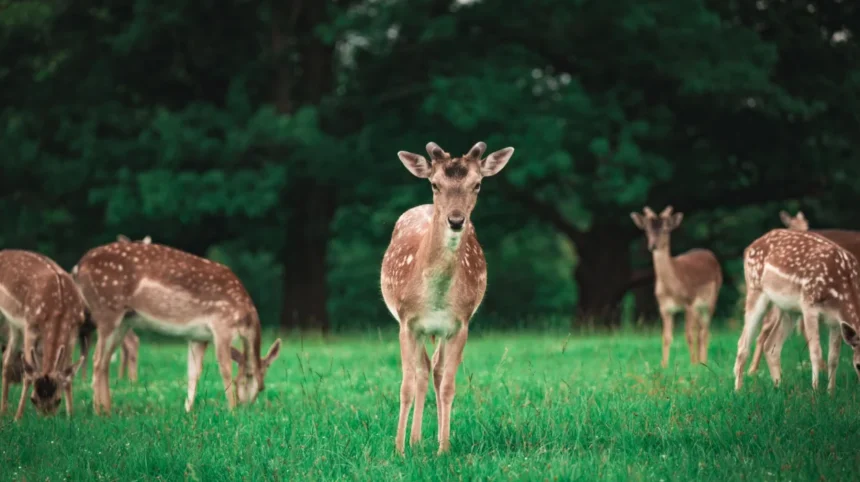
Mammals are among the most recognisable animals in West London. Richmond Park supports large populations of deer, while foxes and grey squirrels inhabit residential streets, gardens and public green spaces. Hedgehogs use connected gardens, hedgerows and areas with suitable ground cover.
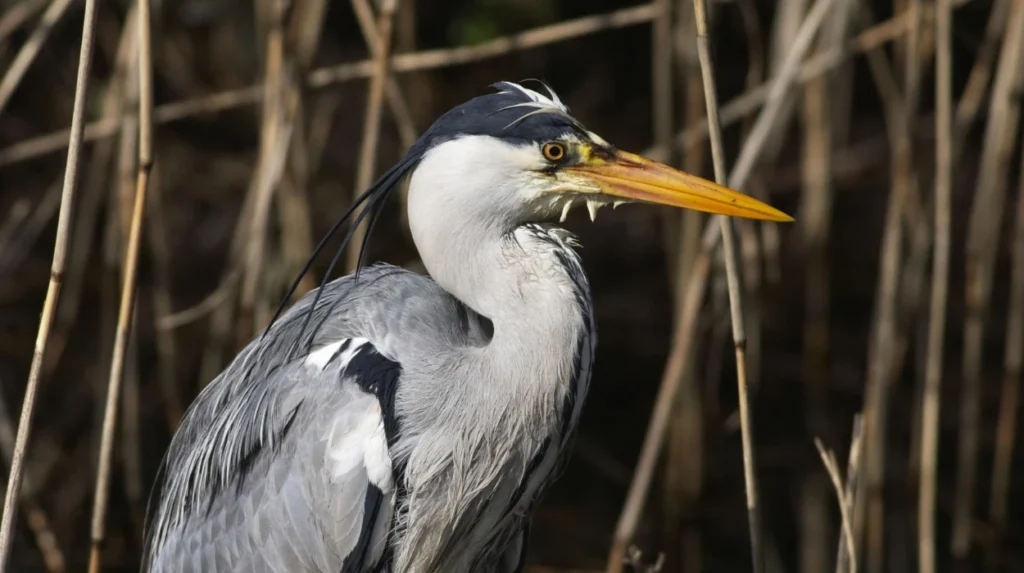
Birdlife is equally varied. Parks and gardens attract robins, blackbirds, blue tits, great tits and woodpigeons. Wetlands and rivers provide habitat for mallards, mute swans, coots, moorhens and grey herons. Kingfishers occupy suitable stretches of waterways where small fish are available.
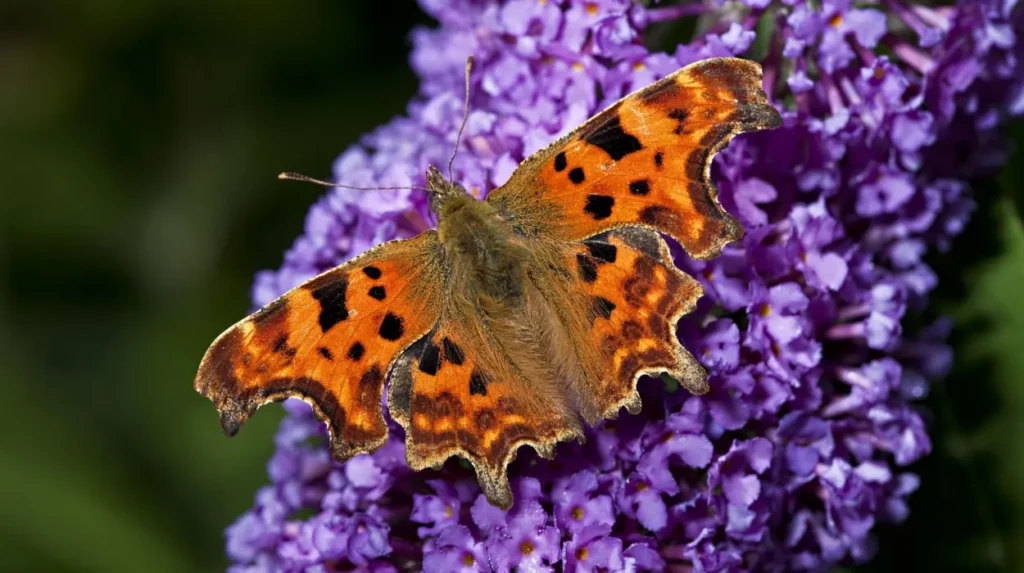
West London also supports amphibians, reptiles and invertebrates. Frogs, common toads and newts inhabit suitable ponds and wetland environments. Butterflies, bees, beetles and other insects depend on flowering plants, mature trees, deadwood and undisturbed vegetation.
The presence of these species reflects the ecological importance of urban green infrastructure. Parks, gardens, waterways and nature reserves function as interconnected habitats rather than isolated patches of greenery.
Which parks in West London are best for seeing wildlife?
Richmond Park, Bushy Park, Gunnersbury Park and Osterley Park provide opportunities to observe wildlife in West London. Each location has a different combination of grassland, woodland, ponds and mature trees, supporting mammals, birds and invertebrates across varied natural environments.
Richmond Park
Richmond Park is one of London’s most important wildlife destinations. Managed by The Royal Parks, it covers approximately 2,500 acres and is a National Nature Reserve, Site of Special Scientific Interest and European Special Area of Conservation.
The park is particularly famous for its red and fallow deer. These free-roaming animals form a central part of its landscape and historical identity. Visitors also encounter woodland birds, insects, bats and mammals that occupy its grasslands and wooded areas.
Richmond Park contains ancient trees and veteran oak woodland that provide habitats for specialist insects, fungi and other organisms. Its long-established landscape supports biodiversity that is difficult to recreate in younger urban parks.
Visitors must keep at least 50 metres from deer, avoid feeding them and follow seasonal restrictions. Deer become particularly sensitive during the autumn rut and spring birthing season.
Bushy Park
Bushy Park, near Hampton Court Palace, covers approximately 1,100 acres and is also managed by The Royal Parks. Its landscapes include grassland, woodland, waterways and the historic Longford River.
The park supports red and fallow deer, waterbirds, woodland birds and numerous invertebrates. Its open grasslands offer clear views of deer, while ponds and watercourses attract ducks, geese and other wetland species.
Bushy Park also contains veteran trees and habitats associated with historic parkland management. These features provide food and shelter for organisms that depend on old trees, deadwood and mature woodland structures.
Visitors should observe deer from a safe distance and avoid approaching animals for photographs.
Gunnersbury Park
Gunnersbury Park, located between Ealing and Hounslow, combines landscaped grounds, mature trees, lakes and open green spaces.
The park provides habitat for waterfowl, songbirds, squirrels and insects. Its lakes attract birds that depend on freshwater environments, while mature trees offer nesting and feeding opportunities for woodland species.
Gunnersbury Park also provides an accessible setting for residents who want to observe common urban wildlife without travelling to a large nature reserve.
Osterley Park
Osterley Park and House, managed by the National Trust, contains historic parkland, woodland, lakes and open grassland near Isleworth.
Its habitats support waterbirds, garden birds, mammals and invertebrates. The park’s mixture of formal landscapes and less intensively managed areas provides different feeding and shelter opportunities for wildlife.
Visitors can combine nature observation with walks around the historic estate. Staying on designated paths and avoiding disturbance around lakes helps protect sensitive habitats.
Where are the best nature reserves in West London?
The London Wetland Centre, Brent Lodge Park and other protected green spaces provide important wildlife habitats across West London. These sites conserve wetlands, grasslands, woodland and freshwater environments, allowing visitors to observe birds and other species while learning about biodiversity and habitat protection.
London Wetland Centre
The London Wetland Centre in Barnes is a major urban wetland reserve managed by the Wildfowl and Wetlands Trust (WWT). It covers approximately 105 acres and occupies the site of former reservoirs.
The reserve includes lakes, reedbeds, marshes, ponds and carefully managed wetland habitats. These environments attract waterbirds and support amphibians, insects and other wildlife associated with freshwater ecosystems.
Birdwatchers can look for species such as herons, kingfishers, ducks, geese and wading birds. The species present change throughout the year as resident birds breed and migratory birds arrive or depart.
The reserve also demonstrates how restored wetlands support urban biodiversity. Wetlands provide feeding grounds, breeding habitats and shelter while helping retain water and support ecological processes.
Visitor hides and designated paths provide opportunities to observe wildlife without entering sensitive areas.
Brent Lodge Park
Brent Lodge Park in Hanwell includes landscaped green space, trees, ponds and areas connected to the wider Brent River environment.
The park supports common urban birds, squirrels, insects and other wildlife associated with riverside vegetation and mature trees. Its proximity to the Brent River makes it part of a broader green corridor through West London.
River corridors help wildlife move between habitats. Trees, shrubs and grassland along waterways provide cover and food for birds and small mammals.
Local wetlands and river corridors
West London contains additional wildlife habitats around the River Brent, the Grand Union Canal and smaller ponds and waterways.
These environments support waterbirds, fish, aquatic invertebrates and terrestrial species that use waterside vegetation. Their ecological value depends on water quality, bank management, vegetation cover and the availability of undisturbed spaces.
Not every stretch of river or canal is a designated nature reserve. Nevertheless, waterways contribute to urban biodiversity by connecting otherwise separated green spaces.
What animals can visitors see in Richmond Park?
Richmond Park is best known for its red and fallow deer, but its wildlife also includes foxes, squirrels, bats, birds and numerous invertebrates. The park’s grasslands, ancient trees, scrub and ponds create habitats that support different species throughout the year.
Red deer are the largest land mammals commonly associated with the park. Stags develop antlers, which are shed and regrown annually. The autumn rut is a major part of their reproductive cycle, when males compete for access to females.
Fallow deer are also widespread in the park. They typically have a lighter build than red deer and often display spotted coats, although coat colour varies. Both species roam freely across the landscape.
Grey squirrels occupy woodland and parkland, feeding on nuts, seeds and other available foods. Red foxes use the park’s varied vegetation for shelter and hunting. Bats feed on flying insects, particularly around suitable feeding grounds and waterways.
The park’s birdlife includes woodland and grassland species. Woodpeckers use mature trees, while robins and blackbirds forage in vegetation and leaf litter. Birds of prey occur in the wider London landscape, with sightings depending on location and season.
Richmond Park’s ancient trees are especially important for biodiversity. Hollow trunks, cavities, deadwood and decaying branches create microhabitats for fungi, insects and other organisms.
Visitors must remember that the deer are wild animals. Approaching, feeding or attempting to touch them creates risks for both people and wildlife. Dogs must be controlled in accordance with park rules, particularly during sensitive deer seasons.
Which birds can you spot in West London?
Birds in West London include robins, blackbirds, blue tits, great tits, woodpigeons, mallards, mute swans, grey herons and kingfishers. The species observed at any location depend on vegetation, water availability, food supplies, nesting opportunities and seasonal migration.
Garden and woodland birds
Residential gardens, parks and wooded areas provide habitat for many familiar British birds.
Robins forage on the ground and use shrubs for shelter. Blackbirds search for earthworms and other invertebrates in lawns and leaf litter. Blue tits and great tits feed among branches and foliage, often searching for insects and seeds.
Woodpigeons are common in parks, gardens and streets. Their flexible diet and ability to use trees, buildings and open ground help them thrive in urban environments.
Woodpeckers benefit from mature trees containing insects and suitable nesting cavities. Parks with established woodland offer better conditions for these species than areas dominated by recently planted trees.
Wetland birds
The London Wetland Centre, park lakes and rivers provide habitat for ducks, geese, swans, coots, moorhens and herons.
Mallards feed in shallow water and along pond edges. Mute swans use lakes, rivers and other freshwater environments. Grey herons hunt fish and other small aquatic animals in suitable shallow water.
Kingfishers depend on waterways containing accessible fish and suitable perches. Clear views of the water and natural or appropriately managed banks improve feeding opportunities.
Seasonal and migratory birds
Bird populations change during the year. Some species remain in West London throughout the seasons, while others migrate between breeding and wintering grounds.
Wetland reserves can attract visiting waterbirds during migration and winter. Woodland habitats also support seasonal changes in bird activity as breeding, feeding and movement patterns shift.
Birdwatchers should use binoculars, remain quiet near nesting areas and avoid approaching nests. Recording sightings through established citizen-science platforms helps researchers understand changes in species distribution.
When is the best time to see wildlife in West London?
Early morning and late afternoon often provide good opportunities to observe wildlife in West London. Spring and summer support breeding activity and insect life, while autumn brings deer rutting behaviour and changing bird movements. Winter offers clearer views through deciduous woodland and opportunities to observe waterbirds.
Spring is an important season for nesting birds, emerging insects and renewed plant growth. Wetland vegetation develops, and many birds become more active as they establish territories and raise young.
Summer provides longer daylight hours and abundant insect activity. Butterflies, bees and other pollinators visit flowering plants, while young birds begin exploring habitats around their nesting sites.
Autumn is notable for the deer rut in Richmond Park and Bushy Park. Visitors should observe from a distance because male deer become more territorial during this period. Autumn also brings changes in foliage, seed availability and bird movement.
Winter offers a different wildlife experience. Trees lose their leaves, making some birds easier to see. Wetland reserves also attract seasonal visitors, although cold weather and reduced daylight affect wildlife activity.
Weather, disturbance and local conditions influence sightings throughout the year. Quiet observation and repeated visits improve the chances of identifying different species.
How do West London’s rivers and wetlands support wildlife?
Rivers, canals, lakes and wetlands support West London wildlife by providing water, food, breeding sites and movement corridors. These habitats sustain aquatic organisms, waterbirds, insects and mammals while linking green spaces across developed neighbourhoods and reducing the isolation of wildlife populations.
The River Thames is a major ecological feature of West London. Its tidal and freshwater-influenced reaches support fish, waterbirds and other organisms adapted to changing water conditions. Riverside vegetation provides additional shelter and feeding opportunities.
The River Brent and associated waterways connect neighbourhoods and green spaces. Their banks support vegetation used by birds, insects and small mammals. Watercourses also allow some species to move between feeding grounds and shelter.
The Grand Union Canal creates another linear habitat. Aquatic plants, waterside shrubs and trees support insects and birds, although heavily modified banks and boat activity influence the suitability of individual stretches.
Wetlands provide ecological functions beyond wildlife observation. They retain water, support nutrient cycling and provide habitats for species that require shallow water or saturated soils. Reedbeds and other wetland vegetation create shelter and feeding opportunities for invertebrates, amphibians and birds.
Water quality is essential. Pollution, litter, invasive species and changes to riverbanks reduce habitat quality. Conservation programmes therefore focus on maintaining clean water, protecting vegetation and improving connections between habitats.
How does urban development affect wildlife in West London?
Urban development affects wildlife in West London through habitat loss, fragmentation, pollution, traffic and changes in vegetation. Parks, gardens, waterways and protected nature reserves help reduce these pressures by providing food, shelter, nesting sites and routes for wildlife movement through built-up neighbourhoods.
Housing, roads and commercial development replace or divide natural habitats. When green spaces become isolated, animals face greater difficulty moving between feeding grounds, breeding sites and shelter.
Road traffic creates direct risks for mammals, amphibians and birds. Artificial lighting affects nocturnal species, including bats and insects, by changing feeding conditions and movement patterns.
Air and water pollution also influence ecological health. Contaminants affect plants and aquatic organisms, while litter can entangle animals or be swallowed by birds and mammals.
Intensively managed green spaces often provide fewer habitat features than areas with varied vegetation. Closely cut lawns, limited shrubs and the removal of deadwood reduce food and shelter for many species.
Urban green infrastructure helps counter these effects. Connected parks, tree-lined streets, vegetated riverbanks and wildlife-friendly gardens improve habitat availability. However, these spaces require suitable management to deliver lasting ecological benefits.
Which native plants help wildlife thrive in West London?
Native plants such as hawthorn, blackthorn, oak, hazel and field maple provide food and shelter for wildlife in West London. Their leaves, flowers, fruits, seeds and woody structures support insects, birds and mammals, while native flowering plants supply nectar and pollen to bees and butterflies.
Oak trees support numerous insect species and provide cavities for nesting birds and roosting bats. Mature trees also create deadwood habitats for beetles, fungi and other decomposers.
Hawthorn and blackthorn form dense hedges that provide shelter and nesting opportunities for birds. Their flowers support pollinating insects, while their fruits provide food for birds and small mammals.
Hazel produces nuts consumed by wildlife, and field maple contributes foliage, seeds and structural diversity to woodland edges and hedgerows.
Wildflowers such as knapweed, bird’s-foot trefoil and oxeye daisy provide nectar and pollen when they flower. Planting a range of species with different flowering periods extends food availability across the growing season.
Gardeners can support wildlife by retaining mature trees, planting mixed hedges and reducing pesticide use. Leaving some areas of vegetation undisturbed also creates shelter for insects and other small organisms.
Plant selection should reflect local conditions, including soil type, shade, moisture and available space. Invasive non-native plants require careful management where they threaten local habitats.
How can residents attract wildlife to West London gardens?
Residents can attract wildlife by planting flowering species, providing fresh water, retaining native shrubs and reducing pesticide use. Gardens with varied vegetation, shelter, nesting opportunities and connected boundaries support birds, pollinators, hedgehogs and other urban wildlife while contributing to biodiversity across residential neighbourhoods.
A wildlife-friendly garden contains several habitat features rather than a single type of planting. Trees and shrubs provide shelter, while flowering plants support pollinators and seed-producing plants feed birds.
A shallow water source offers drinking and bathing opportunities. It should have gently sloping or rough edges that allow small animals to climb out safely. Water containers require regular cleaning and replenishment.
Hedges and gaps beneath garden fences improve habitat connectivity. Hedgehogs travel between gardens while searching for food and nesting sites. Small access gaps help them move through residential areas without crossing additional roads.
Compost heaps and undisturbed corners provide shelter for invertebrates and other small organisms. Fallen leaves also support decomposers and offer cover for animals seeking winter shelter.
Artificial lighting should be limited where possible, especially near trees, hedges and waterways used by bats. Bright night lighting disrupts the natural darkness that many nocturnal species depend on.
Residents should avoid feeding wildlife unsuitable food. Bread, salty snacks and processed foods do not provide appropriate nutrition for many wild animals. Feeding waterfowl also creates water-quality problems when uneaten food accumulates.
What wildlife conservation projects protect West London’s biodiversity?
Wildlife conservation in West London involves habitat protection, species monitoring, wetland restoration and public education. Organisations such as The Royal Parks, the National Trust, the Wildfowl and Wetlands Trust and local conservation groups manage habitats, monitor wildlife and encourage responsible access to natural spaces.
The Royal Parks manages Richmond Park and Bushy Park, where conservation work protects historic landscapes, deer populations, veteran trees and other habitats. Maintaining these environments requires balancing public recreation with wildlife protection.
The Wildfowl and Wetlands Trust operates the London Wetland Centre in Barnes. Its work demonstrates how wetlands support biodiversity and provide opportunities for environmental education.
The National Trust manages Osterley Park and House, preserving historic landscapes and their associated natural features. Landscape management supports the continued use of the estate by birds, mammals and invertebrates.
Local wildlife groups contribute through habitat restoration, guided walks, species surveys and community projects. Citizen-science records provide information about distribution and seasonal changes when observations are collected consistently.
Conservation work also depends on public behaviour. Keeping dogs under control, respecting temporary closures, avoiding nests and removing litter reduce disturbance to sensitive habitats.
Long-term monitoring helps identify ecological changes. Records of hedgehogs, bats, butterflies and birds contribute to understanding how urbanisation, climate change and habitat management influence wildlife populations.
Explore More Area Guide
West London Through the Decades: History and Transformation
Historical Events in West London: Key Moments and Landmarks
How can visitors watch wildlife responsibly in West London?
Responsible wildlife watching requires maintaining distance, avoiding feeding or touching animals, staying on permitted paths and respecting seasonal restrictions. These practices reduce stress, protect breeding habitats and help visitors observe wildlife without damaging vegetation or creating unnecessary risks for people and animals.
Visitors should use binoculars or camera zoom rather than approaching animals. Close contact changes natural behaviour and can force wildlife to abandon feeding or resting sites.
Deer require particular caution in Richmond Park and Bushy Park. Visitors should keep at least 50 metres away, never feed deer and follow official guidance during the rut and birthing seasons.
Dogs should remain under effective control. In designated areas, leads or additional seasonal restrictions apply. Visitors should check the relevant park’s current rules before arriving.
Birdwatchers should avoid disturbing nests, entering reedbeds or playing loud bird calls near sensitive locations. Flash photography and repeated approaches also create unnecessary disturbance.
Litter should be removed or placed in appropriate bins. Fishing line, plastic packaging and food waste create hazards for birds and other animals.
Visitors should follow signs indicating protected habitats, temporary closures and restricted access. Nature reserves often manage visitor movement to protect breeding birds and other sensitive species.
What is the future of wildlife in West London?
The future of wildlife in West London depends on habitat connectivity, clean waterways, climate resilience and effective conservation management. Protecting mature trees, restoring wetlands, improving gardens and maintaining green corridors strengthens biodiversity while helping wildlife adapt to urban development and changing environmental conditions.
Climate change affects seasonal patterns, water availability and habitat suitability. Higher temperatures, altered rainfall and extreme weather influence plants, insects, birds and mammals differently.
Wetland habitats require particular attention because drought and poor water quality reduce suitable feeding and breeding areas. Maintaining healthy waterways and restoring natural vegetation improve resilience.
Mature trees and connected woodland remain important for birds, bats and invertebrates. Protecting established trees preserves habitat features that take decades or centuries to develop.
Urban planning also influences ecological outcomes. Development that retains existing vegetation, incorporates connected green spaces and protects waterways supports wildlife more effectively than isolated landscaping alone.
Community participation contributes to conservation. Residents can record sightings, plant suitable native species, reduce pesticide use and support local habitat projects. Schools and community groups can also use parks and nature reserves for environmental learning.
West London’s wildlife reflects the relationship between urban life and the natural environment. Richmond Park, Bushy Park, the London Wetland Centre, riverside corridors and residential gardens all contribute to the region’s ecological network. Protecting these places preserves habitats for existing species and maintains opportunities for future generations to experience wildlife within the city.
What wildlife can you see in West London?
West London is home to red deer, fallow deer, foxes, grey squirrels, hedgehogs, bats, kingfishers, herons, butterflies and many other species. Wildlife varies by habitat, including parks, gardens, wetlands and rivers.