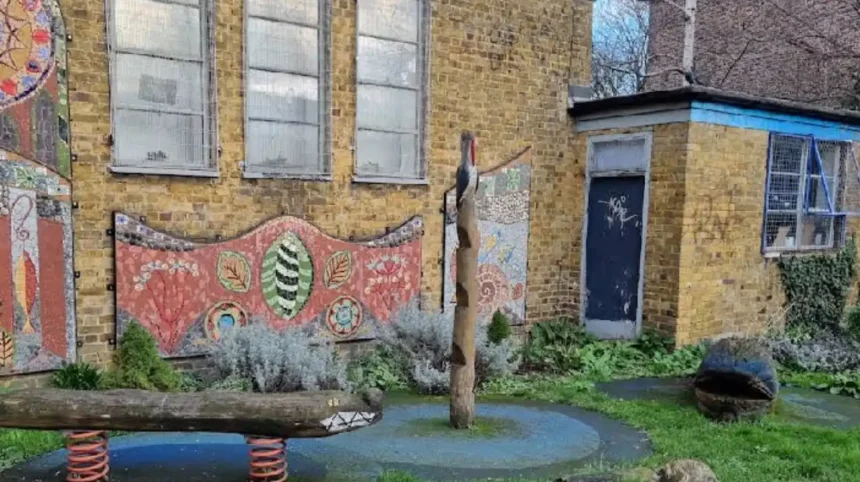
Community gardens in West London provide shared spaces where residents grow vegetables, fruit, herbs and flowers, improve local green spaces, and participate in neighbourhood activities. These gardens operate in residential streets, public parks, housing estates, schools and community-led projects across boroughs including uk/local/ealing/">Ealing, fulham/hammersmith/">hammersmith-and-fulham/">Hammersmith and Fulham, Hounslow, Hillingdon, Kensington and Chelsea, and Richmond upon Thames.
- What Are Community Gardens in West London?
- Why Are Community Gardens Important for West London Neighbourhoods?
- Which Community Garden Projects Can Residents Find in West London?
- Hounslow’s Grow for the Future programme
- Ealing allotments and community growing
- Community gardens in other West London boroughs
- How Does Capital Growth Support Community Gardens Across London?
- How Can Residents Join a Community Garden in West London?
- What Can People Grow in West London Community Gardens?
- How Do Community Gardens Improve Biodiversity and Urban Sustainability?
- How does composting benefit community gardens?
- How can gardens conserve water?
- What role do community gardens play in climate resilience?
- What Does Research Reveal About London’s Community Gardening Movement?
- How Are Community Gardens Managed and Funded?
- How Can Residents Start a New Community Garden in West London?
- What should a site assessment include?
- What permissions and safety arrangements are required?
- How should the garden be planned?
- When Is the Best Time to Visit or Volunteer at a Community Garden?
- What Is the Future of Community Gardens in West London?
Unlike private gardens, community gardens are managed for shared use. Residents, volunteers, charities, housing associations and local authorities contribute to planting, maintenance and decision-making. Some projects focus on food production, while others prioritise biodiversity, outdoor education, wellbeing and environmental improvement.
West London’s community gardening movement connects urban green-space management with food growing, social participation and sustainable neighbourhood development. Understanding how these gardens work helps residents identify local projects, learn about volunteering and explore opportunities to grow food close to home.
What Are Community Gardens in West London?
Community gardens in West London are shared outdoor spaces where residents and local organisations grow plants, produce food and maintain green areas together. They operate on public, residential or community-managed land and support local food growing, environmental education, biodiversity and neighbourhood participation.
A community garden differs from a private garden because its activities benefit a wider group. Participants share responsibility for planting, watering, weeding, composting and maintaining paths or communal facilities. Access arrangements depend on the individual project.
Some gardens allocate individual plots to participating households. Others operate as communal growing spaces where volunteers work together and share the harvest. Educational gardens provide supervised activities for children, schools and community groups.
In West London, community gardens form part of the wider urban green infrastructure. This term describes the connected network of parks, gardens, green corridors, planted streets and other vegetated spaces that support environmental quality within built-up areas.
The scale of a garden depends on its location and purpose. A small garden on a housing estate can accommodate containers, herbs and salad crops. A larger community growing site can support fruit trees, vegetable beds, composting areas and wildlife habitats.
Community gardens also provide practical opportunities for people without private outdoor space. Flats, maisonettes and densely developed neighbourhoods often have limited space for growing food. Shared gardens help residents participate in horticulture without owning land.
Why Are Community Gardens Important for West London Neighbourhoods?
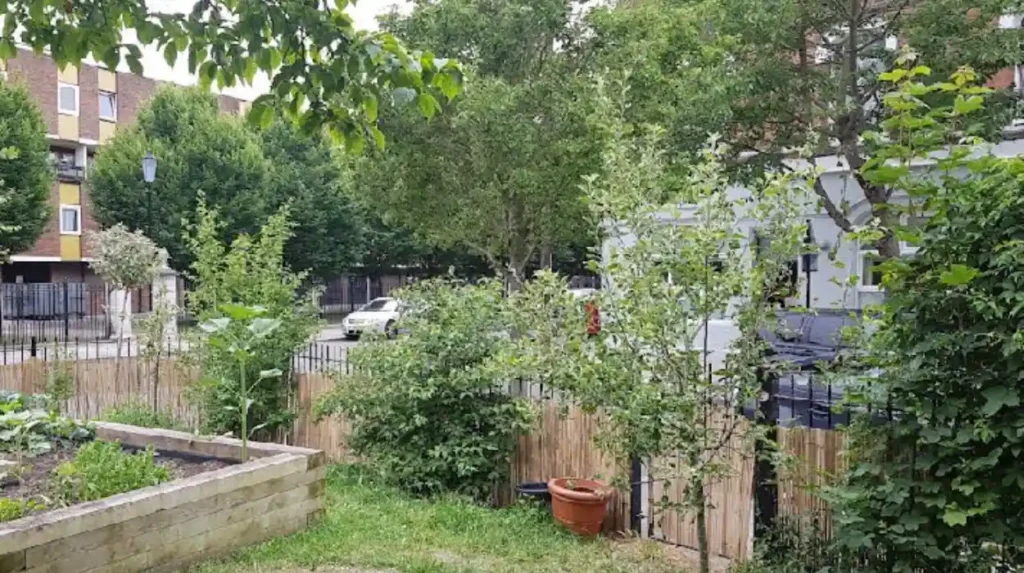
Community gardens contribute to West London neighbourhoods by expanding access to green space, supporting local food growing, creating opportunities for social participation and improving habitats for wildlife. Their value depends on responsible management, suitable planting, reliable water supplies and continued community involvement.
West London contains residential districts, commercial centres, transport corridors, schools and large public parks. The availability of private garden space varies between neighbourhoods and housing types. Community gardens create additional opportunities for residents to participate in outdoor activities.
Food growing is one important benefit. Vegetables such as tomatoes, beans, courgettes and leafy greens can be cultivated in suitable beds or containers. Herbs including mint, parsley and thyme require relatively little space. Fruit bushes and dwarf fruit trees provide further options where growing conditions permit.
Community gardening also develops practical skills. Participants learn how to prepare soil, sow seeds, identify pests, manage compost and harvest crops. These skills are useful for people who want to grow food at home or participate in environmental projects.
Shared gardens create regular opportunities for interaction between neighbours. Volunteer sessions, planting days and harvest activities bring participants together around practical tasks. The strength of these social benefits depends on accessible activities, inclusive management and consistent participation.
Environmental benefits also depend on how gardens are maintained. Flowering plants can provide nectar and pollen for insects. Native plants offer suitable habitats for local wildlife, while composting converts some suitable garden and plant waste into a soil improver.
Community gardens do not replace large public parks or solve every environmental problem. Their contribution is local and complementary. Small gardens distributed across residential areas can increase access to planted spaces and support environmental awareness within everyday neighbourhood settings.
Which Community Garden Projects Can Residents Find in West London?
West London residents can explore council-supported growing projects, community allotments, school gardens and volunteer-led green spaces. Hounslow’s Grow for the Future programme provides a documented example, creating community food-growing sites on council-owned land between 2023 and 2025.
West London’s community gardening opportunities vary by borough. Some projects accept individual volunteers, while others require membership, a formal group or an application for a growing plot.
Hounslow’s Grow for the Future programme
The London Borough of Hounslow established its Grow for the Future programme in 2023. The initiative uses underused council-owned land for community gardens, orchards and allotments.
According to the council, the first phase created seven food-growing sites between 2023 and 2025. These included Lampton Park Community Garden, Westmacott Orchard, Henleys Orchard, Sutton Mews, Van Gogh Close, Faggs Road North and Manor Gardens Community Garden. The sites represent different approaches to community food production, including shared gardens, orchards and allotment growing.
In March 2026, Hounslow announced its Go Forth and Grow for the Future policy. This expands opportunities for community groups, schools and residents to manage underused council-owned land. Its implementation arrangements and available sites should be checked directly with the council.
Ealing allotments and community growing
Ealing Council provides information about allotment sites, cultivation guidance and applications. Allotments are individual or shared plots used to grow fruit, vegetables and flowers. Although an allotment is not automatically a community garden, allotment associations frequently provide opportunities for collective activities and knowledge sharing.
Residents should distinguish between an allotment tenancy and participation in a community-managed garden. Allotments often involve plot fees and individual cultivation responsibilities. Community gardens frequently use shared working sessions and collective maintenance arrangements.
Community gardens in other West London boroughs
Residents in Hammersmith and Fulham, Kensington and Chelsea, Richmond upon Thames and Hillingdon can investigate council parks services, housing associations, local environmental charities and neighbourhood groups.
The presence of public parks does not automatically indicate a community garden within them. A suitable project needs a defined growing area, an identified management organisation and clear participation arrangements.
For accurate local information, begin with the relevant council’s allotment, parks, volunteering or community-development pages. Ask whether the project grows edible crops, accepts new volunteers and provides accessible gardening sessions.
How Does Capital Growth Support Community Gardens Across London?
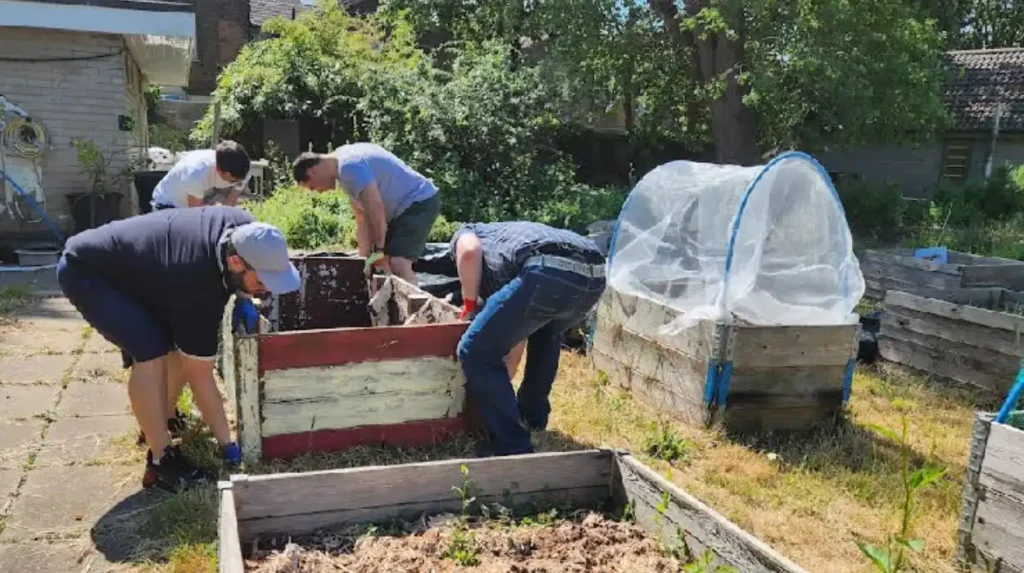
Capital Growth is a London-wide food-growing network established in 2008 by Sustain, the alliance for better food and farming. It connects growing projects with practical guidance, training, networking and resources that help community gardens develop sustainable growing practices.
Capital Growth provides a useful starting point for West London residents who want to discover community food-growing initiatives. Its network includes community gardens, allotments, school growing spaces, farms and individual food-growing projects.
The network originally aimed to help establish 2,012 new community food-growing spaces across London by the end of 2012. It has since expanded its focus to supporting the people who maintain and develop these spaces.
A July 2024 response published by the London Assembly stated that Capital Growth had supported more than 4,000 gardens since its establishment. The network estimated that approximately 1,000 to 1,500 gardens were active at any one time. These figures describe London as a whole, rather than West London alone.
What support does the network provide?
Capital Growth offers members access to resources, training opportunities, networking activities and selected equipment discounts. These resources help gardeners improve their growing methods and learn from other projects.
A community garden can benefit from guidance on composting, soil management, wildlife-friendly planting and volunteer engagement. Shared learning also helps organisers address common challenges, including limited funding, access to land and the retention of volunteers.
Membership of a food-growing network does not automatically guarantee a plot, funding or access to a particular garden. Each local project maintains its own rules and responsibilities.
How Can Residents Join a Community Garden in West London?
Residents can join a West London community garden by identifying a local project, checking its access rules, contacting its organisers and attending an advertised volunteer session. Participation requirements vary between gardens, with some offering open volunteer days and others requiring registration or membership.
The first step is to identify a garden within a practical travelling distance. Search the relevant borough council website, community noticeboards, local environmental organisations and Capital Growth’s resources.
After finding a suitable project, check its opening times and current activities. A garden that accepts volunteers during scheduled sessions does not necessarily offer unrestricted access throughout the week.
Contact the organiser before visiting. Ask whether beginners are welcome, whether tools are provided, what clothing is suitable and whether the project has age restrictions. These details help visitors arrive prepared and avoid disrupting scheduled activities.
What happens during a volunteer session?
A typical session involves practical gardening tasks suited to the season. Participants prepare growing beds, sow seeds, water crops, remove weeds, maintain paths or harvest produce.
New volunteers usually benefit from beginning with straightforward tasks. Experienced gardeners or project coordinators explain the site’s routines, including tool storage, composting arrangements and water conservation practices.
Some gardens organise specialist sessions. Examples include seed sowing in spring, fruit harvesting in summer, compost management in autumn and bed preparation during colder months.
Can beginners participate without gardening experience?
Yes. Many community-growing activities involve tasks that do not require previous horticultural knowledge. Beginners can learn through demonstrations and supervised practice.
A new participant does not need to own gardening equipment if the project provides shared tools. However, volunteers should confirm this before attending.
Consistency is often more valuable than advanced knowledge. Regular participation helps people understand seasonal growing cycles and supports continuity in the garden’s maintenance.
What Can People Grow in West London Community Gardens?
West London community gardens can grow vegetables, herbs, fruit, flowers and pollinator-friendly plants when soil, sunlight, water and space are suitable. Common examples include tomatoes, beans, courgettes, parsley, strawberries and flowering plants that provide nectar for bees and other insects.
Crop selection should reflect the garden’s location and growing conditions. A sunny site with fertile soil supports a different planting plan from a shaded courtyard with containers.
Vegetables and salad crops
Tomatoes, beans, courgettes and salad leaves are practical choices for many urban growing projects. Potatoes, spinach, radishes and spring onions also suit a range of garden layouts.
Raised beds help organise communal crops and create defined planting areas. Containers provide flexibility where the ground is paved or unsuitable for cultivation.
Gardeners should select varieties appropriate for the available space. Climbing beans require support structures, while courgettes need room for their spreading leaves. Salad leaves provide repeated harvests when gardeners sow successive small batches.
Herbs and fruit
Herbs such as parsley, thyme, chives and mint are useful additions to community gardens. Mint spreads vigorously, so containers help prevent it from taking over neighbouring beds.
Strawberries and currant bushes provide fruit in suitable conditions. Apple and pear trees require adequate space, appropriate rootstocks and a long-term maintenance plan.
Fruit trees are shared assets that need pruning, watering during establishment and arrangements for harvesting. Garden organisers should decide how to distribute fruit before planting large numbers of trees.
Flowers and wildlife-friendly planting
Flowering plants support pollinators and improve the variety of habitats available within a garden. Examples include lavender, foxgloves, calendula and suitable native wildflowers.
Plant selection should provide flowers across different parts of the growing season. Avoiding unnecessary pesticide use and retaining suitable habitat features also helps support wildlife.
A community garden does not need to produce food in every bed. Combining edible crops with flowers, shrubs and habitat areas creates a more diverse growing environment.
How Do Community Gardens Improve Biodiversity and Urban Sustainability?
Community gardens support urban biodiversity by providing flowering plants, vegetated soil and habitat features within developed neighbourhoods. Their environmental contribution increases when gardeners protect soil, conserve water, avoid unnecessary pesticides and select plants suited to local wildlife and growing conditions.
Biodiversity refers to the variety of living organisms in an area, including plants, insects, birds, fungi and soil organisms. In a built-up neighbourhood, gardens provide additional places for some of these organisms to feed, shelter and reproduce.
A well-managed garden can include flowering borders, native plants, compost areas, water-saving systems and carefully maintained habitat features. These elements create a range of conditions rather than relying exclusively on closely cropped lawns or single-crop planting.
How does composting benefit community gardens?
Composting turns suitable organic material, such as vegetable peelings, dead leaves and untreated plant waste, into a soil improver. Mature compost helps improve soil structure and supports moisture retention.
Garden organisers should establish clear composting rules. Meat, dairy products, diseased plants and contaminated materials require careful handling and should not enter an ordinary community compost heap unless the system is specifically designed to process them.
How can gardens conserve water?
Water conservation starts with selecting appropriate crops and improving soil condition. Mulching, rainwater collection and watering near plant roots help reduce unnecessary water use.
Rainwater harvesting requires suitable storage, safe installation and permission where necessary. Containers must be maintained to avoid creating hazards or standing-water problems.
Watering early in the day reduces evaporation compared with watering during hot afternoon conditions. Garden managers should also consider drought-tolerant plants and efficient irrigation methods where water supplies are restricted.
What role do community gardens play in climate resilience?
Climate resilience describes the ability of communities and environments to cope with climate-related pressures, including heat, drought and intense rainfall.
Vegetated spaces can provide shade, improve local surface conditions and help absorb rainfall where the soil and drainage system permit. These effects depend on the size, design and location of the garden.
Community gardens remain small-scale interventions. Their greatest contribution comes from combining responsible land management with wider neighbourhood efforts to protect trees, parks, green corridors and permeable surfaces.
What Does Research Reveal About London’s Community Gardening Movement?
Research on London’s food-growing network documents benefits for food production, education, volunteering and biodiversity. Capital Growth’s published findings also identify persistent challenges involving land access, funding and volunteer retention, showing that community gardens require sustained organisational support.
London-wide research provides useful evidence for understanding the role of community gardens in West London. However, citywide statistics should not be presented as measurements of individual boroughs unless the underlying data identifies those locations separately.
In its 2023–2024 network survey, Capital Growth reported that participating gardens recorded 65,932 people regularly taking part in their activities. Its estimates for the wider network included more than 24,000 volunteers and approximately 39,000 school pupils. These are network-wide estimates based on participating gardens, not a complete census of every London growing space.
A separate 2024 biodiversity survey conducted by Sustain received 142 responses from food-growing projects. Community gardens accounted for 48% of the participating spaces, while home growing patches represented 20%, allotments 19% and school gardens 12%. The percentages are rounded and describe survey respondents, not the distribution of all London gardens.
These findings demonstrate that urban food-growing spaces serve different purposes. They contribute to practical education, community involvement and habitat creation alongside the production of vegetables and fruit.
What challenges affect community gardens?
Access to land remains a major issue. Community projects need permission to use their sites and sufficient security to justify investment in raised beds, fruit trees, tools and soil improvements.
Capital Growth’s written evidence to the Greater London Authority in March 2025 identified land access and security of tenure as significant barriers. The evidence also highlighted volunteer recruitment and funding for materials and staff.
These challenges affect the long-term reliability of a garden. A site without a secure agreement faces difficulties planning multi-year crops or installing permanent facilities. A project dependent on a small number of volunteers also risks losing essential knowledge when organisers leave.
Successful management therefore requires more than planting crops. Gardens need clear responsibilities, realistic budgets, documented procedures and an effective way to welcome new participants.
How Are Community Gardens Managed and Funded?
Community gardens operate through management arrangements that define land access, responsibilities, maintenance and the use of produce. Funding typically combines available grants, donations, membership contributions, fundraising and in-kind support, depending on the organisation and the garden’s operating model.
A community garden needs an agreed management structure. Small projects can operate through a volunteer coordinator, while larger sites often use a committee or a registered charity.
The management structure should identify who is responsible for opening the site, maintaining tools, arranging insurance where required, monitoring safety and communicating with participants.
Who owns the land?
Community gardens occupy land with different ownership arrangements. A site can belong to a local authority, housing association, school, charity, private landowner or community organisation.
Before starting a project, organisers need written confirmation of the permission to use the land. The agreement should specify the permitted activities, duration, access arrangements and responsibility for maintenance.
This is particularly important when planting fruit trees or installing raised beds. These improvements require time and money, and the garden needs sufficient security to justify the investment.
How are community gardens funded?
Funding sources include small grants, donations, local fundraising events, membership contributions and support from partner organisations. Some gardens also receive donated materials, compost, plants or tools.
Grant eligibility varies. Funders often require a defined project, a budget and evidence of community benefit. Projects involving public access, environmental education or support for disadvantaged residents should document their objectives and expected outcomes.
The Greater London Authority has supported community environmental and food-growing projects through funding programmes. However, grant availability and eligibility change, so organisers should verify current application details before preparing a proposal.
How is produce distributed?
Each garden needs a clear and fair approach to harvesting. Some projects share vegetables among volunteers, while others distribute produce to local residents or community organisations.
A garden should communicate its arrangements before harvesting begins. This avoids misunderstandings over who can take produce and how surplus crops are handled.
Food safety also matters. Gardeners should use suitable growing media, follow safe watering practices and wash produce appropriately before consumption.
How Can Residents Start a New Community Garden in West London?
Starting a community garden involves identifying suitable land, obtaining permission, consulting potential participants, assessing site conditions and preparing a practical management plan. Organisers should establish responsibilities, funding arrangements, accessibility requirements and long-term maintenance before beginning construction or planting.
The first stage is to identify a group of people who want to participate. This group can include residents, school representatives, neighbourhood organisations and local environmental volunteers.
Next, identify an available site. Underused council-owned land, housing-estate spaces, school grounds and suitable areas managed by community organisations are potential options.
What should a site assessment include?
A site assessment identifies the practical opportunities and limitations of the proposed garden. Organisers should consider sunlight, soil condition, drainage, water access, entry routes and the availability of storage.
Previous land use is particularly important. Land close to old industrial premises, heavily trafficked roads or sites with a history of contamination requires appropriate investigation before food crops are planted.
Raised beds with clean growing media can be useful in some circumstances, but they do not replace a proper assessment of contamination risks. Organisers should seek advice from the landowner or relevant environmental professionals when necessary.
What permissions and safety arrangements are required?
Permission depends on land ownership and the proposed activities. Council land requires the appropriate council agreement, while school grounds and housing-estate sites need approval from their respective managers.
Organisers should clarify responsibilities for public liability, tools, water supplies, waste disposal and site security. Projects involving children require suitable safeguarding arrangements and supervision.
Accessible paths, clear signage and appropriate seating make a garden easier for a wider range of residents to use. These features should be included in the initial design rather than added only after construction.
How should the garden be planned?
A practical plan divides the site into growing beds, paths, storage and any habitat areas. It should also include a planting calendar, watering arrangements and a maintenance rota.
Starting with a manageable number of beds reduces the burden on volunteers. The garden can expand as participation, funding and experience increase.
Hounslow’s Grow for the Future programme demonstrates how local authorities can help community groups and schools turn underused land into productive green spaces. Residents can use the council’s published programme as a reference when investigating similar opportunities in other West London boroughs.
Explore More Area Guide
Urban Wildlife in West London: Species and Habitats Guide
Butterfly Watching in West London: Best Parks and Species
When Is the Best Time to Visit or Volunteer at a Community Garden?
Spring and summer provide many opportunities for sowing, planting, watering and harvesting in West London community gardens. Autumn supports seed collection, composting and soil preparation, while winter activities include maintenance and planning, subject to each garden’s opening schedule.
Gardening follows seasonal patterns, although the exact timetable depends on crop varieties, weather and growing conditions.
Spring is suitable for preparing beds, sowing appropriate seeds and planting many young crops. Volunteers can help clear growing areas, add suitable compost and organise planting schedules.
Summer brings more frequent watering and harvesting tasks. Tomatoes, beans, courgettes, herbs and salad crops often require regular attention during active growth.
Autumn is a useful period for collecting suitable seeds, harvesting later crops, planting certain fruit trees and improving soil with mature compost. Gardeners should follow the planting requirements of each species.
Winter is often quieter for food production, but it remains useful for cleaning tools, repairing structures, planning crop rotations and maintaining paths. Some gardens continue volunteer sessions throughout the year.
Opening hours are determined by individual projects. Residents should confirm dates, accessibility and session arrangements before travelling to a garden.
What Is the Future of Community Gardens in West London?
The future of community gardens in West London depends on secure access to land, sustained funding, effective volunteer coordination and environmentally responsible growing practices. Council-supported initiatives, food-growing networks and partnerships with schools provide practical routes for expanding community participation.
West London’s growing spaces face competing demands for land, including housing, transport, recreation and commercial development. Community gardens need clear agreements and local support to remain viable when land use changes.
Local authorities can help by identifying suitable unused sites, explaining application procedures and supporting partnerships between residents and community organisations. Hounslow’s Go Forth and Grow for the Future policy provides a documented example of an approach that makes underused council-owned land available for community-led growing.
Long-term sustainability also depends on building gardening skills. Training in composting, wildlife-friendly planting, water conservation and soil management helps participants maintain productive sites with fewer avoidable environmental impacts.
Community gardens also benefit from clear records. Organisers can document volunteer attendance, harvested produce, educational activities and wildlife improvements. These records help demonstrate local value when applying for grants or negotiating continued access to land.
For residents, the most practical next step is to identify a nearby growing project and ask how to participate. For schools, charities and neighbourhood groups, the opportunity is to build partnerships that combine food production, environmental learning and shared responsibility for local green spaces.
Community gardens cannot replace public parks, allotments or large-scale food production. They provide a complementary form of urban green infrastructure that connects residents with growing food, caring for land and improving neighbourhood environments.
As West London continues to balance development with environmental needs, well-managed community gardens provide a practical way for residents to participate in local food growing, biodiversity protection and community-led improvement.
What are community gardens in West London?
Community gardens in West London are shared green spaces where residents grow vegetables, fruit, herbs and flowers. These gardens also support wildlife, environmental education, volunteering and neighbourhood activities.