

West London offers nature photographers a range of landscapes, including wetlands, riverside paths, historic parks, woodlands, wildflower meadows and wildlife habitats. The strongest locations include uk/local/richmond-upon-thames/richmond/">Richmond Park, London Wetland Centre, Gunnersbury Park, Osterley Park and the Grand Union Canal, each providing different opportunities for landscape, bird, macro and seasonal photography.
- Why is West London a good destination for nature photography?
- Which places in West London are best for nature photography?
- Where can photographers capture wildlife in West London?
- Richmond Park for deer and woodland birds
- London Wetland Centre for bird photography
- Osterley Park for birds of prey
- Where can you take flower and plant photographs in West London?
- Kew Gardens for botanical diversity
- Isabella Plantation for spring flowers
- Osterley Park for formal gardens
- Which West London locations are best for landscape photography?
- Richmond Park for expansive views
- Osterley Park for historic landscapes
- Richmond Riverside for Thames views
- Where can you photograph butterflies, insects and small wildlife in West London?
- What is the best time of year for nature photography in West London?
- What camera equipment is useful for nature photography in West London?
- How can you plan a successful nature photography trip in West London?
- Choose the location according to the subject
- Check entry arrangements
- Plan transport and walking time
- Allow time for observation
- What photography rules should you follow in West London’s parks and nature reserves?
- How does nature photography help document West London’s green spaces?
- Which West London nature photography locations should beginners visit first?
Why is West London a good destination for nature photography?
West London offers varied photographic habitats within a connected urban landscape. Royal parks, botanical gardens, wetlands, canals and historic estates support landscape, bird, plant and insect photography, giving photographers opportunities to document seasonal changes, wildlife behaviour and the relationship between nature and urban development.
Nature photography is the practice of recording plants, animals, landscapes and natural processes through images. In West London, this includes everything from photographing a kingfisher beside a pond to capturing autumn leaves, dew-covered flowers and deer in open grassland.
The area’s photographic appeal comes from its variety of environments. Richmond Park contains ancient trees, grassland and free-roaming deer. Barnes has purpose-managed wetland habitats. Kew Gardens contains extensive botanical collections, while Osterley Park combines historic architecture with lakes, gardens and open countryside-style landscapes.
These environments support several photography styles:
- Wildlife photography: capturing birds, mammals and insects in their natural surroundings.
- Landscape photography: recording wide views, woodland paths, rivers, lakes and open parkland.
- Macro photography: photographing small subjects such as flower structures, butterflies, fungi and leaf patterns.
- Botanical photography: documenting plant species, seasonal blooms and the textures of trees.
- Environmental photography: showing how wildlife habitats coexist with roads, buildings, historic estates and public green spaces.
The best location depends on the subject, available light, season and access conditions. Photographers should also distinguish between public parks and managed attractions, because admission fees, opening hours and photography restrictions differ.
Which places in West London are best for nature photography?
The best places for nature photography in West London include Richmond Park for deer and expansive landscapes, London Wetland Centre for waterbirds, Kew Gardens for botanica
1. Richmond Park
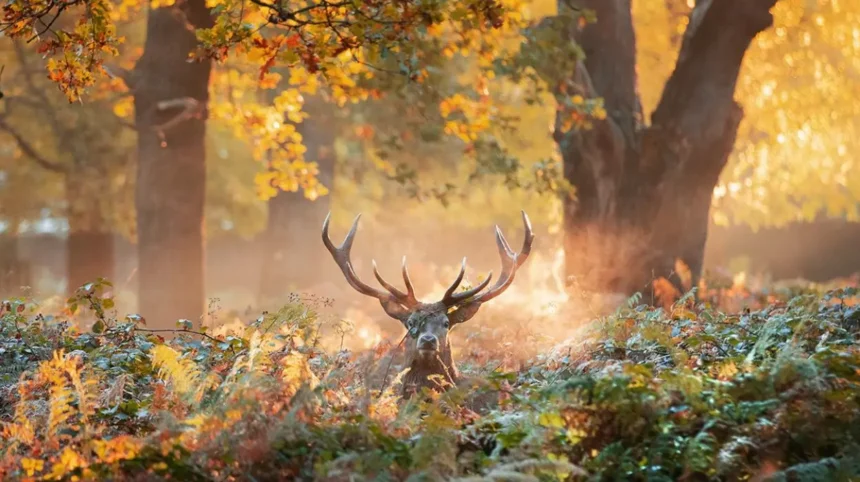
Richmond Park combines open grassland, ancient trees, ponds and wild deer. The Royal Parks identifies it as a major destination for wildlife photography and recommends photographing deer with a long lens from at least 50 metres away.
2. London Wetland Centre
This 105-acre wetland reserve in Barnes features lakes, pools, meadows and bird hides. It is suitable for waterbird portraits, bird behaviour, reflections and habitat photography.
3. Royal Botanic Gardens, Kew
Kew’s botanical collections, woodland garden, lakes and glasshouses offer subjects throughout the year. The gardens cover approximately 320 acres and contain more than 50,000 living plants.
4. Osterley Park and House
The National Trust estate combines lakes, lawns, mature trees, formal gardens and wildlife habitats. Its landscape supports wide-angle compositions, bird photography and seasonal botanical images.
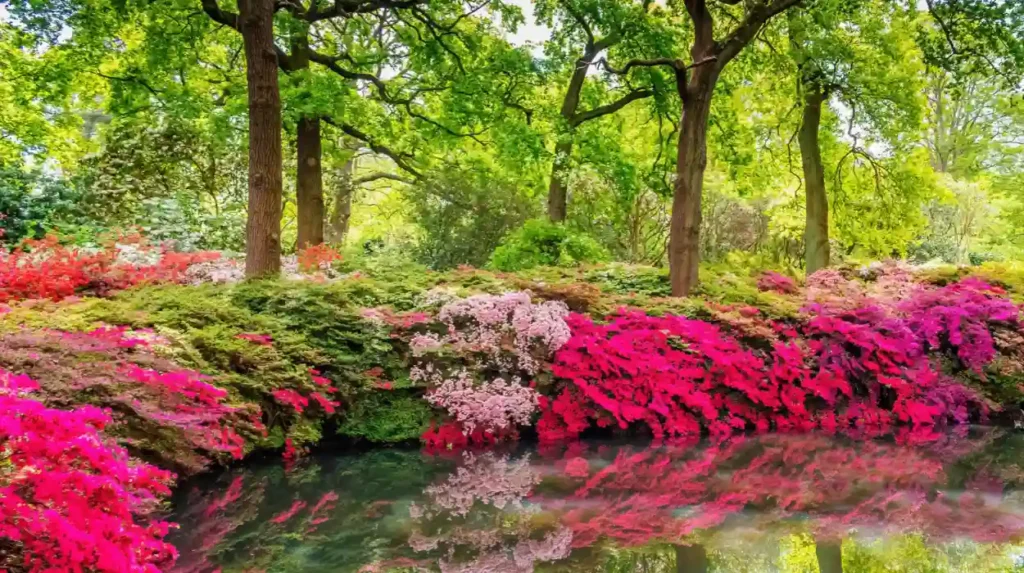
5. Isabella Plantation
This woodland garden inside Richmond Park is particularly known for spring flowers, ornamental shrubs, ponds and shaded paths. It provides opportunities for close-up flower images and layered woodland compositions.
6. Richmond Riverside
Riverside paths provide views of the Thames, riverbank vegetation, waterfowl and reflections. Early morning and late afternoon are useful for soft light and atmospheric water scenes.
These six locations suit different levels of experience. Richmond Park and riverside paths offer opportunities for outdoor photography without requiring a botanical collection. Kew and London Wetland Centre provide more specialised environments, although admission charges and site-specific rules apply.
Where can photographers capture wildlife in West London?
Richmond Park and London Wetland Centre are leading West London wildlife photography locations. Richmond Park supports deer, woodland birds and wetland species, while Barnes offers managed aquatic habitats, observation hides and opportunities to photograph birds, dragonflies and other wetland wildlife.
Wildlife photography depends on patience, distance and an understanding of animal behaviour. A successful photograph records the subject without disturbing feeding, resting, breeding or movement.
Richmond Park for deer and woodland birds
Richmond Park’s landscape includes ancient woodland, acid grassland, ponds and open grazing areas. The Royal Parks identifies a herd of red and fallow deer, along with wetland birds such as grey herons and kingfishers.
Pen Ponds is a useful destination for waterbird photography. Its water, surrounding vegetation and open sightlines provide opportunities for images of birds feeding, resting or flying across the lake.
A telephoto lens helps isolate animals from the surrounding landscape. Photographers should use the available distance to create natural-looking images rather than approaching animals for a tighter frame.
Deer require particular care. The Royal Parks specifies a minimum distance of 50 metres. The autumn rut, generally September to November, and the spring and summer birthing period require extra caution. Never feed deer or approach calves.
London Wetland Centre for bird photography
The London Wetland Centre in Barnes is operated by the Wildfowl and Wetlands Trust, commonly known as WWT. Its 105 acres include wetland habitats, viewing points and hides designed to support wildlife observation.
Bird hides help photographers observe wildlife while reducing movement in the birds’ immediate surroundings. A telephoto lens, fast shutter speed and continuous autofocus are useful for photographing birds in flight or capturing quick movements.
Water surfaces also provide opportunities for reflection photography. A calm lake can produce symmetrical compositions, while ripples and changing weather create more abstract patterns.
Osterley Park for birds of prey
Osterley Park supports a range of birdlife within its parkland and woodland habitats. The National Trust identifies red kites, buzzards, kestrels and sparrowhawks among the birds of prey associated with the estate. Little owls are also recorded there.
Photographers should look for birds moving over open areas and perched in mature trees. A fast shutter speed helps freeze flight, while exposure compensation helps retain feather detail against bright skies.
Wildlife sightings are never guaranteed. A location with suitable habitat improves photographic opportunities, but weather, season and animal activity determine what appears during an individual visit.
Where can you take flower and plant photographs in West London?
Kew Gardens and Isabella Plantation are leading locations for flower and plant photography in West London. Osterley Park adds formal flower beds and seasonal garden displays, while woodland paths provide opportunities to capture fungi, leaves, bark, seed heads and smaller botanical details.
Botanical photography focuses on the form, colour, texture and structure of plants. It includes close-up images of individual flowers, detailed photographs of leaves and wider compositions showing plants within their habitats.
Kew Gardens for botanical diversity
Kew Gardens is particularly suitable for photographers interested in plant diversity. Its collections include trees, tropical plants, alpine species and desert vegetation, creating opportunities to photograph different leaf structures and growth forms in one destination.
The Woodland Garden provides a different photographic environment from the glasshouses. Mature trees and seasonal flowers create layered compositions, while the Rock Garden contains smaller plants that benefit from close-up photography.
The Palm House, built between 1844 and 1848, combines Victorian glass architecture with tropical vegetation. It offers photographs that connect botanical subjects with historic structures. The Princess of Wales Conservatory provides further opportunities to document plants adapted to different climatic environments.
Kew is a managed visitor attraction, so photographers should check its current entry conditions and photography rules. Commercial shoots and certain types of personal photography require advance permission. Drones are prohibited, and visitors must avoid standing on planted areas.
Isabella Plantation for spring flowers
Isabella Plantation is a woodland garden within Richmond Park. Its flowering shrubs, ponds, woodland paths and bridges provide opportunities for close-up flower photography and environmental compositions.
Spring is a particularly useful period for colourful plant images. Flowering shrubs create strong foreground subjects, while shaded woodland provides a darker background that separates petals and leaves from their surroundings.
A macro lens helps reveal small details, including stamens, pollen-bearing structures, leaf veins and water droplets. A standard zoom lens is suitable for wider scenes showing flowering plants within the woodland.
Photographers should remain on designated paths and avoid stepping into planted areas to obtain a better angle.
Osterley Park for formal gardens
Osterley Park and House combines historic gardens with extensive parkland. Its formal garden includes herbaceous borders, roses, ornamental vegetable beds and a Tudor walled garden. The National Trust also identifies seasonal displays throughout the year.
The garden’s structured planting suits symmetrical compositions and images that show colour contrasts between different flower beds. In summer, flowering borders provide a range of subjects, while winter garden planting offers opportunities to photograph stems, foliage and the structure of dormant plants.
Which West London locations are best for landscape photography?
Richmond Park, Osterley Park and the River Thames offer strong landscape photography opportunities in West London. Their open grassland, mature trees, lakes, riverside views and historic settings support wide-angle images, panoramic compositions, reflections and photographs that change with the seasons.
Landscape photography records the broader character of a place rather than concentrating only on individual plants or animals. It uses foreground, middle ground, background, light and weather to communicate the structure of an environment.
Richmond Park for expansive views
Richmond Park provides open landscapes that contrast with London’s built environment. Its grassland, woodland edges and ancient trees create a variety of natural foregrounds and distant views.
King Henry’s Mound is a recognised viewpoint within the park. The protected view from this location includes St Paul’s Cathedral, more than 10 miles away under suitable visibility conditions.
A wide-angle lens works well for broad parkland scenes, especially when a tree, pathway or patch of grass provides a clear foreground. A longer focal length helps compress distant layers of trees and hills.
Mist can simplify a composition by reducing contrast between distant objects. After rain, wet grass and tree bark also produce stronger textures. Photographers should keep paths and wildlife protection requirements in mind when selecting a viewpoint.
Osterley Park for historic landscapes
Osterley Park is a useful location for photographs that combine nature with architectural heritage. Its landscape includes lakes, lawns, parkland and a historic mansion. The National Trust describes the estate as covering approximately 360 acres.
The lake provides opportunities for reflections of trees and the house. Open lawns create clean foregrounds, while tree-lined paths provide leading lines that guide the viewer through the frame.
A tripod helps with carefully composed images in low light, provided its use is permitted and does not obstruct other visitors. During bright conditions, photographing the same view from different angles helps control reflections and contrast.
Richmond Riverside for Thames views
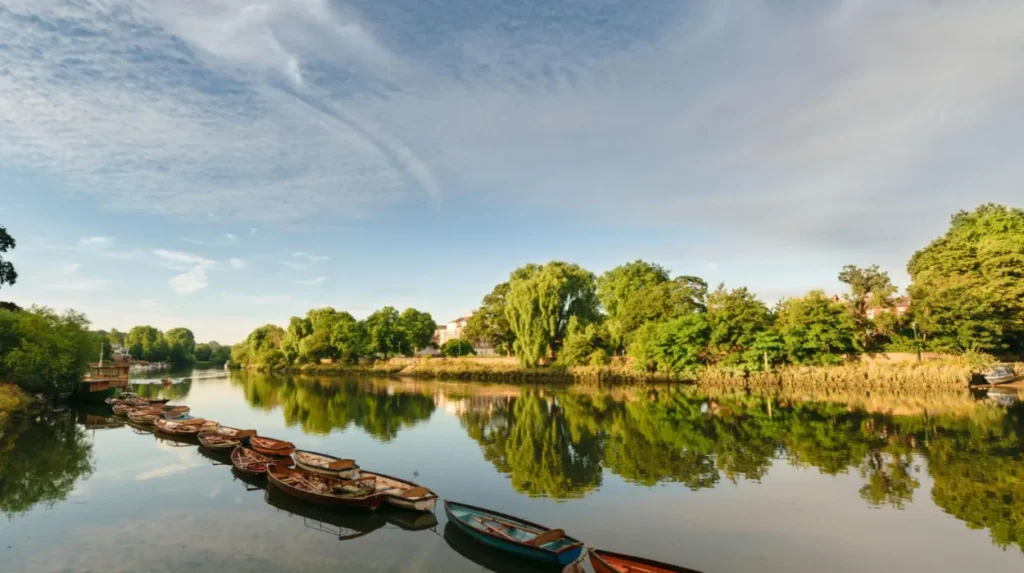
The Thames at Richmond offers a different type of landscape. Instead of open parkland, the river provides moving water, riverside trees, bridges and changing reflections.
Photographers can use the riverbank to create compositions with water in the foreground and buildings or vegetation in the background. Overcast conditions are useful for soft, even light, while clear mornings provide opportunities for brighter reflections.
The river’s appearance changes with tide, cloud cover and wind. A visit at a different time of day can produce a substantially different photograph of the same location.
Where can you photograph butterflies, insects and small wildlife in West London?
Kew Gardens, Osterley Park, Isabella Plantation and London Wetland Centre offer suitable habitats for photographing smaller wildlife. Flowering plants attract pollinating insects, woodland supports invertebrates, and wetland vegetation provides habitat for dragonflies and other moisture-associated species.
Macro and close-up wildlife photography reveal details that are difficult to see during an ordinary walk. Subjects include butterflies feeding on flowers, bees collecting pollen, dragonflies resting on reeds, and spiders building webs among vegetation.
Kew’s botanical diversity provides opportunities to photograph insects in relation to particular plants. Osterley’s varied habitats include open grassland, gardens and woodland. London Wetland Centre adds ponds, wetland vegetation and observation areas.
A dedicated macro lens provides high magnification, but a standard camera or smartphone can also produce detailed images when the subject is close enough and the light is adequate.
For insect photography, try these techniques:
- Photograph during cooler periods: insects often move more slowly during cooler early-morning conditions.
- Use a fast shutter speed: this reduces motion blur when insects move between flowers.
- Focus on the eyes: sharp eyes help make a close-up image appear more defined.
- Keep the natural setting: include the flower, leaf or stem to establish the subject’s habitat.
- Avoid disturbing insects: do not handle butterflies, remove vegetation or damage plants to improve a photograph.
Seasonality is important. Spring and summer generally provide more flowering plants and active pollinators than winter. However, the exact species present depends on weather, habitat management and local conditions.
What is the best time of year for nature photography in West London?
Spring and summer offer flowering plants, active insects and green landscapes across West London. Autumn provides colourful foliage, misty mornings and deer activity, while winter creates opportunities for bare-tree compositions, waterbirds, frost patterns and simpler landscape photographs.
Each season changes the appearance of West London’s parks and reserves. Planning a visit around the subject rather than the calendar alone produces more useful results.
Spring: March to May
Spring is suitable for flowering shrubs, woodland plants, fresh foliage and emerging insect activity. Isabella Plantation is a strong choice for colourful woodland scenes, while Kew offers seasonal flowers and botanical details.
Summer: June to August
Summer supports flower photography, pollinating insects, green landscapes and longer daylight hours. Osterley’s formal gardens provide colourful borders, while the wetlands offer opportunities for bird and insect photography.
Autumn: September to November
Autumn produces changing leaf colours, textured woodland scenes and misty parkland. Richmond Park is particularly relevant for deer photography, but the rut requires visitors to maintain a safe distance and avoid disturbing animals.
Winter: December to February
Winter provides opportunities for waterbirds, silhouettes, bare trees and frost-covered vegetation. Wetlands and lakes help create compositions built around reflections, muted colours and the contrast between water and surrounding land.
The time of day matters as much as the season. Early morning often brings softer light, quieter paths and reduced wind. Late afternoon provides warm side lighting that highlights tree bark, grass and flower textures.
Bright midday sunshine creates harder shadows, particularly in open landscapes. It remains useful for photographing birds in flight when light levels support faster shutter speeds.
Weather forecasts should be checked before visiting. Rain creates reflections and saturated colours, but strong wind makes close-up flower photography more difficult. Fog improves atmospheric landscape images when visibility is sufficient for safe travel.
What camera equipment is useful for nature photography in West London?
A camera or smartphone, suitable lens, spare battery and weather protection provide a practical starting kit for West London nature photography. A telephoto lens helps photograph distant wildlife, a macro lens records small details, and a wide-angle lens captures expansive landscapes and woodland scenes.
Equipment should match the subject and location. Carrying unnecessary accessories adds weight and slows movement between photographic viewpoints.
A practical equipment setup includes the following items.
- Camera or smartphone: suitable for general landscape, plant and wildlife images.
- Telephoto lens: useful for deer, waterbirds and birds of prey that must be photographed from a distance.
- Macro lens: helps record flower structures, insects, fungi and leaf details.
- Wide-angle lens: captures open parkland, large trees and broad riverside views.
- Tripod: supports stable compositions in low light, where permitted.
- Spare batteries and memory cards: useful during extended visits.
- Weather protection: a waterproof camera cover and lens cloth help during damp conditions.
A smartphone is sufficient for many botanical and landscape photographs. Dedicated cameras provide greater control over autofocus, shutter speed and focal length, which becomes particularly valuable for moving wildlife.
For birds in flight, use a fast shutter speed and continuous autofocus. For flowers, select a small focus area and check whether the entire subject is sharp. For landscapes, keep the horizon level and use foreground details to create depth.
Equipment does not replace knowledge of the location. Understanding light, animal behaviour and seasonal conditions often improves results more than purchasing another lens.
How can you plan a successful nature photography trip in West London?
Plan a West London photography trip by selecting a primary subject, checking access and opening hours, researching transport, and visiting when natural light suits the intended images. Allow sufficient time to explore, observe wildlife quietly and photograph different compositions without rushing.
A little preparation prevents wasted journeys and helps photographers make better use of the available daylight.
Choose the location according to the subject
Match the destination to the intended photographs. Richmond Park is appropriate for deer and broad landscapes. London Wetland Centre suits bird photography. Kew is useful for botanical images, while Osterley Park offers a combination of gardens, parkland and architecture.
Check entry arrangements
Richmond Park is a public Royal Park, while Kew Gardens and London Wetland Centre operate as managed attractions with visitor entry arrangements. Osterley Park’s facilities and access conditions depend on the areas being visited.
Before travelling, check official websites for current opening hours, admission charges, temporary closures and photography permissions. This is particularly important when planning a visit around a specific seasonal display.
Plan transport and walking time
West London has rail, Underground, bus and walking connections to many green spaces. The most convenient route depends on the chosen entrance and the equipment being carried.
Use official visitor maps to identify paths, viewing points, toilets and accessible routes. The London Wetland Centre has accessible main paths and viewing facilities, although visitors should check current accessibility information for individual areas.
Allow time for observation
Wildlife photography often involves waiting for an animal to enter a suitable position or display a particular behaviour. Arriving early and remaining in one area for a while can produce better results than covering the entire site quickly.
Photographers should also respect other visitors. Keep equipment on permitted surfaces, avoid blocking paths and never enter restricted areas to reach a preferred viewpoint.
What photography rules should you follow in West London’s parks and nature reserves?
Responsible nature photography protects wildlife, plants, historic landscapes and other visitors. Follow site-specific rules, maintain safe distances from animals, stay on permitted paths, avoid damaging vegetation, and obtain any required photography permissions before commercial or organised shoots.
Responsible photography helps preserve the habitats that make these locations valuable. It also reduces risks to photographers and wildlife.
At Richmond Park, visitors must remain at least 50 metres from deer. Feeding, touching or approaching deer for close-up images is not permitted. The Royal Parks highlights particular risks during the rutting season and the period when deer give birth.
At Kew Gardens, visitors must respect planted areas and wildlife. Drones are prohibited, and certain professional, commercial or personal photography activities require advance permission. Check the current rules before arranging a planned shoot.
At wetland reserves, use designated viewing points and hides where provided. Avoid sudden movements near birds, do not play recorded bird calls to attract wildlife, and never disturb nests or breeding areas.
Additional good practices include:
- Do not remove flowers, leaves, fungi or other natural materials.
- Avoid trampling grassland or entering sensitive habitats.
- Keep noise low around wildlife.
- Take rubbish home or dispose of it responsibly.
- Respect privacy when people appear in photographs.
- Check commercial photography requirements before selling images or organising a paid shoot.
These principles apply whether using a professional camera, a compact camera or a smartphone.
Explore More Area Guide
Places to See Wildlife in West London: Parks and Nature Reserves
Allotments in West London: Sites, Costs and How to Apply
How does nature photography help document West London’s green spaces?
Nature photography documents the appearance of habitats, seasonal changes and wildlife behaviour across West London. Repeated photographs of the same locations create a visual record of flowering periods, changing vegetation, water conditions and the relationship between urban development and local natural environments.
A consistent photography project can show how a park changes between seasons. Images taken from the same viewpoint in spring, summer, autumn and winter record differences in leaf cover, water levels, light and vegetation.
Photographs can also help communicate the value of urban nature. Images of birds feeding, insects visiting flowers and mature trees supporting wildlife make habitat features visible to residents who use these places for recreation.
Kew’s botanical collections have an additional scientific and conservation context because the institution maintains living plant collections for research, conservation and education. Its photography resources also encourage visitors to explore biodiversity and endangered plants.
For a useful photographic record, include the date, location and subject with each image. Keep original files where possible, and use consistent viewpoints when comparing seasonal changes.
Photographs alone do not establish population trends or prove that a habitat has improved or declined. Scientific conclusions require appropriate monitoring methods and supporting evidence. However, well-documented images provide useful visual context for public education, nature interpretation and local environmental storytelling.
Which West London nature photography locations should beginners visit first?
Beginners should start with Richmond Park for landscapes and distant wildlife, London Wetland Centre for bird observation, or Kew Gardens for plants and flowers. Each location offers a distinct photographic subject, allowing new photographers to practise composition, focus, exposure and observation.
The best first visit is the one that matches your interests and equipment. A beginner using a smartphone can start with flowers, trees, reflections and wide landscape scenes before attempting fast-moving wildlife.
Choose one or two photographic goals for the visit. For example, photograph five different leaf textures, capture reflections at three viewpoints, or practise keeping a bird in focus from a designated viewing area.
Review the images afterwards. Look for distracting backgrounds, tilted horizons, missed focus and overexposed highlights. These observations help establish which settings and techniques need improvement.
West London provides opportunities to practise these skills throughout the year. From Richmond Park’s expansive grasslands to Barnes’ wetlands and Kew’s botanical collections, the region’s green spaces support nature photography across a broad range of subjects.
The most productive approach is to choose a location deliberately, understand its rules and habitats, and return as the seasons change.
What are the best places for nature photography in West London?
Richmond Park, London Wetland Centre, Kew Gardens, Osterley Park and Isabella Plantation are among the best places for nature photography in West London. They offer opportunities to photograph deer, birds, flowers, woodlands, lakes and seasonal landscapes.