West London has an established creative economy supported by independent artists, designers, photographers, filmmakers, architects, production companies and digital businesses. Its creative studios provide dedicated spaces for artistic production, commercial photography, film production, graphic design, fashion, music, crafts and collaborative projects.
- What Are Creative Studios in West London?
- How Did West London Develop as a Creative Studio Destination?
- The historical importance of Ealing Studios
- The growth of Acton and Park Royal
- White City’s broadcasting and media connection
- The development of independent creative workspaces
- What Types of Creative Studios Are Available in West London?
- Photography studios
- Film and television studios
- Art and artist studios
- Music and recording studios
- Graphic design and digital creative studios
- Fashion and textile studios
- Which Areas of West London Have the Best Creative Studios?
- What Facilities and Equipment Do Creative Studios Provide?
- How Can Artists and Businesses Hire Creative Studios in West London?
- Step 1: Identify the production requirements
- Step 2: Compare suitable locations
- Step 3: Check pricing and availability
- Step 4: Review the booking conditions
- Step 5: Confirm technical arrangements
- What Are Some Established Creative Studios in West London?
- How Do Creative Studios Support West London’s Economy?
- Employment and business development
- Opportunities for independent businesses
- Connections with local suppliers
- Cultural and community development
- How Do Creative Studios Support Artists, Freelancers and Start-Ups?
- Support for emerging artists
- Support for freelancers
- Support for start-up businesses
- Networking and collaboration
- What Should Visitors and Customers Expect When Visiting a Creative Studio?
- What Factors Should You Consider Before Choosing a Creative Studio?
- Location and transport accessibility
- Studio size and layout
- Equipment and technical support
- Rental costs and payment terms
- Accessibility and working conditions
- What Is the Future of Creative Studios in West London?
Creative studios play an important role in the area’s cultural and commercial landscape. They provide facilities for individuals, freelancers, start-ups and established businesses that need professional working environments. From photography studios in uk/local/hammersmith-and-fulham/hammersmith/">Hammersmith to artistic workspaces in Ealing and production facilities around White City, West London offers different environments for creative work.
Understanding the types of studios, their facilities, locations and services helps artists, businesses and visitors identify suitable creative spaces across the region.
What Are Creative Studios in West London?
Creative studios in West London are dedicated workspaces where individuals and businesses produce artistic, visual, digital and commercial content. They include photography rooms, film stages, recording facilities, design workshops and independent artist studios serving professional and community-based creative activities.
A creative studio is a physical workspace designed for a particular creative discipline or a combination of creative activities. Its facilities depend on the work produced inside it. A photography studio prioritises lighting and backgrounds, while an artist’s studio requires suitable surfaces, storage and natural light.
Creative studios serve several groups:
- Independent artists producing paintings, sculptures and installations.
- Photographers creating portraits, advertising campaigns and product images.
- Filmmakers producing commercials, documentaries and television programmes.
- Graphic designers developing branding, illustrations and digital assets.
- Musicians and audio professionals recording music, podcasts and voiceovers.
- Fashion designers developing garments, textiles and product collections.
- Creative entrepreneurs operating small production and design businesses.
West London’s creative economy combines established production facilities with smaller independent workspaces. These environments support both commercial production and individual artistic development.
The distinction between a creative studio and a gallery is important. A gallery primarily exhibits completed artwork to visitors. A studio provides the workspace, equipment and facilities needed to create that work. Some buildings perform both functions through exhibitions, workshops and open-studio events.
How Did West London Develop as a Creative Studio Destination?
West London developed as a creative production destination through its established film industry, industrial buildings, broadcasting businesses and expanding design sector. Ealing, Acton, Park Royal, White City and Hammersmith now support different forms of creative production and workspace activity.
West London has a long association with British filmmaking and entertainment. Its industrial history also provided buildings suitable for workshops, production facilities and large creative workspaces.
The historical importance of Ealing Studios
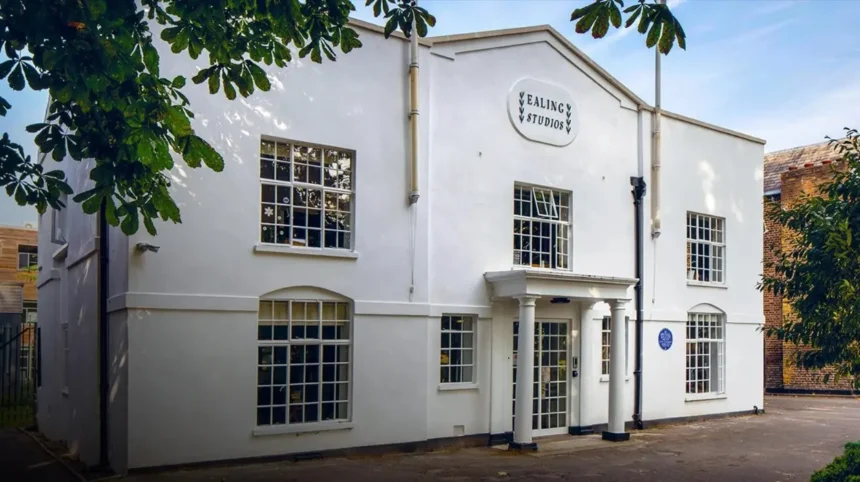
Ealing Studios is one of the most significant historical film production locations in the area. Its filmmaking history dates back to 1902, making it one of the oldest continuously operating film studio sites in the world.
The studio became particularly associated with British cinema during the 1940s and 1950s. Its productions contributed to the development of British comedy, drama and film production.
The site’s continued operation connects West London’s historical filmmaking identity with contemporary screen production.
The growth of Acton and Park Royal
Acton and Park Royal developed as important locations for creative manufacturing and production. Their industrial buildings provide space for businesses requiring larger premises than conventional offices.
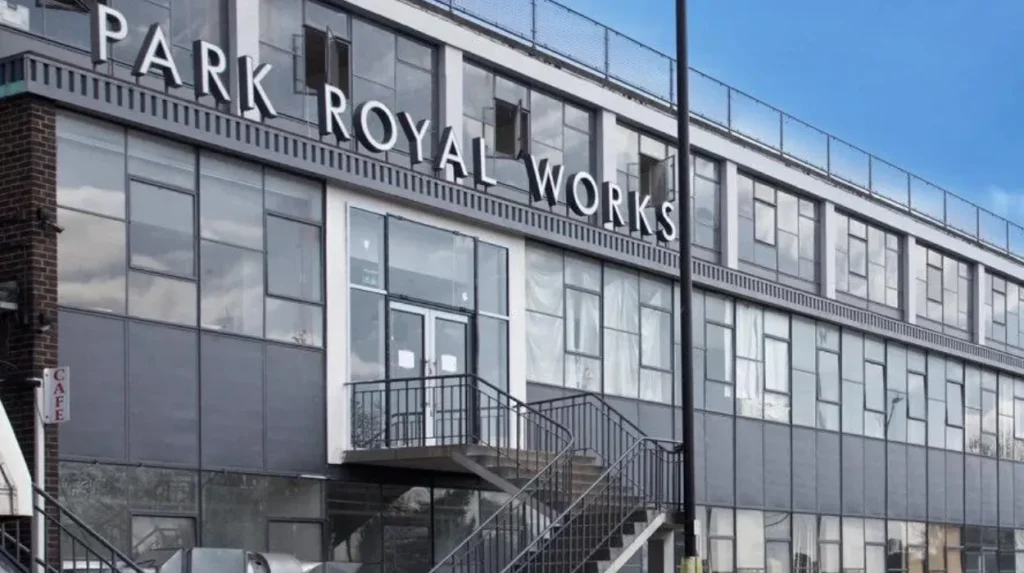
The Mayor of London’s Acton and Park Royal Creative Enterprise Zone launched in 2022. It supports artists, designers, makers, photographers, filmmakers and musicians.
According to London City Hall, the zone contains:
- 15 artists’ studios and creative workspaces.
- Three large film studios.
- 14 smaller film, photography and recording studios.
- Three rehearsal spaces.
- More than 10 creative manufacturing businesses.
These figures demonstrate the concentration of different creative activities within one West London district.
White City’s broadcasting and media connection
White City has a strong relationship with broadcasting and television production. Television Centre remains an important landmark in the area’s media history.
The surrounding district has developed into a wider environment for technology, research, entertainment and commercial activity. This creates connections between traditional media production and newer digital industries.
The development of independent creative workspaces
Industrial conversions and purpose-built artist buildings have expanded the range of available creative premises.
Former factories, garages and commercial buildings now accommodate photographers, designers, painters, makers and production companies. These spaces provide practical alternatives to traditional office environments.
What Types of Creative Studios Are Available in West London?
West London offers several types of creative studios, including photography, film, recording, art, design, fashion and multimedia facilities. Each category serves different production requirements, with specialised equipment, working environments and booking arrangements for professional and independent creators.
Photography studios
Photography studios provide controlled environments for producing professional images.
Their facilities commonly include lighting equipment, backdrops, changing areas, makeup rooms and photography accessories.
Photographers use these spaces for:
- Commercial product photography, such as cosmetics and electronics.
- Fashion photography, including clothing campaigns and editorial shoots.
- Portrait photography, including family and professional headshots.
- Food photography, including restaurant menus and advertising campaigns.
- E-commerce photography, including online retail product catalogues.
Acton and Park Royal have several photography facilities. Factory Studio, located at Westpoint, 36–37 Warple Way, W3, provides flexible photography and film spaces with kitchen facilities and private terraces. Factory Studio
Film and television studios
Film studios provide controlled production environments for television programmes, feature films, commercials and digital video.
Their infrastructure includes sound stages, production offices, technical equipment, lighting facilities and supporting spaces.
West London has a substantial film production presence.
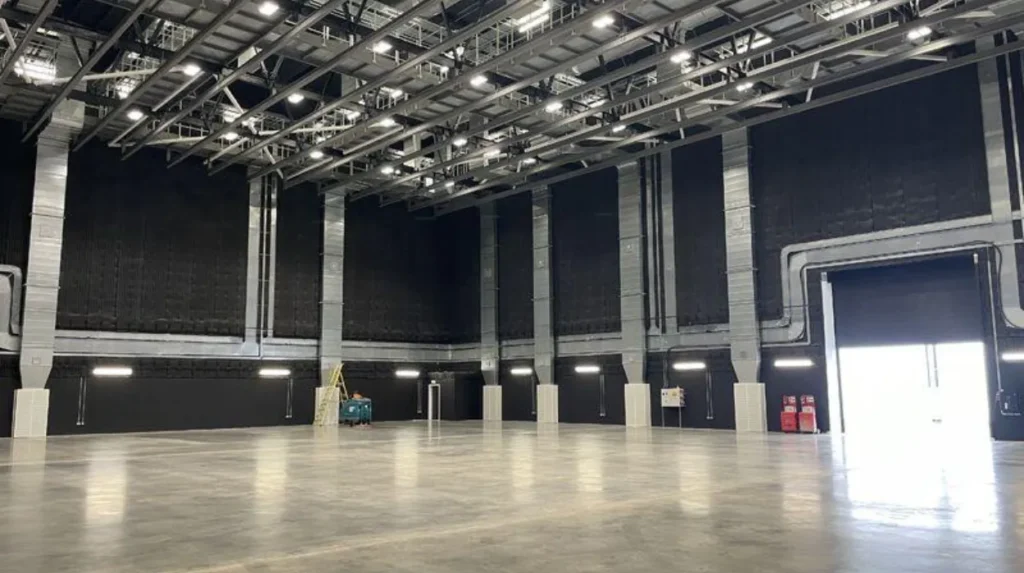
West London Film Studios operates across two sites, Springfield and Parkside. Its published facilities include 10 stages across the two sites, 85,000 square feet of newly built soundproof studios, and more than 77 office rooms.
The Springfield site includes six sound stages and more than 40,000 square feet of stage space. Parkside provides additional large-format production stages. westlondonfilmstudios.com
Art and artist studios
Artist studios provide dedicated environments for visual artists and makers.
Painters, sculptors, illustrators, ceramic artists and mixed-media practitioners use these spaces to develop and produce original work.
Typical facilities include workbenches, natural lighting, storage, sinks and communal areas. Some studios also provide exhibition facilities and opportunities for collaboration.
Blechynden Street Studios is an example of a dedicated artist-studio building. Located at 54 Blechynden Street, W10, it contains 21 naturally lit studios and a flexible events space known as Studio One. ACAVA
Music and recording studios
Music studios support musicians, producers, sound engineers and podcast creators.
Their equipment can include recording microphones, mixing consoles, acoustic treatment, monitoring speakers and soundproof recording rooms.
Acton has facilities for music production and related creative work. Qube Acton offers recording, photography and podcasting spaces. Its published facilities include a recording control room, live room and photography studio.
Graphic design and digital creative studios
Graphic design studios develop visual communication materials for businesses, organisations and individuals.
Their services include branding, logo development, typography, illustration, website graphics, packaging and marketing materials.
Digital creative studios also work across animation, video editing, user-interface design and digital content production.
These businesses often combine physical workspaces with computer-based production environments.
Fashion and textile studios
Fashion studios provide working environments for clothing designers, pattern makers, textile artists and independent fashion businesses.
Facilities can include sewing machines, cutting tables, fabric storage, garment rails and photography areas.
Park Royal’s creative manufacturing environment supports design-related activities, including fashion, textiles, jewellery and product development. The Park Royal Design District directory documents businesses across these disciplines.
Which Areas of West London Have the Best Creative Studios?
Acton, Park Royal, Ealing, White City, North Kensington, Hammersmith and Hayes are important West London locations for creative studios. Each area offers different facilities, from independent artist workspaces and photography rooms to large film production stages.
Acton
Acton is an established location for photography, music, film and independent creative businesses.
Its proximity to Park Royal and industrial employment areas makes it suitable for production companies requiring practical workspace and equipment access.
The Acton and Park Royal Creative Enterprise Zone strengthens the area’s creative identity through business support, workspace development and cultural activities.
Park Royal
Park Royal is one of the most significant creative production districts in West London.
Its industrial infrastructure accommodates large studios, small creative businesses, manufacturers and independent artists.
West London Art Factory, at 153 Dukes Road, W3, provides artist and maker workspaces alongside facilities for creative businesses. The building is close to Hanger Lane Underground station. Discover Creative Spaces – Join Now
Klatch Studio is another Park Royal example. It operates three medium-sized photography and film studios, including an infinity-cove studio, a black-box warehouse space and a soundproof studio.
Ealing
Ealing has a longstanding connection with film and television production.
Ealing Studios on Ealing Green represents the area’s historic contribution to British cinema. The wider borough also includes the Acton and Park Royal creative cluster.
Creative businesses in Ealing benefit from connections with local cultural organisations, educational institutions and production facilities.
White City and Shepherd’s Bush
White City is closely connected with broadcasting, television and digital media.
Television Centre is a major landmark within the district. The surrounding area includes commercial offices, educational institutions and businesses associated with the wider media economy.
Shepherd’s Bush also provides access to creative workspaces and production facilities. Its transport connections support people travelling from other parts of London.
North Kensington and Kensal
North Kensington and Kensal have a mixture of independent creative workspaces, artist communities and production businesses.
Great Western Studios provides more than 100 studio spaces for artists, designers, architects and creative businesses. Its building includes communal areas, a garden and courtyard. Great Western Studios+1
Buspace Studios occupies a converted Victorian bus garage. It accommodates almost 100 businesses and offers studios ranging from 150 to 2,500 square feet.
Hayes
Hayes is an important location for larger film and television production facilities.
West London Film Studios operates in the area, providing sound stages, production offices and supporting facilities.
Its position within the wider West London production network connects film businesses with nearby industrial districts and transport routes.
What Facilities and Equipment Do Creative Studios Provide?
Creative studios provide facilities according to their production specialism. Common features include professional lighting, sound equipment, workbenches, computers, storage, meeting areas and technical support. Larger production facilities also provide sound stages, offices, changing rooms and equipment access.
Studio facilities determine the type and scale of work that creators can complete.
Production and technical equipment
Photography studios require lighting stands, softboxes, reflectors, backdrops and suitable power supplies. Film studios require soundproof environments, lighting grids, production equipment and technical infrastructure.
Recording studios prioritise acoustic treatment, microphones, mixing consoles and monitoring equipment.
Workspace and storage
Artist and design studios require functional working areas.
A painter needs surfaces suitable for artwork, while a furniture designer needs space for tools, materials and product assembly. Fashion designers require cutting areas and storage for fabrics.
Storage is especially important for creators working on long-term projects.
Digital infrastructure
Modern creative production relies on computers, software and reliable connectivity.
Graphic designers use professional design applications. Video editors require powerful computers and large storage capacity. Music producers use digital audio workstations and recording interfaces.
Shared facilities
Some creative buildings provide communal facilities that support collaboration and business activity.
These include:
- Meeting rooms, such as spaces for client presentations.
- Kitchens, such as shared food preparation areas.
- Exhibition areas, such as spaces for displaying artwork.
- Event rooms, such as facilities for workshops and networking.
- Reception areas, such as spaces for receiving clients and deliveries.
Great Western Studios, for example, combines private studios with communal areas, co-working facilities and spaces for events. Great Western Studios
How Can Artists and Businesses Hire Creative Studios in West London?
Hiring a creative studio involves identifying the required workspace, comparing facilities, checking availability, understanding booking conditions and confirming the total cost. The process differs between hourly studio hire, daily production bookings and long-term workspace rental.
Creative studios offer different arrangements depending on the nature of their facilities.
Step 1: Identify the production requirements
Start by defining the type of work.
A photographer producing product images needs different facilities from a filmmaker recording interviews. An artist producing large paintings needs suitable floor space, ventilation and storage.
The production brief should identify:
- Required studio dimensions.
- Equipment and technical facilities.
- Number of people attending.
- Booking duration.
- Storage and preparation requirements.
Step 2: Compare suitable locations
Compare studios based on their location, facilities and accessibility.
A production team working in Acton can investigate Park Royal facilities. An independent artist based in Kensal can explore artist-workspace buildings around North Kensington.
Travel time matters when transporting equipment, materials and production crews.
Step 3: Check pricing and availability
Studio operators use different pricing structures.
Photography and video facilities commonly offer hourly, half-day and full-day bookings. Artist workspaces typically operate through monthly rental arrangements. Larger production facilities use project-based quotations.
Request a written quotation that explains the included services and additional charges.
Step 4: Review the booking conditions
Read the studio’s terms before confirming a booking.
Check cancellation policies, overtime charges, equipment hire, security deposits, cleaning requirements and insurance responsibilities.
Production businesses should also confirm whether the premises permit commercial filming, equipment installation and client attendance.
Step 5: Confirm technical arrangements
Arrange a technical check before the production date.
Photographers should confirm lighting compatibility and background availability. Film crews should check sound conditions, electrical capacity and access for production equipment.
Artists should confirm storage, working hours and any restrictions involving materials or machinery.
What Are Some Established Creative Studios in West London?
Established creative studios in West London serve different production needs, including independent art, photography, music, film and television. Examples include Great Western Studios, West London Art Factory, Qube Acton, Klatch Studio and West London Film Studios.
The following examples illustrate the variety of creative facilities available across the region. Their services and booking arrangements differ, so users should check directly with each operator.
1. Great Western Studios
Located near Paddington and Notting Hill, this creative workspace contains more than 100 studios. It accommodates artists, designers, architects and creative businesses. Facilities include co-working desks, meeting rooms and event spaces.
2. West London Art Factory
This Park Royal creative facility provides artist and maker studios, creative business space and opportunities for artistic collaboration. It supports independent creative practitioners looking for dedicated workspace.
3. Qube Acton
Qube Acton offers music recording, photography and podcasting facilities. Its recording spaces support musicians and producers, while its photography facilities accommodate commercial and creative shoots.
4. Klatch Studio
Klatch Studio operates photography and film spaces in Park Royal. Its facilities include an infinity-cove studio, a black-box warehouse studio and a soundproof studio. These facilities support commercial photography and video production.
5. West London Film Studios
This professional production complex operates across Springfield and Parkside. It provides sound stages, production offices and supporting facilities for film and television projects.
6. Buspace Studios
Buspace Studios provides flexible workspaces inside a converted Victorian bus garage. Its studio sizes range from 150 to 2,500 square feet, serving artists, makers and creative businesses.
These facilities demonstrate that West London has options for both small creative projects and large commercial productions.
How Do Creative Studios Support West London’s Economy?
Creative studios contribute to West London’s economy through employment, independent businesses, commercial production, manufacturing and cultural activities. They provide working environments for skilled professionals, support local supply chains and create opportunities for collaboration between creative businesses and established industries.
The creative economy includes businesses involved in advertising, architecture, design, film, television, music, photography, publishing, fashion and digital production.
Creative studios support this economy by providing the physical infrastructure needed to produce goods and services.
Employment and business development
Studios provide working environments for freelancers, employees, contractors and business owners.
A photography studio supports photographers, lighting technicians, makeup artists and production assistants. A film production facility requires camera operators, sound technicians, editors, production managers and other specialists.
These activities generate demand for services beyond the studio itself.
Opportunities for independent businesses
Small creative businesses often need specialist facilities without the financial commitment of purchasing commercial property.
Flexible studio arrangements help independent professionals establish their businesses and manage operating costs.
The Acton and Park Royal Creative Enterprise Zone specifically supports affordable creative workspace, business development, training and employment opportunities.
Connections with local suppliers
Creative production depends on supporting industries.
Film businesses require equipment suppliers, catering companies, transport operators and construction services. Fashion designers need fabric suppliers, manufacturers and printing services.
Photography businesses also depend on equipment rental, printing, framing and specialist production services.
These relationships create economic activity across West London.
Cultural and community development
Creative studios also support cultural participation.
Open-studio events, exhibitions, workshops and public demonstrations introduce residents to artistic processes and local creators.
The Park Royal Design District promotes creative activities through open studios, workshops, tours, exhibitions and events connected with London Craft Week and London Design Festival. London City Hall+1
How Do Creative Studios Support Artists, Freelancers and Start-Ups?
Creative studios give artists, freelancers and start-ups access to professional facilities, dedicated working environments and opportunities to build industry connections. Shared workspaces and flexible rental arrangements help emerging businesses develop their services without establishing expensive permanent production facilities.
Independent creative professionals often begin their careers with limited equipment and financial resources.
A shared studio provides access to facilities that would otherwise require substantial investment. It also separates professional production from domestic living spaces.
Support for emerging artists
Artists require consistent access to working space for developing and completing projects.
A dedicated studio allows painters, sculptors and illustrators to organise materials, store unfinished work and maintain a regular production schedule.
Artist communities also provide opportunities to exchange technical knowledge and participate in exhibitions.
Support for freelancers
Freelancers often work independently and manage their own clients.
Creative studios provide a professional setting for meetings, production and collaboration. Photographers, designers and video editors benefit from having a suitable location for client-facing work.
Support for start-up businesses
Start-ups use creative workspaces to develop products, services and commercial portfolios.
For example, a new fashion business can use a textile workspace to produce initial collections. A digital marketing agency can use a shared office and production studio to create promotional content.
Networking and collaboration
Creative buildings bring professionals from different disciplines into shared environments.
A graphic designer working near a photographer can collaborate on an advertising campaign. A fashion designer can work with a filmmaker to create promotional videos.
These relationships help independent professionals access new clients and develop complementary services.
What Should Visitors and Customers Expect When Visiting a Creative Studio?
Visitors to West London creative studios can encounter working artists, production equipment, exhibitions, workshops and professional creative services. Access depends on the building’s operating arrangements, with some studios offering public events while others operate through private bookings.
Creative studios are not automatically open to general visitors.
Some operate as private production facilities. Others organise events that allow members of the public to explore their work.
Open-studio events
Open studios allow visitors to enter selected workspaces and meet artists.
Visitors can view paintings, sculptures, photography, ceramics and other creative products. They can also learn about materials, techniques and the development of individual projects.
Workshops and educational activities
Creative workshops introduce participants to practical artistic skills.
Examples include:
- Painting workshops, such as watercolour and acrylic painting.
- Photography sessions, such as portrait lighting and composition.
- Craft activities, such as ceramics and textile design.
- Digital workshops, such as illustration and graphic design.
- Music sessions, such as recording and sound production.
The availability and age requirements of these activities depend on individual organisers.
Exhibitions and creative events
Some studio buildings provide exhibition areas or event spaces.
These facilities allow artists to display completed work and connect with local audiences. Creative events also help residents discover independent makers and businesses.
The Park Royal Design District’s programme includes exhibitions, tours and workshops that showcase local creative activity.
Explore More Area Guide
Artists in West London: Famous Painters, History and Art Scene
Fitness Events in West London: Your Complete Guide
What Factors Should You Consider Before Choosing a Creative Studio?
Choosing a creative studio requires evaluating its location, facilities, rental costs, accessibility, working conditions and suitability for the intended project. A suitable workspace must meet practical production requirements while supporting the creator’s budget and working arrangements.
The appearance of a studio does not establish whether it is suitable for a particular project.
Its technical features, booking terms and operating conditions require careful assessment.
Location and transport accessibility
Choose a location that is practical for regular travel and equipment transportation.
Acton and Park Royal connect with several West London neighbourhoods. White City offers Underground connections, while Hayes provides access to larger production facilities.
For example, Great Western Studios is approximately five minutes’ walk from Royal Oak and Westbourne Park Underground stations, according to its location information. Great Western Studios
Studio size and layout
Check the usable production area rather than relying only on the building’s overall size.
A photographer needs enough space for lighting equipment and subjects. A filmmaker needs room for cameras, crew and set construction.
Artists working with large materials require suitable storage and floor space.
Equipment and technical support
Check whether essential equipment is included in the rental.
Confirm the availability of lighting, sound equipment, electrical connections, internet access and technical assistance.
Additional equipment hire can increase the total project cost.
Rental costs and payment terms
Compare the complete rental cost rather than the advertised starting price.
Check whether the quotation includes:
- Equipment and furniture.
- Cleaning and maintenance.
- Electricity and internet.
- Security deposits.
- Additional booking hours.
- Storage and access arrangements.
Long-term tenants should also review rent increases, service charges and notice periods.
Accessibility and working conditions
Check step-free access, lift availability, accessible toilets and loading facilities.
Production teams should confirm whether the premises accommodate delivery vehicles and heavy equipment.
Artists should also consider ventilation, lighting, noise restrictions and health and safety arrangements.
What Is the Future of Creative Studios in West London?
The future of creative studios in West London depends on affordable workspace, investment in production infrastructure, digital technologies and collaboration between creative businesses. Film production, digital media, independent design and creative manufacturing remain important areas of development.
Several developments are shaping the future of the sector.
Growth in digital production
Digital technology continues to change how creative businesses produce and distribute content.
Video editing, computer-generated imagery, animation, virtual production and digital photography require specialised facilities and technical expertise.
Studios that combine traditional production equipment with modern digital infrastructure support a wider range of commercial projects.
Expansion of film and television facilities
West London’s film production infrastructure provides opportunities for businesses working in television, advertising and feature films.
West London Film Studios’ expansion across Springfield and Parkside demonstrates investment in larger production environments and additional support facilities. westlondonfilmstudios.com
Demand for flexible creative workspace
Independent professionals and smaller businesses require workspaces that match their budgets and production needs.
Flexible rentals, shared facilities and smaller private studios provide alternatives to traditional commercial leases.
Affordable workspace also remains an important part of London’s Creative Enterprise Zones programme. London City Hall
Sustainable creative production
Environmental considerations are increasingly relevant to the creative industries.
Studios can improve sustainability through energy-efficient lighting, responsible material sourcing, waste reduction and efficient equipment use.
Film and television productions also require planning for transport, construction materials and energy consumption.
Stronger connections with education
Creative studios provide opportunities for practical training and professional development.
Partnerships with colleges, universities and training organisations help people develop skills in photography, design, film production, digital media and creative manufacturing.
These connections strengthen the future creative workforce in West London.
Creative studios in West London form an important part of the area’s cultural and commercial landscape. Acton, Park Royal, Ealing, White City, Hayes and North Kensington offer different creative environments for artists, photographers, designers, musicians and production companies.
Facilities such as Great Western Studios, West London Art Factory, Qube Acton, Klatch Studio and West London Film Studios demonstrate the diversity of the local creative sector.
Whether someone needs a photography room, an artist’s workspace, a recording facility or a professional film stage, West London provides a range of established creative environments. Continued investment in affordable workspaces, digital production and creative infrastructure will help maintain the area’s position within London’s creative economy.
What are creative studios in West London?
Creative studios in West London are professional workspaces for artists, photographers, filmmakers, designers, musicians and other creative professionals. They provide facilities for producing artwork, photography, films, music and digital content.