Fitness events in West London bring together organised running, cycling, walking, swimming, outdoor exercise and community sport. They support physical activity, connect residents with local facilities and parks, and provide structured opportunities for people of different ages and fitness levels.
- What are fitness events in West London?
- How did organised fitness events develop in West London?
- What types of fitness events take place in West London?
- What running events are available?
- What cycling events are available?
- What walking events are available?
- What swimming and water-based events are available?
- What group exercise events are available?
- Where do fitness events take place in West London?
- Who organises fitness events in West London?
- How do people register and prepare for fitness events?
- What safety rules apply to organised fitness events?
- How do fitness events support public health in West London?
- How do fitness events affect West London’s communities and local economy?
- What should visitors know about attending fitness events in West London?
- How are fitness events becoming more inclusive and sustainable?
- What is the future of fitness events in West London?
West London contains major parks, riverside routes, sports centres and public spaces that support a varied programme of physical activity. The area includes boroughs such as uk/local/ealing/">Ealing, fulham/hammersmith/">hammersmith-and-fulham/">Hammersmith and Fulham, Hillingdon, Hounslow, Kensington and Chelsea, and Richmond upon Thames. Each borough works with leisure providers, community organisations, sports clubs and national governing bodies to support participation in exercise and sport.
Fitness events range from free weekly activities to ticketed mass-participation events. Some focus on competition. Others focus on public health, social participation, fundraising or access to green space. Understanding how these events operate helps residents and visitors identify suitable activities and prepare safely.
What are fitness events in West London?
Fitness events in West London are organised activities that encourage physical exercise through running, cycling, walking, swimming, group training and community sport. They take place in parks, leisure centres, streets and other public spaces throughout the area’s boroughs.
A fitness event is a planned activity with a defined location, time and format. It can involve a small community group or thousands of participants. Organisers establish routes, safety procedures, registration requirements and participation rules according to the scale of the event.
West London provides several types of settings for these activities. Large green spaces include Hyde Park, Richmond Park, Gunnersbury Park and Osterley Park. The River Thames also provides walking and running routes through several West London districts.
What activities are included?
The main categories include running events, cycling activities, organised walks, swimming events and group exercise sessions. Examples include timed 5-kilometre runs, charity bike rides, guided health walks, open-water swimming activities and instructor-led outdoor classes.
Some events operate regularly throughout the year. Weekly community runs provide a predictable schedule. Seasonal events often take place during spring and summer when daylight hours are longer. Major road events require extensive planning and specific permissions.
Why are organised events important?
Organised events provide structure. Participants receive a clear meeting point, start time and activity format. This structure helps people incorporate physical activity into regular routines.
Events also create social opportunities. Participants exercise alongside other people with a shared purpose. Local clubs and community organisations often use events to introduce newcomers to ongoing activities.
How did organised fitness events develop in West London?
Organised fitness in West London developed alongside the growth of public parks, modern leisure services and mass-participation sport. National public health policy and community sport programmes have increased access to structured physical activity across local neighbourhoods.
Public parks have played an important role in the history of recreation in London. Open spaces provided areas for walking, informal games and organised sport as the city expanded.
The twentieth century brought greater development of municipal sports facilities. Swimming pools, recreation grounds and sports halls created dedicated spaces for organised physical activity. Later programmes placed greater emphasis on participation and public health.
How has mass participation changed fitness events?
Mass-participation sport expanded the audience for organised exercise. Events became available to people who did not compete in elite sport.
The growth of timed community running created a regular event model based on local participation. Charity events also became an important part of the fitness calendar. Participants combine physical activity with fundraising for registered organisations and community causes.
Digital registration has changed event management. Online systems allow organisers to manage entries, communicate route information and publish results. Participants can also use digital platforms to track training and receive event updates.
What types of fitness events take place in West London?
West London hosts regular community activities and larger organised events across several fitness categories. Running, cycling, walking, swimming and group exercise form the main categories, with examples ranging from free park activities to professionally managed events.
The type of event determines the preparation required. A short community activity generally has simpler entry procedures than a road race or long-distance cycling event.
What running events are available?
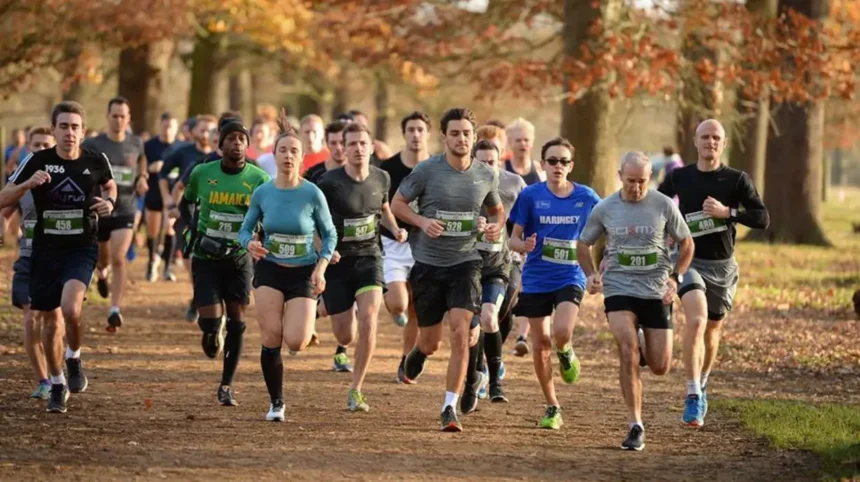
Running events include weekly timed runs, organised races, charity runs and club competitions. Examples include parkrun events, local 10-kilometre races, half-marathon events and organised trail runs.
Park-based running events use established paths and open spaces. Road events require traffic management and route permissions. Participants should check distance, elevation, surface conditions and event rules before registering.
The UK Chief Medical Officers recommend that adults undertake at least 150 minutes of moderate-intensity physical activity or 75 minutes of vigorous-intensity activity each week. Running provides a vigorous form of aerobic exercise for many participants.
What cycling events are available?
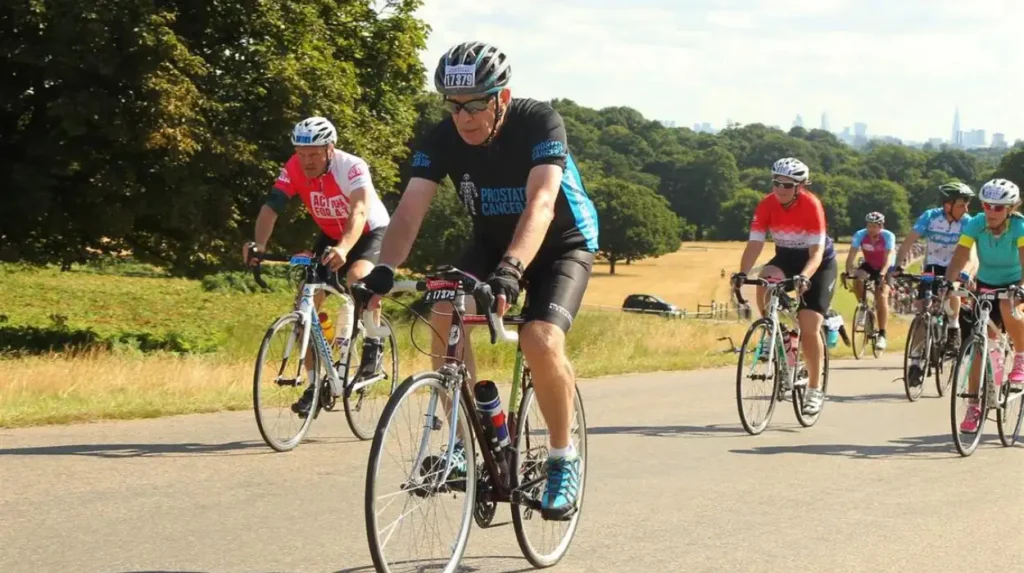
Cycling events include group rides, charity rides, family cycling activities and competitive events. Examples include guided community rides, long-distance fundraising routes and club road rides.
West London contains a mixture of urban roads, park routes and connections to wider cycling networks. Event organisers provide route information and safety requirements. Helmets are commonly encouraged for organised cycling, although legal requirements differ according to the activity and participant age.
Cyclists need a roadworthy bicycle for organised rides. Brakes, tyres and lights require regular inspection. Evening and low-light activities require appropriate lighting and visibility equipment.
What walking events are available?
Walking events include guided heritage walks, health walks, charity walks and long-distance routes. Examples include riverside group walks, organised walks in Richmond Park and community health walking programmes.
Walking provides an accessible form of physical activity. It requires limited specialist equipment. Organised walks also help participants become familiar with local routes and public green spaces.
Distance and terrain vary significantly. Participants should check the expected duration and accessibility information before attending.
What swimming and water-based events are available?
Swimming activities include pool challenges, organised swim sessions and supervised water-based fitness programmes. Examples include lane-swimming challenges, club competitions and structured aquatic exercise classes.
Swimming venues operate according to facility rules and safety procedures. Participants need to follow lifeguard instructions and venue guidance.
Open-water events require additional planning. Water quality, temperature, weather and supervision affect event conditions. Participants should use only authorised and properly managed locations for organised open-water activities.
What group exercise events are available?
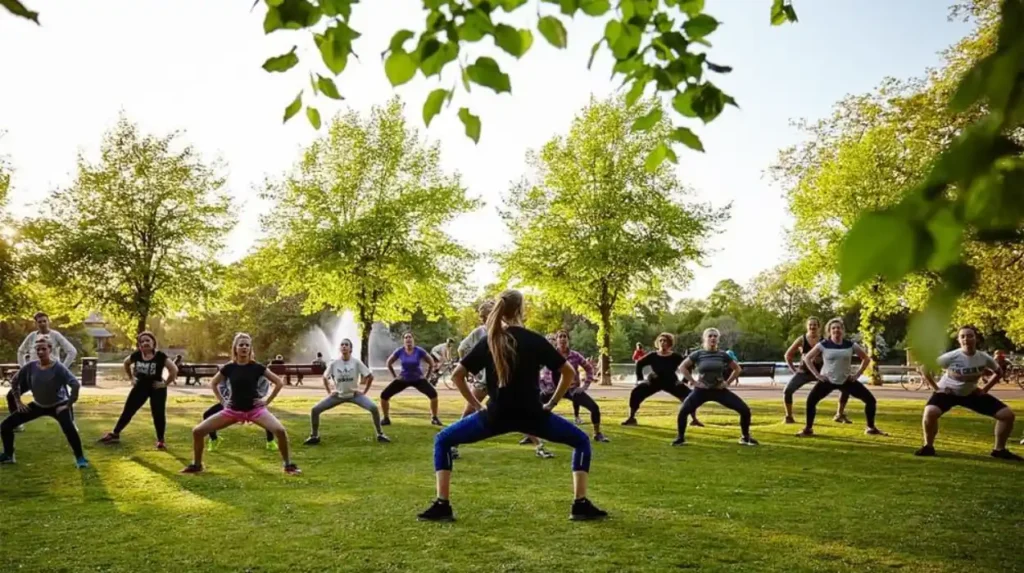
Group exercise events include outdoor classes, fitness festivals and instructor-led sessions. Examples include yoga in parks, boot-camp training and community exercise programmes.
These activities are often designed around a specific fitness format. Participants should review the physical requirements before attending. Qualified instructors provide guidance on technique and event structure.
Where do fitness events take place in West London?
West London’s fitness events use parks, leisure centres, riverside paths, sports grounds and public streets. Major locations include Hyde Park, Richmond Park, Gunnersbury Park and borough leisure facilities serving local communities and visitors.
Location affects the character of an event. Parks provide green routes and traffic-free areas. Leisure centres provide indoor facilities. Public roads support larger races but require significant management.
Why are parks important for fitness events?
Parks provide accessible outdoor space for physical activity. They support running, walking, cycling and group exercise.
Richmond Park is one of London’s largest Royal Parks and contains extensive roads and paths. Hyde Park provides central open space and established recreational routes. Gunnersbury Park serves communities in Ealing and Hounslow and contains sports and recreation facilities.
Event organisers must protect public access and the natural environment. Large events often use designated routes and temporary infrastructure to manage participant movement.
How do leisure centres support events?
Leisure centres provide controlled environments for indoor fitness. Facilities often include swimming pools, sports halls, gyms and fitness studios.
Examples of organised activities include swimming competitions, group exercise programmes and indoor sports tournaments. Venue operators set capacity limits and safety requirements.
Accessibility information is important for participants with disabilities or mobility requirements. Event organisers and venues should provide clear information about entrances, changing facilities and accessible routes.
Who organises fitness events in West London?
Fitness events in West London are organised by local authorities, charities, sports clubs, leisure providers, commercial event companies and community groups. Each organiser has specific responsibilities for safety, registration, insurance and event management.
The organiser determines how an event is managed. Small community activities generally use a simple operating structure. Large public events require detailed planning and coordination with relevant authorities.
What is the role of local authorities?
London borough councils manage public spaces and support community programmes. They also have responsibilities connected with public land, highways and local services.
An event using a park or public road generally requires permission from the relevant landowner or authority. Large events also require planning for traffic, waste management and public safety.
What is the role of sports clubs and charities?
Sports clubs organise regular training, races and competitions. Examples include running clubs, cycling clubs and swimming clubs.
Charities organise fitness events to raise funds and increase awareness. Participants often pay registration fees and collect sponsorship. The fundraising structure depends on the event and the organisation involved.
Community groups organise smaller activities that focus on local participation. These events can introduce residents to regular exercise without requiring membership of a competitive club.
How do people register and prepare for fitness events?
Participants prepare for West London fitness events by checking eligibility, registering through authorised organisers, reviewing route information and planning suitable equipment. Early preparation improves safety and helps participants meet the physical requirements of each activity.
Registration requirements vary according to the event. Free activities can use simple attendance systems. Larger races often require advance registration because organisers need accurate participant numbers.
What information should participants check?
Participants should confirm the date, start time, meeting point and event distance. They should also check age requirements, entry fees, cancellation rules and medical guidance.
Route information is important for outdoor events. A route can include paved paths, grass, hills or public roads. Surface conditions affect footwear and pace.
Weather information should be reviewed before the event. Participants need clothing suitable for the expected conditions.
How should people train?
Training should reflect the activity. A participant preparing for a 5-kilometre run needs a different programme from a person preparing for a long-distance cycling event.
The NHS recommends regular physical activity as part of a healthy lifestyle. People returning to exercise should increase activity gradually and follow appropriate professional advice where necessary.
Warm-up and recovery practices support organised physical activity. Participants should also maintain hydration and use appropriate equipment.
What safety rules apply to organised fitness events?
Fitness event safety depends on risk assessment, trained staff, clear participant information and appropriate emergency planning. Larger West London events require formal coordination to manage crowds, routes, traffic and medical incidents effectively.
Safety planning begins before participants arrive. Organisers identify hazards connected with the location, activity and expected attendance.
How are risks managed?
Risk assessments identify potential hazards and establish control measures. Examples include route marshals, first-aid provision, warning signs and controlled start areas.
Road events require additional traffic management. Organisers work with relevant authorities and professional contractors when roads need restrictions or closures.
Weather also affects safety. High temperatures, strong winds and severe rain can change event conditions. Organisers communicate changes and cancellation procedures through official event channels.
What responsibilities do participants have?
Participants need to follow event instructions. They should provide accurate registration information and use suitable equipment.
People should stop exercising and seek assistance when they experience serious symptoms. Event medical teams and first-aid staff provide support within the limits of their training and event role.
Participants also have a responsibility to respect other users of public spaces. Many parks and paths remain open to the public during organised activities.
How do fitness events support public health in West London?
Fitness events support public health by creating regular opportunities for physical activity and social participation. They help translate national activity guidelines into practical local routines that residents can access through parks, clubs and leisure facilities.
Physical inactivity is a recognised public health concern. Regular activity supports cardiovascular health, muscular fitness and overall wellbeing.
The World Health Organization recommends that adults undertake regular aerobic and muscle-strengthening activity. Local events provide structured settings that support these goals.
How do events encourage regular activity?
A scheduled event creates a recurring opportunity to exercise. Weekly activities provide consistency. Participants can track progress and develop routines.
Social participation also supports attendance. Exercising with other people creates a shared activity environment. Local clubs often provide additional sessions outside formal events.
How do events improve access?
Free and low-cost activities reduce some financial barriers. Public parks provide accessible locations across West London.
However, access also depends on transport, timing and physical requirements. Inclusive event planning addresses these factors through accessible routes, clear information and appropriate activity formats.
How do fitness events affect West London’s communities and local economy?
Fitness events influence West London through visitor spending, community participation and increased use of local facilities. Small weekly activities and major events both create demand for transport, hospitality, sports services and public-space management.
Participants often travel to an event location and use nearby services. This can include public transport, cafés and retail businesses.
The economic effect depends on event scale. A local community session has a different impact from a major event attracting participants from outside London.
How do events build community participation?
Fitness events bring together people from different neighbourhoods. Volunteers often support registration, route management and participant services.
Volunteer roles provide another form of community involvement. Examples include course marshals, event assistants and timekeepers.
Regular events also create links between participants and local sports organisations. A first-time participant can progress into club membership or structured training.
What should visitors know about attending fitness events in West London?
Visitors attending fitness events in West London should plan travel, confirm venue details and understand local rules before arrival. London’s public transport network provides access to many venues, but major events can affect normal routes and services.
Travel planning is particularly important for early-morning events. Some activities begin before normal weekend travel patterns are fully established.
How should visitors plan transport?
Participants should identify the nearest suitable station or bus stop before travelling. They should allow extra time for registration and security procedures.
Major events can introduce road closures and transport diversions. Official organiser information provides the most relevant event-specific details.
Cyclists should check whether secure bicycle parking is available. Participants travelling with equipment should also review venue storage rules.
What facilities should participants expect?
Facilities vary by event. Larger events often provide registration areas, toilets, baggage facilities and medical support. Smaller community activities can have limited infrastructure.
Participants should not assume that changing rooms, showers or storage are available. Event information should be checked before departure.
Explore More Area Guide
Martial Arts Centres in West London: Complete Guide
Horse Riding in West London: Best Schools and Riding Lessons
How are fitness events becoming more inclusive and sustainable?
West London fitness events increasingly focus on accessible participation and responsible use of public spaces. Inclusive design, public transport access, waste reduction and protection of parks help organisers deliver events with broader community and environmental benefits.
Accessibility begins with information. Participants need clear details about routes, surfaces, facilities and available support.
What does inclusive event design involve?
Inclusive design considers the needs of different participants. Examples include wheelchair-accessible routes, adapted activity formats and accessible venue facilities.
Some events offer shorter distances or non-competitive participation options. These formats provide alternatives for people with different levels of experience and physical capacity.
Clear communication is essential. Participants need accurate information before registration and on the day of the event.
How can events reduce environmental impact?
Outdoor events can generate waste and place pressure on green spaces. Organisers reduce these effects through waste planning and careful site management.
Reusable infrastructure, public transport information and responsible water provision are examples of practical measures. Events in protected or sensitive landscapes also need to follow site-specific rules.
What is the future of fitness events in West London?
The future of fitness events in West London will continue to depend on public participation, accessible facilities and effective use of urban green space. Digital registration, inclusive programming and community partnerships will shape how organised activity develops.
West London’s population and transport connections create strong conditions for local participation. Parks and leisure facilities remain important infrastructure for physical activity.
Digital systems are improving event communication and administration. Participants can receive route information, safety notices and scheduling updates through official platforms.
Public health policy continues to emphasise physical activity. This supports the role of community programmes and organised events as practical ways to help people remain active.
The strongest long-term fitness event programmes combine safety, accessibility and regular participation. A diverse calendar allows people to choose activities based on their interests, location and level of experience.
Fitness events in West London form an important part of the area’s active lifestyle and community infrastructure. Running events, cycling activities, organised walks, swimming sessions and group exercise programmes provide structured opportunities for physical activity across parks, leisure centres and public spaces.
These events operate through the work of local authorities, sports clubs, charities, leisure providers and community organisations. Their scale ranges from small recurring activities to major public events requiring detailed safety and transport planning.
Participants benefit from clear preparation. Checking official information, understanding the route, using suitable equipment and following safety instructions are essential steps. Visitors also need to plan transport and confirm available facilities.
The long-term importance of fitness events extends beyond exercise. Regular activities support public health, community participation and the use of West London’s green and recreational spaces. As organisers continue to improve accessibility and sustainability, fitness events will remain a practical way for residents and visitors to participate in organised physical activity.
What types of fitness events are available in West London?
West London hosts running events, cycling activities, organised walks, swimming sessions, outdoor fitness classes and community sports events. Activities take place in parks, leisure centres, sports grounds and public spaces.