Martial arts centres in West London provide structured training in combat sports, self-defence systems, traditional disciplines and physical conditioning. The area includes dedicated martial arts academies, community sports facilities, leisure centres and specialist clubs serving children, adults, beginners and experienced practitioners.
- What are martial arts centres in West London?
- Which martial arts disciplines are commonly taught in West London?
- How do martial arts centres support physical fitness?
- How do martial arts centres teach discipline and technical progression?
- What should beginners expect from a first martial arts class?
- How can parents choose martial arts centres for children?
- What qualifications and standards should martial arts instructors have?
- How do martial arts centres manage safety and injury prevention?
- How do competition and grading pathways work?
- Where can people find suitable martial arts centres across West London?
- What does the future of martial arts training in West London look like?
- How should someone choose the right martial arts centre in West London?
West London covers several major London boroughs, including uk/local/ealing/">Ealing, fulham/hammersmith/">hammersmith-and-fulham/">Hammersmith and Fulham, Hillingdon, Hounslow, Kensington and Chelsea, and Richmond upon Thames. This broad area supports a diverse martial arts community because of its large population, transport connections, schools, universities and established sports infrastructure.
The term martial arts describes organised systems of physical training that developed for combat, self-defence, competition, health, discipline and cultural practice. Popular disciplines taught in London include karate, judo, taekwondo, Brazilian jiu-jitsu, boxing, kickboxing, Muay Thai and mixed martial arts.
Choosing a martial arts centre requires more than finding the nearest training venue. The discipline, instructor qualifications, safeguarding standards, class structure, membership costs and travel arrangements all affect the training experience. Understanding these factors helps West London residents and visitors identify suitable facilities and programmes.
What are martial arts centres in West London?
Martial arts centres in West London are training facilities that provide organised instruction in disciplines including karate, judo, taekwondo, Brazilian jiu-jitsu, boxing and kickboxing, serving children and adults through structured classes, qualified coaching and regular physical training programmes.
A martial arts centre is a venue where instructors teach a recognised system of fighting, movement or self-defence. Some centres specialise in one discipline. Others operate as multi-disciplinary academies with separate programmes for striking, grappling and fitness training.
Dedicated academies often contain permanent training equipment. This equipment includes padded mats for grappling, heavy bags for striking, focus pads and strength-conditioning equipment. Community halls and leisure centres also host martial arts classes on scheduled days.
West London’s geography creates access to different types of training venues. Larger town centres such as Ealing, Hammersmith, Hounslow and Uxbridge have extensive public transport connections. Residential neighbourhoods also support local clubs that operate from schools, community centres and sports halls.
The structure of a martial arts centre depends on the discipline. A Brazilian jiu-jitsu academy normally requires a large matted training surface. A boxing gym requires bags, a ring or training space and protective equipment. Traditional karate and taekwondo clubs often use open halls where students can practise forms, known as kata in Japanese martial arts and poomsae in taekwondo.
Which martial arts disciplines are commonly taught in West London?
West London martial arts centres commonly teach traditional, competitive and self-defence disciplines, including karate, judo, taekwondo, Brazilian jiu-jitsu, boxing, kickboxing, Muay Thai and mixed martial arts, with each discipline using different rules, techniques and training methods.
Karate is a Japanese martial art based on striking techniques, including punches, kicks, blocks and controlled movement. Many karate organisations use a belt-ranking system to show technical progression. Karate training also includes kata, which are formal sequences of movements.
Judo is a Japanese grappling sport created by Jigoro Kano in 1882. Training focuses on throws, pins, joint-control techniques and controlled groundwork. Judo became an Olympic sport for men in 1964 and for women in 1992, establishing a major international competition structure.
Taekwondo originated in Korea and places strong emphasis on kicking techniques, movement patterns and controlled sparring. Modern taekwondo includes different organisational traditions, with Olympic competition governed internationally through World Taekwondo.
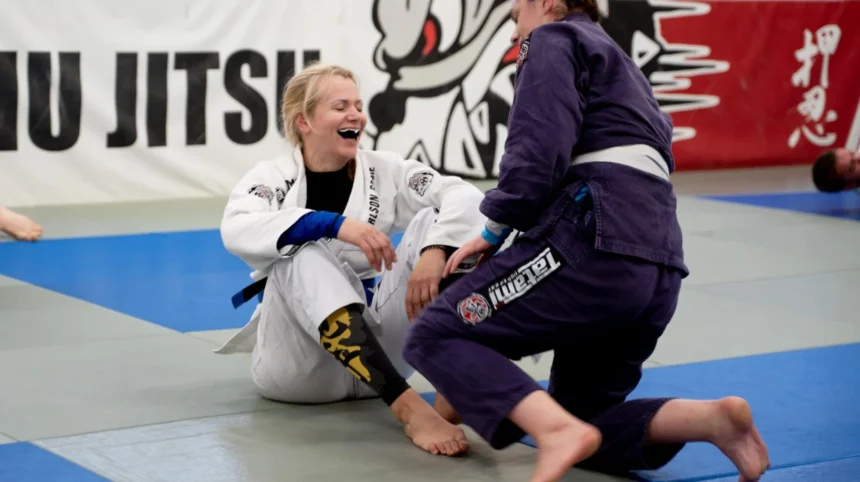
Brazilian jiu-jitsu, commonly called BJJ, is a grappling discipline focused on positional control and submission techniques. Training generally includes technical drilling, sparring and physical conditioning. BJJ developed from Japanese jujutsu and judo traditions in Brazil during the twentieth century.
Boxing is a combat sport based primarily on punches, defensive movement and ring strategy. Boxing clubs use structured drills, bag work, pad training, fitness exercises and controlled sparring. Amateur boxing operates through formal competition systems and safety regulations.
Kickboxing combines punching and kicking techniques in structured training and competitive formats. Muay Thai, the national sport of Thailand, uses punches, kicks, knees, elbows and clinch work under established rules.
Mixed martial arts, known as MMA, combines techniques from several combat disciplines. Training programmes commonly include striking, wrestling and grappling. Examples include boxing techniques for punching, Muay Thai techniques for striking and Brazilian jiu-jitsu techniques for ground control.
How do martial arts centres support physical fitness?
Martial arts training develops cardiovascular fitness, muscular strength, mobility, coordination and physical endurance through repeated technical practice, conditioning exercises and controlled movement, giving West London participants a structured form of regular physical activity.
Physical activity is a central part of martial arts training. Classes often begin with a warm-up designed to prepare the body for exercise. Training then moves into technical instruction, drilling, conditioning and supervised practice.
Different disciplines place different demands on the body. Striking sports require hand-eye coordination, balance, speed and cardiovascular endurance. Grappling disciplines require body control, grip strength, muscular endurance and positional awareness.
The UK Chief Medical Officers recommend that adults complete at least 150 minutes of moderate-intensity activity or 75 minutes of vigorous-intensity activity each week. Martial arts classes contribute to regular physical activity when training intensity and frequency meet individual needs.
Children and young people aged 5 to 18 are advised to complete an average of at least 60 minutes of moderate-to-vigorous physical activity each day across the week. Youth martial arts programmes provide organised activity through supervised classes, technical exercises and age-appropriate movement.
Physical fitness benefits depend on consistent participation and appropriate instruction. Martial arts centres normally organise classes by age, experience or discipline. Examples include beginner adult classes, junior sessions and advanced competition training.
A structured class format also helps participants maintain regular exercise habits. Scheduled sessions create a consistent training routine. This routine supports skill development because martial arts techniques require repeated practice.
How do martial arts centres teach discipline and technical progression?
Martial arts centres teach discipline through structured instruction, attendance, technical repetition and measurable progression, while many traditional systems use formal grading structures such as coloured belts, examinations and recognised levels of practical competence.
Technical progression is an important feature of many martial arts systems. Students begin by learning basic movements before advancing to more complex techniques and combinations.
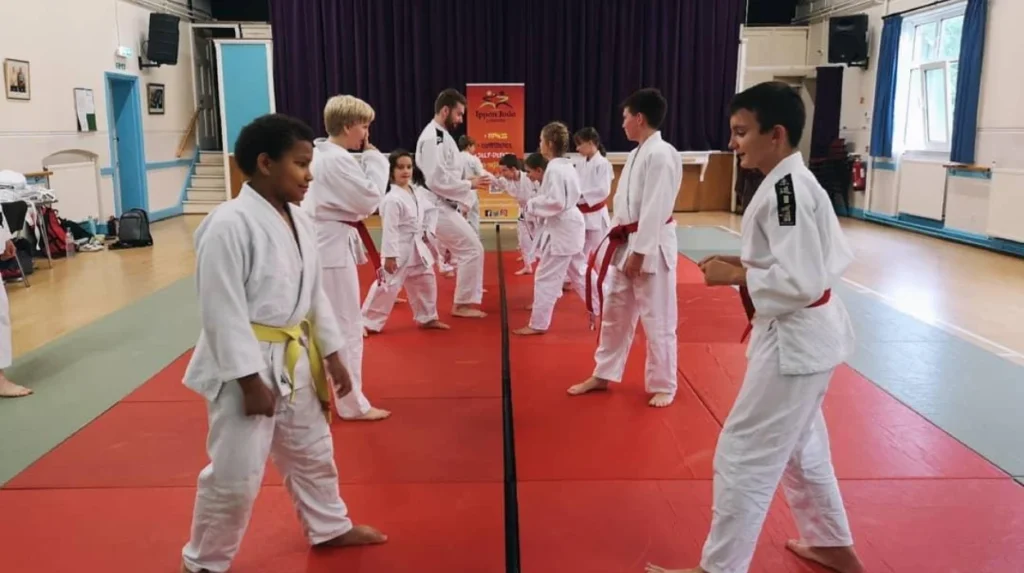
Traditional disciplines often use grades to organise this development. Karate, judo and taekwondo commonly use coloured belts or other formal ranking systems. The exact grades and examination requirements vary between governing bodies and organisations.
A grading system does not replace practical learning. Students generally need to demonstrate technical knowledge, control and consistent training before progressing. Higher grades often require a wider understanding of techniques and increased responsibility.
Modern combat sports also use structured progression without relying on the same belt system. Boxing programmes can move participants from basic fitness and technical classes into sparring or competition pathways. Brazilian jiu-jitsu uses belt ranks but places substantial emphasis on long-term technical development.
Instruction normally follows a sequence. Coaches demonstrate a technique, explain its purpose, supervise practice and provide corrections. Partner drills allow participants to practise timing and movement in controlled conditions.
This structured approach is important for beginners. Learning basic posture, balance and safe movement creates a foundation before participants attempt advanced techniques.
What should beginners expect from a first martial arts class?
Beginners at West London martial arts centres normally receive an introduction to the discipline, basic safety guidance, simple technical instruction and supervised practice, with classes structured to help new participants learn movement, equipment use and training etiquette.
A first class usually begins with registration and an explanation of the training environment. Participants learn where to place personal belongings, when to wear protective equipment and how to follow the instructor’s directions.
The warm-up prepares participants for physical activity. It can include light running, mobility exercises and bodyweight movements. The specific exercises depend on the discipline and class intensity.
Technical instruction follows the warm-up. A beginner karate class can introduce basic stances, punches and blocks. A judo session can introduce safe falling techniques. A boxing class can focus on stance, guard and basic punches.
Partner work is supervised by instructors. Contact levels vary according to the discipline and the experience of participants. Beginner programmes generally introduce contact progressively and use controlled drills.
Training etiquette also forms part of many martial arts traditions. Students are expected to respect instructors, training partners and the facility. Hygiene is particularly important in close-contact disciplines such as judo and Brazilian jiu-jitsu.
New participants should check the centre’s clothing requirements before attending. Some introductory classes allow ordinary sports clothing. Other sessions require a specific uniform, such as a karate gi or judo gi.
How can parents choose martial arts centres for children?
Parents should choose West London martial arts centres by reviewing instructor qualifications, safeguarding arrangements, class supervision, age-specific teaching, facility safety and communication procedures, ensuring that children receive structured instruction in an appropriate training environment.
Children’s martial arts classes differ from adult programmes. Young participants require instruction that reflects their physical development, attention span and level of experience.
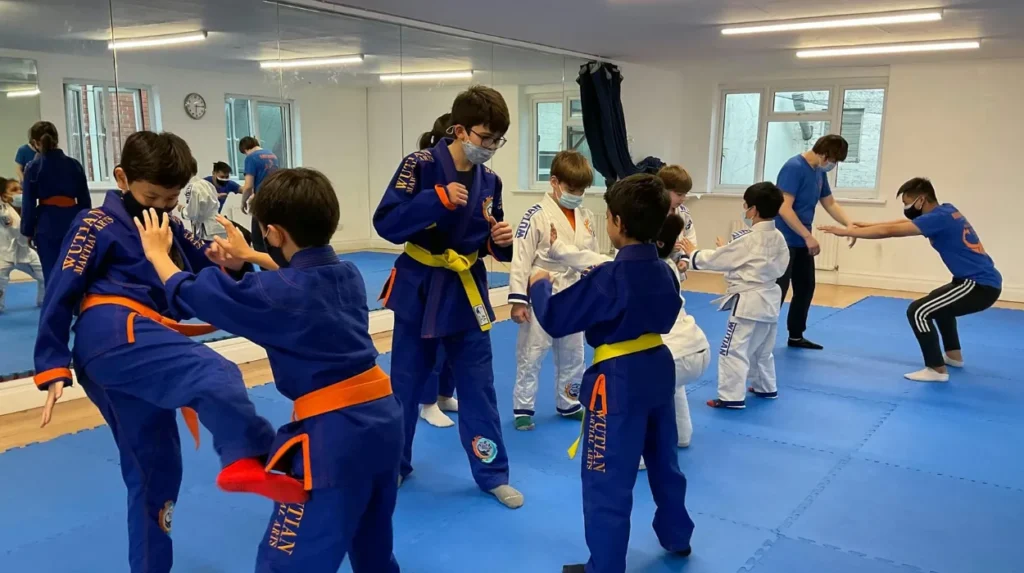
Age-specific classes help instructors organise suitable activities. Examples include classes for early primary-school children, sessions for older children and separate programmes for teenagers.
Safeguarding is a major consideration. Parents should understand who supervises the class, how the organisation handles safeguarding concerns and what procedures apply when children are collected after training.
Instructors who work with children should understand their responsibilities within the organisation’s safeguarding framework. Parents should also check whether the club follows the standards and policies of its relevant sport governing body.
Class size affects supervision. A well-organised junior session provides clear instructions and maintains appropriate oversight during partner activities. Contact training should be controlled and suitable for the age and experience of participants.
Parents should also review practical arrangements. These include class times, travel distance, changing facilities and membership requirements. Regular attendance is easier when the venue fits the family’s routine.
Martial arts programmes for children often teach basic movement, coordination and structured exercise alongside technical skills. The quality of instruction and the safety of the training environment remain the primary considerations.
What qualifications and standards should martial arts instructors have?
Martial arts instructors should demonstrate recognised technical experience, appropriate coaching knowledge and strong safeguarding practices, while centres should provide clear information about insurance, first aid, supervision and the standards followed by their discipline or governing organisation.
Instructor qualifications vary because martial arts include many separate disciplines and governing structures. There is no single qualification covering every martial art.
Participants should ask about an instructor’s technical background and coaching experience. Reputable organisations generally provide information about their instructors and their connection to recognised associations or governing bodies.
First-aid provision is an important operational standard. Training involves physical activity and, in some disciplines, controlled contact. Centres need appropriate procedures for responding to injuries.
Insurance arrangements should also be clear. Clubs and academies often hold public liability insurance and require members to follow specific participation rules.
Safeguarding standards are essential for programmes involving children and vulnerable participants. Organisations should have clear policies and designated procedures for reporting concerns.
Professional conduct also affects training quality. Instructors should explain techniques clearly, supervise participants and maintain appropriate standards of behaviour.
A centre’s approach to safety provides useful information about its overall management. Clear rules, supervised sessions and suitable equipment show that the organisation has established training procedures.
How do martial arts centres manage safety and injury prevention?
Martial arts centres manage safety through qualified supervision, progressive training, suitable protective equipment, controlled contact and clear facility rules, reducing avoidable risks while recognising that all physical and combat sports involve a potential for injury.
Safety begins with appropriate instruction. Beginners need to understand how to move, fall, strike or grapple before participating in more demanding exercises.
Protective equipment depends on the sport. Examples include boxing gloves and mouthguards for striking activities, shin protection in certain kickboxing classes and specialised clothing for grappling disciplines.
Controlled sparring is different from unsupervised fighting. It uses agreed rules, instructor oversight and defined levels of contact. Participants should understand the purpose and limits of each exercise.
Progressive training is another important safety measure. Students normally develop basic skills before entering advanced sparring or competition programmes. This approach allows instructors to assess technical control and physical readiness.
Clean facilities and equipment support participant health. This is particularly important in sports involving close physical contact and shared training surfaces.
Participants also have responsibilities. They should report injuries, follow instructions and avoid training beyond their physical limits. A safe martial arts culture depends on cooperation between instructors and students.
How do competition and grading pathways work?
Competition and grading pathways give martial arts students structured opportunities to measure technical development, with recognised systems including belt examinations, club assessments and regulated sporting events ranging from local competitions to national and international championships.
Competition is not compulsory in most martial arts programmes. Many people train for fitness, recreation or self-defence without entering formal events.
Competitive participants follow the rules of their specific discipline. Judo competitions use scoring and weight categories. Boxing matches operate through regulated rounds and safety rules. Taekwondo competitions use recognised formats for controlled sporting contests.
Grading provides a separate form of progression. Traditional martial arts often assess students through examinations that test technical knowledge, movement and discipline-specific forms.
Competition and grading require preparation. Regular classes develop technical consistency, while specialised sessions prepare participants for specific events or examinations.
West London residents seeking competitive opportunities should identify clubs connected to recognised sporting organisations. Affiliation can provide access to sanctioned events, coaching development and established competition structures.
Parents of young competitors should understand the event rules, supervision arrangements and eligibility requirements before entering competitions.
Where can people find suitable martial arts centres across West London?
Suitable martial arts centres are found through dedicated academies, local sports facilities, leisure centres and community venues across West London, with location, discipline, transport access, class schedules and participant experience determining the most suitable choice.
West London offers a wide geographical area, so travel is a practical factor. A centre close to home, work or a regular transport route supports consistent attendance.
Ealing contains major residential and commercial areas and has strong rail and Underground connections. Hammersmith is a major transport hub with access to several Underground lines. Hounslow, Hillingdon and Richmond upon Thames also contain extensive residential communities and sports facilities.
The discipline should guide the search. A person seeking Brazilian jiu-jitsu needs a facility with suitable matted space and specialist instruction. Someone seeking boxing should look for a structured boxing programme and appropriate coaching.
Class schedules also vary. Some centres offer daytime sessions, while others concentrate on evenings and weekends. Parents often need junior classes that fit school-day schedules.
Trial sessions can help participants understand the training environment. Before joining, prospective members should ask about class size, membership terms, equipment requirements and instructor supervision.
Accessibility is another consideration. Participants should review step-free access, changing facilities and travel arrangements when these factors affect attendance.
Explore More Area Guide
Horse Riding in West London: Best Schools and Riding Lessons
Best Bowling Alleys in West London for Families and Groups
What does the future of martial arts training in West London look like?
The future of martial arts training in West London is shaped by continued demand for organised physical activity, youth sport, specialised coaching and flexible training formats, supported by established combat sports and growing interest in structured fitness programmes.
Martial arts have adapted to changing patterns of fitness and recreation. Traditional clubs continue to teach established disciplines, while specialist academies focus on sports such as Brazilian jiu-jitsu, Muay Thai and mixed martial arts.
Digital systems now support many aspects of centre management. Online booking, electronic membership systems and digital communication help organisations manage classes and provide information to participants.
Specialisation is also increasing. Some centres focus on one discipline and develop advanced coaching programmes. Others provide multiple martial arts under one roof. Examples include facilities combining striking classes, grappling sessions and strength conditioning.
Safeguarding and professional standards remain important for the sector’s long-term development. Parents and adult participants increasingly expect clear information about coaching, safety and membership arrangements.
Martial arts also remain relevant because they combine technical learning with regular physical activity. Participants develop skills through repeated practice rather than through a single exercise session.
For West London communities, martial arts centres provide structured opportunities for sport, fitness and disciplined training. The most suitable centre depends on the participant’s goals, the quality of instruction and the practical ability to attend regularly.
How should someone choose the right martial arts centre in West London?
The right West London martial arts centre matches a participant’s goals with a suitable discipline, qualified instruction, safe facilities, practical location and appropriate class structure, creating a reliable environment for consistent long-term training and technical development.
The selection process should begin with a clear objective. A person interested in traditional forms can investigate karate or taekwondo. Someone focused on throws and grappling can consider judo. A participant seeking ground-fighting techniques can explore Brazilian jiu-jitsu.
Fitness goals also influence the decision. Boxing, kickboxing and Muay Thai provide intensive striking-based training. Grappling disciplines focus heavily on positional movement, physical control and close-contact technique.
The quality of instruction remains central. Prospective members should understand who teaches the class, how beginners are introduced and what safety procedures are in place.
Practical factors determine whether training becomes sustainable. Travel time, class schedules and membership costs all affect regular attendance.
The best approach is to review the centre’s programme carefully and attend an introductory session where available. Participants can observe the training environment, understand the class structure and ask relevant questions before making a long-term commitment.
Martial arts centres in West London form part of the capital’s wider sporting infrastructure. They preserve traditional disciplines, support regulated competitive sports and provide structured physical activity for people of different ages and experience levels. Clear instruction, appropriate safety standards and consistent participation remain the foundations of effective martial arts training.
What martial arts can I learn in West London?
West London martial arts centres offer karate, judo, taekwondo, Brazilian jiu-jitsu, boxing, kickboxing, Muay Thai and mixed martial arts. The disciplines available depend on the individual academy, leisure centre or community club.