

West London combines established residential districts, major employment centres, international transport connections and large regeneration schemes. It also contains some of London’s most expensive neighbourhoods. For households seeking comparatively affordable housing, the strongest opportunities are generally found farther west and around established transport corridors.
- What makes an area affordable in West London?
- Which West London areas are generally more affordable?
- How affordable is Hillingdon compared with wider London?
- Is Hounslow an affordable place to live?
- Why are Hayes and West Drayton important for affordable housing?
- Is Southall one of the more affordable areas in West London?
- Is Feltham affordable compared with other West London locations?
- What role does Brent play in affordable West London housing?
- How does transport affect affordability in West London?
- Which property types offer the lowest entry costs in West London?
- How does regeneration influence affordable areas in West London?
- What should buyers and renters check before choosing an affordable West London area?
- What does the future look like for affordable housing in West London?
- Which affordable West London areas stand out for different needs?
- What are the key affordable areas in West London?
Affordability in West London depends on property type, tenure, transport access and distance from premium central neighbourhoods. uk/local/hounslow/">Hounslow, Hillingdon, ealing/southall/">Southall, Hayes, West Drayton, Feltham and parts of Brent provide different combinations of lower purchase prices, rental options and connectivity.
The latest official data also show why borough-level comparisons matter. In June 2026, the average London house price was £554,000. Hounslow averaged £512,888, Hillingdon £474,665 and Brent £544,174. Ealing stood at £575,814, demonstrating that affordability varies substantially even between neighbouring West London boroughs.
What makes an area affordable in West London?
Affordable West London areas combine comparatively lower property prices with practical transport, employment access, housing supply and everyday services. Affordability therefore depends on total housing costs rather than purchase price alone, including rent, mortgage payments, service charges, commuting expenses, council tax and maintenance costs.
A lower property price does not automatically create a lower household budget. A home farther from railway stations can require additional transport spending. A cheaper flat can also have higher service charges. A larger house can have greater energy and maintenance costs.
For buyers, affordability usually involves comparing the purchase price against household income and mortgage capacity. For renters, monthly rent represents the main housing cost, but council tax, utilities and transport also influence the overall budget.
West London has a particularly important affordability advantage: it connects residential districts with major employment locations including Heathrow Airport, fulham/hammersmith/">Hammersmith, central London and the wider Thames Valley. This creates opportunities to trade some centrality for lower housing costs without completely losing access to employment centres.
The Office for National Statistics (ONS) and HM Land Registry provide official house-price data through the UK House Price Index. These statistics offer a consistent basis for comparing boroughs and property types. The June 2026 figures show that Hillingdon and Hounslow were below the London average, while Ealing was above it.
Which West London areas are generally more affordable?
Hillingdon, Hounslow, Hayes, West Drayton, Feltham and Southall generally provide some of the strongest affordability opportunities in West London. Their housing stock includes flats, maisonettes, terraces and family homes, while transport connections link residents with London and major employment centres.
Affordability is distributed unevenly across West London. Premium locations close to the Thames, established high-value residential streets and central employment districts command higher prices. Areas farther west and around Heathrow generally provide more accessible price points.
Hillingdon is particularly important because its large geographic area contains several distinct residential markets. Uxbridge, Hayes, West Drayton, Ruislip and Yiewsley have different housing profiles and transport connections.
Hounslow also contains several different markets. Hounslow town centre, Feltham, Isleworth and Brentford each have different property types and levels of connectivity.
Southall has become particularly important because of the Elizabeth line. The railway connection provides direct services towards central and east London and increases the strategic importance of the area.
Hayes and West Drayton similarly benefit from Elizabeth line connectivity. Their western position provides access to Heathrow and central London while maintaining a lower average housing cost than several inner West London districts.
Feltham provides another affordability option. Its location near Heathrow and its railway station make it relevant for people working in aviation, logistics, business services and surrounding employment areas.
How affordable is Hillingdon compared with wider London?
Hillingdon is one of West London’s more affordable boroughs, with an average house price of £474,665 in June 2026 compared with £554,000 across London. Flats and suburban properties create additional choices for buyers seeking lower entry prices.
Hillingdon sits on the western edge of Greater London and includes urban centres such as Hayes and Uxbridge alongside suburban residential districts.
According to the June 2026 UK House Price Index, Hillingdon’s average property price was £474,665. This was approximately £79,000 below the London average. The annual change was a modest decline of 0.6 percent.
The borough benefits from proximity to Heathrow Airport, the largest international airport serving London. Heathrow supports extensive employment across aviation, hospitality, logistics, retail, security, engineering and business services.
Hayes is especially significant for affordability. Hayes & Harlington station provides Elizabeth line services, creating a fast rail connection towards central London and other parts of the capital.
West Drayton provides another transport-led residential market. Its Elizabeth line station supports connections towards Heathrow, Paddington and central London.
Yiewsley and surrounding districts offer additional housing stock outside the highest-priced parts of the borough. Property choices include traditional terraces, maisonettes and purpose-built flats.
Hillingdon therefore suits households that prioritise space and transport access over proximity to central London.
Is Hounslow an affordable place to live?
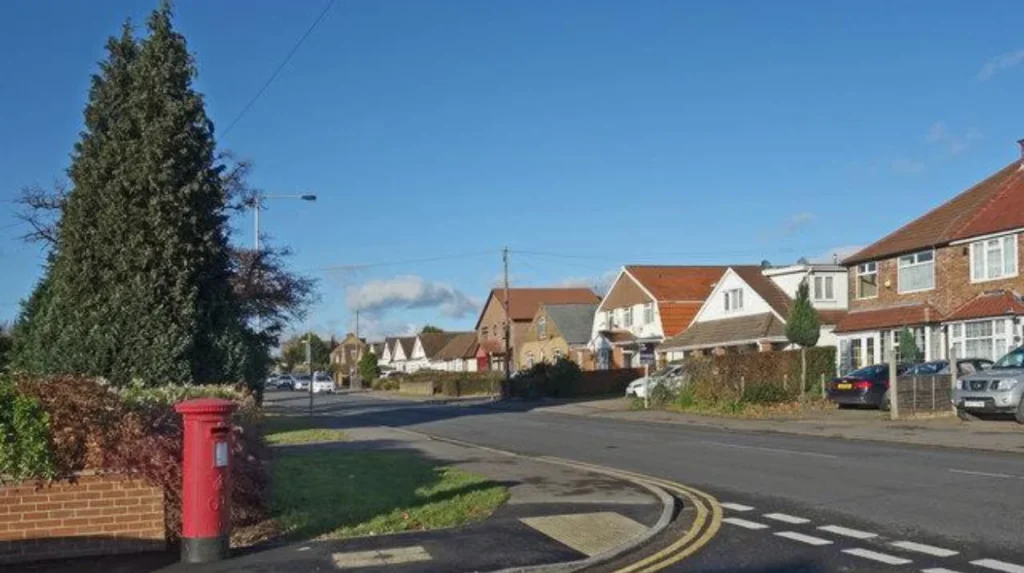
Hounslow offers comparatively affordable West London housing, with an average house price of £512,888 in June 2026. Flats averaged £347,000, providing a substantially lower entry point than the borough-wide average and creating opportunities for first-time buyers and smaller households.
Hounslow is strategically positioned between central London and Heathrow. Its housing market includes town-centre apartments, suburban terraces and larger family properties.
The ONS reported an average Hounslow house price of £513,000 in June 2026, with the exact provisional figure at £512,888. The average first-time buyer price was £448,000. Flats and maisonettes averaged £347,000.
These figures demonstrate why property type is essential when assessing affordability. A borough average combines expensive detached and semi-detached houses with significantly cheaper flats.
Hounslow also recorded an average private rent of £1,945 in July 2026. Annual rental growth was 3.1 percent.
The borough includes Hounslow Central, Hounslow West, Feltham, Isleworth and parts of Brentford. Each location offers different housing and transport characteristics.
Hounslow town centre has Underground access through the Piccadilly line. Feltham has National Rail services. Brentford has proximity to the Great West Corridor and the Thames.
The borough is therefore suitable for residents who require access to Heathrow, central London or employment along the western transport corridor.
Why are Hayes and West Drayton important for affordable housing?
Hayes and West Drayton combine comparatively accessible West London housing with Elizabeth line connectivity. Their locations near Heathrow create strong employment access, while railway improvements support faster journeys towards central London and increase their strategic importance within West London.
Hayes is located in the London Borough of Hillingdon. Hayes & Harlington station provides Elizabeth line services and connects the area with major London destinations.
West Drayton is also in Hillingdon. Its Elizabeth line station provides another major transport connection along the western section of the route.
The Elizabeth line has changed the relationship between West London housing and central London employment. Residents can live farther from Zone 1 while retaining direct railway access to important commercial districts.
The areas also benefit from Heathrow proximity. Heathrow Opportunity Area planning covers parts of Hounslow and Hillingdon and has an identified potential for 13,000 new homes and 11,000 jobs by 2041.
This combination of housing supply, employment and transport makes Hayes and West Drayton important when evaluating affordable West London locations.
The housing stock includes flats, maisonettes, terraces and family homes. Buyers therefore have multiple property formats to compare.
Is Southall one of the more affordable areas in West London?
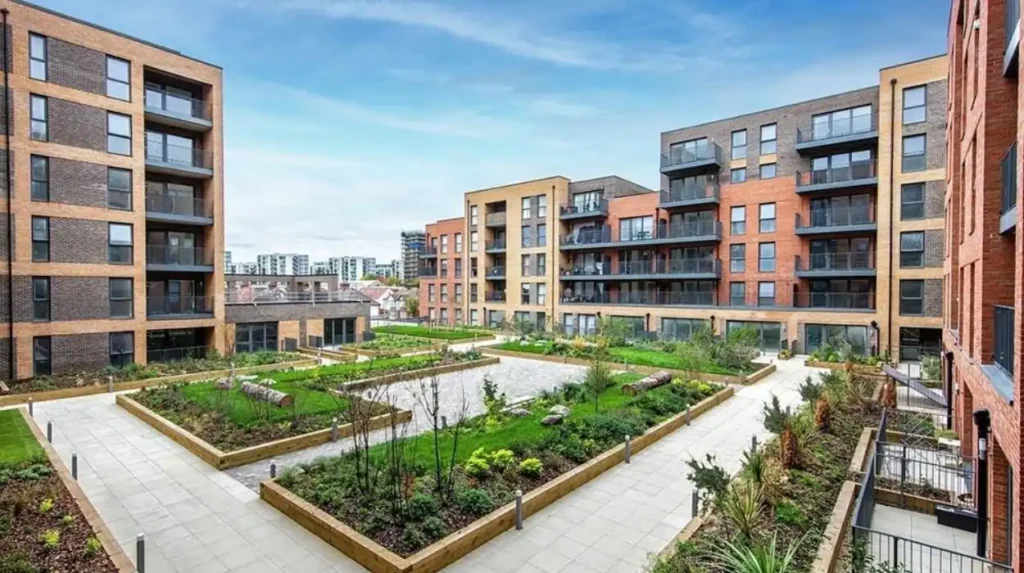
Southall remains an important affordability location because its housing market includes flats, terraces and established family homes alongside extensive regeneration. The Elizabeth line has strengthened connectivity, while Southall’s position within Ealing provides access to employment, retail, education and community infrastructure.
Southall is part of the London Borough of Ealing. Historically, the area developed around industry, manufacturing, railway infrastructure and local commerce.
The Elizabeth line has strengthened Southall’s transport position. The station provides direct rail connections towards central London and Heathrow.
Southall’s affordability should be assessed against the wider Ealing market. Ealing’s average house price was £575,814 in June 2026, above the London average of £554,000.
Southall itself contains a broad mixture of housing. Terraced houses and converted properties sit alongside modern apartment developments.
The area also has a major town centre with independent businesses, food retailers, restaurants and community services. These amenities reduce the need for frequent journeys elsewhere for everyday shopping.
Regeneration is another important factor. New residential developments have increased housing supply around the railway corridor. This creates additional apartment options for renters and buyers.
Southall therefore occupies an important position between affordability and connectivity. It provides access to central London without the pricing levels associated with several established inner-West London neighbourhoods.
Is Feltham affordable compared with other West London locations?
Feltham provides a comparatively accessible housing market within West London, supported by suburban housing stock and railway connectivity. Its location near Heathrow makes it particularly relevant for airport employees, logistics workers and households seeking western London access without central-London property prices.
Feltham is within the London Borough of Hounslow. The district contains established residential streets, local retail facilities, community services and a National Rail station.
Its principal affordability advantage comes from its location. Feltham sits west of the more expensive inner London districts while remaining within Greater London.
The area is particularly relevant to people working around Heathrow. Heathrow Airport is a major employment centre with jobs spanning aviation, logistics, hospitality, engineering and business services.
Feltham also provides access to surrounding employment centres through National Rail and road networks.
Property choices include flats, maisonettes, terraced houses and larger suburban properties. This makes the area relevant to both first-time buyers and households seeking additional space.
Housing affordability should still be assessed at street and property level. Two homes within the same postcode can have different values because of tenure, condition, size, lease length, parking, garden space and proximity to transport.
What role does Brent play in affordable West London housing?
Brent provides a mixed housing market between inner and outer West London, with an average house price of £544,174 in June 2026. Areas such as Harlesden, Neasden and parts of Wembley provide different price points, housing types and transport connections.
Brent occupies a strategically important position between central London and the northwestern suburbs. It includes Wembley, Harlesden, Kilburn, Neasden, Willesden and surrounding neighbourhoods.
The borough’s average house price was £544,174 in June 2026, approximately £10,000 below London’s £554,000 average. Annual prices declined by 3.4 percent.
Brent is therefore not uniformly affordable. Wembley has experienced substantial development and contains large numbers of modern apartments. Harlesden and surrounding neighbourhoods provide different housing stock and price structures.
Transport is one of Brent’s strongest characteristics. Underground, Overground, National Rail and bus routes connect different parts of the borough.
Harlesden is particularly important within the wider regeneration landscape around Old Oak and Park Royal. The Old Oak area is planned as a major new urban district centred around the future Old Oak Common station.
London City Hall states that the Old Oak and Park Royal regeneration programme is expected to deliver approximately 8,000 new homes, including affordable homes, alongside commercial space and new public realm.
How does transport affect affordability in West London?
Transport strongly influences the real affordability of West London housing because commuting costs affect household budgets. Elizabeth line, Underground and National Rail stations allow residents to live farther from central London while retaining access to employment and major destinations.
Transport accessibility has a direct financial dimension. A cheaper home with expensive commuting requirements can produce a higher total monthly cost than a more expensive home close to a station.
West London benefits from several major transport systems. The Elizabeth line connects areas including Southall, Hayes, West Drayton and Heathrow with central London.
The Piccadilly line serves locations including Hounslow and Heathrow. National Rail services connect Feltham and other suburban centres with central London and surrounding areas.
The planned Old Oak Common station represents another major transport transformation. London City Hall describes the site as a future interchange between High Speed 2, the Elizabeth line and Great Western Main Line services.
Transport access also affects rental demand. Properties within practical walking distance of stations generally have stronger accessibility than homes requiring additional bus journeys.
For affordability analysis, households should calculate the complete monthly cost of housing plus transport rather than comparing property prices alone.
Which property types offer the lowest entry costs in West London?
Flats and maisonettes generally provide the lowest purchase entry points across many West London markets. Terraced houses offer more space but higher prices, while semi-detached and detached homes typically require larger budgets because of land, floor area and private outdoor space.
Property type has a major effect on affordability. The Hounslow data demonstrate this clearly.
In June 2026, Hounslow flats and maisonettes averaged £347,000, while terraced properties averaged £594,000, semi-detached properties £694,000 and detached properties £1.012 million.
This difference explains why first-time buyers frequently focus on flats and maisonettes.
Flats also require additional due diligence. Buyers should examine lease length, service charges, reserve funds, ground rent provisions where applicable, building insurance, major works and management arrangements.
Terraced houses can provide greater floor area and private entrances but normally require a higher initial budget.
New-build apartments can offer modern layouts and energy-efficient specifications, while older properties can provide larger rooms but require more detailed condition checks.
Affordability therefore requires comparing the complete ownership cost rather than simply choosing the property with the lowest advertised price.
How does regeneration influence affordable areas in West London?
Regeneration increases housing supply, improves infrastructure and creates employment, but it also changes local property markets. West London schemes around Old Oak, Park Royal, Southall, Heathrow and the Great West Corridor are particularly relevant to future housing supply.
Regeneration refers to coordinated investment in housing, transport, employment, public space and community infrastructure.
West London contains several major Opportunity Areas. London planning policy identifies locations with substantial capacity for new homes and employment.
The Great West Corridor is identified as having potential for 7,500 new homes and 14,000 new jobs by 2041.
The White City Opportunity Area has potential for 7,000 new homes and 2,000 new jobs by 2041.
Old Oak and Park Royal represents an even larger transformation. Current planning proposals focus on creating a new urban district around Old Oak Common, with substantial housing, employment and infrastructure investment.
Regeneration can increase the supply of affordable housing through planning requirements. It can also introduce new private housing, retail facilities, parks and transport improvements.
For residents, regeneration changes the long-term characteristics of an area. For buyers, it makes planning policy and infrastructure delivery important parts of location research.
What should buyers and renters check before choosing an affordable West London area?
Buyers and renters should compare housing costs, transport, property condition, tenure, local services, council tax, energy efficiency and planned development. Official price statistics provide the starting point, while property-level research determines whether a specific home is financially suitable.
Property affordability requires more than a postcode comparison.
Buyers should investigate the property’s tenure. Leasehold flats require particular attention to lease length, service charges and planned major works. Freehold houses require assessment of structural condition, roof condition, heating systems and other maintenance requirements.
Renters should compare advertised rent with council tax, energy costs and commuting expenses. Rental prices can also vary significantly between properties within the same neighbourhood.
Transport should be assessed using actual commuting routes. A home near an Elizabeth line station has different practical value from a home requiring several connecting services.
Local planning applications are also important. New development can bring schools, shops, parks and transport improvements, while construction activity can temporarily affect local conditions.
The official ONS housing-price tools are useful for understanding long-term market trends. ONS also warns that local housing statistics rely on smaller transaction volumes than national estimates, making longer-term trends more useful than isolated monthly movements.
What does the future look like for affordable housing in West London?
West London’s affordability landscape will remain closely linked to housing delivery, transport investment, employment growth and planning policy. The 2026 draft London Plan places housing supply and affordable housing among its central priorities for London’s future development.
The Mayor of London published a new draft London Plan in July 2026. The consultation covers housing, transport, economic development, environment and wider planning policy, with consultation scheduled through October 2026.
The draft plan includes policies covering housing supply, housing protection, affordable housing and specialist accommodation.
This policy direction is significant for West London because several large development areas are already identified around Old Oak, Park Royal, the Great West Corridor, Heathrow and White City.
Old Oak and Park Royal has particular strategic importance because its transport infrastructure combines major rail connections with large-scale housing development.
Heathrow also remains central to West London’s employment geography. Its Opportunity Area designation identifies substantial potential for new homes and jobs.
For households searching for affordable housing, these developments make outer West London locations increasingly relevant. Hillingdon, Hounslow and parts of Brent provide lower average prices than several neighbouring inner boroughs, while Southall, Hayes, West Drayton and Feltham provide specific neighbourhood options.
Affordability will continue to depend on the relationship between housing costs, transport costs, wages, new supply and local infrastructure.
Explore More Area Guide
Best Areas to Invest in West London 2026
Buying a Home in West London: Complete Guide 2026
Which affordable West London areas stand out for different needs?
Hillingdon suits buyers prioritising lower borough-wide prices and suburban space; Hounslow suits households needing Heathrow and central-London access; Southall suits transport-focused renters and buyers; Hayes and West Drayton suit Elizabeth line users; Feltham suits Heathrow-oriented households.
Hillingdon provides one of the clearest borough-level affordability advantages. Its June 2026 average price was £474,665, below both Hounslow and the London average.
Hounslow provides a stronger combination of housing variety and employment access. Its average price remained below the London average, while flats averaged £347,000 in June 2026.
Southall provides strong rail connectivity through the Elizabeth line and a major established town centre.
Hayes and West Drayton combine Elizabeth line access with proximity to Heathrow and comparatively lower western-London housing costs.
Feltham provides suburban housing and railway connectivity close to Heathrow.
Brent offers a different affordability proposition. Its borough-wide average was close to the London average in June 2026, but its neighbourhood-level markets vary considerably.
The most affordable choice therefore depends on the household’s requirements. A first-time buyer seeking a flat has a different shortlist from a family requiring a three-bedroom house. A Heathrow employee has different transport priorities from a central-London commuter.
What are the key affordable areas in West London?
West London contains several locations where housing costs sit below the capital’s most expensive markets while retaining strong access to employment and transport. Hillingdon and Hounslow stand out at borough level, while Hayes, West Drayton, Southall and Feltham provide important neighbourhood-level options.
Official June 2026 data show Hillingdon at £474,665, Hounslow at £512,888, Brent at £544,174 and Ealing at £575,814, compared with £554,000 across London.
These figures demonstrate that affordability is not concentrated in one single district. It exists across different housing markets and property types.
For buyers, flats and maisonettes generally provide the lowest entry prices. For families, outer West London provides greater access to larger properties than central districts. For renters, proximity to railway and Underground stations can reduce commuting costs.
The strongest affordability strategy is therefore a complete comparison of property price, rent, transport, property type, household income, running costs and local infrastructure.
West London remains one of London’s most strategically connected residential regions. Its combination of Heathrow, Elizabeth line connectivity, established town centres and major regeneration projects ensures that affordable housing remains an important part of its long-term development.
What are the most affordable areas in West London?
Hillingdon, Hounslow, Hayes, West Drayton, Southall and Feltham are among the more affordable West London locations. These areas offer comparatively lower property prices while providing access to London Underground, Elizabeth line and National Rail services.