West London has a rich artistic heritage shaped by painters, designers, sculptors, illustrators and contemporary creatives. Its artistic identity connects historic riverside communities, Victorian design movements, influential art studios and modern creative spaces. Areas such as uk/local/hammersmith-and-fulham/hammersmith/">Hammersmith, Kensington, Chelsea, hounslow/chiswick/">Chiswick, Ealing, Richmond and Twickenham have contributed to London’s wider cultural landscape.
- What makes West London an important area for artists?
- Which famous artists have connections with West London?
- Which areas of West London have the strongest artistic heritage?
- Hammersmith: The home of Arts and Crafts creativity
- Chiswick: A neighbourhood of painters and illustrators
- Kensington and Chelsea: Museums and artistic education
- Richmond and Twickenham: Landscape painting and the Thames
- Ealing: Community art and contemporary creativity
- What types of art do West London artists create?
- Painting and fine art
- Sculpture and three-dimensional art
- Photography and visual documentation
- Illustration and graphic design
- Textile and decorative arts
- Digital and contemporary art
- How has West London’s artistic history developed?
- Eighteenth-century artistic development
- Nineteenth-century Romantic painting
- Victorian Arts and Crafts movement
- Twentieth-century figurative painting
- Twenty-first-century contemporary art
- Where can visitors discover art and artists in West London?
- Victoria and Albert Museum, South Kensington
- William Morris Society Museum, Hammersmith
- Turner’s House, Twickenham
- Hogarth’s House, Chiswick
- Chiswick House and Gardens
- How do artists in West London develop and exhibit their work?
- Research and creative development
- Studio practice and production
- Exhibitions and professional opportunities
- Online portfolios and digital promotion
- Why does West London continue to attract creative people?
- What is the future of the West London art scene?
- How can residents support local artists in West London?
The region has attracted artists because of its architectural heritage, green spaces, riverside landscapes, educational institutions and access to London’s galleries and cultural organisations. Its artistic history includes internationally recognised figures such as J.M.W. Turner, William Morris and Lucian Freud.
Today, West London continues to support professional artists, independent studios, galleries, community art projects and emerging creative talent. Understanding its artistic development provides insight into the people, places and cultural movements that have shaped the area’s identity.
What makes West London an important area for artists?
West London is an important artistic region because it combines historic artists’ residences, creative communities, cultural institutions and accessible exhibition spaces. Its connections with painters, designers and contemporary practitioners demonstrate how local landscapes, architecture and communities influence artistic production.
West London occupies a significant position in London’s cultural geography. Its artistic importance comes from its relationship with the River Thames, historic villages, wealthy residential districts, industrial neighbourhoods and established cultural institutions.
Unlike a single art district, West London has several creative centres. Kensington and Chelsea have longstanding connections with galleries, museums and art education. Hammersmith has an important relationship with the Arts and Crafts movement. Chiswick and Richmond provide connections with landscape painting, historic architecture and riverside scenery.
The region also benefits from London’s wider creative economy. Artists access specialist suppliers, exhibition venues, universities, museums, collectors and professional networks across the capital.
West London’s artistic identity includes several interconnected disciplines:
- Fine art: Painting, drawing, printmaking and sculpture, including traditional oil painting and contemporary mixed-media work.
- Decorative arts: Textiles, furniture, ceramics and wallpaper design, including William Morris’s influential patterns.
- Photography: Documentary, portrait, architectural and experimental photography.
- Digital art: Digital illustration, animation, graphic design and interactive installations.
- Public art: Murals, community installations and sculptures displayed in public spaces.
These disciplines contribute to a diverse artistic environment rather than a culture dominated by one medium.
Which famous artists have connections with West London?
Several internationally recognised artists have strong historical connections with West London, including J.M.W. Turner, William Morris and Lucian Freud. Their relationships with Twickenham, Hammersmith and Paddington demonstrate the area’s contribution to British painting and design.
West London has connections with artists from different historical periods. Some lived in the region, others worked there or used its landscapes as subjects. Their achievements helped establish the area’s place in British art history.
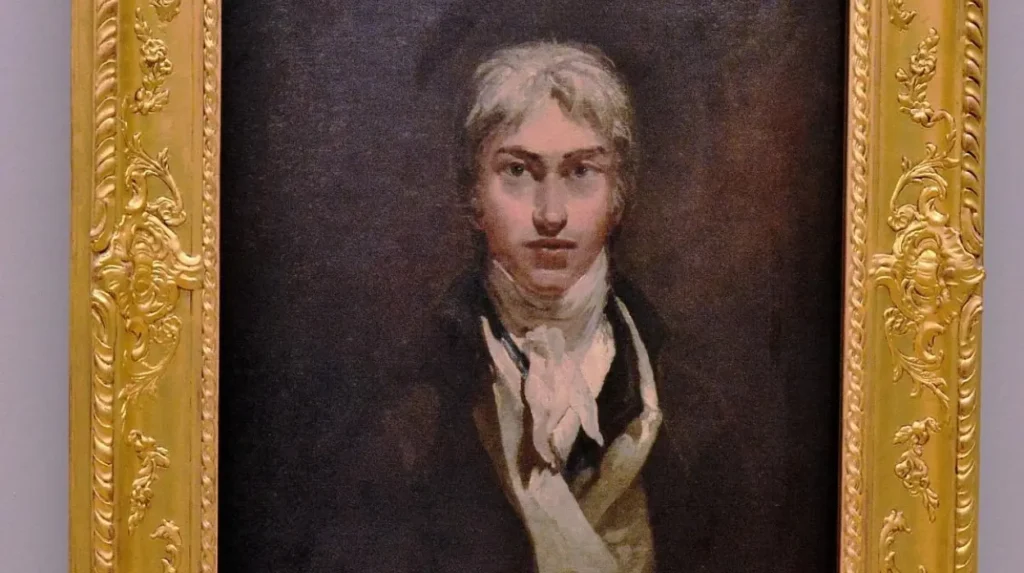
J.M.W. Turner
Joseph Mallord William Turner was a leading English Romantic painter, printmaker and watercolourist. His work explored landscapes, weather, light and the relationship between nature and human activity.
Turner maintained a strong connection with Twickenham, where he designed and built Sandycombe Lodge as a private retreat. The house was completed around 1813 and provided a peaceful base away from London’s art world.
Turner used the surrounding Thames landscape for walking, sketching and fishing. His observations of the area informed his landscape practice. One important related painting is England: Richmond Hill on the Prince Regent’s Birthday (1819).
English Heritage records Turner’s residence at 40 Sandycoombe Road and identifies the building as his designed home.
William Morris
William Morris was an influential designer, writer, poet and social reformer. He helped establish the Arts and Crafts movement, which promoted craftsmanship and high-quality design.
Morris lived at Kelmscott House in Hammersmith from 1878 until his death in 1896. The property became an important part of his personal and creative history.
His work covered textiles, wallpaper, furniture, stained glass, book design and decorative arts. Morris & Co. became particularly associated with detailed natural patterns featuring flowers, leaves, birds and other botanical subjects.
His approach challenged the growing dominance of industrial mass production. He supported skilled craftsmanship and the integration of artistic design into everyday objects.
The William Morris Society maintains a museum at Kelmscott House, preserving objects and historical information associated with his life and work. The William Morris Society
Lucian Freud
Lucian Freud was a major twentieth-century figurative painter. He became known for psychologically intense portraits, nude studies and detailed representations of the human body.
Freud settled in Britain after leaving Berlin with his family in 1933. His artistic career developed in London, including a period when he lived in Paddington.
His paintings frequently depicted people and places familiar to him. His early surroundings included the streets, industrial buildings and urban landscapes around Paddington.
Freud became associated with the School of London, a broad grouping of figurative painters working in postwar Britain. His approach emphasised observation, physical detail and the relationship between artist and subject.
The National Portrait Gallery and the Government Art Collection document his artistic career and contribution to British figurative painting.
These artists represent different artistic traditions. Turner developed landscape painting, Morris transformed decorative design, and Freud established a distinctive approach to modern portraiture.
Which areas of West London have the strongest artistic heritage?
West London’s artistic heritage is spread across several neighbourhoods, each with distinct cultural associations. Hammersmith represents Arts and Crafts design, Chiswick connects historic painters, Kensington supports museum culture, and Richmond preserves important landscape painting connections.
Hammersmith: The home of Arts and Crafts creativity
Hammersmith holds an important position in Victorian artistic history because of its association with William Morris and the Arts and Crafts movement.
The riverside area around Upper Mall became a centre for artistic activity during the late nineteenth century. Morris lived at Kelmscott House, where his creative, publishing and political activities developed.
Hammersmith’s artistic history also involved craftsmen, designers and collaborators working across different materials. These included textile designers, furniture makers, book illustrators and decorative artists.
The William Morris Society continues to preserve this heritage through its museum, historic collections and educational activities. Its location at Kelmscott House provides an important connection between modern visitors and Victorian design history.
Chiswick: A neighbourhood of painters and illustrators
Chiswick has an extensive artistic history involving landscape painters, portrait artists and illustrators.
Artists associated with Chiswick include:
- William Hogarth: An eighteenth-century painter and engraver associated with Chiswick, where his former home is preserved as Hogarth’s House.
- Johann Zoffany: A prominent eighteenth-century portrait painter associated with the Chiswick artistic community.
- Camille Pissarro: A major Impressionist painter whose connections with Chiswick feature in local artistic records.
- James McNeill Whistler: An influential artist included in the area’s wider artistic history.
- Peter Blake: A leading figure in British Pop Art.
The Chiswick Book Festival’s artist timeline, launched in March 2026, identified 419 artists and illustrators who lived in Chiswick or created images of the area. This demonstrates the depth of its artistic connections. Chiswick Book Festival
Kensington and Chelsea: Museums and artistic education
Kensington and Chelsea have a significant relationship with art education, decorative design and international exhibitions.
The Victoria and Albert Museum is one of the area’s most important cultural institutions. Its collections cover decorative arts, fashion, sculpture, textiles, photography, ceramics and design.
The museum’s historical connection with William Morris includes the Green Dining Room, which demonstrates his contribution to Victorian interior decoration.
The Royal College of Art also contributes to London’s creative environment through postgraduate education, research and professional artistic development.
Kensington’s artistic identity therefore extends beyond individual painters. It includes institutions that preserve collections, develop artistic skills and support new design practices.
Richmond and Twickenham: Landscape painting and the Thames
Richmond and Twickenham have a particularly strong relationship with landscape art.
The River Thames, Richmond Hill, historic gardens and open green spaces provide subjects for painters and photographers. These landscapes attracted artists interested in natural light, changing weather and riverside architecture.
Turner’s Sandycombe Lodge in Twickenham provides a direct historical connection. The house demonstrates how the surrounding environment influenced his artistic practice.
The nearby Thames landscape also remains relevant to contemporary photographers, landscape painters and outdoor sketching groups.
Ealing: Community art and contemporary creativity
Ealing has an active cultural identity connected with local arts organisations, independent creative practitioners, public events and community participation.
The borough’s neighbourhoods include Ealing Broadway, Acton, Southall, Hanwell and Northolt. Each provides different social and architectural environments for artistic expression.
Local artists work across painting, illustration, photography, textiles, ceramics and digital media. Community exhibitions and cultural events provide opportunities to introduce creative work to residents.
Ealing’s multicultural communities also contribute to artistic subjects and visual traditions. Local creative activity reflects the borough’s varied cultural backgrounds, neighbourhood histories and changing urban environment.
What types of art do West London artists create?
Artists in West London work across traditional and contemporary disciplines, including painting, sculpture, photography, illustration, textiles and digital media. These creative practices connect established artistic traditions with modern technology, public participation and changing cultural interests.
West London’s artistic environment includes professional practitioners, independent creators, students and hobby artists. Their work ranges from traditional fine art to experimental creative production.
Painting and fine art
Painting remains an established artistic discipline across West London.
Artists produce oil paintings, acrylic paintings, watercolours and mixed-media compositions. Their subjects include portraits, landscapes, architecture, still life and abstract forms.
Landscape painting has a particularly strong historical connection with the Thames. Turner’s work demonstrates the importance of natural surroundings in developing artistic techniques.
Contemporary painters also explore urban environments, residential architecture, parks and everyday community life.
Sculpture and three-dimensional art
Sculpture involves creating three-dimensional artworks using materials such as stone, wood, metal, plaster and clay.
West London sculptors work across traditional techniques and contemporary fabrication. Their projects include individual artworks, public installations, decorative objects and experimental forms.
Public sculpture also contributes to the visual identity of parks, cultural buildings and public spaces.
Photography and visual documentation
Photography provides another important creative discipline.
Professional and independent photographers document architecture, landscapes, people, cultural events and everyday neighbourhood life.
West London offers varied photographic subjects, including the Thames, Kensington’s historic buildings, Chiswick’s residential streets, Richmond’s parks and Hammersmith’s riverside environment.
Digital photography also allows artists to experiment with editing, composition, colour correction and visual storytelling.
Illustration and graphic design
Illustrators create visual material for publishing, advertising, education, entertainment and independent creative projects.
Their work includes book illustrations, editorial drawings, posters, character designs and digital artwork.
Graphic designers use typography, colour, images and layout to communicate information. These skills connect traditional illustration with contemporary commercial and digital industries.
Textile and decorative arts
Textile design has a particularly important connection with West London through William Morris.
Artists and designers create patterns for fabrics, wallpaper, embroidery, furnishings and decorative objects.
Contemporary textile practitioners combine traditional processes with digital printing, sustainable materials and experimental surface design.
Morris’s emphasis on craftsmanship continues to provide historical context for this discipline. V&A+2
Digital and contemporary art
Digital artists use computer software, photography, animation and interactive technology to produce visual work.
Their projects include digital illustration, motion graphics, video installations and experimental visual experiences.
Contemporary artists increasingly combine physical and digital techniques. This approach connects traditional painting and sculpture with modern methods of production and exhibition.
How has West London’s artistic history developed?
West London’s artistic history developed through several cultural periods, including eighteenth-century portraiture, nineteenth-century Romantic painting, Victorian Arts and Crafts design and twentieth-century figurative art. Each period introduced different artistic methods, institutions and creative influences.
Eighteenth-century artistic development
During the eighteenth century, West London became associated with wealthy estates, architectural development, private art collections and prominent artists.
Chiswick developed an important cultural reputation through its association with painters and collectors.
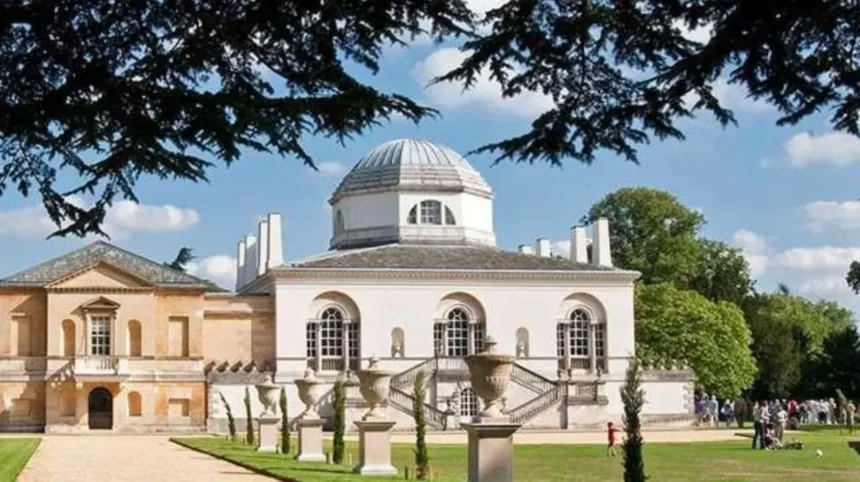
Chiswick House was designed as an architectural and artistic statement for Richard Boyle, the third Earl of Burlington. Its interiors displayed paintings, decorative objects and specially designed furniture.
Burlington’s support for artists, architects and musicians contributed to the area’s artistic environment. Chiswick House & Gardens
William Hogarth also established an important connection with Chiswick. His paintings and engravings documented social behaviour, everyday life and contemporary British society.
Nineteenth-century Romantic painting
The nineteenth century introduced major developments in British landscape painting.
Romanticism was an artistic and literary movement that emphasised nature, imagination, emotion and individual experience.
J.M.W. Turner became one of its leading representatives. His paintings explored atmospheric conditions, sunlight, storms, rivers and maritime subjects.
His connection with Twickenham demonstrates the importance of West London’s natural environment in this artistic period.
Victorian Arts and Crafts movement
The Victorian period brought major changes in British manufacturing and decorative design.
Industrialisation increased the production of commercially manufactured goods. William Morris and other Arts and Crafts advocates promoted skilled craftsmanship, thoughtful design and the relationship between makers and their products.
Morris’s activities at Hammersmith helped establish the area as an important centre for this movement.
The Victoria and Albert Museum documents how Morris’s designs influenced British decorative arts, particularly textiles, wallpapers, furniture and interior decoration.
Twentieth-century figurative painting
Twentieth-century West London artistic connections included modern figurative painting and changing approaches to portraiture.
Lucian Freud’s work represents an important development in British figurative art.
Figurative art represents recognisable subjects, particularly the human body, people and everyday objects. Freud used close observation, distinctive brushwork and detailed representations of physical appearance.
His association with Paddington connects this artistic tradition with West London’s urban environment.
Twenty-first-century contemporary art
Contemporary West London artists operate in a creative environment shaped by digital technology, international influences, educational institutions and independent exhibition spaces.
Their practices include painting, photography, installation art, illustration, sculpture and multimedia production.
Local creative communities also support discussions about sustainability, urban development, identity, architecture and social change.
These subjects ensure that West London’s artistic identity continues to develop beyond its historic associations.
Where can visitors discover art and artists in West London?
Visitors can explore West London’s artistic heritage through historic artists’ houses, museums, galleries and cultural venues. Kelmscott House, Turner’s House, Hogarth’s House, Chiswick House and the Victoria and Albert Museum provide important opportunities to discover artists.
Victoria and Albert Museum, South Kensington
The Victoria and Albert Museum is a major destination for understanding British and international art and design.
Its collections include:
- Paintings and drawings, including historical and contemporary examples.
- Textiles and fashion, including decorative patterns and fabric designs.
- Sculpture and ceramics, including historical and modern objects.
- Furniture and interiors, including examples of decorative craftsmanship.
- Photography and visual design, including historical photographic collections.
The museum’s William Morris collections provide useful insight into Victorian decorative arts and the Arts and Crafts movement.
William Morris Society Museum, Hammersmith
The William Morris Society operates a museum at Kelmscott House.
Visitors can explore the historic Coach House, museum rooms, original designs and personal objects connected with Morris.
The museum provides information about his work as a designer, writer, publisher and social reformer.
Its location is particularly significant because Morris lived at Kelmscott House from 1878 until 1896.
Turner’s House, Twickenham
Turner’s House
Sandycombe Lodge was designed by J.M.W. Turner and completed around 1813. It provides an opportunity to explore his architectural interests, domestic life and connection with the Thames landscape.
The historic property underwent conservation and restoration before opening to the public in July 2017.
Its exhibitions and educational activities help visitors understand Turner’s artistic development and the environment that influenced his work.
Hogarth’s House, Chiswick
Hogarth’s House is associated with William Hogarth, an important eighteenth-century British painter and engraver.
The historic property provides information about his artistic career and the development of satirical art in Britain.
Hogarth’s paintings frequently explored social behaviour, contemporary life and moral issues.
Chiswick House and Gardens
Chiswick House connects architectural history, art collecting, landscape design and cultural heritage.
Its association with Lord Burlington demonstrates how wealthy patrons supported artists and designers during the eighteenth century.
The building and gardens provide historical context for understanding the relationship between architecture, visual art and landscape design.
How do artists in West London develop and exhibit their work?
West London artists develop their work through research, technical practice, studio production and professional networking. They present finished projects through galleries, exhibitions, community events, online portfolios and collaborative cultural programmes that connect artists with audiences.
The process of developing an artwork generally involves several stages.
Research and creative development
Artists begin by identifying a subject, theme or concept. Their research includes studying historical references, observing their surroundings, collecting visual material and experimenting with different techniques.
A landscape painter, for example, studies lighting conditions, perspective, colour and environmental changes before producing a finished composition.
A textile designer researches patterns, fabric properties, printing methods and material durability.
Studio practice and production
Artists use dedicated workspaces to produce and refine their projects.
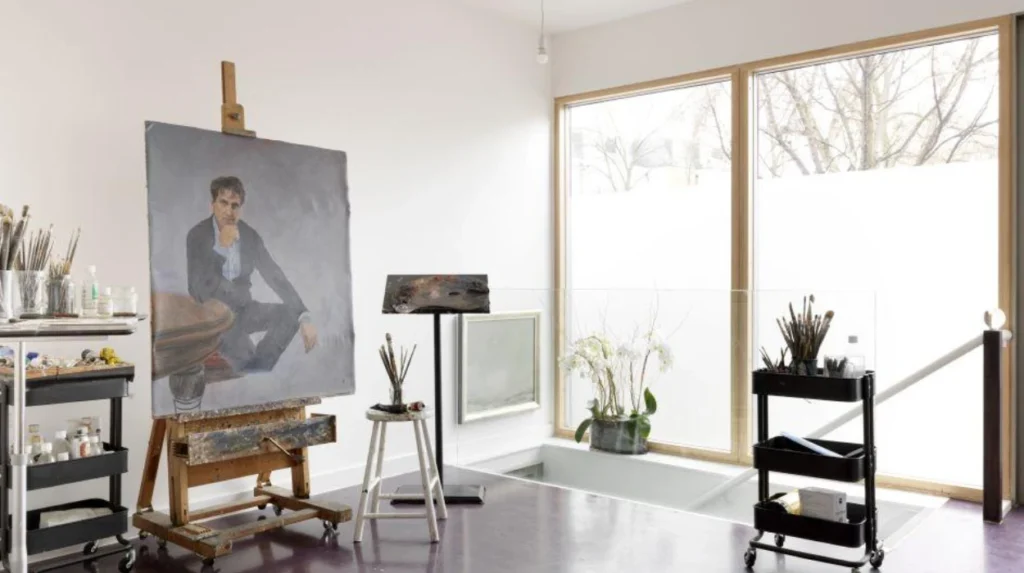
A painting studio requires suitable lighting, storage, painting surfaces and materials. A sculptor needs appropriate tools, equipment and workspace for handling physical materials.
Digital artists require computers, specialist software and suitable display equipment.
Some artists maintain private studios, while others use shared creative workspaces and community facilities.
Exhibitions and professional opportunities
Exhibitions provide opportunities for artists to display their work and develop professional relationships.
West London artists access different presentation formats, including independent exhibitions, institutional displays, community showcases and temporary cultural events.
An exhibition also helps artists receive feedback, build public recognition and connect with potential clients.
Online portfolios and digital promotion
Digital platforms have become important for artists seeking professional visibility.
Online portfolios display completed work, artistic biographies, project descriptions and contact information.
Social media also helps independent artists communicate with audiences and promote exhibitions.
Professional websites provide a permanent location for documenting artistic development and displaying available commissions.
Why does West London continue to attract creative people?
West London attracts creative people through its cultural institutions, architectural heritage, educational opportunities, established neighbourhoods and access to London’s wider creative economy. These factors support artistic learning, professional collaboration, independent production and cultural participation.
The region offers different environments for creative development.
Its cultural infrastructure includes museums, heritage buildings, educational organisations, exhibition venues and public spaces. These resources help artists research techniques, study historical collections and present original work.
West London’s architectural diversity also provides visual inspiration. Historic buildings, Victorian residential streets, modern developments and riverside environments offer contrasting subjects for photographers, painters and illustrators.
Its international communities contribute additional cultural perspectives. Artists draw inspiration from different traditions, languages, experiences and visual practices.
The region also benefits from its wider connection with London’s creative industries. Artists can engage with publishers, designers, photographers, commercial galleries, educational organisations and cultural organisations throughout the capital.
Explore More Area Guide
Fitness Events in West London: Your Complete Guide
Martial Arts Centres in West London: Complete Guide
What is the future of the West London art scene?
The future of West London’s art scene depends on continued creative education, accessible exhibition opportunities, digital innovation and preservation of its artistic heritage. Emerging artists and established institutions contribute to maintaining the region’s cultural relevance.
Contemporary artistic development increasingly combines traditional skills with new production methods.
Digital illustration, video installations, experimental photography and interactive design are expanding the range of creative work.
Environmental sustainability also influences contemporary art. Artists increasingly investigate material reuse, responsible production, conservation and the relationship between urban development and natural environments.
Community participation remains important. Local exhibitions, workshops and educational programmes introduce artistic activities to residents who do not work professionally in the creative industries.
Historic preservation provides another important responsibility. Buildings such as Kelmscott House and Sandycombe Lodge demonstrate the value of protecting places associated with influential artists.
West London’s long-term artistic identity therefore depends on maintaining a relationship between historical conservation and contemporary creative development.
How can residents support local artists in West London?
Residents support West London artists by attending exhibitions, purchasing original artwork, joining creative workshops and promoting independent practitioners. Community participation helps artists develop professional opportunities, maintain creative spaces and preserve the area’s cultural identity.
There are several practical ways to support the local artistic community.
Attending independent exhibitions introduces residents to emerging artists and different creative disciplines. Purchasing original paintings, prints, photographs and handmade products provides direct financial support.
Creative workshops also help strengthen relationships between artists and local communities. Residents can develop practical skills in painting, drawing, photography, ceramics and textile design.
Local organisations and educational institutions contribute through public programmes, exhibitions and creative learning opportunities.
Supporting historic artistic institutions is equally important. Visiting places such as Kelmscott House and Turner’s House helps maintain public awareness of West London’s artistic heritage.
West London’s creative future depends on cooperation between artists, residents, educational organisations, cultural institutions and local communities.
Who are the most famous artists associated with West London?
Some famous artists associated with West London include J.M.W. Turner, William Morris, Lucian Freud and William Hogarth. Their connections with Twickenham, Hammersmith, Paddington and Chiswick contributed to the area’s artistic heritage.