


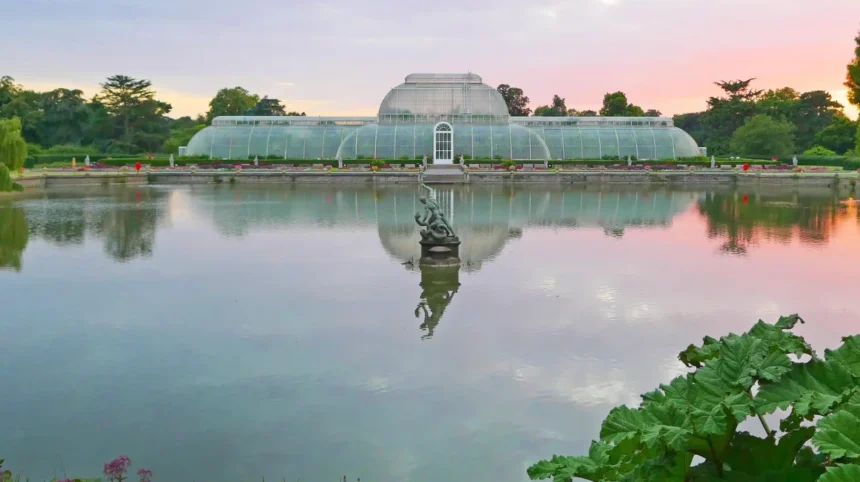
West London is a strong staycation destination because it combines historic royal estates, botanical gardens, riverside landscapes, major parks, museums, shopping districts and well-connected neighbourhoods within Greater London. A staycation here can focus on heritage, nature, food, culture, family activities or relaxed local exploration.
- What makes West London suitable for a staycation?
- Which West London areas are best for a staycation?
- How can you create a nature-focused West London staycation?
- What historical attractions can you visit during a West London staycation?
- How can you plan a West London garden and park weekend?
- What are the best West London staycation ideas for families?
- How can you enjoy a food-focused staycation in West London?
- Which West London staycation ideas work for couples?
- What can you do on a West London staycation without a car?
- How can you create a two-day West London staycation itinerary?
- How can you plan a three-day West London staycation?
- What should you consider when booking a West London staycation?
- Why is West London likely to remain a strong staycation destination?
What makes West London suitable for a staycation?
West London provides a varied staycation environment with historic palaces, botanical gardens, royal parks, riverside districts, cultural attractions, restaurants and shopping centres. Areas such as uk/local/richmond-upon-thames/richmond/">Richmond, Kew, hounslow/chiswick/">Chiswick, fulham/hammersmith/">Hammersmith, Ealing and Southall offer different experiences without requiring long-distance travel.
West London covers a broad part of the capital, stretching from neighbourhoods around Paddington and Notting Hill towards Richmond, Hounslow and Heathrow. Visit London identifies West London attractions and districts including Chiswick, Hammersmith, South Kensington, Notting Hill, Paddington and Little Venice.
This geographic variety makes the area suitable for different staycation formats. A visitor can choose a hotel-based weekend, a one-day local break, a family weekend, a heritage-focused trip or a nature-based escape.
Richmond and Kew provide particularly strong options for combining outdoor recreation with historic attractions. Chiswick adds independent shops, cafés, riverside venues and historic houses. Southall provides a distinctive food and shopping experience, while Hammersmith offers riverside walks, entertainment and transport connections.
The main advantage is concentration. Several major attractions sit within relatively short travel distances, allowing visitors to create a local holiday without extensive road travel.
Which West London areas are best for a staycation?
Richmond, Kew, Chiswick, Hammersmith, Ealing, Southall, Hounslow and Notting Hill provide different West London staycation experiences. Richmond suits nature and heritage, Kew suits gardens, Chiswick suits culture, Southall suits food, and Hammersmith suits riverside leisure.
Richmond
Richmond combines a riverside centre with Richmond Park, historic properties, restaurants, independent shops and walking routes. Visit London highlights Richmond’s riverside setting, historic pubs, restaurants, independent shops and large park.
Richmond works well for a staycation centred on walking, heritage and food. Visitors can combine Richmond Riverside with Richmond Park and nearby attractions.
Kew
Royal Botanic Gardens, Kew is suited to botanical and cultural stays. Kew Gardens covers 320 acres and contains more than 50,000 living plants within its UNESCO World Heritage Site.
The area also provides access to riverside paths, cafés, restaurants and transport connections.
Chiswick
Chiswick provides a quieter neighbourhood environment with historic houses, gardens, independent businesses and riverside venues. Visit London describes it as a leafy West London neighbourhood with cafés, independent shops, Syon House and Chiswick House.
Southall
Southall provides a food-focused staycation based around South Asian restaurants, cafés, bakeries, specialist shops and markets. Its commercial centre provides a different cultural experience from the historic estates and landscaped parks elsewhere in West London.
Hammersmith
Hammersmith combines transport accessibility with the River Thames, entertainment venues, restaurants and shopping. It works particularly well for visitors who want to combine sightseeing with evening dining and entertainment.
How can you create a nature-focused West London staycation?
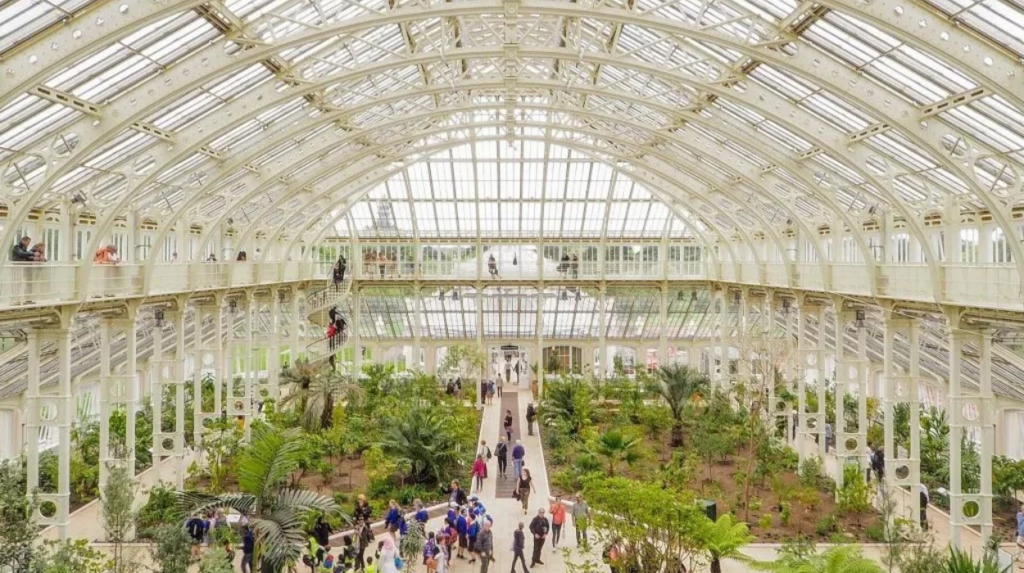
A nature-focused West London staycation can combine Kew Gardens, Richmond Park, the River Thames, Osterley Park and Chiswick’s gardens. These locations provide botanical collections, woodland, grassland, water features, wildlife habitats and formal landscapes within Greater London.
Kew Gardens is the largest botanical attraction in this itinerary. Its 320-acre site contains more than 50,000 living plants and operates as both a visitor attraction and a scientific institution.
Richmond Park provides a different natural environment. The Royal Parks identifies it as a 2,500-acre National Nature Reserve containing wetlands, meadows, ancient trees and acid grassland. It also contains 1,000 veteran trees and 25 permanent ponds and wetlands.
The park supports substantial wildlife populations. The Royal Parks states that more than 630 red and fallow deer live there. Visitors are advised to maintain a minimum distance of 50 metres from deer because they are wild animals.
Osterley Park provides another outdoor option. The National Trust describes it as a Georgian country estate in West London with parkland, formal gardens, lakes, paths and wildlife.
These destinations support different levels of activity. Kew suits structured garden exploration. Richmond Park suits longer walks and wildlife observation. Osterley suits estate walks and relaxed outdoor recreation.
What historical attractions can you visit during a West London staycation?
West London contains royal palaces, Georgian estates, historic villas and heritage gardens. Hampton Court Palace provides Tudor and Stuart history, Chiswick House represents eighteenth-century architecture, and Osterley Park presents a Georgian country estate and landscaped parkland.
Hampton Court Palace
Hampton Court Palace provides one of the strongest heritage experiences accessible from West London.
The palace began as a project of Cardinal Thomas Wolsey in the early sixteenth century before becoming associated with Henry VIII and the Tudor dynasty. Historic Royal Palaces describes Hampton Court as a 500-year-old royal pleasure palace.
Henry VIII used Hampton Court as a royal residence and centre of court life. Later monarchs expanded and remodelled the site. William III and Mary II commissioned Sir Christopher Wren to create a Baroque palace during the late seventeenth century.
The gardens provide another major component. Their history extends across Tudor, Stuart and Victorian periods, with formal gardens, the Great Vine, the Maze, the Privy Garden and the Royal Kitchen Garden.
Chiswick House
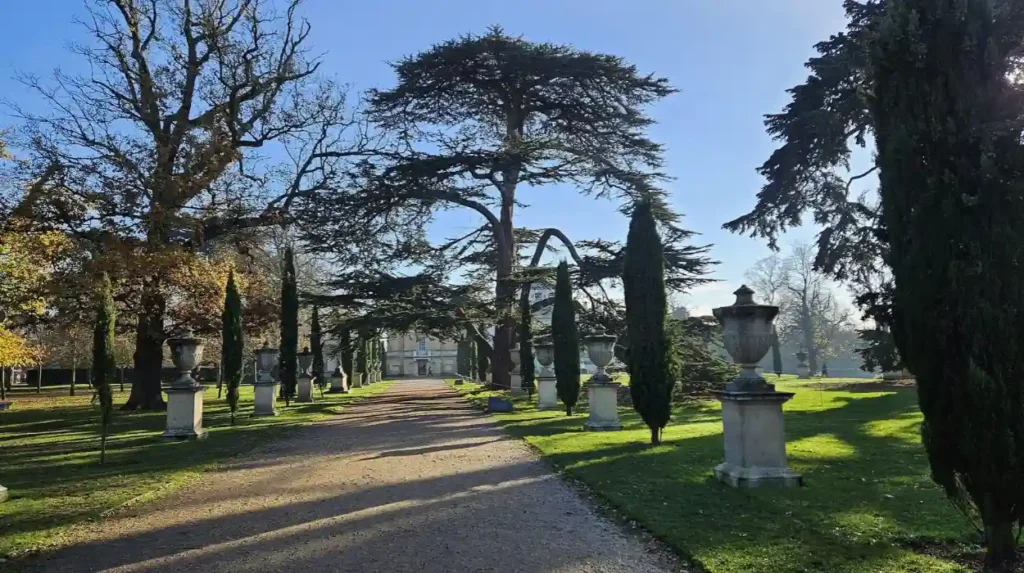
Chiswick House is an early eighteenth-century villa designed by Richard Boyle, the 3rd Earl of Burlington. English Heritage identifies it as an important example of Neo-Palladian architecture in England. Its surrounding landscape also has a major place in the development of the English landscape garden.
Osterley Park and House
Osterley provides a different heritage experience. The National Trust describes it as a Georgian country estate in West London. Its house contains interiors associated with architect Robert Adam, while the gardens include a Tudor walled garden and eighteenth-century flower beds.
A heritage-focused staycation can therefore combine several architectural periods rather than concentrating on one historical era.
How can you plan a West London garden and park weekend?
A garden and park weekend works best when visitors group nearby destinations instead of crossing London repeatedly. Kew can form the botanical day, Richmond Park the wildlife day, and Osterley or Chiswick the heritage garden day.
A Kew-focused day can begin with the Royal Botanic Gardens and continue towards the River Thames. Kew provides substantial walking opportunities because its 320-acre estate contains multiple gardens, glasshouses, collections and architectural features.
A Richmond-focused day can combine Richmond Park with the town centre and riverside. Richmond Park’s scale supports longer outdoor visits, while the town provides restaurants, cafés and shops.
The Royal Parks identifies Richmond Park as London’s largest Royal Park at 2,500 acres. Its combination of wetlands, meadowland, ancient trees and grassland creates a broad natural environment.
An Osterley day can focus on the house, gardens and wider estate. The National Trust states that the park is open throughout the year and includes walks, outdoor activities and wildlife opportunities.
A Chiswick day can combine Chiswick House and Gardens with the surrounding neighbourhood. The area’s cafés, independent shops and riverside venues extend the visit beyond the heritage attraction itself.
What are the best West London staycation ideas for families?
Family staycations in West London can combine open parks, gardens, museums, historic attractions, playgrounds and riverside walks. Hampton Court provides dedicated family attractions, while Kew, Richmond Park and Osterley provide outdoor spaces for exploration and recreation.
Hampton Court includes the Magic Garden, a one-acre children’s play area opened in 2016. It occupies the former site of Henry VIII’s tournament grounds and uses Tudor-inspired structures, towers, walkways and play features.
Kew offers a broader educational experience. Its botanical collections connect recreation with plant science and conservation. More than 50,000 living plants provide a large educational resource for visitors.
Richmond Park provides space for walking and wildlife observation. Families should follow the park’s wildlife guidance and keep at least 50 metres from deer.
Osterley provides lawns, paths, gardens, lakes and cycle hire. The National Trust specifically lists cycling, outdoor activities, wildlife observation and picnicking among activities available at the estate.
Family planning works best when the itinerary includes breaks between major attractions. Large parks require more walking than compact museums or historic houses, so daily plans should account for distances and opening hours.
How can you enjoy a food-focused staycation in West London?
A food-focused West London staycation can combine Southall’s South Asian food culture, Chiswick’s cafés and restaurants, Richmond’s riverside dining, Hammersmith’s restaurant scene and traditional pubs with local sightseeing during the same weekend.
Southall is one of the strongest destinations for a food-led West London itinerary. Its commercial centre contains restaurants, cafés, sweet shops, bakeries and specialist food businesses associated with South Asian cuisines.
Chiswick provides a different food environment. Visit London highlights its café culture, riverside bars and restaurants alongside independent shops and historic attractions.
Richmond provides another dining option after outdoor activities. Visit London lists restaurants, historic pubs and riverside venues as part of the area’s visitor offer.
Hammersmith is useful for combining food with evening entertainment because its central location provides access to restaurants, cultural venues and the River Thames.
A food staycation can therefore use different neighbourhoods for different meals. Southall suits a South Asian food itinerary, Chiswick suits café and restaurant visits, while Richmond provides a riverside dining setting.
Which West London staycation ideas work for couples?
Couples can build a West London staycation around botanical gardens, riverside walks, historic houses, independent restaurants, cafés and evening entertainment. Kew, Richmond, Chiswick and Hampton Court provide distinct settings for relaxed daytime itineraries followed by local dining.
Kew provides a structured daytime experience based on gardens, plants and architecture. The gardens are accessible by rail, bus and river, according to Kew’s visitor information.
Richmond provides a combination of open space and urban amenities. A stay can include Richmond Park during the day followed by riverside dining.
Chiswick works for a neighbourhood-based itinerary. Visitors can combine Chiswick House with cafés, independent shops and the Thames.
Hampton Court adds a major heritage component. Its palace, historic interiors and gardens create a full-day cultural itinerary.
Couples seeking a quieter stay can prioritise garden and riverside locations rather than high-footfall shopping destinations.
What can you do on a West London staycation without a car?
West London is suitable for car-free staycations because major districts and attractions are served by Underground, rail, bus and other public transport. The Elizabeth line also provides direct connections through West London and fast access between Heathrow and central London.
The Elizabeth line connects Heathrow with central London and continues eastwards through the capital. Transport for London states that trains operate between Heathrow, central London and destinations including Reading, Shenfield and Abbey Wood.
The Heathrow connection is particularly useful for visitors arriving by air. TfL states that Paddington to Heathrow journeys take 28 minutes, while all 41 Elizabeth line stations are step-free from street to platform.
Kew also has several access options. Kew states that its four gates can be reached by rail, bus or river and that the gardens are approximately 30 minutes from central London.
Richmond has Tube and rail connections, making it practical for visitors staying elsewhere in London. Visit London describes Richmond as approximately 20 minutes from Earl’s Court by District line service.
Car-free planning also reduces the need to find parking at major attractions. Visitors should check current TfL service information before travelling because routes, engineering works and timetables change.
How can you create a two-day West London staycation itinerary?
A two-day West London staycation can divide attractions geographically and thematically. Day one can focus on Kew and Richmond, while day two can combine Chiswick, Hammersmith or Osterley with dining, shopping and riverside activities.
Day one: Kew and Richmond
Start with Kew Gardens. Allocate several hours because the 320-acre site contains extensive botanical collections and multiple visitor areas.
Continue towards Richmond for an afternoon walk and riverside visit. If time permits, use part of the afternoon for Richmond Park.
Richmond Park is large enough to support a separate visit, so visitors seeking a shorter day should focus on one section rather than attempting to cover the entire 2,500-acre park.
Finish the day with dinner in Richmond.
Day two: Chiswick and Osterley
Begin at Chiswick House and Gardens. The site’s eighteenth-century architecture and landscape history provide a heritage-focused morning.
Continue through Chiswick’s local streets for cafés and independent shops.
Osterley provides an alternative afternoon destination. Its estate includes parkland, gardens, a lake, historic buildings and outdoor activities.
Visitors who prefer shopping can replace the afternoon heritage visit with a West London retail destination such as Westfield London, which Visit London identifies among major West London attractions.
How can you plan a three-day West London staycation?
A three-day staycation allows visitors to separate heritage, nature and food rather than combining too many attractions. Use one day for Kew and Richmond, one for Hampton Court and one for Chiswick, Osterley, Southall or Hammersmith.
The first day can focus on Kew and Richmond because both provide strong combinations of nature, heritage and riverside activities.
The second day can focus on Hampton Court Palace and its gardens. The site’s 500-year history provides enough material for a dedicated heritage visit.
The third day can be tailored to personal interests. Chiswick suits architecture and cafés. Osterley suits gardens and outdoor recreation. Southall suits food and shopping. Hammersmith suits riverside leisure and entertainment.
Separating destinations across three days reduces unnecessary travel and allows more time at individual attractions.
Explore More Area Guide
Budget Accommodation in West London: Affordable Places to Stay
Family-Friendly Hotels in West London: Best Areas for Families
What should you consider when booking a West London staycation?
A successful West London staycation depends on accommodation location, transport connections, attraction opening times, advance ticket requirements, walking distances and seasonal conditions. Planning these factors before arrival creates a practical itinerary without unnecessary cross-London travel.
Accommodation should be selected according to the main itinerary. Richmond and Kew suit visitors prioritising parks and gardens. Chiswick suits visitors seeking cafés, local shopping and heritage. Hammersmith suits travellers who want strong transport connections.
Attraction schedules require particular attention. Kew publishes current opening times and special closures on its official visitor information.
Osterley also operates different opening schedules for the house, garden, park, café and other facilities. The National Trust publishes date-specific information, demonstrating why visitors should check the official schedule before travelling.
Hampton Court Palace also operates ticketed visitor arrangements. Visitors should check current admission information before building a full-day itinerary around the palace.
Weather affects outdoor attractions. Kew, Richmond Park, Osterley and Chiswick Gardens all involve substantial outdoor space, so appropriate clothing and footwear are practical requirements.
Why is West London likely to remain a strong staycation destination?
West London’s combination of heritage, green space, cultural institutions, food districts, riverside environments and transport infrastructure supports long-term staycation demand. Major attractions such as Kew, Richmond Park and Hampton Court provide established visitor infrastructure alongside evolving neighbourhood experiences.
The area’s strongest long-term asset is its diversity. Richmond Park provides a 2,500-acre natural environment inside Greater London. Kew combines a 320-acre botanical site with scientific collections. Hampton Court connects visitors with five centuries of royal history.
Transport infrastructure also supports accessibility. The Elizabeth line has strengthened connections between West London, Heathrow and central London, while Underground and rail services connect established visitor districts.
The staycation concept also fits West London’s existing visitor structure. Visit London categorises the area through attractions, open spaces, food and drink, nightlife, shopping and experiences.
This means West London does not depend on one attraction. Visitors can return for different themes, including gardens, royal history, wildlife, food, architecture, shopping and riverside recreation.
For residents, the same diversity makes local exploration practical. A West London staycation can therefore range from a single day spent in a neighbourhood to a multi-day itinerary combining several historic and natural destinations.
What are the best staycation ideas in West London?
West London offers staycation options including Kew Gardens, Richmond Park, Hampton Court Palace, Chiswick House and Gardens, Osterley Park, Southall, Hammersmith and Richmond Riverside. Visitors can combine nature, history, food, shopping and riverside activities.