

West London combines royal heritage, botanical gardens, riverside landscapes, historic neighbourhoods, shopping districts, museums, markets and major cultural attractions. A weekend itinerary in West London works best when activities are grouped by location, reducing unnecessary travel while covering distinct experiences.
- What makes West London suitable for a weekend itinerary?
- How should visitors plan a two-day West London weekend?
- What can visitors do on a Saturday in Kensington and Notting Hill?
- How can visitors spend a Sunday around Kew and Richmond?
- What is a good West London itinerary for families?
- How can visitors create a West London food-focused weekend?
- What West London itinerary works for history lovers?
- What is the best West London itinerary for nature and outdoor activities?
- How can visitors explore West London without a car?
- What should visitors consider when planning a West London weekend?
- How can visitors create a relaxed West London weekend?
- Which West London weekend itinerary is best for first-time visitors?
- What are the main benefits of planning a West London weekend by area?
- How should a West London weekend itinerary be adapted across the year?
- What is the ideal West London weekend itinerary?
The area includes destinations such as uk/local/richmond-upon-thames/kew/">Kew, Richmond, hounslow/chiswick/">Chiswick, fulham/hammersmith/">Hammersmith, Kensington, Notting Hill, Paddington, ealing/southall/">Southall and Little Venice. Visit London identifies West London as an area combining green spaces, cultural attractions, food, shopping and distinctive neighbourhoods.
A practical itinerary separates the weekend into geographic clusters. One day can focus on Kensington, Notting Hill and Paddington. Another can concentrate on Kew, Richmond and the River Thames. A third approach uses Chiswick, Hammersmith and riverside areas for a slower local weekend.
The best itinerary depends on travel distance, opening hours, attraction bookings, weather and interests. West London’s transport connections make these combinations practical without requiring a car.
What makes West London suitable for a weekend itinerary?
West London suits weekend travel because it combines historic attractions, major museums, gardens, parks, shopping districts, riverside areas and food destinations within a connected part of London. Visitors can create cultural, outdoor, family, shopping or food-focused itineraries without long journeys.
West London has a diverse geographical character. Kensington provides major museums and royal heritage. Notting Hill provides colourful streets, independent shops and market culture. Paddington connects canal-side walks with central London transport. Kew provides botanical landscapes and scientific heritage.
Richmond adds extensive parkland and riverside scenery. Richmond Park covers approximately 1,000 hectares, or 2,500 acres, making it the largest Royal Park. It also contains ancient trees, grasslands, wetlands and significant wildlife habitats.
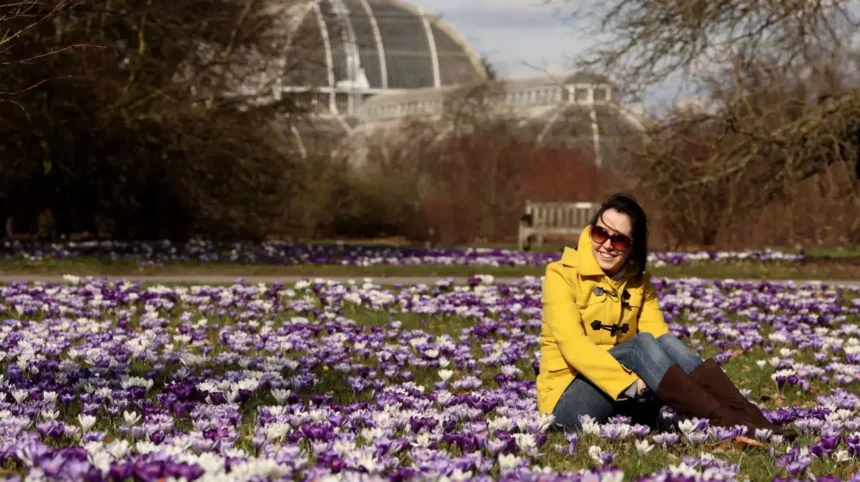
Kew Gardens provides another major anchor. The gardens were founded in 1759 by Princess Augusta and became a UNESCO World Heritage Site in 2003. UNESCO recognises Kew for its historic landscape, architecture, botanical collections and continuing contribution to botanical science.
This combination allows visitors to build a weekend around different types of experiences rather than repeating the same attraction category.
Which West London areas work well together?
Kensington, Notting Hill and Paddington form a practical central-west cluster. Kew and Richmond form a strong south-west cluster. Chiswick and Hammersmith work well as a riverside and neighbourhood combination. Southall provides a distinct food-focused option.
Grouping nearby destinations reduces transport time and creates more time for sightseeing, walking and meals.
How should visitors plan a two-day West London weekend?
A two-day West London weekend should use one geographic cluster per day. Saturday works well for Kensington, Notting Hill and Paddington, while Sunday suits Kew, Richmond and the River Thames, creating a balanced cultural, outdoor and historic itinerary.
A two-day itinerary should avoid crossing West London repeatedly. The objective is to move progressively between nearby destinations.
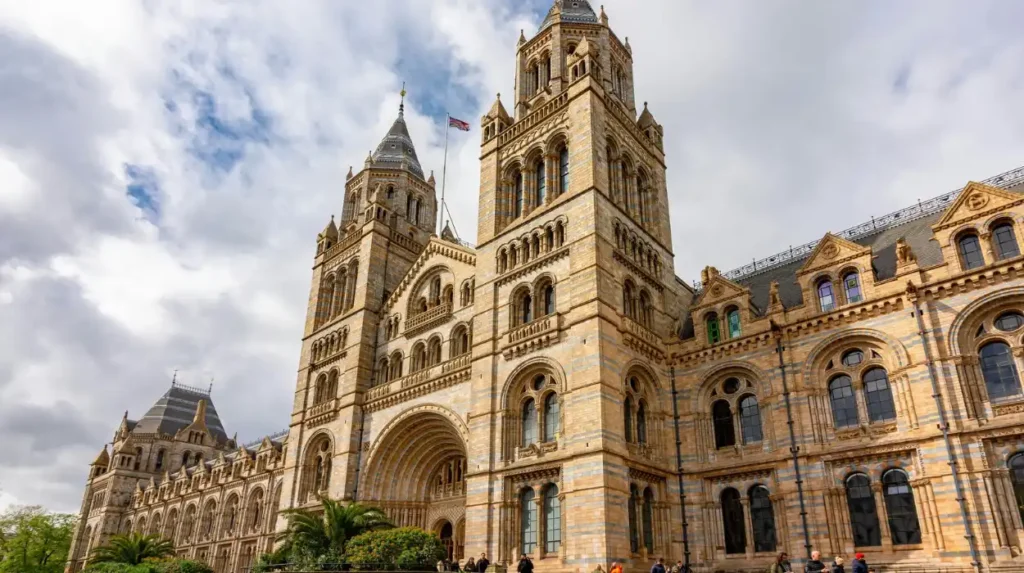
Saturday can begin in Kensington. The area contains major institutions including the Natural History Museum, Victoria and Albert Museum and Science Museum. Kensington Palace provides an additional royal-history destination.
The afternoon can continue towards Notting Hill. Visitors can explore the neighbourhood’s streets, independent businesses and market environment before continuing towards Paddington.
Sunday can focus on Kew and Richmond. Kew Gardens requires enough time because its botanical collections, historic buildings, landscaped areas and scientific heritage form a substantial visitor destination. Kew states that the gardens are accessible by rail, bus and river and are approximately 30 minutes from Central London.
Richmond can follow Kew because the two destinations are connected geographically along the River Thames corridor.
A two-day plan therefore creates a clear progression:
Saturday: culture and neighbourhoods
Morning: Kensington museums or Kensington Palace.
Afternoon: Notting Hill streets and local shopping.
Evening: Paddington or nearby West London dining.
Sunday: gardens, river and parkland
Morning: Kew Gardens.
Afternoon: Richmond riverside.
Late afternoon: Richmond Park or central Richmond.
Evening: return from Richmond using public transport.
This structure provides cultural heritage, urban exploration, botanical landscapes, riverside scenery and open parkland.
What can visitors do on a Saturday in Kensington and Notting Hill?
A Saturday in Kensington and Notting Hill can combine museums, royal history, neighbourhood walking, shopping and food. Start around Kensington’s major cultural institutions, continue towards Notting Hill, then finish with local dining or an evening activity nearby.
Kensington provides a strong starting point because several major attractions sit close together.
The Natural History Museum covers natural history through collections and exhibitions. The Science Museum focuses on scientific and technological development. The Victoria and Albert Museum covers art, design and decorative arts.
Visitors should check individual opening arrangements and exhibition requirements before travelling.
Kensington Palace provides a separate royal-history experience. The palace is part of Historic Royal Palaces and has connections with several members of the British royal family.
After the museums, travel west towards Notting Hill.
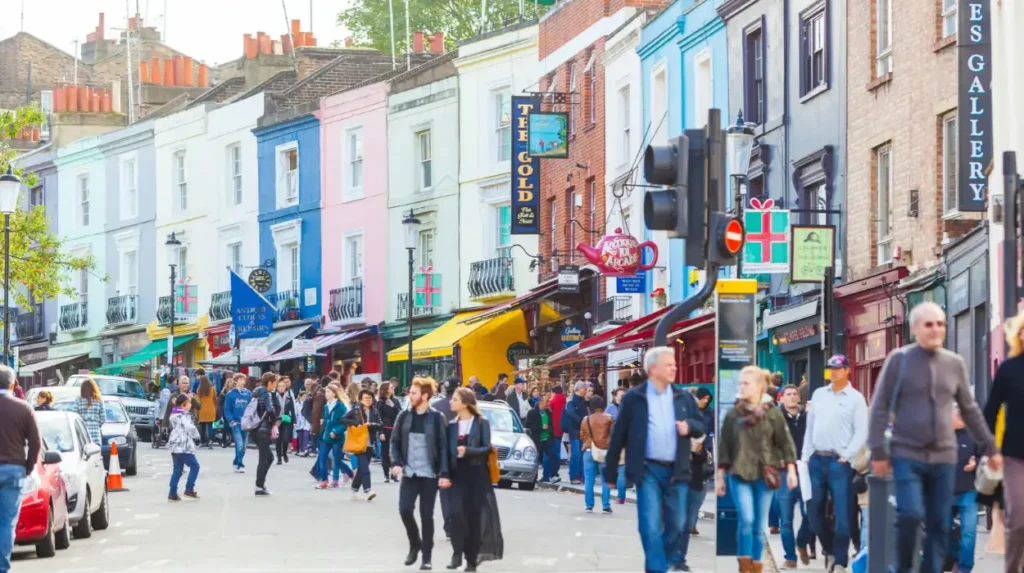
Notting Hill has a distinctive residential and commercial environment. Portobello Road is particularly associated with market activity, independent shops, antiques and food. The area also has colourful residential streets and cafés.
A walking route can connect Kensington to Notting Hill through streets around Holland Park and nearby residential areas.
How should a Kensington morning be organised?
Start early with one principal museum rather than attempting several large museums simultaneously. Major museums contain extensive collections and require several hours for a meaningful visit.
A focused museum visit creates more time for Notting Hill later.
What should visitors do around Notting Hill?
Explore Portobello Road, local shops and surrounding streets. The exact market environment varies by day, so visitors should check current trading arrangements before travelling.
The area is also suitable for photography, cafés and relaxed neighbourhood exploration.
How can visitors spend a Sunday around Kew and Richmond?
A Sunday around Kew and Richmond should focus on botanical gardens, historic landscapes, riverside walking and Richmond Park. Kew provides botanical and scientific heritage, while Richmond adds the Thames, historic town streets and extensive protected parkland.
Kew Gardens is the principal destination for the first part of the day.
The Royal Botanic Gardens, Kew was established in 1759. Its history includes royal estates, botanical research, landscape design and international plant science. UNESCO recognises the site as a World Heritage property.
Kew’s Great Pagoda, historic landscapes, glasshouses, plant collections and scientific facilities create multiple visitor interests within one destination.
Kew recommends booking tickets online and currently lists daily opening hours of 10am to 7pm, with last entry at 6pm, although opening arrangements change for specific dates and events.
Visitors should therefore verify the official opening information before setting a weekend schedule.
After Kew, Richmond provides a natural continuation.
The River Thames passes through Richmond and creates opportunities for riverside walking. Richmond town centre contains shops, cafés, restaurants and historic streets.
Richmond Park provides a larger outdoor experience.
The Royal Parks describes Richmond Park as the largest of London’s Royal Parks at 2,500 acres. It contains ancient woodland, grassland, wetlands, ponds and wildlife habitats.
What wildlife can visitors see in Richmond Park?
Richmond Park supports red and fallow deer, skylarks, ancient trees, wetlands and numerous plant species. The park is also designated as a National Nature Reserve and contains nationally important habitats.
Visitors should maintain distance from deer and follow park signage, particularly during sensitive wildlife periods.
What is a good West London itinerary for families?
A family weekend in West London works best when outdoor spaces are combined with one major attraction per day. Kew Gardens, Richmond Park, Kensington museums, canal paths and neighbourhood parks provide different environments without requiring constant long-distance travel.
Families benefit from flexible schedules rather than tightly packed attraction lists.
Kew Gardens provides gardens, open landscapes and educational botanical content. Its scientific focus makes the destination suitable for families interested in plants, nature and environmental subjects.
Richmond Park provides extensive open space. The park’s 2,500 acres create opportunities for walking, wildlife observation and outdoor recreation.
Kensington offers several indoor attractions, providing a practical alternative when outdoor conditions are unsuitable.
The Science Museum is particularly relevant for families interested in technology and scientific development. The Natural History Museum provides natural science collections.
Families should choose one major museum rather than trying to cover every institution in one morning.
What is the best structure for a family Saturday?
Begin with an indoor attraction in Kensington, have lunch nearby, then move towards a park or neighbourhood destination.
What is the best structure for a family Sunday?
Kew Gardens works well as the principal destination, followed by Richmond riverside or Richmond Park.
This structure provides educational, outdoor and recreational experiences without excessive transport changes.
How can visitors create a West London food-focused weekend?
A food-focused West London weekend can combine Southall’s South Asian cuisine, Notting Hill restaurants, Kensington dining, Chiswick cafés and riverside restaurants. The strongest approach is to organise meals around neighbourhoods rather than travelling across London for individual restaurants.
West London has a diverse food environment.
Southall is particularly recognised for South Asian food and is highlighted by Visit London among West London’s food destinations.
The neighbourhood provides restaurants, sweet shops, cafés, grocery businesses and specialist food retailers.
Notting Hill offers another food-focused environment. Visitors can combine market browsing with cafés, restaurants and independent food businesses.
Chiswick provides a different atmosphere, with high-street restaurants, cafés and riverside venues.
Kensington offers restaurants close to major museums and cultural institutions.
A food itinerary should allow time between meals for walking and sightseeing. This creates a practical balance between dining and local exploration.
How should a food weekend be organised?
Saturday can focus on Notting Hill and Southall. Sunday can combine Chiswick, Kew and Richmond.
Southall requires dedicated travel time, so it works best as a primary destination rather than an incidental stop.
What West London itinerary works for history lovers?
History-focused visitors should combine Kensington Palace, Kew Gardens, Richmond’s historic centre, Richmond Park and selected heritage buildings. These destinations cover royal history, landscape history, botanical development, urban growth and centuries of changing relationships with the River Thames.
West London’s historical importance extends beyond individual buildings.
Kew demonstrates the relationship between royal patronage, landscape design and botanical science. The gardens began in 1759 and developed into an international scientific institution.
Richmond Park provides more than recreation. Its landscape has been shaped over more than 700 years, according to The Royal Parks.
Kensington provides royal and cultural history through Kensington Palace and major museums.
Richmond town contains historic architecture and long-standing connections with the River Thames.
A historical itinerary should therefore use locations as chronological and thematic anchors.
What historical themes can a weekend cover?
The main themes include royal estates, Georgian development, botanical science, landscape design, conservation, museum history and riverside settlement.
Kew’s development from a royal garden to a scientific institution is particularly significant. UNESCO identifies its continuing contribution to plant diversity research and economic botany as part of its Outstanding Universal Value.
What is the best West London itinerary for nature and outdoor activities?
Nature-focused visitors should prioritise Kew Gardens, Richmond Park, the River Thames, Chiswick’s green spaces and canal-side routes. These destinations provide botanical collections, ancient woodland, grassland, wetlands, riverside landscapes and urban green space within West London.
Richmond Park is the largest outdoor destination in this itinerary. It covers 2,500 acres and contains multiple habitat types, including woodland, meadowland, wetlands and acid grassland.
Kew adds a managed botanical environment. Its plant collections and historic landscape provide a different form of nature experience.
The River Thames provides a linear route through several West London neighbourhoods. Walking beside the river connects urban areas with open landscapes.
Chiswick provides additional green-space opportunities and links naturally with riverside exploration.
Visitors should follow local signs and conservation guidance. Richmond Park contains protected habitats and threatened species, including skylarks. The Royal Parks currently asks visitors to remain on designated paths in skylark protection zones.
Outdoor itineraries should therefore prioritise responsible access.
How can visitors explore West London without a car?
Visitors can explore much of West London using the Underground, National Rail, buses, walking and river services. Contactless and Oyster payment supports pay-as-you-go travel across London transport, while route planning helps connect Kensington, Kew, Richmond, Paddington and other districts.
Transport for London operates the Underground, buses, tram, DLR, London Overground and other services across the capital. Contactless and Oyster cards support pay-as-you-go travel on eligible services.
Kew has rail, bus and river access. Kew Gardens states that its four gates can be reached by rail, bus or river and that the gardens are approximately 30 minutes from Central London.
Richmond has both Underground and National Rail connections. Richmond Park can be reached from Richmond station, with walking times to the nearest park gate generally ranging from 15 to 25 minutes.
Visitors should use the same contactless card or device when touching in and out. TfL specifically advises against switching between devices because this can result in incorrect fare calculation.
Which transport strategy works best?
Use rail or Underground services for longer movements and walking for local exploration.
For example, travel into Kensington, walk between nearby attractions, then use public transport towards Notting Hill or Paddington.
On the second day, travel to Kew, explore on foot, then continue towards Richmond.
This approach reduces unnecessary vehicle travel and keeps the itinerary geographically efficient.
What should visitors consider when planning a West London weekend?
Visitors should check attraction opening hours, ticket requirements, transport conditions, walking distances, weather, event schedules and seasonal access before travelling. Planning these details protects sightseeing time and prevents conflicts between fixed-entry attractions and flexible outdoor activities.
Opening times change throughout the year.
Kew publishes current opening information and advises visitors to check details before travelling.
Richmond Park also has different arrangements for pedestrian and vehicle access. Its pedestrian gates operate 24 hours, while vehicle gates have specific opening hours.
Museum exhibitions can also require advance planning.
Visitors should therefore distinguish between fixed-entry attractions and flexible destinations.
Fixed-entry attractions include timed exhibitions or ticketed experiences. Flexible destinations include many parks, streets and riverside walks.
Weather also affects itinerary design. A rainy day favours museums, galleries, cafés and covered attractions. Dry conditions favour Richmond Park, Kew’s outdoor landscapes and riverside walking.
What should be booked first?
Book attractions with timed entry first. Build walking routes and outdoor stops around those fixed commitments.
How much walking should be expected?
West London itineraries often involve substantial walking because neighbourhood exploration is part of the experience. Comfortable footwear is therefore important for museum districts, parks, markets and riverside routes.
How can visitors create a relaxed West London weekend?
A relaxed West London weekend should contain one principal attraction each day, one neighbourhood exploration period, one substantial meal and flexible outdoor time. This structure reduces travel pressure while retaining access to major cultural, historical and natural destinations.
A relaxed itinerary avoids excessive attraction stacking.
Saturday can focus on Kensington and Notting Hill. One museum provides the main structured activity. Notting Hill then provides flexible walking, shopping and food.
Sunday can focus on Kew and Richmond. Kew becomes the principal attraction. Richmond provides an open-ended afternoon involving the river, town centre or park.
This structure also allows visitors to adjust plans according to opening times and weather.
The principle is geographic concentration.
West London contains enough attractions to fill multiple weekends. Visitors do not need to cross the entire capital to create a complete itinerary.
The official Visit London guide identifies West London destinations including Chiswick, Hammersmith, South Kensington, Notting Hill, Paddington and Little Venice, demonstrating the breadth of neighbourhoods available for local exploration.
Which West London weekend itinerary is best for first-time visitors?
First-time visitors should prioritise Kensington, Notting Hill, Kew and Richmond because these destinations provide a broad introduction to West London’s museums, royal heritage, gardens, neighbourhood culture, riverside scenery and major green spaces without requiring extensive travel across the capital.
The first day should introduce the cultural and urban character of West London.
Kensington provides museums and royal heritage. Notting Hill adds neighbourhood character and market culture. Paddington can provide a final stop before returning to accommodation.
The second day should introduce West London’s natural and historic landscapes.
Kew provides botanical science and heritage. Richmond provides the River Thames, town-centre exploration and access to Richmond Park.
This two-day structure covers the area’s major semantic categories: culture, history, nature, food, neighbourhoods and transport.
It also provides a reusable framework. Visitors can substitute activities within each geographic cluster according to their interests.
West London therefore works particularly well as a weekend destination because its attractions are distributed across connected neighbourhoods rather than concentrated in one central district.
What are the main benefits of planning a West London weekend by area?
Planning by area reduces unnecessary travel, creates longer sightseeing periods and connects complementary attractions. Kensington with Notting Hill, and Kew with Richmond, are particularly effective combinations because each cluster contains cultural, historical, outdoor and food-related experiences.
Geographic planning improves time efficiency.
A visitor who combines nearby destinations spends more time exploring and less time changing transport.
It also creates thematic continuity. Kensington connects museums with royal heritage. Notting Hill connects architecture, markets and food. Kew connects botanical science with historic landscapes. Richmond connects riverside heritage with extensive parkland.
This approach supports different travel styles without changing the overall structure.
Families can prioritise museums and parks. Couples can emphasise gardens, riverside walking and restaurants. Solo travellers can focus on museums, neighbourhoods and independent businesses. Digital nomads can incorporate cafés and flexible daytime activities.
West London therefore supports multiple weekend formats while retaining a clear geographical framework.
The strongest evergreen itinerary is not a fixed list of attractions. It is a location-based planning system that can adapt to opening hours, seasonal events and visitor interests.
Explore More Area Guide
Staycation Ideas in West London: Kew, Richmond & Hampton Court
Budget Accommodation in West London: Affordable Places to Stay
How should a West London weekend itinerary be adapted across the year?
Spring and summer favour gardens, parks, riverside walks and outdoor dining, while autumn and winter favour museums, historic attractions, cafés and indoor cultural venues. The core Kensington, Kew and Richmond structure remains useful throughout the year.
Spring provides strong conditions for gardens and green spaces. Kew becomes particularly relevant as seasonal planting develops.
Summer provides longer daylight hours for Richmond Park, riverside walking and neighbourhood exploration.
Autumn provides changing park landscapes and indoor alternatives.
Winter places greater emphasis on museums, galleries, shopping and food destinations, although outdoor walks remain possible when conditions are suitable.
The itinerary should therefore retain flexible sections.
For example, a Kew and Richmond day can become Kew plus indoor dining during poor weather. A Kensington and Notting Hill day can place greater emphasis on museums when outdoor conditions are unsuitable.
This flexibility keeps the itinerary evergreen rather than tied to a single season.
What is the ideal West London weekend itinerary?
The ideal West London weekend combines Kensington and Notting Hill on Saturday, followed by Kew and Richmond on Sunday. This route covers museums, royal history, neighbourhood culture, botanical heritage, riverside landscapes and one of London’s largest protected parks.
Saturday morning
Begin in Kensington with one major museum or Kensington Palace.
Saturday afternoon
Continue towards Notting Hill and explore Portobello Road and surrounding streets.
Saturday evening
Choose a restaurant or café within the same broad West London area.
Sunday morning
Start at Kew Gardens and allow several hours for the gardens, historic buildings and botanical collections.
Sunday afternoon
Continue towards Richmond and explore the Thames-side area.
Sunday late afternoon
Use Richmond Park for walking, wildlife observation or landscape views.
Sunday evening
Return from Richmond using London public transport.
This itinerary provides a balanced introduction to West London without excessive backtracking. It also remains adaptable. Visitors can replace individual attractions while maintaining the same geographical structure.
West London contains a large concentration of cultural, historical and natural assets. Kew’s 1759 origins and UNESCO status, Richmond Park’s 2,500 acres, Kensington’s major museums and Notting Hill’s neighbourhood character provide a strong foundation for a two-day itinerary.
For visitors planning a weekend, the most effective strategy is therefore simple: choose one area for each part of the day, prioritise one major attraction, allow time for walking and food, and check official opening and transport information before departure.
What are the best places to visit in West London for a weekend?
The best West London weekend destinations include Kensington, Notting Hill, Kew Gardens, Richmond and Richmond Park. These areas provide museums, royal heritage, gardens, markets, restaurants, riverside walks and large green spaces.