


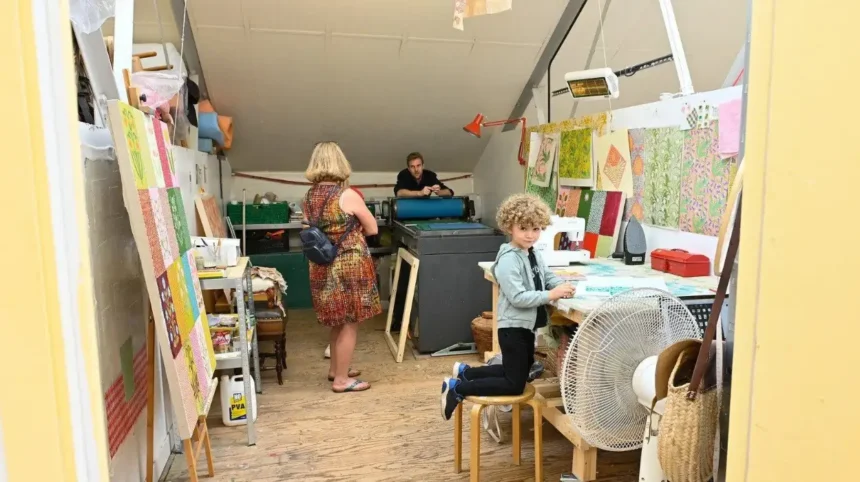
West London has an established independent creative community shaped by artists, designers, craftspeople, photographers, musicians, filmmakers and small creative businesses. Its creative identity combines historic artistic traditions, independent studios, community-led exhibitions, design enterprises and contemporary cultural production. Neighbourhoods such as Hammersmith, Chiswick, Acton, Ealing, Brentford, Shepherd’s Bush, Kensington and Park Royal provide different environments for creative work and collaboration.
- What Does Independent Creatives in West London Mean?
- Why Is West London Important for Independent Creative Professionals?
- How Has West London’s Independent Creative Community Developed Historically?
- William Morris and the Arts and Crafts Movement
- Nineteenth-Century Artistic Communities
- The Development of Modern Creative Industries
- Which West London Areas Have Active Independent Creative Communities?
- Acton and Park Royal
- Hammersmith and Shepherd’s Bush
- Chiswick
- Ealing and Perivale
- Brentford
- Kensington and North Kensington
- What Types of Independent Creatives Work in West London?
- Visual Artists and Illustrators
- Independent Graphic and Digital Designers
- Ceramic Artists and Jewellery Designers
- Photographers and Filmmakers
- Fashion and Textile Designers
- Musicians and Performing Artists
- Independent Creative Entrepreneurs
- Where Can Visitors Discover Independent Creatives in West London?
- Kindred Studios, North Kensington
- West London Art Factory, Acton
- Johnson’s Island Artists, Brentford
- Unit 1 Gallery and Workshop, North Kensington
- Open Art Market, Portobello Road
- How Do Independent Creative Events Support West London’s Artists?
- Artists at Home Open Studios
- Creative Mile Brentford
- Golden Mile Studios
- Craft Markets and Independent Exhibitions
- How Do Independent Creatives Make Money in West London?
- Commissioned Creative Work
- Direct Product Sales
- Freelance Professional Services
- Workshops and Educational Activities
- Online Sales and Digital Platforms
- What Challenges Do Independent Creatives Face in West London?
- Affordable Creative Workspace
- Irregular Income
- Competition for Customers
- Business Administration
- Access to Professional Networks
- How Can Independent Creatives Build Successful Businesses in West London?
- Develop a Professional Portfolio
- Participate in Local Creative Events
- Collaborate With Other Businesses
- Use Digital Marketing
- Understand Copyright and Business Responsibilities
- What Is the Future of Independent Creative Industries in West London?
- Growth of Digital Creative Services
- Greater Importance of Multidisciplinary Workspaces
- Creative Enterprise Zones
- Sustainable Production and Independent Manufacturing
- Continued Importance of Local Cultural Events
- How Can Visitors Support Independent Creatives in West London?
Independent creatives contribute to West London’s cultural identity and local economy. They produce original artwork, develop handmade products, deliver creative services and organise exhibitions that connect artists with residents and visitors. Their work also supports local businesses, educational initiatives, cultural organisations and independent retail.
The region’s creative economy extends beyond traditional art galleries. It includes graphic design, illustration, photography, ceramics, fashion, textiles, publishing, digital media, music production, film production and independent craft businesses. These activities connect individual practitioners with wider creative industries across London.
West London’s independent creative scene also benefits from dedicated creative workspaces and cultural programmes. The Mayor of London’s Creative Enterprise Zones programme supports creative businesses, affordable workspaces and opportunities for local talent. Acton and Park Royal and Hammersmith and Fulham are particularly important parts of this development.
What Does Independent Creatives in West London Mean?
Independent creatives in West London are self-employed artists, designers, makers and cultural professionals who develop original work or provide creative services independently. They operate through private studios, freelance businesses, collectives, workshops, exhibitions and community-based cultural projects.
The term independent creatives describes people who maintain control over their artistic practice, professional services, production methods and commercial activities. They work individually or collaborate with other professionals without necessarily belonging to large creative organisations.
An independent creative business operates through different arrangements. A painter sells original artwork directly to customers, while a graphic designer provides branding services to local businesses. A ceramic artist produces handmade homeware, and a photographer works on commercial commissions, portraits and independent exhibitions.
West London’s independent creative community includes several professional disciplines:
- Visual artists: Painters, illustrators, sculptors and printmakers producing original artwork.
- Design professionals: Graphic designers, interior designers, product designers and fashion designers developing creative solutions.
- Craft practitioners: Ceramicists, jewellers, textile artists and furniture makers producing handmade objects.
- Digital creatives: Animators, web designers, video editors and digital illustrators creating online content.
- Performing artists: Musicians, actors, dancers and independent theatre practitioners developing performances.
- Creative entrepreneurs: Independent publishers, photographers, creative consultants and small production companies.
These professions overlap through shared projects, exhibitions, commercial commissions and collaborative events.
Independent creatives also differ from larger creative businesses in their operating structure. Many work from individual studios, home offices, shared production facilities or temporary commercial spaces. Their income often comes from several activities, including commissions, product sales, workshops, licensing and professional services.
This independent structure gives West London’s creative community a broad range of artistic and commercial activities.
Why Is West London Important for Independent Creative Professionals?
West London supports independent creative professionals through established cultural institutions, specialist studios, educational organisations, production businesses and local creative networks. Its combination of residential neighbourhoods and commercial districts creates opportunities for collaboration, professional development and access to customers.
West London occupies an important position within London’s wider creative economy. The area connects established cultural institutions with emerging creative businesses and independent practitioners.
Research by Brunel University London’s Creative Industries Hub provides evidence of this economic structure. Its 2022 study, Creative Connections: Brunel University London and the Creative and Cultural Sectors in West London, found that 65% of creative businesses in West London with an online presence employed between one and ten people or operated as individual businesses. Brunel University of London+1
This finding demonstrates the importance of freelancers, microbusinesses and small creative organisations in the regional economy.
The wider London economy also provides significant opportunities. According to the Department for Culture, Media and Sport, London’s creative industries generated 52.4% of the UK’s creative industries gross value added in 2024. UK creative industries generated approximately £145.8 billion in gross value added during that year.
Access to Creative Networks
Creative networks connect independent professionals with potential clients, collaborators, suppliers and cultural organisations.
An independent illustrator, for example, can collaborate with a local publisher, graphic designer or marketing agency. A ceramic artist can work with interior designers, independent retailers and exhibition organisers.
These professional relationships help creative businesses access new projects and customers.
Access to Specialist Workspaces
West London contains different types of creative workspaces, including artists’ studios, photography facilities, recording rooms, rehearsal spaces and production buildings.
These facilities provide practical resources for people who cannot operate entirely from home.
Access to Cultural Audiences
Local exhibitions, open studios, creative markets and community events connect independent practitioners with audiences.
These activities allow visitors to discover original work, speak directly with artists and purchase products without relying exclusively on large commercial galleries.
How Has West London’s Independent Creative Community Developed Historically?
West London’s creative identity developed through historic artistic communities, traditional craftsmanship, publishing, architecture and cultural institutions. The Arts and Crafts movement, William Morris’s Hammersmith activities and nineteenth-century artist communities established foundations for contemporary independent creative practice.
West London’s artistic history stretches across several centuries. Its development reflects the relationship between residential communities, artistic education, traditional manufacturing and cultural production.
William Morris and the Arts and Crafts Movement
William Morris (1834–1896) was a British designer, artist, writer and leading figure in the Arts and Crafts movement. His work connected traditional craftsmanship with architecture, textiles, publishing and decorative arts.
Morris established the Kelmscott Press in Hammersmith in 1891 with the assistance of printer and typographer Emery Walker. The press produced carefully designed books that emphasised typography, illustration, paper quality and traditional printing techniques.
The Kelmscott Press published 66 titles before its closure in 1898. Its most celebrated publication was the 1896 edition of Geoffrey Chaucer’s works, illustrated by Edward Burne-Jones.
This history demonstrates the importance of independent production and artistic collaboration in West London.
Nineteenth-Century Artistic Communities
Kensington and surrounding neighbourhoods developed important connections with professional painters, architects and designers.
The Holland Park Circle became associated with artists who established homes and studios in the area. These residential studios helped create an environment where artistic production, professional relationships and cultural activity developed together.
The Development of Modern Creative Industries
During the twentieth century, West London developed stronger connections with film, television, broadcasting, photography and commercial design.
Industrial buildings and transport connections supported production businesses requiring specialist equipment and larger facilities.
These historical developments established a foundation for the modern creative economy, where individual artists work alongside independent studios, digital professionals and larger production companies.
Which West London Areas Have Active Independent Creative Communities?
Acton, Park Royal, Hammersmith, Shepherd’s Bush, Chiswick, Ealing, Brentford and Kensington support different creative activities. Their communities include independent artists, designers, craftspeople, production professionals and cultural organisations operating across established and emerging creative districts.
West London’s creative activity is geographically distributed. Each neighbourhood offers different facilities, professional connections and cultural opportunities.
Acton and Park Royal
Acton and Park Royal form one of West London’s most significant creative production areas.
The Acton and Park Royal Creative Enterprise Zone launched in 2022. According to London City Hall, the area contains:
- 15 artists’ studios and creative workspaces.
- Three large film studios.
- 14 smaller film, photography and recording studios.
- Three rehearsal spaces.
- More than ten creative manufacturing businesses.
The zone supports artists, designers, makers, photographers, filmmakers and musicians. Its activities include open studios, exhibitions, workshops and business development initiatives.
The West London Art Factory is another important creative facility in Acton. It provides 24 artist studios ranging from approximately 130 to 300 square feet. Its creative community includes painters, sculptors, photographers, designers and makers. Ealing arts and culture
Hammersmith and Shepherd’s Bush
Hammersmith and Shepherd’s Bush combine independent artistic activity with established media and cultural organisations.
Hammersmith and Fulham’s Creative Enterprise Zone covers White City, Shepherd’s Bush, Olympia and Earls Court.
London City Hall reports that 22% of businesses in the borough operate within the creative sector. The zone connects independent professionals with major media organisations, educational institutions and cultural venues.
The area’s creative activities include photography, illustration, jewellery, graphic design, performing arts and media production.
Chiswick
Chiswick has a longstanding community of independent artists and craftspeople.
The neighbourhood is particularly associated with open-studio events, independent exhibitions and traditional creative practices.
Artists working in Chiswick include painters, photographers, ceramicists, textile designers and printmakers. Its residential streets and local cultural networks provide opportunities for artists to exhibit work and connect with potential customers.
The Artists at Home open-studio scheme also connects Chiswick with Hammersmith and Shepherd’s Bush.
Ealing and Perivale
Ealing supports independent creative businesses through local studios, community projects and cultural organisations.
Perivale is home to Stewkley House, a converted industrial building that has provided creative workspace since 2008. The building covers approximately 23,000 square feet and accommodates more than 30 artists, makers and creative professionals.
Its creative community includes painters, printmakers, sculptors, photographers, milliners and digital artists.
Brentford
Brentford has developed a distinctive creative identity through its independent artists, riverside heritage and community-led cultural projects.
Creative Mile Brentford connects artists, makers, studios, workshops, museums and historic buildings through a local art trail.
Its network includes Johnson’s Island, Golden Mile Studios, Great West Gallery, Printmakers Yard and other cultural venues.
Kensington and North Kensington
Kensington has strong historical connections with fine art, architecture, design and decorative craftsmanship.
Its cultural institutions support public engagement with design history and contemporary creative practice.
North Kensington also contributes through independent galleries, artist studios and creative communities. Its location connects local artists with Portobello Road’s independent retail and cultural environment.
What Types of Independent Creatives Work in West London?
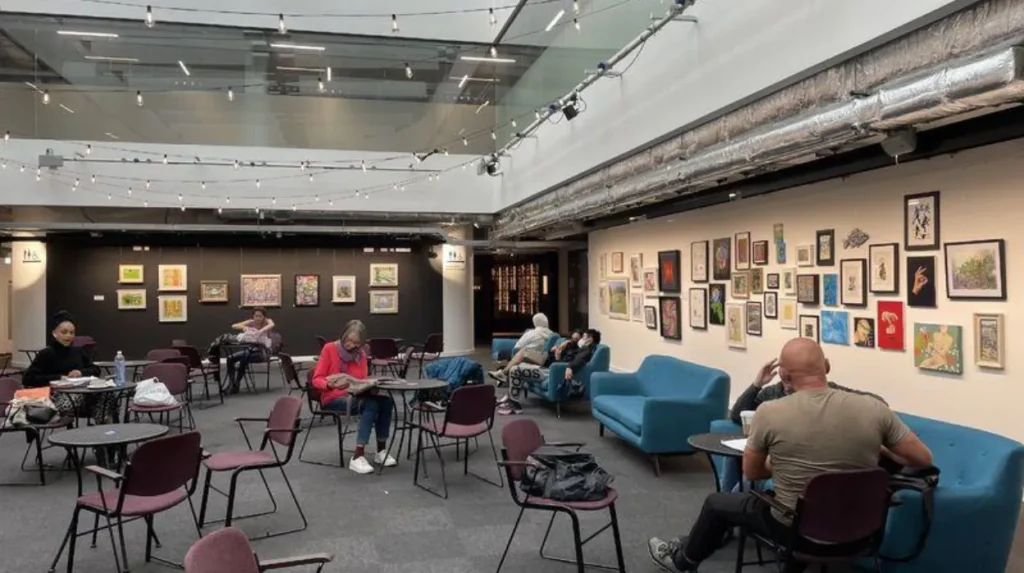
West London’s independent creative community includes visual artists, graphic designers, photographers, fashion designers, ceramicists, musicians, filmmakers and digital professionals. These practitioners produce original work, deliver specialist services and develop independent businesses across different creative industries.
The creative economy includes both traditional artistic disciplines and modern professional services. Independent practitioners often combine several skills to diversify their work and income.
Visual Artists and Illustrators
Their work includes paintings, drawings, sculptures, mixed-media installations and illustrations. Some specialise in commissioned portraits and landscape paintings, while others develop collections for exhibitions and independent art sales.
Illustrators produce visual content for publishing, advertising, editorial projects and digital media.
West London provides opportunities for these professionals through open studios, exhibitions and independent galleries.
Independent Graphic and Digital Designers
Graphic designers develop visual identities, marketing materials, packaging and digital communication.
Independent designers frequently work with small businesses, charities, publishers and local organisations.
Their professional services include:
- Brand identity development, including logos and visual guidelines.
- Website design, including layouts and user interfaces.
- Editorial design, including magazines and printed publications.
- Packaging design, including labels and product presentation.
- Digital illustration, including graphics for online campaigns.
These services support businesses that require professional visual communication without maintaining an in-house design department.
Ceramic Artists and Jewellery Designers
Jewellery designers create rings, necklaces, earrings and other accessories using metals, gemstones and recycled materials.
Independent makers often sell through exhibitions, craft markets, online shops and direct customer commissions.
House of Potters and independent jeweller Bea Jareno are examples of creative practitioners highlighted by Hammersmith and Fulham’s Creative Enterprise Zone.
Photographers and Filmmakers
Photographers provide services for commercial clients, publications, events, families and independent artistic projects.
Filmmakers work across short films, documentaries, promotional videos and digital productions.
Acton and Park Royal are particularly relevant to these professions because the Creative Enterprise Zone includes specialist film, photography and recording facilities.
Fashion and Textile Designers
Independent fashion designers develop clothing, accessories and textile products.
Their work includes garment construction, pattern development, fabric selection, embroidery and sustainable fashion production.
Textile designers also create original patterns and decorative materials for interior design, fashion and independent retail.
These creative disciplines connect traditional craftsmanship with modern product development.
Musicians and Performing Artists
Independent musicians and performing artists contribute to West London’s cultural environment through live performances, recording projects, rehearsals and collaborative productions.
Their activities include songwriting, instrumental performance, music production, theatre, dance and independent performance events.
Recording studios and rehearsal facilities in Acton, Park Royal and other creative districts provide important production infrastructure.
Independent Creative Entrepreneurs
Creative entrepreneurs combine artistic skills with business management.
They operate independent product brands, publishing businesses, design consultancies, creative agencies and multidisciplinary studios.
Their responsibilities include production planning, marketing, customer relationships, financial management and distribution.
This combination of creative and commercial skills helps independent practitioners establish sustainable professional businesses.
Where Can Visitors Discover Independent Creatives in West London?
Visitors can discover independent creatives in West London through artist studios, independent galleries, open-studio events, craft markets and community art trails. Places such as Johnson’s Island, Artists at Home, Kindred Studios and local creative exhibition spaces provide direct access to artists.
Independent creative spaces offer a different experience from conventional cultural attractions. Visitors can see how artists produce their work, discuss techniques and purchase original products.
The following locations and organisations provide useful starting points.
Kindred Studios, North Kensington
Kindred Studios operates from The Gramophone Works on Kensal Road. Its creative environment combines artist workspaces, exhibitions, community activities and collaborative projects.
The studio community provides opportunities to discover independent artistic practices and multidisciplinary creative work.
West London Art Factory, Acton
This creative hub provides studio facilities for artists, makers, photographers, sculptors and designers. Its activities include artistic production and exhibition-related projects.
It is particularly relevant to visitors interested in independent artists working outside traditional gallery environments.
Johnson’s Island Artists, Brentford
Johnson’s Island is a canalside artistic community with approximately 20 artists working across individual studios. Its creative disciplines include painting, drawing, printmaking, jewellery, sculpture and mixed-media art.
It is an important destination for discovering independent makers and local artistic production. Visitors should check individual studio access before travelling. Johnsons Island
Unit 1 Gallery and Workshop, North Kensington
Unit 1 Gallery and Workshop is an independent contemporary art space with exhibition, studio and artist-support activities.
Its programme provides opportunities to encounter contemporary artwork and independent curatorial projects.
Open Art Market, Portobello Road
Open Art Market provides an opportunity to discover independent artists and makers selling original artwork, prints, ceramics, jewellery and handmade products.
Its Portobello Road location connects independent creative businesses with the wider Notting Hill retail and cultural environment.
How Do Independent Creative Events Support West London’s Artists?
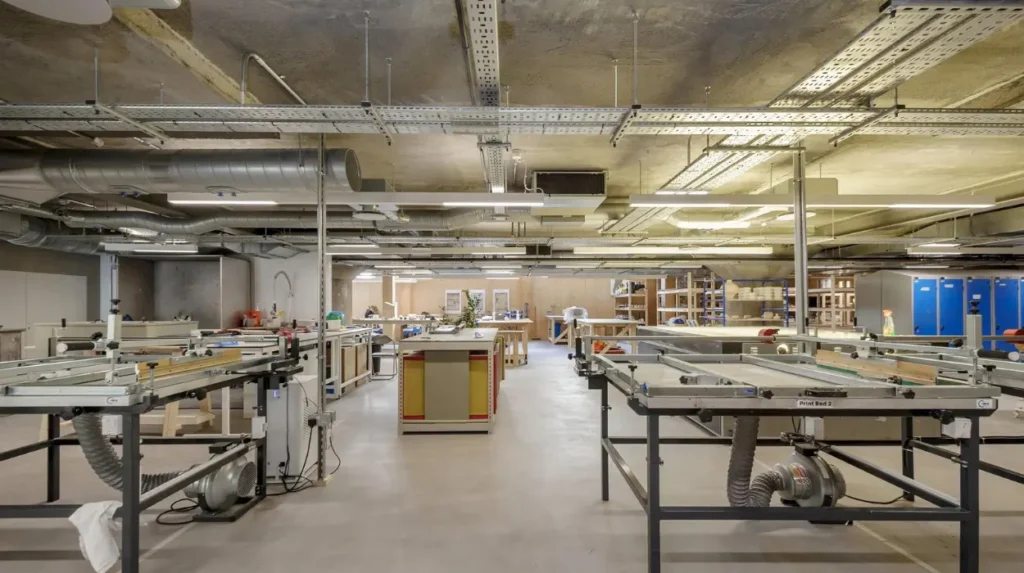
Independent creative events support West London’s artists by creating exhibition opportunities, attracting customers, developing professional networks and increasing public awareness. Open studios, art trails, craft markets and workshops connect independent practitioners directly with local communities.
Events provide an important commercial and cultural platform for independent creatives.
Unlike permanent galleries, temporary exhibitions and community art trails allow practitioners to display work in studios, workshops, historic buildings and alternative venues.
Artists at Home Open Studios
Artists at Home is an established West London open-studio scheme.
The organisation has welcomed visitors into artists’ houses, flats and studios across Chiswick, Hammersmith and Shepherd’s Bush since 1973.
Its participating practitioners work in disciplines including painting, glassmaking, ceramics, printmaking, sculpture, photography, textiles and jewellery.
The organisation also maintains an online directory where visitors can browse artists, view their work and make direct enquiries.
Its next announced open-studio weekend is 18–20 June 2027.
Creative Mile Brentford
Creative Mile is a community art trail connecting local artists, creative venues and cultural organisations in Brentford.
Its programme brings together independent practitioners and visitors through exhibitions, workshops and cultural activities.
The organisation’s LOVE Art Trail is scheduled for 13–14 February 2027, with free events and donations welcomed.
Golden Mile Studios
Golden Mile Studios is a meanwhile creative workspace at 27 Great West Road, Brentford.
The project operates through a partnership involving The Art House, Wakefield and Creative Mile Community Interest Company.
Its facilities include resident artist studios, an exhibition space, workshop rooms and event facilities. The project is scheduled to run until 31 August 2027.
Craft Markets and Independent Exhibitions
Independent craft markets provide sales opportunities for makers who produce small-batch goods.
These events commonly feature handmade ceramics, jewellery, prints, textiles and decorative products.
Exhibitions also allow artists to introduce new collections and build relationships with customers, curators and other creative professionals.
For independent practitioners, these activities support both commercial visibility and professional development.
How Do Independent Creatives Make Money in West London?
Independent creatives in West London generate income through commissioned work, original artwork sales, freelance services, product manufacturing, workshops, exhibitions and digital platforms. Many combine several revenue streams to manage business expenses and maintain consistent professional activity.
Independent creative businesses operate through different commercial models. Their income depends on the type of work, customer demand, production costs and professional experience.
Commissioned Creative Work
Commissions involve producing work according to a customer’s requirements.
A painter can create a commissioned portrait, while a graphic designer develops a brand identity for a local business.
Photographers also receive commissions for commercial campaigns, events and personal projects.
Direct Product Sales
Artists and makers sell original products directly to customers.
Common products include:
- Original paintings and limited-edition prints.
- Handmade jewellery and ceramic objects.
- Independent fashion and textile products.
- Illustrated publications and art books.
- Decorative products and handmade homeware.
Direct selling allows creatives to establish relationships with customers and retain greater control over product presentation.
Freelance Professional Services
Freelance professionals provide specialist services to businesses and organisations.
Graphic designers, photographers, filmmakers and digital creatives often work through project-based contracts.
Their clients include independent retailers, charities, publishers, restaurants, marketing agencies and larger companies.
Workshops and Educational Activities
Creative workshops provide income while sharing practical knowledge.
A ceramic artist can teach pottery techniques, while a photographer can organise beginner photography sessions.
Workshops also introduce new audiences to independent creative practices.
Online Sales and Digital Platforms
Online platforms allow artists to reach customers beyond their immediate neighbourhood.
Independent creatives use portfolio websites, online marketplaces, social media and digital payment services to display and sell their work.
Digital marketing also supports customer enquiries, commission bookings and event promotion.
However, online selling requires additional work involving product photography, customer service, packaging, delivery and promotion.
What Challenges Do Independent Creatives Face in West London?
Independent creatives in West London face challenges involving workspace affordability, business expenses, irregular income, customer acquisition and professional visibility. Rising studio costs and competition for suitable premises create additional pressure on artists and small creative businesses.
Despite its established creative economy, West London presents significant operational challenges for independent practitioners.
Affordable Creative Workspace
Studio affordability is one of the most important issues affecting London’s independent artists.
The Greater London Authority’s 2025 Cultural Production Spaces Health Check reported that London’s artists’ workspace provision remained stable at 265 sites between 2022 and 2025.
However, the study identified significant financial pressure. Average artists’ workspace prices per square foot increased by 37% compared with 2017.
The report also identified a 27% reduction in creative coworking spaces and a 25% reduction in fashion and manufacturing spaces during the 2022–2025 period.
These findings demonstrate why affordable and accessible production facilities remain important.
Irregular Income
Independent creatives often depend on commissions, seasonal sales and individual projects.
A freelance photographer can experience different workloads throughout the year. An artist selling original paintings also faces uncertainty around customer demand.
Managing irregular income requires financial planning, realistic pricing and a diversified customer base.
Competition for Customers
West London has a broad creative economy with independent practitioners and established commercial organisations.
Creative professionals compete for commissions, exhibition opportunities, retail customers and business contracts.
Building a recognisable portfolio and maintaining professional relationships helps businesses develop visibility.
Business Administration
Independent creatives manage responsibilities beyond artistic production.
These include invoicing, marketing, tax administration, supplier relationships, copyright protection and customer communication.
Smaller businesses often complete these tasks without dedicated administrative staff.
Access to Professional Networks
Emerging artists sometimes struggle to identify suitable collaborators, exhibition opportunities and potential customers.
Creative collectives, local business networks, educational institutions and open-studio organisations help address this challenge.
How Can Independent Creatives Build Successful Businesses in West London?
Independent creatives can develop successful businesses through professional portfolios, local partnerships, customer relationships, affordable production facilities and consistent marketing. Combining creative quality with commercial planning helps artists attract commissions, sell products and establish sustainable professional practices.
Building a creative business requires both artistic development and business management.
Develop a Professional Portfolio
A professional portfolio presents an artist’s work, skills and creative experience.
Photographers should include selected photographs, while graphic designers should display branding projects and visual communication examples.
A strong portfolio helps potential customers understand the quality and range of available services.
Independent creatives benefit from maintaining an updated website and professional social media profiles.
Participate in Local Creative Events
Exhibitions, open studios and art trails provide opportunities to meet customers and other practitioners.
Participating in Artists at Home or Creative Mile events helps independent creatives introduce their work to audiences who actively explore local art and culture.
These events also provide opportunities to discuss commissions and establish professional relationships.
Collaborate With Other Businesses
Collaboration helps independent creatives access customers from different industries.
Examples include:
- Photographers collaborating with independent fashion retailers.
- Illustrators working with local publishers.
- Ceramic artists supplying independent homeware shops.
- Graphic designers supporting small business branding.
- Musicians collaborating with independent performance venues.
These relationships create opportunities for repeat projects and professional referrals.
Use Digital Marketing
Digital marketing helps independent creative businesses reach customers beyond their immediate neighbourhood.
A professional website should communicate services, display previous work and provide clear contact information.
Search engine optimisation also helps local customers discover creative services through searches such as independent artists in West London, freelance graphic designers in Ealing and ceramic workshops in Chiswick.
Social media platforms support visual promotion, event announcements and direct customer communication.
Understand Copyright and Business Responsibilities
Independent creatives should understand their intellectual property rights.
Copyright protects qualifying original artistic, literary, musical and other creative works under UK law.
The Copyright, Designs and Patents Act 1988 provides the principal legal framework for copyright protection in the UK.
Artists should also use written agreements for commissions, licensing and commercial collaborations. These agreements clarify ownership, permitted use, payment arrangements and delivery expectations.
Explore More Area Guide
West London Design Community: Studios, Education and Creative Industry
West London Artists: Painters, Sculptors and Creative Studios
What Is the Future of Independent Creative Industries in West London?
West London’s independent creative industries are developing through digital production, collaborative workspaces, creative entrepreneurship and cultural investment. Affordable studios, specialist production facilities and community-led initiatives remain important to maintaining opportunities for emerging artists and established professionals.
The future of independent creative businesses depends on economic conditions, access to workspace, changing customer behaviour and technological development.
Several developments are particularly relevant.
Growth of Digital Creative Services
Digital design, animation, photography, video production and online publishing continue to connect independent professionals with wider markets.
West London’s established film and television infrastructure provides a useful foundation for related creative services.
Independent professionals can participate in production supply chains through editing, illustration, sound design, digital marketing and specialist technical services.
Greater Importance of Multidisciplinary Workspaces
Creative professionals increasingly require facilities that support different types of production.
A shared creative building can accommodate artists, photographers, designers and small creative businesses.
This arrangement creates opportunities for collaboration while giving practitioners access to specialist equipment and professional networks.
Creative Enterprise Zones
London’s Creative Enterprise Zones programme provides an important policy framework for supporting creative businesses.
Acton and Park Royal and Hammersmith and Fulham demonstrate how local authorities, businesses and cultural organisations can coordinate support for creative professionals.
Their activities include affordable workspace development, training, funding opportunities and community events.
Sustainable Production and Independent Manufacturing
Sustainability is becoming increasingly relevant to creative production.
Independent makers can incorporate recycled materials, repair practices, responsible sourcing and small-batch manufacturing into their businesses.
Jewellery designers, fashion practitioners and furniture makers can use these approaches to develop products that respond to customer interest in responsible consumption.
Continued Importance of Local Cultural Events
Open studios, community exhibitions and independent markets help maintain connections between artists and local residents.
Events such as Artists at Home and Creative Mile demonstrate how neighbourhood-based cultural activities create visibility for independent practitioners.
These initiatives also strengthen the relationship between creative businesses and the communities in which they operate.
How Can Visitors Support Independent Creatives in West London?
Visitors support West London’s independent creatives by purchasing original artwork, attending exhibitions, visiting open studios, commissioning professional services and participating in creative workshops. Direct engagement helps independent practitioners develop customer relationships and maintain their businesses.
Supporting independent creatives involves more than purchasing products.
Visitors can contribute to the local creative economy through several practical activities.
Purchase Original Artwork
Buying paintings, prints, ceramics and handmade products provides direct commercial support to independent practitioners.
Customers can also purchase smaller products, such as greeting cards, illustrated publications and decorative objects.
Attend Local Exhibitions
Exhibitions provide opportunities to discover artists and understand their creative processes.
Visitors can attend independent gallery events, community exhibitions and open-studio weekends.
Commission Local Professionals
Hiring a local photographer, designer, illustrator or creative consultant supports independent professional services.
Local businesses can also strengthen the creative economy by using independent practitioners for branding, product photography and marketing materials.
Share Artists’ Work
Sharing exhibitions, portfolios and creative projects helps independent practitioners reach wider audiences.
Online recommendations and local community discussions increase awareness of artists who operate independently.
Participate in Creative Workshops
Workshops provide direct interaction with artists and craftspeople.
Visitors can learn about pottery, printmaking, painting, illustration and other creative disciplines while supporting local educational activities.
Independent creatives are an important part of West London’s cultural identity and local economy. Artists, designers, photographers, craftspeople, musicians and filmmakers contribute through original products, professional services, exhibitions and community projects.
Areas such as Acton, Park Royal, Hammersmith, Chiswick, Ealing, Brentford and North Kensington provide different opportunities for independent creative activity. Their studios, cultural organisations, art trails and production facilities connect practitioners with customers and wider creative industries.
Historical influences, particularly William Morris’s work in Hammersmith, demonstrate the region’s longstanding connection with independent craftsmanship and artistic production.
Contemporary initiatives such as the Acton and Park Royal Creative Enterprise Zone, Artists at Home and Creative Mile Brentford continue this tradition.
Supporting independent creatives through purchases, exhibitions, commissions and local events helps sustain West London’s creative community and maintain opportunities for future generations of artists and makers.
Who are independent creatives in West London?
Independent creatives in West London are self-employed artists, designers, photographers, musicians, filmmakers and craftspeople. They produce original artwork, handmade products and professional creative services through independent businesses and studios.