


The National Health Service (NHS) provides a comprehensive range of healthcare services across West London, including general practice, hospital treatment, emergency care, mental health support, maternity services, community nursing and specialist medical treatment. These services support residents, families, children, older people and visitors across several London boroughs.
- What NHS services are available in West London?
- Which NHS hospitals serve West London?
- How can residents register with an NHS GP in West London?
- Where can West London residents access urgent and emergency NHS care?
- Which hospitals provide emergency treatment?
- When should patients call NHS 111?
- When should patients call 999?
- What mental health services does the NHS provide in West London?
- What maternity and pregnancy services are available in West London?
- Where can pregnant women access maternity care?
- What happens during antenatal care?
- How can women access urgent maternity assistance?
- Which NHS community healthcare services are available in West London?
- What NHS services are available for children and young people?
- Which children’s healthcare services are available?
- Where can families access children’s specialist care?
- How do NHS pharmacies and prescription services work in West London?
- What NHS dental and eye care services are available in West London?
- How can West London residents use the NHS App and online healthcare services?
- What sexual health and vaccination services does the NHS provide in West London?
- How does the NHS support older people and residents with disabilities in West London?
- How is NHS healthcare organised across West London boroughs?
- What is the role of West London NHS Trust?
- What is the role of Imperial College Healthcare NHS Trust?
- What is the role of London North West University Healthcare NHS Trust?
- What is the role of Chelsea and Westminster Hospital NHS Foundation Trust?
- What is the role of The Hillingdon Hospitals NHS Foundation Trust?
- How can residents find the right NHS service in West London?
- How are NHS services in West London developing?
- Why is integrated healthcare important?
- What role does digital healthcare play?
- Why will community healthcare remain important?
- Why are NHS services important for West London residents?
West London has an extensive healthcare network consisting of NHS hospitals, GP surgeries, community health centres, pharmacies and specialist treatment facilities. Healthcare providers work together to deliver medical care, manage long-term conditions, support recovery and improve public health.
The main NHS organisations serving West London include West London NHS Trust, Imperial College Healthcare NHS Trust, Chelsea and Westminster Hospital NHS Foundation Trust, London North West University Healthcare NHS Trust and The Hillingdon Hospitals NHS Foundation Trust.
Understanding how these organisations operate helps residents identify the correct healthcare provider, access medical appointments and receive appropriate treatment.
What NHS services are available in West London?
NHS services in West London cover primary care, hospital treatment, emergency medicine, mental health, maternity care and community healthcare. Residents access these services through GP surgeries, NHS hospitals, pharmacies, specialist clinics and community healthcare teams.
The NHS is the publicly funded healthcare system responsible for providing medical services across England. It operates through different healthcare organisations that coordinate treatment according to patients’ medical needs.
In West London, healthcare services cover several important areas:
- Primary healthcare: GP consultations, routine health checks, vaccinations and referrals.
- Secondary healthcare: Hospital appointments, specialist consultations and diagnostic tests.
- Emergency healthcare: Accident and emergency departments, urgent treatment centres and ambulance services.
- Community healthcare: District nursing, physiotherapy, rehabilitation and home-based treatment.
- Mental healthcare: Psychological therapies, psychiatric assessments and crisis support.
- Maternity healthcare: Antenatal appointments, pregnancy monitoring, childbirth and postnatal care.
- Preventive healthcare: Screening programmes, immunisations and health education.
The organisation of these services involves NHS trusts, Integrated Care Boards (ICBs), local authorities and independent healthcare professionals working under NHS arrangements.
West London forms part of the wider North West London healthcare system. The West and North London Integrated Care Board coordinates NHS planning and commissioning across its designated area.
This structure connects local medical practices with hospitals and specialist services. It also supports cooperation between healthcare providers and local councils.
Which NHS hospitals serve West London?
West London residents receive hospital treatment through several major NHS trusts, including Imperial College Healthcare, Chelsea and Westminster, London North West University Healthcare and The Hillingdon Hospitals. Their facilities provide emergency treatment, surgery, maternity care and specialist consultations.
Hospital services form an important part of the West London healthcare network. Different NHS trusts operate hospitals across the region, with each organisation responsible for particular facilities and clinical services.
The North West London Acute Provider Group brings together four major acute hospital trusts to improve collaboration and coordinate healthcare delivery.
Major NHS hospitals serving West London include:
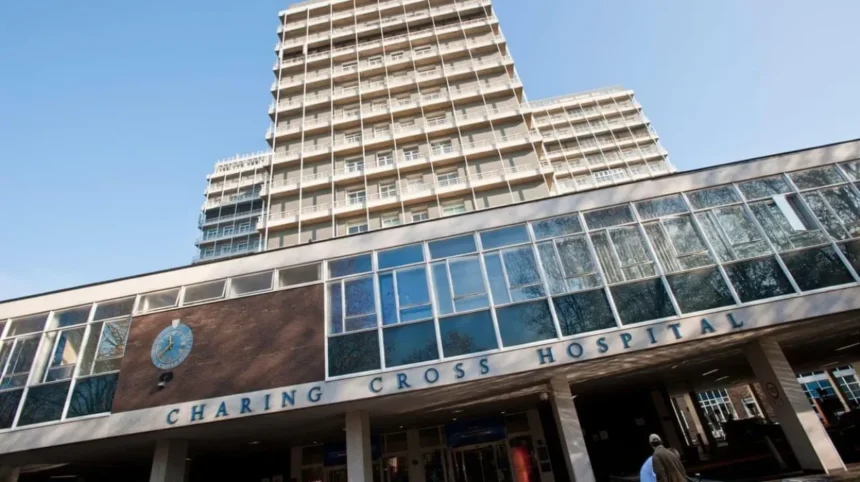
1. Charing Cross Hospital
Charing Cross Hospital is operated by Imperial College Healthcare NHS Trust and is located on Fulham Palace Road in Hammersmith.
The hospital provides emergency and specialist healthcare, including medical assessment, surgery, outpatient appointments and diagnostic services. It also provides urgent treatment facilities.
Its location makes it an important healthcare facility for residents in Hammersmith, Fulham and neighbouring communities.
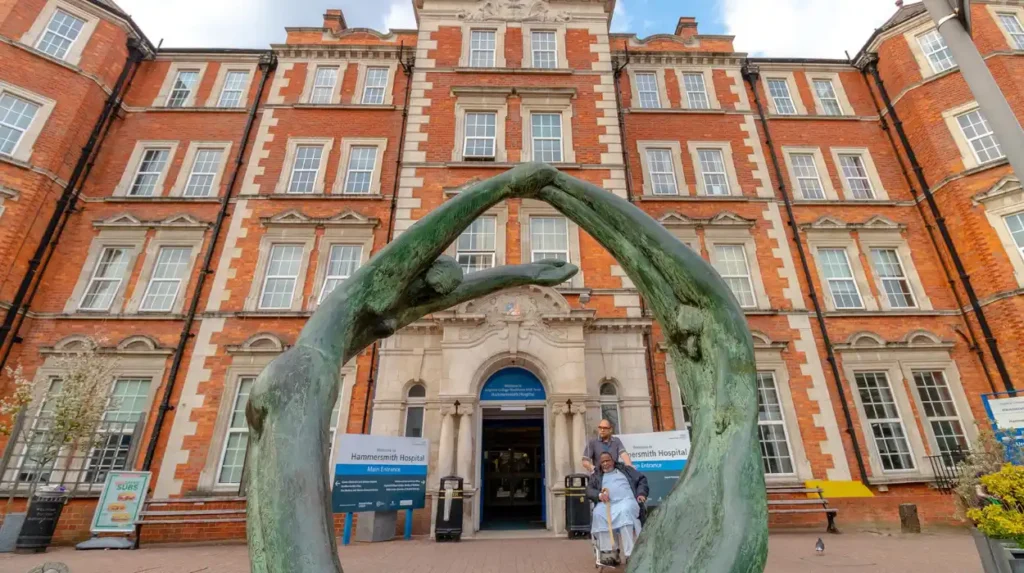
2. Hammersmith Hospital
Hammersmith Hospital is another Imperial College Healthcare NHS Trust facility. It provides specialist medical services, including treatment for complex health conditions.
The hospital has an established role in specialist medicine, research and clinical education. Its services include specialist inpatient and outpatient treatment.
It also hosts maternity-related and perinatal mental health services.
3. Ealing Hospital
Ealing Hospital is managed by London North West University Healthcare NHS Trust.
The hospital provides emergency treatment, inpatient care, outpatient appointments, diagnostic services and specialist medical treatment.
Its emergency department operates 24 hours a day, seven days a week. The hospital also provides urgent treatment facilities for patients with minor injuries and illnesses.
Ealing Hospital is an important healthcare destination for residents of Ealing, Southall, Greenford and surrounding areas.
4. Northwick Park Hospital
Northwick Park Hospital is operated by London North West University Healthcare NHS Trust.
It provides emergency medicine, surgery, specialist consultations, diagnostic investigations and inpatient treatment.
The hospital also serves residents from neighbouring parts of North West London. Its emergency department operates around the clock.
5. West Middlesex University Hospital
West Middlesex University Hospital is operated by Chelsea and Westminster Hospital NHS Foundation Trust.
It provides emergency treatment, maternity care, surgery, medical assessments and specialist outpatient services.
The hospital is particularly important for residents of Isleworth, Hounslow, Brentford and surrounding communities.
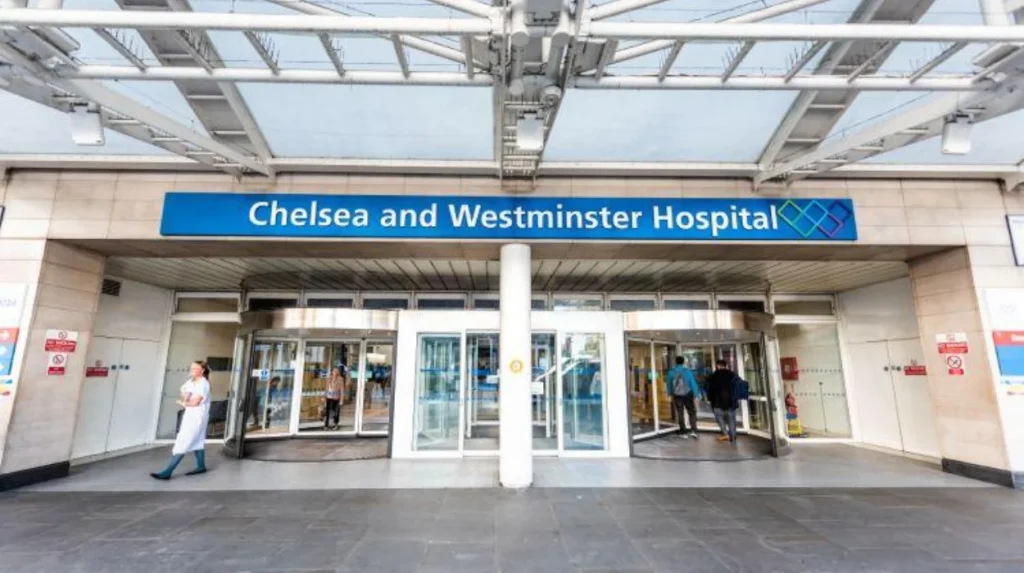
6. Chelsea and Westminster Hospital
Chelsea and Westminster Hospital provides a broad range of hospital services, including emergency medicine, maternity care, surgical treatment and specialist consultations.
The hospital operates within Chelsea and Westminster Hospital NHS Foundation Trust and serves patients from different parts of London.
Other important facilities include Hillingdon Hospital, Mount Vernon Hospital and Central Middlesex Hospital.
The appropriate hospital depends on the patient’s condition, referral arrangements, local service availability and clinical requirements. Patients should use NHS 111 or their healthcare professional when they are unsure where to receive treatment.
How can residents register with an NHS GP in West London?
Residents in West London can register with an NHS GP surgery using the NHS website, NHS App or a paper registration form. Registration is free for eligible patients, and proof of address, identification or immigration status is not required.
A General Practitioner (GP) is a qualified medical professional who provides primary healthcare. GP surgeries are usually the first point of contact for non-emergency medical problems.
GP services help patients manage everyday illnesses, receive preventive healthcare and obtain referrals to hospital specialists.
Residents can find GP surgeries in areas including:
- Ealing and Acton.
- Hammersmith and Fulham.
- Hounslow and Isleworth.
- Chiswick and Shepherd’s Bush.
- Southall and Greenford.
- Uxbridge and Hayes.
The NHS Find a GP service allows patients to search for practices using their postcode.
What is the GP registration process?
Residents can follow a straightforward registration process.
First, they identify a GP surgery that accepts new patients in their area. They can check registration availability through the NHS website.
Next, they complete an online or paper registration form. The application requests basic information, including the patient’s name, date of birth and address.
The practice processes the application and transfers the patient’s medical records where necessary.
According to NHS guidance, registration usually takes around five days after the surgery receives the details, although some applications take longer.
Patients do not need an NHS number to register. People without a permanent address can also apply using a temporary address or the GP surgery’s address.
What healthcare services do NHS GP surgeries provide?
GP surgeries provide a range of medical services for patients of different ages.
These include general medical consultations, blood pressure monitoring, diabetes management, asthma reviews, vaccinations, cervical screening and medication reviews.
GPs also assess symptoms and arrange referrals to hospital specialists when patients need further investigation or treatment.
For people with long-term health conditions, regular GP appointments help monitor symptoms, review medication and coordinate ongoing care.
Where can West London residents access urgent and emergency NHS care?
West London provides emergency treatment through hospital accident and emergency departments, urgent treatment centres and the NHS 111 service. Patients should call 999 for life-threatening emergencies and use NHS 111 when they need urgent medical advice.
Urgent and emergency healthcare services help patients receive treatment according to the seriousness of their condition.
The NHS separates emergency treatment from urgent medical care to ensure patients reach the appropriate clinical service.
Which hospitals provide emergency treatment?
Several West London hospitals operate emergency departments.
Important locations include Ealing Hospital, Northwick Park Hospital, Charing Cross Hospital and Chelsea and Westminster Hospital.
Ealing Hospital and Northwick Park Hospital operate 24-hour accident and emergency departments under London North West University Healthcare NHS Trust.
Urgent treatment centres also operate at facilities including:
- Ealing Hospital.
- Central Middlesex Hospital.
- Northwick Park Hospital.
- Charing Cross Hospital.
- Chelsea and Westminster Hospital.
Service opening arrangements differ between locations. Patients should check current information before travelling.
When should patients call NHS 111?
NHS 111 provides urgent medical advice when someone needs help but does not require immediate emergency ambulance assistance.
The service is available 24 hours a day, seven days a week.
Patients can access it by calling 111 or visiting the NHS 111 online service.
Healthcare professionals and trained advisers assess symptoms and direct patients towards suitable services.
Depending on the assessment, patients receive advice to contact their GP, visit an urgent treatment centre, access an emergency dental service or attend an emergency department.
When should patients call 999?
Patients should call 999 when someone experiences a life-threatening medical emergency.
Examples include severe breathing difficulties, suspected stroke, major injuries, serious chest pain and unconsciousness.
An ambulance service can assess the situation and arrange emergency transport when clinically necessary.
Patients should not use A&E departments for routine medical appointments or minor conditions that can be treated through GP surgeries and pharmacies.
What mental health services does the NHS provide in West London?
West London NHS Trust provides mental health services across Ealing, Hammersmith and Fulham, and Hounslow. Its services include psychiatric assessments, talking therapies, crisis intervention, inpatient treatment and specialist support for adults and older people.
Mental healthcare is an important part of the West London NHS system. It supports people experiencing depression, anxiety, severe mental illness, psychological difficulties and emotional distress.
West London NHS Trust is a major provider of mental health and community healthcare. It serves more than 800,000 people across its three main boroughs and employs approximately 6,000 staff.
Its services operate through hospitals, community clinics, specialist units and home-based treatment teams.
Which mental health treatments are available?
West London NHS Trust provides different forms of mental health treatment according to patients’ needs.
Talking therapies
Talking therapies support adults experiencing common mental health conditions, including anxiety, stress and depression.
Residents can access borough-based services through Ealing Talking Therapies, Hounslow Talking Therapies and Hammersmith and Fulham Talking Therapies.
These services provide psychological treatment and structured support.
Community mental health services
Mental Health Integrated Network Teams (MINT) provide coordinated mental healthcare within local communities.
These teams help patients access appropriate treatment without relying entirely on hospital-based care.
Crisis assessment and home treatment
The Crisis Assessment and Home Treatment Team supports adults experiencing serious mental health difficulties.
The service operates across Ealing, Hammersmith and Fulham, and Hounslow. It provides assessment and intensive support for people who need urgent mental healthcare.
Inpatient mental health treatment
Hammersmith and Fulham Mental Health Unit and Lakeside Mental Health Unit provide inpatient treatment for people experiencing severe mental health conditions.
These facilities support patients who require hospital-based psychiatric care.
How can residents access mental health support?
People can contact their GP to discuss mental health symptoms and request an appropriate referral.
Adults can also access NHS Talking Therapies through the NHS self-referral pathway where local eligibility requirements are met.
For urgent mental health assistance, West London NHS Trust operates a Mental Health Single Point of Access service, available 24 hours a day, 365 days a year.
NHS 111 also provides urgent mental health support through its mental health option.
In an immediate life-threatening emergency, patients should call 999 or attend A&E.
What maternity and pregnancy services are available in West London?
NHS maternity services in West London provide pregnancy monitoring, antenatal appointments, ultrasound examinations, labour care, childbirth support and postnatal treatment. Chelsea and Westminster Hospital and West Middlesex University Hospital are major maternity service locations.
Maternity healthcare supports women and babies throughout pregnancy, childbirth and the period following delivery.
The NHS maternity system combines hospital-based treatment with community midwifery services.
Pregnant women receive regular appointments to monitor their health, assess fetal development and identify pregnancy-related complications.
Where can pregnant women access maternity care?
Chelsea and Westminster Hospital NHS Foundation Trust operates maternity services at Chelsea and Westminster Hospital and West Middlesex University Hospital.
These facilities provide antenatal care, maternity assessments, labour services and postnatal support.
West Middlesex University Hospital also provides an Early Pregnancy Unit for women experiencing complications during the early stages of pregnancy.
The unit offers urgent ultrasound scans, blood tests and specialist assessments.
What happens during antenatal care?
Antenatal care refers to medical support provided during pregnancy.
Midwives and other healthcare professionals monitor maternal health and the development of the baby.
Appointments include blood pressure checks, screening tests, pregnancy advice and assessments of potential complications.
Women also receive information about childbirth, feeding, recovery and newborn care.
How can women access urgent maternity assistance?
Chelsea and Westminster Hospital and West Middlesex University Hospital provide 24-hour maternity triage services.
Women experiencing urgent pregnancy concerns should contact the maternity assessment team for guidance.
At Chelsea and Westminster Hospital, the maternity assessment number is 020 3315 6000, option 1.
At West Middlesex University Hospital, the maternity triage number is 020 8321 5839.
These services assess pregnancy-related concerns and determine whether hospital attendance is necessary.
Which NHS community healthcare services are available in West London?
Community healthcare in West London provides medical treatment and rehabilitation outside traditional hospital settings. Services include district nursing, physiotherapy, occupational therapy, speech and language therapy, diabetes support and care for people recovering at home.
Community healthcare helps patients receive appropriate treatment closer to their homes.
It also supports hospital discharge and reduces the need for unnecessary hospital admissions.
West London NHS Trust delivers community services through local healthcare facilities, GP practices, care homes and patients’ homes.
What community treatments are available?
Community healthcare covers different medical and rehabilitation requirements.
District nursing
District nurses provide clinical care to patients who need treatment at home.
Their responsibilities include wound management, medication support and monitoring certain long-term conditions.
Physiotherapy
Physiotherapists help patients improve movement, strength and physical function.
Community physiotherapy supports people recovering from injuries, surgery and mobility-related conditions.
Occupational therapy
Occupational therapists help patients manage everyday activities.
Treatment focuses on improving independence, adapting living environments and developing practical skills.
Speech and language therapy
Speech and language therapists support people with communication and swallowing difficulties.
These services are available for adults and children with different clinical needs.
Diabetes services
Community diabetes teams help patients manage diabetes through monitoring, treatment advice and specialist support.
How does hospital discharge support work?
Community Independence Services help patients return home safely after hospital treatment.
West London NHS Trust works with Central and North West London NHS Foundation Trust to deliver community independence support.
The service provides short-term care and rehabilitation for eligible patients who need additional assistance after hospital treatment.
This approach supports recovery while helping patients regain independence.
What NHS services are available for children and young people?
Children and young people in West London can access NHS healthcare through GP surgeries, community paediatric services, hospitals, school nursing teams and Child and Adolescent Mental Health Services. These services support development, illness prevention and specialist treatment.
Children require healthcare that addresses their physical, developmental and emotional needs.
The NHS provides services from infancy through adolescence, including routine medical assessments, immunisations and specialist treatment.
Parents and guardians usually access routine healthcare through a registered GP surgery.
Which children’s healthcare services are available?
West London provides different services for children and young people.
Child development services assess developmental difficulties and provide specialist support.
Community paediatric teams investigate concerns involving physical development, behaviour and learning.
School nursing teams support children’s health in educational settings.
Speech and language therapy helps children with communication and swallowing difficulties.
Occupational therapy supports children who experience difficulties with movement, coordination and everyday activities.
Where can families access children’s specialist care?
West London NHS Trust provides children’s community healthcare in different locations.
For example, Carmelita House in Ealing accommodates several children’s healthcare services, including child development, occupational therapy and speech and language therapy.
Hounslow also provides children’s community healthcare and Child and Adolescent Mental Health Services (CAMHS).
CAMHS supports children and young people experiencing mental health difficulties.
Referrals and eligibility depend on the individual service. Parents can discuss concerns with their GP, school nursing team or relevant healthcare professional.
How do NHS pharmacies and prescription services work in West London?
NHS pharmacies in West London provide prescription dispensing, medication advice and support for common illnesses. Pharmacists also deliver eligible clinical services, including blood pressure checks and treatment through the Pharmacy First scheme.
Community pharmacies provide accessible healthcare without requiring every patient to book a GP appointment.
They support patients with medication management, minor illnesses and routine health advice.
Pharmacies operate throughout West London in locations such as Ealing, Acton, Hounslow, Southall, Hammersmith and Uxbridge.
What services can patients receive from NHS pharmacies?
Pharmacy services include prescription dispensing, medicine reviews, advice about common symptoms and support with medication safety.
The Pharmacy First scheme allows participating pharmacies in England to assess and treat eligible conditions under defined clinical protocols.
Examples include uncomplicated urinary tract infections in eligible women, impetigo, infected insect bites and certain other common conditions.
Pharmacists assess symptoms and determine whether treatment, self-care advice or referral to another healthcare professional is appropriate.
How can patients manage NHS prescriptions?
Patients can request repeat prescriptions through their GP surgery or the NHS App.
The NHS App also allows eligible users to view prescription information and choose a nominated pharmacy.
Patients should request repeat medicines in advance because GP practices and pharmacies need time to process prescriptions.
The NHS recommends allowing five working days for a repeat prescription request and collection.
People who have completely run out of essential prescribed medicine can use NHS 111 online or call 111 to discuss emergency supply options.
What NHS dental and eye care services are available in West London?
NHS dental and optical services in West London provide preventive examinations, treatment for dental problems, sight testing and support for eligible eye conditions. Patients can locate participating dentists and opticians through official NHS service directories.
Dental and optical healthcare form part of NHS primary care.
These services help residents maintain oral health and identify vision problems before they become more serious.
How can residents access NHS dental treatment?
NHS dental services provide clinically necessary treatment to maintain and restore oral health.
Services include dental examinations, fillings, extractions, root canal treatment and preventive advice.
Residents can search for NHS dentists through the NHS website.
NHS dental treatment charges depend on the treatment category and applicable eligibility exemptions.
Some patients receive free NHS dental treatment, including qualifying children, pregnant women and people who meet specified benefit or exemption criteria.
How can residents access NHS eye care?
NHS-funded eye tests are available to people who meet eligibility requirements.
Eligible groups include children, people aged 60 and over and certain people receiving qualifying benefits or diagnosed with specified eye conditions.
Opticians conduct sight tests and identify potential eye health problems.
Patients requiring specialist treatment receive referrals to ophthalmology services when clinically necessary.
How can West London residents use the NHS App and online healthcare services?
The NHS App allows registered patients in England to access healthcare information and manage selected NHS services digitally. Its features include repeat prescriptions, GP appointments, medical records, test results and NHS 111 online access.
Digital healthcare helps residents manage routine medical tasks without visiting a GP surgery for every administrative requirement.
The NHS App is available for smartphones and tablets. Patients can also access NHS account services through the official NHS website.
What can patients do through the NHS App?
The application provides several useful healthcare functions.
Patients can:
- View available GP health record information.
- Request repeat prescriptions.
- Check test results.
- View selected appointment information.
- Access NHS 111 online.
- Find nearby NHS services.
- Change GP surgery.
- Access health information and guidance.
The features available depend on the patient’s GP practice, registration status and access permissions.
How do residents create an NHS App account?
Patients need to create an NHS login and complete the required identity verification process.
They must be registered with a GP surgery in England or the Isle of Man to access the relevant GP-linked services.
The app supports people aged 13 and over, although additional arrangements apply to younger teenagers.
People without smartphones can access many services through the NHS website or by contacting their GP surgery directly.
What sexual health and vaccination services does the NHS provide in West London?
NHS sexual health and vaccination services help West London residents prevent infections, access confidential advice and protect themselves against preventable diseases. Services include STI testing, contraception, cervical screening, routine immunisations and seasonal vaccination programmes.
Sexual health services provide confidential healthcare for people seeking advice about reproductive health and sexually transmitted infections (STIs).
Residents can access NHS sexual health clinics through local service directories. Depending on the clinic, services include STI testing, contraception, HIV testing, pregnancy testing and sexual health counselling.
Patients can also receive advice about sexually transmitted infections and treatment options.
Which vaccination services are available?
NHS vaccination programmes protect children and adults against preventable infectious diseases.
Common programmes include childhood immunisations, seasonal influenza vaccination, COVID-19 vaccination and other vaccines recommended for specific age groups or medical circumstances.
GP surgeries, participating pharmacies and designated vaccination clinics deliver these services.
Eligibility depends on national vaccination guidance and individual circumstances.
Residents can check current vaccination recommendations through the NHS website or their GP surgery.
How does the NHS support older people and residents with disabilities in West London?
NHS services for older people and disabled residents include dementia assessments, rehabilitation, community nursing, mobility support and specialist mental health treatment. Local healthcare teams coordinate medical treatment and social care to help eligible patients maintain independence.
Older residents frequently require coordinated healthcare because ageing increases the likelihood of multiple long-term health conditions and mobility difficulties.
West London NHS Trust provides older people’s mental health services across Ealing, Hammersmith and Fulham, and Hounslow.
These services include assessment, treatment and support for people experiencing dementia and other complex mental health conditions.
What support is available for people with dementia?
Dementia services help patients and families understand symptoms, access assessments and manage changes in memory and cognitive function.
Community teams provide specialist assessment and treatment. They also support carers who need information about managing dementia-related difficulties.
Facilities such as Elm Lodge and Sycamore Lodge in Ealing provide locations for specialist cognitive impairment and dementia services.
How can disabled residents access healthcare?
Disabled residents can access GP appointments, hospital treatment, community rehabilitation and specialist medical services.
Healthcare providers offer reasonable adjustments to help patients access treatment.
These adjustments include accessible facilities, communication support and assistance with appointment arrangements.
Patients should inform their GP surgery or hospital about specific access requirements before attending appointments.
Community occupational therapy also helps eligible residents improve independence through equipment recommendations and practical rehabilitation.
How is NHS healthcare organised across West London boroughs?
NHS healthcare across West London operates through regional commissioning organisations, hospital trusts, community providers and local GP practices. These organisations coordinate medical services across boroughs, including Ealing, Hounslow, Hammersmith and Fulham, and neighbouring communities.
West London’s healthcare network does not operate through one hospital or NHS organisation.
Different providers manage different parts of the healthcare system. Their responsibilities depend on the services they deliver and the geographical areas they cover.
The West and North London Integrated Care Board (ICB) is responsible for planning and commissioning NHS services within its designated geographical area.
An Integrated Care Board is an NHS organisation that plans healthcare services according to local population needs.
What is the role of West London NHS Trust?
West London NHS Trust provides mental health, community and specialist healthcare.
Its main local service areas include Ealing, Hammersmith and Fulham, and Hounslow.
The organisation delivers care through community clinics, hospital facilities, mental health units and specialist treatment centres.
It also provides national specialist services, including secure psychiatric treatment.
What is the role of Imperial College Healthcare NHS Trust?
Imperial College Healthcare NHS Trust operates several major hospitals, including Charing Cross Hospital, Hammersmith Hospital, St Mary’s Hospital, Queen Charlotte’s and Chelsea Hospital, and Western Eye Hospital.
The organisation provides acute hospital treatment, specialist medicine, surgery and diagnostic services.
Its hospitals serve patients from across West London and other parts of the capital.
What is the role of London North West University Healthcare NHS Trust?
London North West University Healthcare NHS Trust operates Ealing Hospital, Northwick Park Hospital and Central Middlesex Hospital, alongside other specialist facilities.
It provides emergency medicine, inpatient care, outpatient treatment and diagnostic services.
What is the role of Chelsea and Westminster Hospital NHS Foundation Trust?
Chelsea and Westminster Hospital NHS Foundation Trust operates Chelsea and Westminster Hospital and West Middlesex University Hospital.
Its services include maternity care, emergency medicine, surgery and specialist outpatient treatment.
What is the role of The Hillingdon Hospitals NHS Foundation Trust?
The Hillingdon Hospitals NHS Foundation Trust operates Hillingdon Hospital and Mount Vernon Hospital.
These facilities provide hospital-based medical services for Hillingdon residents and patients from neighbouring communities.
The collaboration between these healthcare providers allows patients to access different levels of NHS treatment within the wider North West London network.
How can residents find the right NHS service in West London?
Residents can identify suitable NHS services through the official NHS website, their GP surgery, NHS 111 and local healthcare provider directories. The correct service depends on symptoms, urgency, location, referral requirements and clinical needs.
Finding the correct healthcare provider helps patients avoid unnecessary journeys and delays.
The NHS provides online directories that allow residents to search for medical facilities using their postcode.
The NHS App also includes a service-finding function.
Which NHS service should residents contact?
The appropriate service depends on the medical problem.
For routine health concerns, patients should contact their registered GP surgery.
For minor illnesses and eligible conditions, a community pharmacist provides advice and treatment.
For urgent medical problems that are not life-threatening, residents should use NHS 111.
For severe injuries and life-threatening medical emergencies, patients should call 999.
For specialist hospital treatment, patients usually require a referral from a GP or another healthcare professional, although some services accept self-referrals.
Explore More Area Guide
Independent Creatives in West London: Artists, Designers and Makers
West London Design Community: Studios, Education and Creative Industry
How are NHS services in West London developing?
NHS services in West London continue to develop through integrated healthcare planning, digital appointments, community-based treatment and improved coordination between hospitals and primary care providers. These changes aim to improve access, support prevention and manage growing healthcare demand.
Healthcare demand is influenced by population growth, ageing, long-term medical conditions and changing public health requirements.
The NHS therefore continues to develop services that connect hospitals, GP practices, pharmacies and community healthcare teams.
Why is integrated healthcare important?
Integrated healthcare connects different providers to improve continuity of treatment.
For example, a patient discharged after hospital surgery can receive rehabilitation and nursing support through community healthcare teams.
Similarly, a patient with a long-term medical condition can receive coordinated support from a GP, specialist consultant and community nurse.
This approach helps healthcare professionals share relevant information and plan treatment around patients’ needs.
What role does digital healthcare play?
Digital healthcare provides additional ways to access medical information and manage appointments.
The NHS App supports repeat prescriptions, GP-linked health records, test results and access to NHS 111 online.
Digital services also reduce some administrative tasks for GP surgeries and patients.
However, telephone and face-to-face services remain important for people who cannot access online healthcare.
Why will community healthcare remain important?
Community healthcare supports patients who require ongoing treatment without continuous hospital admission.
Services such as physiotherapy, district nursing and rehabilitation help people manage medical conditions closer to home.
This approach is particularly relevant for older residents, people with disabilities and patients recovering from surgery.
As healthcare demand develops, coordination between local hospitals and community providers remains an important part of West London’s NHS service delivery.
Why are NHS services important for West London residents?
NHS services are essential to West London’s healthcare infrastructure because they provide publicly funded medical treatment, emergency assistance, preventive healthcare and specialist support. Their network connects residents with appropriate care throughout different stages of life.
West London has an extensive healthcare network covering physical health, mental wellbeing, maternity care, children’s healthcare and older people’s support.
Its hospitals provide emergency and specialist treatment, while GP surgeries manage routine medical needs.
Community healthcare teams support recovery and long-term conditions. Pharmacies provide accessible advice and treatment for eligible minor illnesses.
Mental health organisations deliver psychological therapies, crisis assessments and specialist inpatient care.
Together, these services form a connected healthcare system that supports residents across the region.
Understanding how NHS services operate helps people make informed decisions about where to seek treatment, how to register with a GP and how to access specialist medical support.
For residents, the most practical starting point is the NHS website or a registered GP surgery. For urgent medical concerns, NHS 111 provides round-the-clock guidance, while 999 remains the emergency number for life-threatening situations.
Which NHS hospitals serve West London?
Major NHS hospitals serving West London include Ealing Hospital, Charing Cross Hospital, Hammersmith Hospital, Northwick Park Hospital, Chelsea and Westminster Hospital, West Middlesex University Hospital and Hillingdon Hospital.