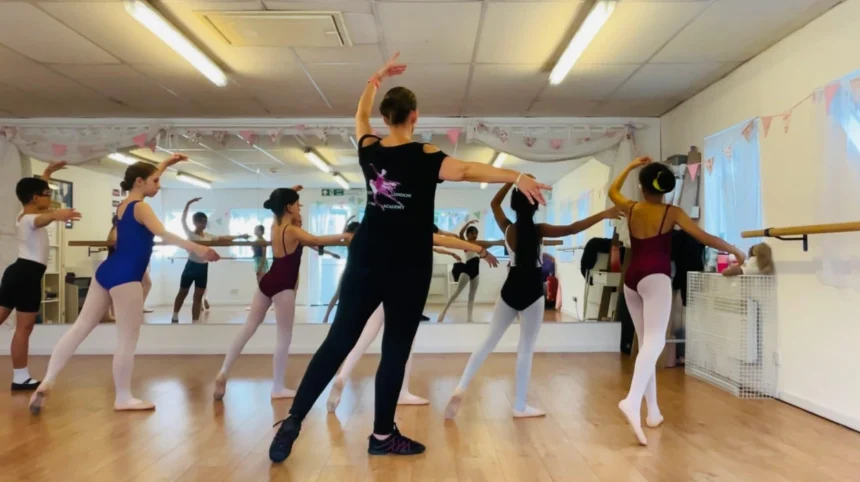
West London has a diverse dance education scene, with specialist schools, independent academies and community studios offering training for children, teenagers and adults. From classical ballet and contemporary dance to street dance, tap, jazz and musical theatre, learners can access different styles and training levels across neighbourhoods such as uk/local/ealing/">Ealing, Acton, hounslow/chiswick/">Chiswick, fulham/hammersmith/">Hammersmith and Hillingdon.
- What Are Dance Schools in West London?
- What Types of Dance Classes Are Available in West London?
- Classical Ballet
- Contemporary Dance
- Street Dance and Hip-Hop
- Tap Dance
- Jazz and Modern Dance
- Musical Theatre Dance
- Which Dance Schools Can You Find in West London?
- Stage Art Dance, Ealing
- West London Dance Academy, Chiswick
- Luna Dance Academy, Acton
- Innovation Dance Studios, Ealing
- Hillingdon Theatre Dance Centre
- West London School of Dance, Shepherd’s Bush
- Elevate Arts UK, Acton
- Where Are the Main Dance Schools Located in West London?
- What Age Can Children Start Dance Classes in West London?
- Dance Classes for Toddlers
- Preschool Ballet Classes
- Dance Training for Primary School Children
- Teen Dance Programmes
- Are There Dance Schools in West London for Adults and Beginners?
- How Do Dance Examinations and Qualifications Work?
- Royal Academy of Dance
- International Dance Teachers Association
- Imperial Society of Teachers of Dancing
- Are Dance Examinations Compulsory?
- What Should Parents Look for When Choosing a Dance School in West London?
- Teacher Qualifications and Experience
- Safeguarding and Child Protection
- Class Size and Individual Attention
- Studio Facilities
- Trial Classes and Introductory Sessions
- How Much Do Dance Classes Cost in West London?
- What Is the History of Dance Education in London?
- Development of Classical Ballet Education
- Growth of Modern and Contemporary Dance
- Independent Dance Schools in West London
- What Performance Opportunities Do West London Dance Schools Provide?
- How Do Dance Schools Support Physical and Creative Development?
- What Career Opportunities Are Available Through Dance Training?
- What Is the Future of Dance Education in West London?
Dance schools in West London serve different purposes. Some focus on recreational classes and creative development, while others provide structured technical training, graded examinations and professional performance opportunities. Parents looking for children’s dance classes can find programmes for toddlers and beginners. Adults can choose beginner-friendly sessions, fitness-based dance classes and more advanced training.
Understanding the available dance styles, teaching qualifications, class structures and local facilities helps students select an academy that matches their interests and goals. This guide explores the dance schools, training options and practical considerations that shape West London’s dance education landscape.
What Are Dance Schools in West London?
Dance schools in West London are specialist educational establishments that teach different dance styles through structured lessons, practical exercises and performance training. They serve children, teenagers and adults through beginner, intermediate and advanced programmes in ballet, jazz, tap, contemporary, street dance and musical theatre.
A dance school provides organised instruction in movement, rhythm, technique, coordination and artistic expression. Classes follow a teaching structure that matches students’ ages, experience and physical abilities.
West London has independent dance academies, specialist ballet schools, performing arts institutions and studios that provide recreational and professional development opportunities. These establishments operate in residential neighbourhoods, community buildings, schools and dedicated rehearsal spaces.
Dance education covers more than learning choreography. Students develop posture, balance, flexibility, musical understanding and spatial awareness. Regular lessons also introduce discipline, concentration and teamwork.
How Does Dance Education Work?
Dance education usually follows a progressive teaching structure. Beginners learn basic movements, body alignment and musical timing before advancing to more complex combinations.
A typical lesson includes a warm-up, technical exercises, movement practice and choreography. Ballet classes frequently include barre exercises, centre work and travelling movements. Street dance sessions focus on rhythm, coordination, freestyle techniques and choreographed routines.
Students progress through different levels as their technique and confidence improve. Some schools organise internal assessments, while others prepare students for recognised examinations.
What Makes West London a Dance Education Destination?
West London’s residential communities, educational facilities and transport connections support a varied dance school network. Ealing, Acton, Chiswick, Hammersmith and Hillingdon provide access to independent academies and local studios.
These neighbourhoods attract families seeking convenient after-school activities and adults interested in recreational dance. Local schools also organise performances, competitions, workshops and examination preparation.
What Types of Dance Classes Are Available in West London?
West London dance schools offer several training styles, including classical ballet, contemporary dance, tap, jazz, street dance, hip-hop and musical theatre. For example, ballet develops classical technique, street dance focuses on rhythmic movement, and musical theatre combines dancing with acting and singing.
The choice of dance style determines the movements, teaching methods and physical skills developed during training. Some academies specialise in one discipline, while others provide broad programmes covering multiple genres.
Classical Ballet
Classical ballet is a formal dance discipline based on controlled movements, body alignment, balance and precise footwork. Its training system uses established positions, vocabulary and technical exercises.
Ballet classes typically include:
- Barre exercises for balance and technique.
- Centre practice for posture and coordination.
- Turns, jumps and travelling movements.
- Pointe preparation for appropriately trained dancers.
West London schools offer ballet classes for preschool children, beginners, teenagers and advanced students. Some programmes follow examination syllabuses from organisations such as the Royal Academy of Dance (RAD), the Imperial Society of Teachers of Dancing (ISTD) and the International Dance Teachers Association (IDTA).
Contemporary Dance
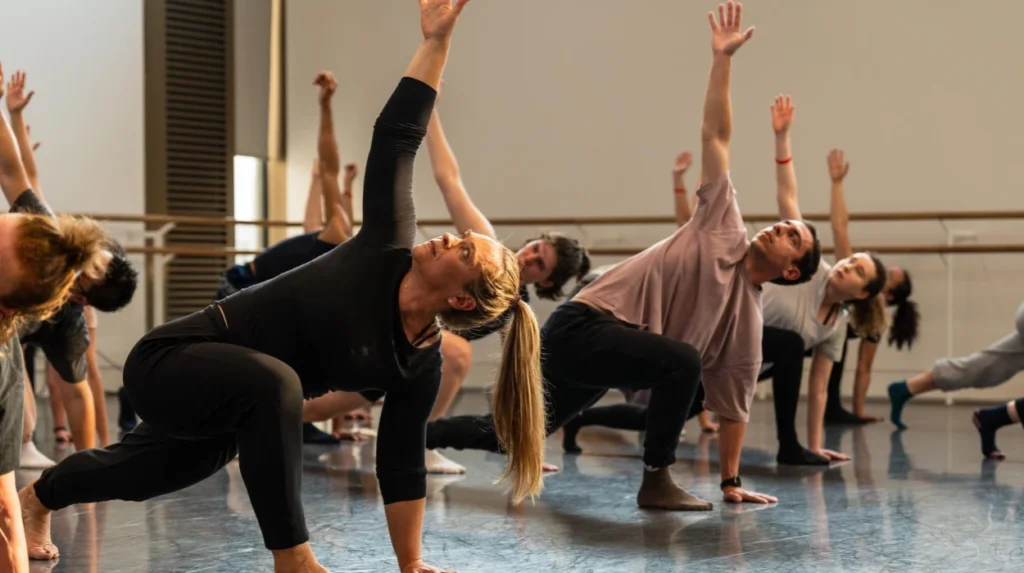
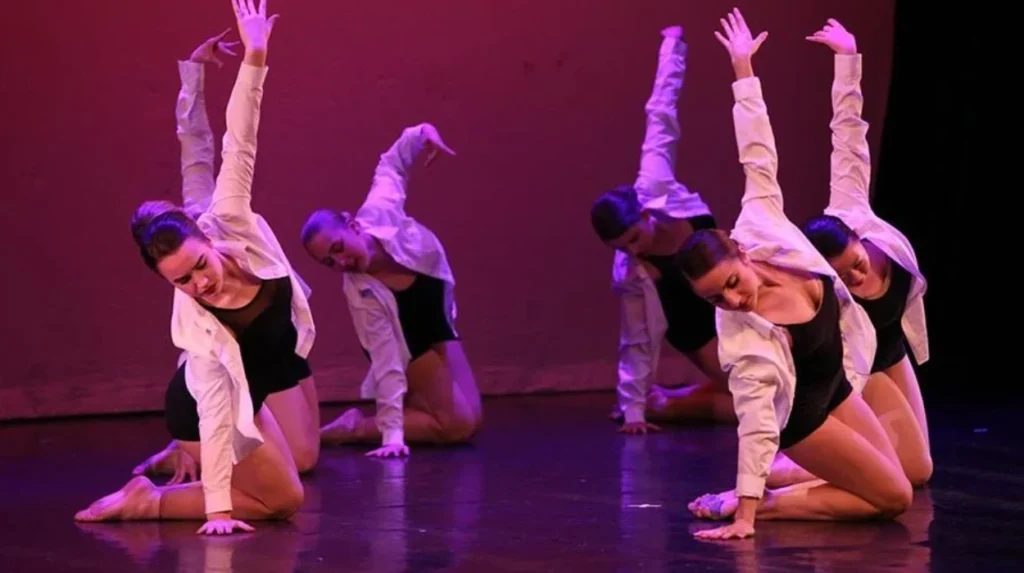
Contemporary dance combines different movement approaches, including floor work, balance, improvisation and expressive choreography. It encourages dancers to explore movement through changes in direction, energy and body positioning.
Students learn sequences that require flexibility, coordination, strength and spatial awareness. Contemporary dance also supports creative interpretation and individual expression.
Several West London academies include contemporary dance alongside ballet and modern jazz. It is suitable for learners interested in expressive movement and performance development.
Street Dance and Hip-Hop
Street dance includes movement styles that developed through urban music and street-based dance cultures. Hip-hop is one of its recognised forms, alongside breaking, popping and locking.
Classes generally focus on rhythm, footwork, body isolation, freestyle movement and choreography. Beginners learn basic steps before progressing towards more complex combinations.
Street dance is particularly popular among children and teenagers because classes combine energetic music, group routines and performance opportunities.
Tap Dance
Tap dance uses specialised footwear fitted with metal taps to produce rhythmic sounds through foot movements. Students develop timing, coordination, sound control and musical interpretation.
Lessons begin with basic steps and rhythms before introducing more advanced combinations. Tap is also an important component of musical theatre training.
Jazz and Modern Dance
Jazz dance combines energetic movements, musical interpretation, turns, kicks and expressive choreography. Modern dance develops movement techniques through structured combinations and physical control.
Some schools teach jazz and modern as separate disciplines, while others combine them into modern jazz programmes.
Musical Theatre Dance
Musical theatre dance forms part of stage performance training. It combines choreography with acting, character development and singing.
Students learn how movement supports storytelling and stage presentation. Schools offering musical theatre often organise rehearsals, productions and performance showcases.
Which Dance Schools Can You Find in West London?
West London has independent dance academies and specialist studios across Ealing, Acton, Chiswick, Hammersmith and Hillingdon. Examples include Stage Art Dance in Ealing, West London Dance Academy in Chiswick, Luna Dance Academy in Acton and Hillingdon Theatre Dance Centre.
The following establishments provide different approaches to dance education. Their programmes, age ranges and teaching structures help families and individual learners compare local opportunities.
Stage Art Dance, Ealing
Stage Art Dance is an independent dance school in Ealing offering classes for children from approximately 18 months through to adults.
Its programme includes ballet, contemporary, jazz, lyrical dance, tap, musical theatre, acrobatics and street dance. The academy also offers Progressing Ballet Technique (PBT), Pilates and stretching sessions.
Stage Art Dance provides different training pathways for younger children, junior dancers, teenagers and adults. Its programmes include examination preparation and performance opportunities.
The school identifies itself as affiliated with The Royal Ballet School’s Associate Training and Assessment Programme (ATAP). It also offers training connected with IDTA, Rambert Grades and Acrobatic Arts.
Its Ealing locations include facilities at the University of West London and Open Ealing Arts Centre.
West London Dance Academy, Chiswick
West London Dance Academy has operated in Chiswick since 2006. The academy offers dance training for children and adults across different experience levels.
Its main disciplines include ballet, tap, contemporary modern jazz and Progressing Ballet Technique. Students can also access private lessons and professional dance teacher training.
The academy operates a three-stage learning pathway through its Little Ballet Academy, West London Dance Academy and teacher-training programme.
Its classes introduce younger children to basic movement before progressing towards more structured technical training. Students also have opportunities to participate in performances and IDTA examinations.
The studio is located at Sutton Court Road, Chiswick, W4 4NL, with Chiswick Park and Gunnersbury stations providing nearby Underground and transport connections.
Luna Dance Academy, Acton
Luna Dance Academy specialises in street dance, musical theatre and contemporary dance.
Founded in 2018, the academy provides classes for different ages and abilities. Its teaching approach focuses on movement, coordination, creative expression and confidence.
Weekly classes take place at Cody Studios, 219 High Street, Acton, W3 9BY.
The academy is particularly relevant for families seeking children’s street dance classes and creative performing arts activities in Acton.
Innovation Dance Studios, Ealing
Innovation Dance Studios operates a dance facility in Pitshanger Village, Ealing.
Its programme includes baby ballet, street dance, contemporary dance, tap and musical theatre. Classes accommodate children, teenagers and adults with different levels of experience.
The studio is located at 96 Pitshanger Lane, London, W5 1QX. Its facilities also support rehearsals, private sessions and events.
The location provides access from Ealing Broadway, with local bus connections and on-street parking.
Hillingdon Theatre Dance Centre
Hillingdon Theatre Dance Centre provides performing arts and dance education for children and adults.
Its programme includes ballet, street dance, tap, modern, jazz, acrobatics and contemporary dance. Students can also study singing and musical theatre.
The centre welcomes beginners and experienced learners. It offers trial classes to help new students understand the teaching environment and select suitable programmes.
Performance opportunities include productions in professional theatre settings, including West End venues. Students also have opportunities to work towards recognised examinations.
West London School of Dance, Shepherd’s Bush
West London School of Dance was founded in 1986 by Anna du Boisson OBE.
The school offers dance classes for boys and girls aged 2–16. Its programmes include ballet, pointe work, lyrical dance and musical theatre.
Students receive opportunities to participate in professionally staged productions. The school also provides bursaries for eligible students.
Its premises are located at 58 Bulwer Street, London, W12 8AP.
Elevate Arts UK, Acton
Elevate Arts UK specialises in street dance education for children and young people aged 4–18.
Its classes accommodate complete beginners and more experienced dancers. The teaching programme focuses on dance technique, confidence, self-expression and social development.
The school offers an option for families seeking youth-focused street dance training in Acton.
Where Are the Main Dance Schools Located in West London?
Dance schools are distributed across several West London neighbourhoods, making it possible to find classes near residential areas, schools and transport connections. Ealing, Acton, Chiswick, Shepherd’s Bush and Hillingdon provide distinct options for local dance education.
Ealing
Ealing has several dance education providers, including Stage Art Dance and Innovation Dance Studios. The area offers ballet, contemporary, street dance, tap and musical theatre programmes.
Pitshanger Village provides a convenient location for families living around Ealing Broadway, Pitshanger and neighbouring residential communities.
Acton
Acton has dance opportunities through Luna Dance Academy, Cody Studios and Elevate Arts UK.
The area’s programmes include street dance, contemporary dance and musical theatre. These options are relevant to children and teenagers interested in creative movement and group performances.
Chiswick
Chiswick provides structured dance training through West London Dance Academy. Its programmes include ballet, tap, modern jazz and teacher development.
The academy’s location near Chiswick High Road and local transport connections supports access from neighbouring parts of West London.
Shepherd’s Bush and Hammersmith
Shepherd’s Bush has West London School of Dance, which provides ballet and performing arts education for children.
Hammersmith and surrounding neighbourhoods also benefit from access to dance studios, community facilities and performing arts programmes across the wider area.
Hillingdon
Hillingdon Theatre Dance Centre provides classes for different age groups and experience levels. Its combination of dance, singing and musical theatre supports students interested in stage performance.
What Age Can Children Start Dance Classes in West London?
Children can begin dance education during their toddler and preschool years, depending on the school’s programme. For example, some academies introduce movement classes from 18 months, while structured ballet programmes commonly provide introductory classes for children aged three to five.
Early dance education introduces children to music, movement, rhythm and coordination. Classes for younger learners use simple activities rather than demanding technical exercises.
Dance Classes for Toddlers
Toddler dance sessions introduce basic movement through music, games and imaginative activities. Some programmes involve parents or carers participating alongside children.
Stage Art Dance offers programmes beginning at 18 months. West London Dance Academy also provides early-years ballet opportunities through its introductory academy.
These sessions focus on:
- Basic movement and coordination.
- Listening to music and following instructions.
- Simple rhythm and balance exercises.
- Confidence in group activities.
Preschool Ballet Classes
Preschool ballet introduces children to basic ballet positions, movement patterns and musical timing.
Teachers use age-appropriate exercises to develop balance, posture and coordination. Classes also introduce simple classroom routines, including listening, taking turns and following demonstrations.
Dance Training for Primary School Children
Primary-age students can progress into more structured classes. They learn basic choreography, technical movements and introductory dance terminology.
Schools often divide students into age groups and ability levels. This arrangement helps teachers provide suitable instruction and manage differences in physical development.
Teen Dance Programmes
Teenagers can access more advanced training in ballet, contemporary, jazz, street dance and musical theatre.
Some academies provide examination preparation, competition teams and performance opportunities. Others focus on recreational dance and physical activity.
Students interested in professional training benefit from schools with advanced technical programmes, experienced instructors and established progression routes.
Are There Dance Schools in West London for Adults and Beginners?
Yes, West London has dance schools and studios offering adult classes for beginners, returning dancers and experienced performers. Programmes include adult ballet, tap, contemporary, street dance and fitness-based sessions, with introductory classes helping new learners develop technique at a comfortable pace.
Adult dance classes provide opportunities to learn a new discipline, maintain physical activity and develop performance skills.
Some schools organise dedicated adult beginner programmes. Others offer mixed-level classes with different teaching arrangements.
Adult Ballet
Adult ballet classes introduce classical technique, posture, balance and controlled movement.
Beginners learn basic positions and barre exercises before progressing to centre work. Experienced dancers can select intermediate or advanced sessions.
West London Dance Academy includes adult ballet and tap in its programme. Kelli Dixon Academy of Dance also advertises adult ballet and tap training.
Adult Street Dance
Street dance sessions combine rhythmic movement, choreography and energetic music.
These classes suit adults interested in learning hip-hop-inspired movements and developing coordination. Some studios offer open-level classes for people with different experience levels.
Adult Tap and Contemporary Dance
Adult tap classes focus on rhythm and footwork. Contemporary sessions explore expressive movement, balance and coordination.
These disciplines offer alternatives to traditional fitness classes while maintaining a structured learning environment.
Dance as Physical Activity
Dance contributes to physical activity through movement, coordination and muscular effort.
The UK Chief Medical Officers’ physical activity guidelines, updated on 10 July 2026, recommend that adults accumulate at least 150 minutes of moderate-intensity activity each week, or an equivalent combination of higher-intensity activity. The guidance also recommends strength-building activity on at least two days each week.
For children and young people aged 5–18, the recommendation is an average of at least 60 minutes of moderate-to-vigorous physical activity per day across the week.
Dance classes can contribute towards these activity levels, depending on the intensity and duration of each session. GOV.UK+1
How Do Dance Examinations and Qualifications Work?
Dance examinations assess students’ technical skills, musical understanding and performance ability against an established syllabus. Organisations such as the Royal Academy of Dance, IDTA and ISTD provide structured examination pathways, helping dancers measure progress through recognised training levels.
Dance examinations provide a formal way to assess progress. They are particularly relevant for students following structured ballet, tap and modern dance programmes.
Royal Academy of Dance
The Royal Academy of Dance (RAD) is an international dance education organisation specialising in ballet training and examinations.
Its history dates back to 1920, when it began as the Association of Teachers of Operatic Dancing in Great Britain. It introduced its first syllabus in 1920 and conducted its first examinations in 1921.
The organisation adopted the name Royal Academy of Dancing in 1936 after receiving its Royal Charter. History
RAD examinations provide a structured progression through ballet education. Students develop technique, musicality and performance skills at different levels.
International Dance Teachers Association
The International Dance Teachers Association (IDTA) provides dance education, teaching qualifications and examinations across different dance styles.
Its examination programmes cover disciplines such as ballet, tap, modern jazz and other dance genres.
West London Dance Academy and several other independent academies provide IDTA-related training opportunities.
Imperial Society of Teachers of Dancing
The Imperial Society of Teachers of Dancing (ISTD) is a dance examination and teacher education organisation.
It provides syllabuses and qualifications across classical and theatrical dance disciplines. Students attending affiliated schools can work towards recognised examinations.
Are Dance Examinations Compulsory?
Dance examinations are not compulsory for every student. Some schools focus on recreational learning, choreography and performances without formal assessments.
Families should establish whether examination fees, preparation sessions and additional rehearsals are included in the school’s normal programme.
What Should Parents Look for When Choosing a Dance School in West London?
Parents should compare teaching qualifications, safeguarding procedures, class sizes, facilities, travel arrangements and progression opportunities before selecting a dance school. For example, a preschool ballet class requires different teaching methods and facilities from an advanced teenage performance programme.
Selecting an appropriate academy requires more than comparing class prices or proximity to home.
The school’s teaching structure should match the child’s age, experience and learning objectives.
Teacher Qualifications and Experience
Parents should check the instructor’s professional background and experience in the relevant dance discipline.
Recognised organisations such as RAD, IDTA and ISTD provide professional training and examination pathways. However, qualifications differ according to teaching style and role.
A ballet teacher’s qualifications do not automatically establish expertise in street dance or contemporary choreography.
Safeguarding and Child Protection
Safeguarding is an essential consideration for extracurricular activities involving children.
The NSPCC’s guidance on safeguarding in the dance sector explains that dance does not have one universal governing body or a single standard safeguarding framework. It also highlights the importance of appropriate policies and procedures across dance organisations. NSPCC Sport
Parents should check:
- Whether the school has a written safeguarding policy.
- Who is responsible for child protection.
- Whether staff recruitment and relevant DBS checks follow applicable requirements.
- How the school manages attendance and child collection.
- Whether parents can raise concerns through a clear reporting process.
The Department for Education also publishes safeguarding guidance for out-of-school settings, including extracurricular clubs and tuition providers.
Class Size and Individual Attention
Class size affects how much individual feedback students receive.
Smaller classes often provide more opportunities for teachers to observe technique and correct movement. Larger classes can provide valuable group performance experience but require suitable supervision.
Parents should ask how many students attend each session and whether classes are divided by ability.
Studio Facilities
Dance studios require suitable flooring, mirrors, ventilation and enough space for safe movement.
Sprung floors are particularly relevant for disciplines involving repeated jumps and impact. Ballet classes also benefit from appropriate barres and clear studio space.
Changing facilities, toilets and waiting areas are useful practical features for families attending regular sessions.
Trial Classes and Introductory Sessions
A trial class allows a student to experience the teaching style before committing to a full term.
Families can use this opportunity to assess the teacher’s communication, class structure and suitability for the student’s experience level.
Several West London schools advertise introductory or trial sessions, including Hillingdon Theatre Dance Centre and Stage Art Dance.
How Much Do Dance Classes Cost in West London?
Dance class fees in West London depend on the school, dance discipline, lesson duration and payment structure. For example, academies commonly charge through individual sessions, monthly memberships or fixed-term enrolments, with additional costs for examinations, uniforms and performances.
Dance schools use different pricing systems. Some charge for each lesson, while others collect fees at the beginning of a school term.
Weekly Class Fees
Weekly classes generally provide a structured learning programme. Students attend at the same time each week and follow a syllabus or progressive teaching plan.
The total cost depends on lesson length, teacher experience and the facilities provided. Specialist training and private tuition generally involve different pricing from group classes.
Private Dance Lessons
Private dance lessons provide individual instruction. Teachers can focus on a student’s technique, choreography, examination preparation or performance requirements.
These sessions suit dancers who need additional support outside their regular classes.
Additional Dance Expenses
Families should consider expenses beyond standard tuition fees, including:
- Dance uniforms and appropriate footwear.
- Examination registration and assessment fees.
- Performance costumes.
- Competition and event charges.
- Additional rehearsal sessions.
- Travel to performances and examinations.
Schools should provide a clear fee schedule before enrolment. Families should also confirm refund policies, missed-class arrangements and term cancellation conditions.
What Is the History of Dance Education in London?
Dance education in London developed through professional ballet institutions, independent dance teachers and performing arts organisations. The Royal Academy of Dance, established in 1920 as the Association of Teachers of Operatic Dancing in Great Britain, helped formalise ballet teaching and examinations.
London has played an important role in the development of professional dance education in the United Kingdom.
During the twentieth century, ballet organisations established structured teaching methods, examination systems and professional training pathways.
Development of Classical Ballet Education
The Royal Academy of Dance was established in 1920 by leading dance professionals. Its first syllabus appeared in the same year, followed by its first examinations in 1921.
These developments contributed to a more organised approach to ballet instruction.
The academy later received its Royal Charter in 1936 and adopted the name Royal Academy of Dancing. Its examination and teacher development programmes became important parts of international ballet education.
Growth of Modern and Contemporary Dance
Dance education gradually expanded beyond classical ballet.
Modern dance, contemporary movement, jazz and street dance became established teaching disciplines. Performing arts schools also introduced programmes combining dance, drama and singing.
This expansion created opportunities for students with different interests and professional ambitions.
Independent Dance Schools in West London
Independent dance academies became important parts of local arts education.
Schools such as West London School of Dance and West London Dance Academy provide examples of established local institutions. Newer providers, including Luna Dance Academy and Stage Art Dance, demonstrate the continuing development of specialist dance education across the region.
These institutions support both recreational participation and structured performance training.
What Performance Opportunities Do West London Dance Schools Provide?
West London dance schools provide performance opportunities through annual showcases, theatre productions, competitions and community events. For example, ballet academies organise staged performances, while street dance schools present choreographed group routines at local events and organised competitions.
Performance training helps students apply classroom techniques in front of an audience.
It also introduces stage discipline, rehearsal schedules, choreography and group coordination.
Annual Dance Shows
Many academies organise annual performances featuring students from different age groups.
These productions often include ballet sequences, jazz routines, contemporary choreography and musical theatre performances.
Students learn how to prepare costumes, follow stage instructions and perform as part of an ensemble.
Theatre Productions
Some schools provide opportunities to perform in professional theatre venues.
Hillingdon Theatre Dance Centre advertises opportunities for students to perform in West End theatres. West London School of Dance also promotes professionally staged productions.
These experiences introduce young performers to theatrical environments and production processes.
Dance Competitions
Competition teams provide structured performance training for students interested in competitive dance.
Students prepare choreography, practise synchronisation and perform before judges or audiences.
Competition participation requires additional rehearsal time, preparation and financial commitment. Parents should understand the school’s expectations before enrolling children in these programmes.
How Do Dance Schools Support Physical and Creative Development?
Dance education supports physical activity, coordination, musical awareness and creative expression. Structured lessons combine movement practice with concentration and teamwork, while performance activities develop confidence and communication. The benefits depend on the teaching approach, class frequency and individual participation.
Dance combines physical movement with artistic learning. It develops different skills according to the chosen discipline and training intensity.
Physical Development
Ballet, contemporary and jazz involve balance, posture, coordination and muscular control.
Street dance develops rhythmic movement, footwork and body coordination. Tap encourages timing and controlled foot movements.
Regular participation provides opportunities to develop movement skills and maintain physical activity.
Social Development
Group classes require students to follow instructions, cooperate with classmates and practise choreography together.
These activities create opportunities for communication and teamwork.
Students also learn to respect different abilities and contribute to group performances.
Creative Expression
Contemporary dance, improvisation and musical theatre encourage students to interpret music and movement.
Learners develop an understanding of choreography, rhythm and artistic presentation.
Creative activities also provide opportunities to explore individual movement styles within a structured learning environment.
Confidence and Performance Skills
Performing in front of an audience introduces students to stage preparation and presentation.
Regular rehearsals help dancers become familiar with choreography and performance expectations.
These experiences support communication and confidence through practical participation.
Explore More Area Guide
Painting Classes in West London: Complete Guide
Pottery Classes in West London: Courses, Studios and Skills
What Career Opportunities Are Available Through Dance Training?
Dance training provides pathways into professional performance, choreography, teaching and performing arts production. For example, advanced students can pursue vocational ballet training, work as commercial dancers, become qualified dance teachers or develop careers in theatre and creative production.
Students interested in professional dance careers need more structured preparation than recreational learners.
Their training usually involves regular technical classes, performance practice and specialist instruction.
Professional Dance Performance
Professional dancers work in theatre productions, ballet companies, musical theatre, television, film and commercial entertainment.
Each career route requires different technical abilities and performance experience.
Classical ballet dancers generally follow intensive training programmes, while commercial dancers develop skills in jazz, contemporary, hip-hop and other movement styles.
Dance Teaching
Experienced dancers can pursue professional teaching qualifications.
Organisations such as RAD, IDTA and ISTD provide training and examination pathways for dance educators.
Teaching careers include work in independent academies, community programmes and specialist performing arts institutions.
Choreography and Performing Arts
Choreographers create dance routines for performances, theatre productions and entertainment projects.
Other career opportunities include rehearsal direction, stage management, arts administration and creative production.
Dance schools that offer advanced performance training provide a starting point for students exploring these professional options.
What Is the Future of Dance Education in West London?
The future of dance education in West London is shaped by accessible beginner programmes, specialist technical training, digital learning and wider performing arts participation. For example, schools increasingly combine traditional ballet instruction with contemporary dance, street dance, teacher training and creative performance opportunities.
Dance education continues to respond to changes in student interests, teaching methods and performing arts opportunities.
Wider Access to Different Dance Styles
Students increasingly have access to several disciplines within one academy.
A school offering ballet, tap, contemporary and street dance provides opportunities to explore different techniques without enrolling at multiple institutions.
This approach supports broader dance education.
Digital Learning and Online Resources
Digital resources provide additional opportunities for dance practice and teaching.
Recorded demonstrations, online tutorials and virtual workshops help students review choreography and understand technical movements.
However, practical instruction remains important because teachers need to observe posture, technique and movement execution.
Inclusive Dance Education
Inclusive programmes help students with different abilities and experience levels access dance education.
Schools can support participation through appropriate class structures, communication and adapted teaching approaches.
The future development of dance education also depends on safe teaching environments and qualified instructors.
Continued Importance of Local Dance Schools
Local academies provide accessible extracurricular activities and specialist arts education.
Their role extends beyond professional training. They support community participation, creative development and opportunities for people of different ages to engage with dance.
West London’s established residential communities and diverse performing arts interests provide a continuing foundation for local dance education.
Dance schools in West London provide a broad range of educational opportunities for children, teenagers and adults. Ealing, Acton, Chiswick, Shepherd’s Bush and Hillingdon offer access to independent academies and specialist studios teaching ballet, contemporary dance, tap, jazz, street dance and musical theatre.
Stage Art Dance, West London Dance Academy, Luna Dance Academy, Innovation Dance Studios and Hillingdon Theatre Dance Centre demonstrate the variety of local training available.
Students can choose recreational classes, structured examination programmes, performance opportunities and advanced professional development pathways.
Selecting the right academy requires consideration of teaching qualifications, safeguarding, class structure, facilities, fees and travel arrangements. A suitable dance school provides a supportive learning environment and a clear route for developing technical ability, creativity and performance skills.
What are the best dance schools in West London?
Some established options include Stage Art Dance in Ealing, West London Dance Academy in Chiswick, Luna Dance Academy in Acton, Innovation Dance Studios in Ealing and Hillingdon Theatre Dance Centre. Each offers different dance styles and training opportunities.