

West London offers several places to watch boats, from the River Thames and Grand Union Canal to historic locks, riverside promenades and working waterways. These locations provide views of narrowboats, passenger boats, rowing craft, leisure cruisers and, in selected areas, larger commercial vessels.
- What are the best places to watch boats in West London?
- Why are West London’s waterways important for boat watching?
- Where can visitors watch boats at Little Venice?
- Where is the best place to watch boats at Paddington Basin?
- Where can visitors watch boats at Brentford Lock?
- Where can visitors watch riverboats near Kew Bridge?
- Where can people watch boats in Richmond upon Thames?
- Where can visitors watch boats along the Thames at Chiswick?
- What types of boats can visitors see in West London?
- How did West London’s canals and river routes develop?
- When is the best time to watch boats in West London?
- How can visitors plan a boat-watching trip in West London?
- What safety rules should visitors follow when watching boats?
- Why are West London’s boat-watching locations important for local tourism?
For visitors, boat watching combines local history, waterside walking and opportunities to observe everyday life on London’s waterways. Residents also use these locations for photography, birdwatching, riverside dining and outdoor recreation. The best place depends on the type of boat, the surrounding scenery and whether the visit focuses on historic canals, river traffic or modern leisure boating.
What are the best places to watch boats in West London?
The best places to watch boats in West London include Little Venice, Paddington Basin, uk/local/hounslow/brentford/">Brentford, Kew Bridge, Richmond upon Thames, Chiswick, and the Grand Union Canal towpath. These locations provide different views of narrowboats, river cruisers, passenger services and recreational craft.
West London’s waterways form an interconnected network of rivers, canals, basins and docks. The Grand Union Canal connects the region with the wider canal system, while the River Thames provides a tidal and non-tidal waterway corridor through different parts of the capital.
Little Venice is a popular starting point for observing colourful narrowboats and canal junction activity. Paddington Basin offers modern urban waterfront views, with pedestrian paths and nearby commercial buildings. Brentford provides access to the meeting point of the Grand Union Canal and the Thames, making it particularly relevant for visitors interested in canal and river environments.
Further west, Kew Bridge and Richmond provide opportunities to watch river traffic against historic buildings, bridges and riverside landscapes. Chiswick also offers Thames-side viewpoints where leisure craft and rowing activities form part of the local scene.
The best destination depends on the experience required. Little Venice suits traditional canal scenery, Paddington Basin suits urban boat watching, Brentford suits canal history, and Richmond suits broader river views.
Why are West London’s waterways important for boat watching?
West London’s waterways are important because they connect historic transport routes, residential neighbourhoods, recreational spaces and riverside destinations. The Grand Union Canal and River Thames support different types of boating, creating opportunities to observe narrowboats, passenger craft, rowing boats and leisure vessels.
Waterways helped shape West London’s industrial and commercial development. Before modern road transport became dominant, canals moved goods between industrial centres, ports and London markets. The River Thames supported trade, passenger transport and connections between inland settlements and maritime routes.
The Grand Union Canal forms part of Britain’s historic inland waterway network. Its route connects London with the Midlands and other canal systems. Narrowboats remain visible along sections of the canal, although present-day traffic includes leisure cruising and residential boats as well as working vessels.
The Thames has a different character. It is a major river with a long history of commerce, navigation and recreation. In West London, its banks include public promenades, historic bridges, boat clubs, marinas and passenger-boat stopping points.
These differences create distinct boat-watching environments. Canal visitors often see slower-moving narrowboats navigating confined channels and locks. Thames-side visitors encounter a wider range of river craft, depending on the location, water conditions and boating activity.
Waterways also provide habitats for wildlife. Ducks, swans, herons and other water-associated birds are frequently observed around suitable river and canal habitats. Boat watching therefore often forms part of a wider outdoor visit involving wildlife observation and walking.
Where can visitors watch boats at Little Venice?
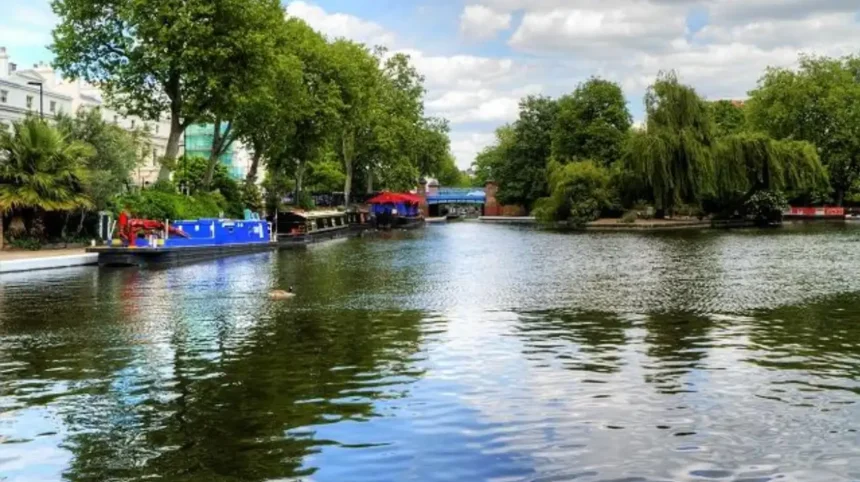
Little Venice is one of West London’s best-known canal boat-watching locations. The Grand Union Canal meets Regent’s Canal here, creating a waterside setting with moored narrowboats, passenger boats, floating cafés and pedestrian paths near Warwick Avenue and Paddington.
Little Venice lies around Browning’s Pool, a basin surrounded by historic buildings and canal-side businesses. Its name describes the area’s distinctive waterside character rather than a separate town or city.
The main viewing area provides opportunities to observe boats moored along the banks and passenger vessels travelling through the canal network. The combination of residential narrowboats, sightseeing services and floating businesses gives visitors a clear view of contemporary canal life.
Rembrandt Gardens provides a nearby place to pause during a walk. The Canal & River Trust identifies the towpath as open every day and describes access as free. Nearby Underground stations include Warwick Avenue and Paddington. Canal & River Trust
Little Venice also provides access to organised canal boat trips. London Waterbus and other operators run services on Regent’s Canal, including trips towards Camden. The journey itself offers a closer view of canal navigation, although operating schedules and ticket availability vary.
Visitors interested in photography should focus on the triangular pool, the moored boats and the surrounding architecture. The waterway is also a habitat for water-associated birds, including swans, mallards, coots and moorhens.
Where is the best place to watch boats at Paddington Basin?
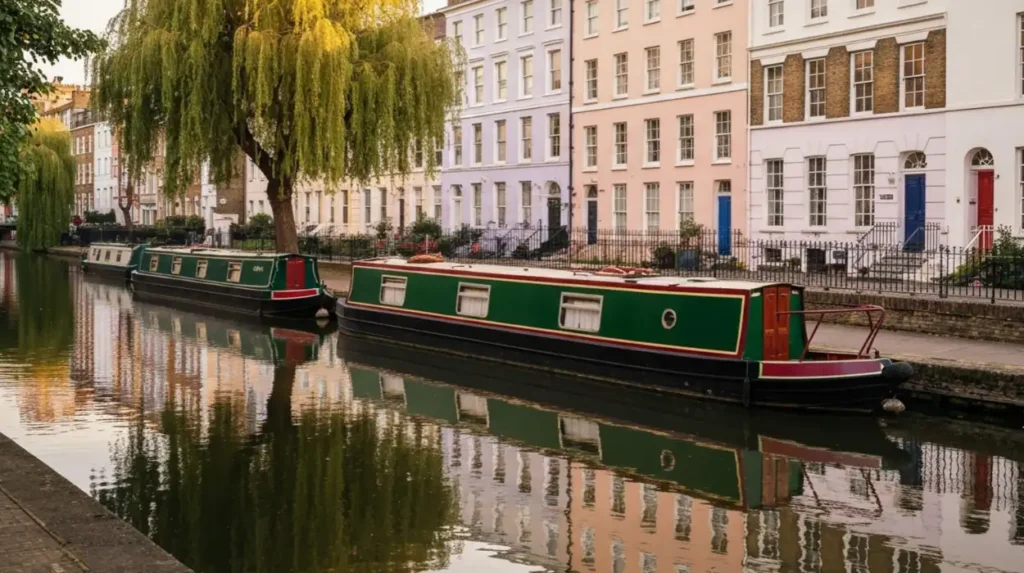
Paddington Basin is a modern waterfront destination near Paddington Station where visitors watch boats against contemporary buildings, pedestrian bridges and landscaped public spaces. Its connection with the Grand Union Canal makes it suitable for combining boat watching with cafés, restaurants and urban walks.
Paddington Basin forms part of the Grand Union Canal’s Paddington Arm. The area has developed into a mixed-use urban district with offices, homes, restaurants and public spaces beside the water.
Unlike Little Venice, where historic architecture and traditional narrowboats dominate the view, Paddington Basin combines canal activity with modern urban design. Visitors can observe boats from public paths and bridges while exploring the surrounding waterfront.
The Fan Bridge and Heatherwick’s Rolling Bridge are notable features of the basin’s pedestrian infrastructure. These structures contribute to the area’s architectural character and provide recognisable viewpoints for photography.
The Grand Union Canal’s Paddington Arm remains part of a much larger inland waterway system. Its location near central London makes the basin accessible for visitors staying in Paddington or travelling through the station.
Boat movements depend on the route, operating schedules and vessels using the canal. Visitors should distinguish between boats that are permanently moored, passenger services and vessels passing through the basin. Not every visit includes frequent boat movements.
Paddington Basin suits visitors who want a short waterside stop rather than a full-day excursion. Restaurants, cafés and nearby public spaces make it easy to combine boat watching with lunch, shopping or a walk towards Little Venice.
Where can visitors watch boats at Brentford Lock?
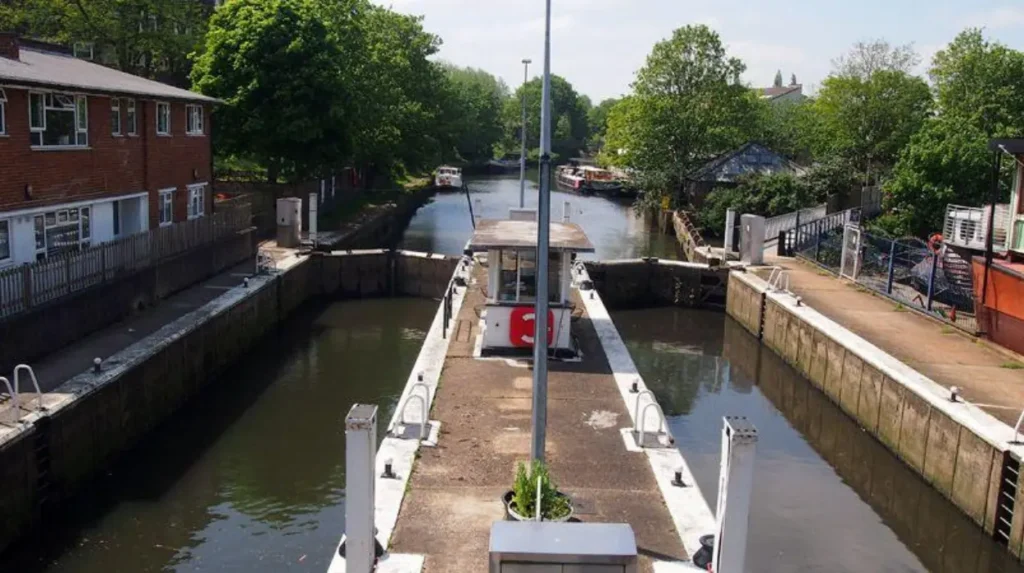
Brentford Lock is one of the most informative places to watch boats in West London because the Grand Union Canal connects with the River Thames nearby. Visitors can observe narrowboats, lock operations and vessels moving between the canal system and the river.
Brentford has a direct connection with the development of London’s canal network. The Grand Junction Canal, a predecessor of the modern Grand Union Canal, was built to improve transport between London and the Midlands. It received its Act of Parliament in 1793 and opened fully in 1805. Canal & River Trust+1
Brentford Gauging Lock was historically a busy point on this waterway. Cargoes included timber, steel, coal, bricks, grain and other goods. Canal transport linked industrial producers and markets before road haulage and railways became dominant.
Today, Brentford Lock offers a different experience from a simple waterside promenade. Visitors can watch how boats approach a lock, wait for the water level to change and continue along the navigable channel. A lock is an engineered chamber that raises or lowers boats between sections of water at different levels.
The Canal & River Trust identifies a walk of approximately 10 minutes along the towpath from Brentford Gauging Lock to Thames Lock, the final lock on the Grand Union Canal and a gateway to the Thames. Canal & River Trust
The surrounding area also includes towpaths, moorings and waterside development. Visitors can combine boat watching with a walk towards the river or an excursion near Syon House and Park.
Boat activity varies according to season, weather and navigation conditions. A visit centred on lock movements is best planned with enough time to observe the process rather than relying on a specific vessel arriving at a precise time.
Where can visitors watch riverboats near Kew Bridge?
Kew Bridge provides a useful Thames-side viewpoint for observing leisure boats, passenger vessels, rowing craft and other river users. The river bends near the bridge, so visitors should use public riverside access points and remain aware of navigation activity and restricted visibility.
Kew Bridge crosses the River Thames between Brentford and Kew. Its surroundings connect residential streets, riverside walking routes and access to attractions on both sides of the river.
Boat watching here differs from canal viewing because the Thames is wider and carries a varied mix of traffic. Depending on the day, visitors can see rowing boats, powered leisure craft, passenger boats and paddleboards sharing the wider river environment.
The Port of London Authority’s recreational users guide specifically identifies the river near Kew Bridge as a busy area for rowers, leisure boats, paddleboarders and larger passenger boats manoeuvring around Kew Pier. It also warns that the bridge’s position on a bend restricts visibility. pla.co.uk
This makes Kew a particularly relevant location for observing how different river users share a navigable waterway. It is also a reminder that a popular viewing point is not necessarily a safe place to stand directly at the water’s edge.
Visitors interested in a boat trip can investigate services to Kew Pier. The Royal Botanic Gardens, Kew, confirms that Thames River Boats operate a service from Westminster Pier to Kew Pier, with sailing times dependent on tides and weather. Kew
A combined visit can include boat watching, a walk around Kew Green and a visit to Kew Gardens. Entry to Kew Gardens is ticketed, so visitors should check admission arrangements separately from access to public riverside areas.
Where can people watch boats in Richmond upon Thames?
Richmond upon Thames offers riverboat views, riverside walks and access to passenger excursions along the Thames. The area’s waterfront combines historic buildings, public paths and leisure boating, making it suitable for visitors who want to observe river traffic during a longer riverside outing. visitlondon.com+1
Richmond is known for its riverside setting, historic town centre and walking routes beside the Thames. The river provides a changing view of vessels moving between moorings, piers and stretches of open water.
Richmond Bridge is a recognisable landmark for riverside photography. The surrounding paths offer views of the river and nearby buildings, while the wider waterfront provides opportunities to observe leisure craft and passenger boats.
Visitors looking for a closer experience can investigate organised Thames trips. Boat services vary by operator and season, so departure points, routes and journey durations should be confirmed before travelling. Some excursions focus on sightseeing, while others connect riverside destinations.
Boat watching also fits naturally into a walk around Richmond’s town centre. Visitors can combine time by the river with independent shops, cafés, historic streets and green spaces. This makes the area suitable for a half-day itinerary rather than a short stop alone.
River levels and conditions affect how the Thames looks and how vessels navigate. The Environment Agency publishes river conditions and closure information for the non-tidal Thames, while the Port of London Authority manages navigation information for the tidal section. Checking the relevant authority is important before any planned activity on the water. GOV.UK+1
Where can visitors watch boats along the Thames at Chiswick?
Chiswick provides Thames-side viewpoints for observing recreational boating, rowing and other river activity. Public riverside paths and nearby bridges offer opportunities to watch boats while exploring the neighbourhood’s historic waterfront, green spaces and riverside hospitality venues.
Chiswick occupies a stretch of West London where the Thames forms a major part of the local landscape. Its riverside environment includes residential streets, historic buildings, green spaces and places to stop for refreshments.
The area is also connected with rowing culture. Rowing clubs and recreational users operate along parts of the Thames, although activity depends on location, training schedules, weather and river conditions.
Boat watchers can look for rowing shells, small powered craft and leisure boats. Unlike the canal at Little Venice, the Thames offers a more open field of view and stronger variation in river levels and currents.
Chiswick’s riverside walks allow visitors to combine boat watching with a broader exploration of the area. A walk can include views of riverside houses, bridges and public spaces, with cafés and pubs providing places to rest.
Visitors should avoid assuming that every stretch of the river has unrestricted public access. Some banks adjoin private property, boat clubs or managed facilities. Public paths and clearly designated viewing areas provide the most reliable places to stop.
The Thames also hosts organised rowing events and other water-based activities at selected locations. Event schedules and temporary navigation restrictions vary, so anyone planning a visit around a specific race or gathering should check the relevant organiser’s information in advance. pla.co.uk+1
What types of boats can visitors see in West London?
Visitors to West London’s waterways can see narrowboats, passenger boats, leisure cruisers, rowing shells and small recreational craft. The exact mix depends on whether the viewing point lies on a canal, a marina, a river bend or a passenger-boat route.
Each boat type reflects a different use of London’s waterways.
Narrowboats are long, relatively narrow vessels designed for Britain’s inland canals. They are common on the Grand Union Canal, including Little Venice and Brentford. Some are used for leisure cruising, while others serve as permanent or long-term homes.
Passenger boats carry visitors between destinations or on sightseeing trips. At Little Venice, organised canal cruises travel along Regent’s Canal. On the Thames, operators run river trips on selected routes, including services towards Kew.
Leisure cruisers are privately operated boats used for recreational journeys. Their appearance and size vary, and their movements depend on navigation conditions, mooring arrangements and individual itineraries.
Rowing boats include narrow racing shells used by clubs and individual rowers. They are particularly relevant to Thames-side locations where rowing is an established recreational and sporting activity.
Small recreational craft, including canoes and paddleboards, also use selected sections of the river. These vessels share the water with larger craft, making navigation awareness essential.
Understanding these categories helps visitors choose a destination. Canal towpaths offer closer views of narrowboats, while Thames-side locations provide opportunities to observe several forms of river traffic in a more open setting.
How did West London’s canals and river routes develop?
West London’s waterways developed as transport infrastructure for moving goods and people. The Grand Junction Canal opened fully in 1805, and later canal mergers created the Grand Union Canal in 1929, preserving a route that now supports leisure boating and waterside recreation. Canal & River Trust+1
The development of West London’s canals was closely linked to Britain’s Industrial Revolution. Manufacturers and merchants needed dependable routes for transporting heavy goods between London and industrial centres in the Midlands.
The Grand Junction Canal connected the Thames at Brentford with the inland canal network. Its opening improved access between London and manufacturing districts. Goods carried along the waterways included coal, timber, bricks and metals, reducing reliance on slower land transport.
Railways later challenged canal freight services. Canal companies responded through mergers and improvements to infrastructure. The Grand Union Canal Company was formed in 1929 by bringing several established waterways together under one organisation. Canal & River Trust+1
Brentford’s locks retain visible evidence of this transport history. Little Venice illustrates how the canal network became part of London’s residential and recreational landscape, while Paddington Basin demonstrates the redevelopment of historic waterside infrastructure for modern urban uses.
The Thames has an even longer history of navigation, trade and river transport. Today, it remains an important waterway for commercial, recreational and passenger activity. The Port of London Authority oversees navigation on the tidal Thames, while the Environment Agency manages the non-tidal Thames in its area of responsibility. GOV.UK+1
This history explains why West London offers such varied boat-watching experiences. The same waterways that supported industrial transport now connect public spaces, historic landmarks and leisure destinations.
When is the best time to watch boats in West London?
The best time to watch boats in West London depends on the destination, daylight, weather, tides and scheduled services. Daylight visits provide better visibility, while checking operator timetables and river conditions helps visitors choose a suitable time for canal cruises or Thames-side boat watching.
Canal and river activity changes throughout the day. Passenger services follow published operating schedules, while private boats and rowing craft appear according to individual journeys and organised activities.
Spring and summer often provide longer daylight hours for outdoor visits. Warmer weather also encourages riverside walking and leisure boating. However, seasonal popularity can mean busier paths and crowded viewpoints, particularly around Little Venice and Richmond.
Autumn offers opportunities to observe boats against changing riverside vegetation. Winter visits remain possible, but shorter daylight hours and colder weather make it important to check access arrangements and dress appropriately.
Tidal conditions matter on the Thames. The river’s water level and current change with the tide, affecting the appearance of the water and navigation conditions. Brentford’s connection with the tidal Thames makes local conditions particularly relevant near the canal entrance. Canal & River Trust+1
Visitors should not assume that a particular boat arrives at a fixed time unless the operator publishes a schedule. For organised cruises, check the departure point, operating dates, ticket requirements and service updates before setting out.
How can visitors plan a boat-watching trip in West London?
Visitors can plan a boat-watching trip by choosing a canal or Thames destination, checking public transport and access, reviewing boat-service timetables, and allowing time for walking along the waterfront. Little Venice suits a short visit, while Brentford and Richmond support longer excursions.
A practical itinerary begins with one main viewing location. Little Venice works well for visitors seeking narrowboats, canal architecture and cafés. Paddington Basin offers an urban waterfront stop near major transport connections.
Brentford is suitable for visitors interested in locks and canal heritage. The walk towards Thames Lock adds another viewpoint where the Grand Union Canal meets the river. Richmond works well for a longer outing that combines river views with shops, historic streets and riverside walks.
Public transport makes several of these locations accessible without a car. Little Venice is within walking distance of Warwick Avenue and Paddington stations, while Brentford has a railway station within walking distance of the lock area. Exact walking times depend on the route and starting point. Canal & River Trust+1
Visitors should wear comfortable footwear because towpaths can be uneven or slippery after rain. They should keep a safe distance from the water’s edge, avoid blocking narrow paths and follow signs around locks and moorings.
Boat trips require separate planning from free riverside viewing. Check ticket availability and service schedules, especially outside peak tourist periods. Visitors planning a Thames journey should also check river conditions and any closures affecting their intended route.
Explore More Area Guide
Thames Views in West London: Best Riverside Viewpoints
Boat Trips Around West London: Thames Cruises and Canal Tours
What safety rules should visitors follow when watching boats?
Boat watching is safest from public paths and designated viewing areas away from the water’s edge. Visitors should respect navigation signs, keep clear of lock gates, supervise children closely and check official river conditions before joining a boat trip or taking part in water-based activities.
Canals and rivers are working waterways, not simply decorative bodies of water. Boats require room to manoeuvre, and currents, slippery banks and changing water levels create risks for people standing nearby.
At locks, visitors should remain behind barriers and follow instructions from lock keepers. Lock gates and moving mechanisms are operational equipment. Entering restricted areas or interfering with lock operations places visitors and boat users at risk.
On the Thames, the wider channel and stronger river currents require particular awareness. At Kew Bridge, the Port of London Authority highlights restricted visibility caused by the bridge’s position on a bend. pla.co.uk
Children should remain under close adult supervision near all open water. Dogs should be kept under control on narrow towpaths, particularly where cyclists, boaters and pedestrians share access.
Before a river trip, check official navigation notices and conditions. GOV.UK provides information on non-tidal Thames conditions and closures, as well as links to information about tidal Thames restrictions. GOV.UK
Why are West London’s boat-watching locations important for local tourism?
West London’s boat-watching locations support tourism by connecting visitors with canal heritage, river transport, public walking routes and waterfront businesses. Places such as Little Venice, Paddington Basin, Brentford and Richmond offer different experiences that combine outdoor recreation with local history and urban exploration.
Waterfront destinations attract visitors for reasons beyond the boats themselves. Historic canals explain how London developed as a trading centre, while river promenades provide public access to landscapes that shape the city’s identity.
At Little Venice, boat trips and floating businesses form part of the visitor experience. Paddington Basin combines waterside activity with restaurants, offices and contemporary architecture. Brentford provides a visible connection to industrial canal history, while Richmond offers a traditional riverside town setting.
These places also support walking and cycling along public routes. A boat-watching stop can form part of a longer day out that includes parks, cafés, heritage attractions and local shopping.
The long-term value of these destinations depends on maintaining waterways, managing navigation safely and preserving access to public paths. The Canal & River Trust maintains and promotes canals across its network, while relevant navigation authorities provide guidance for river users. Canal & River Trust+2
For visitors, the practical benefit is choice. West London offers both short, accessible stops and longer routes that connect historic waterways with modern neighbourhoods. Boat watching remains a straightforward way to explore the area’s landscape, heritage and recreational life without needing to travel far from central London.
Where are the best places to watch boats in West London?
The best places include Little Venice, Paddington Basin, Brentford Lock, Kew Bridge, Chiswick and Richmond upon Thames. Each offers different views of canal boats, passenger vessels and recreational craft.