

West London contains a dense collection of historic houses, palaces, manor houses, museums, churches, estates and architectural landmarks. Its heritage spans medieval episcopal estates, Tudor country houses, Georgian villas, Victorian development and twentieth-century civic buildings. The area’s historic environment also includes protected conservation areas and listed structures.
- What makes the historic buildings of West London significant?
- Which historic buildings are the most important to visit in West London?
- Osterley House
- Chiswick House
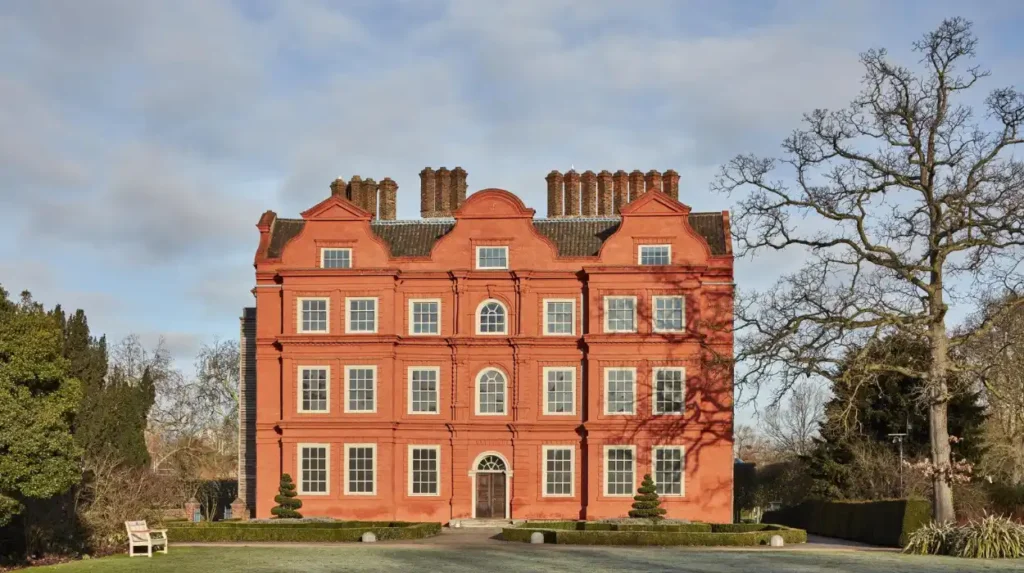
- Kew Palace
- Fulham Palace
- Syon House
- Pitzhanger Manor
- Boston Manor House
- Hogarth’s House
- Gunnersbury Park Museum
- Strawberry Hill House
- How did medieval history shape historic buildings in West London?
- Which Tudor and Stuart buildings survive in West London?
- How did Georgian architecture transform West London?
- What historic buildings can visitors see around Ealing?
- Which historic buildings are found around Chiswick and Brentford?
- What historic buildings can visitors explore around Kew and Richmond?
- How are historic buildings in West London legally protected?
- Why do historic buildings remain important to West London today?
- How can visitors explore historic buildings in West London?
- What does the future hold for historic buildings in West London?
The historic buildings of West London are concentrated across places such as uk/local/ealing/">Ealing, hounslow/chiswick/">Chiswick, Brentford, Isleworth, fulham/hammersmith/">Hammersmith, Fulham, Kew, Richmond and Twickenham. Many sites retain their original relationship with parks, gardens, rivers and former country estates.
Historic England records nationally significant buildings through the National Heritage List for England. Listed buildings receive statutory protection under the Planning (Listed Buildings and Conservation Areas) Act 1990. Local councils also protect historic character through conservation areas and local heritage registers.
What makes the historic buildings of West London significant?
West London’s historic buildings are significant because they preserve evidence of royal life, aristocratic estates, architecture, religion, commerce, art and suburban development. Buildings such as Kew Palace, Fulham Palace, Osterley House, Chiswick House and Pitzhanger Manor represent different periods and architectural traditions.
West London developed from rural settlements and large estates into a major metropolitan area. Historic buildings preserve parts of this earlier landscape.
The River Thames was an important influence. Fulham Palace developed beside the river, while historic estates at Chiswick, Kew, Syon and Twickenham used riverside locations as part of their landscapes and social settings.
Large estates also shaped later neighbourhoods. Land once controlled by wealthy families was gradually divided, leased or developed as London expanded westwards.
The architectural record therefore includes major country houses alongside smaller domestic buildings, churches, civic structures and surviving estate features.
Protection is also important. Ealing Council states that its borough contains almost 600 structures and sites on the National Heritage List for England, including buildings and other designated heritage assets.
Which historic buildings are the most important to visit in West London?
West London’s major historic buildings include Osterley House, Chiswick House, Kew Palace, Fulham Palace, Syon House, Pitzhanger Manor, Boston Manor House, Hogarth’s House, Gunnersbury Park Museum and Strawberry Hill House. Each represents a distinct period, architectural style or historical function.
Osterley House
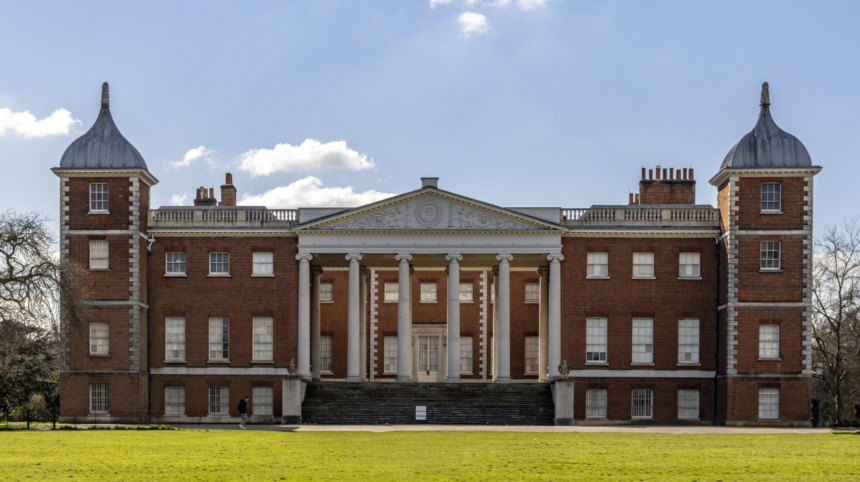
Osterley Park and House in Isleworth is one of West London’s most important surviving country estates. Sir Thomas Gresham developed the original Tudor estate during the 1560s. The present mansion was substantially transformed by architect Robert Adam between 1761 and 1780 for the Child family.
The house is Grade I listed. Its interiors contain some of the most complete surviving examples of Robert Adam’s decorative work.
The National Trust describes the estate as one of London’s last great surviving villa estates. The park covers 360 acres and contains lakes, gardens, farmland and historic landscape features.
Chiswick House
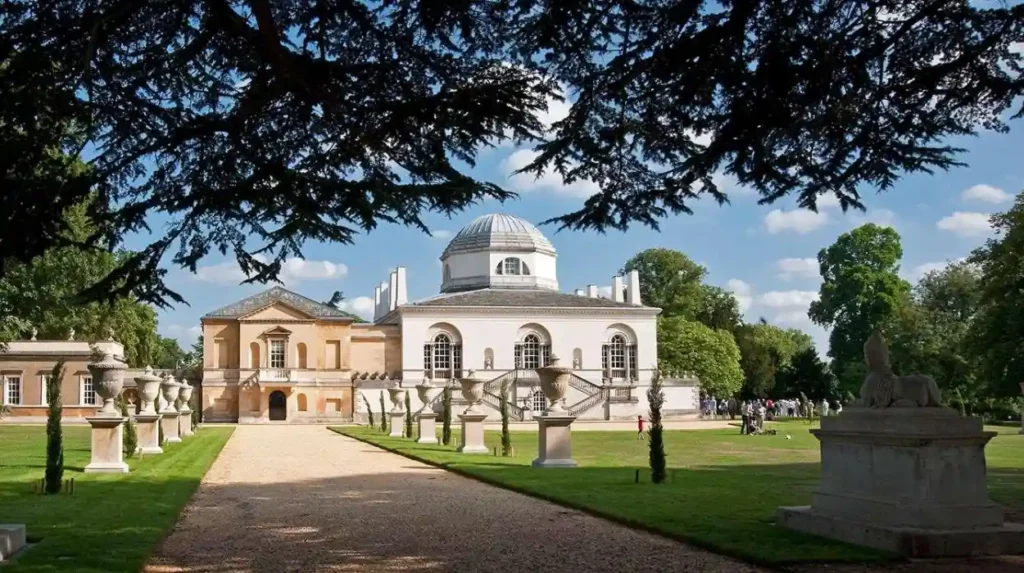
Chiswick House represents the development of neo-Palladian architecture in England. Richard Boyle, 3rd Earl of Burlington, created the villa in the early eighteenth century as a setting for art, architecture and social life.
The building drew heavily on Italian architectural traditions. Its design influenced eighteenth-century country-house architecture.
The surrounding gardens are equally significant. English Heritage identifies the landscape as a major part of the development of the English landscape garden movement.
Kew Palace
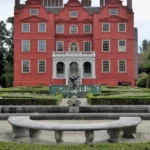
Kew Palace is one of the smallest royal palaces in Britain. The building originated in 1631 as a fashionable mansion for silk merchant Samuel Fortrey.
The Georgian royal family later used Kew as a retreat. George III and Queen Charlotte had strong connections with the building during the eighteenth century.
The palace retains evidence of domestic royal life rather than the ceremonial scale associated with larger royal residences. Historic England identifies it as an important early seventeenth-century country house and later royal residence.
Fulham Palace
Fulham Palace provides one of the deepest historical records in West London. Archaeological evidence indicates activity on the site for thousands of years.
The site became associated with the Bishops of London in AD 704. The medieval palace developed into a major moated episcopal residence. Between the eleventh and fifteenth centuries, the estate included a moat enclosing approximately 36 acres.
Syon House
Syon House in Isleworth occupies the site of a former Bridgettine monastery founded in the fifteenth century. The existing house developed after the Dissolution of the Monasteries and was substantially remodelled in the eighteenth century.
Robert Adam redesigned major elements of the house during the 1760s. The Percy family has held the estate since the sixteenth century.
Pitzhanger Manor
Pitzhanger Manor in Ealing is closely associated with architect Sir John Soane. Soane remodelled the house between 1800 and 1803 as his own country residence.
Historic England lists Pitzhanger Manor at Grade I. The building retains important interiors, including the entrance hall, staircase, parlour and breakfast room.
Boston Manor House
Boston Manor House is a Grade I listed Jacobean manor house in Brentford. The main house was built in 1623 and extended in 1670.
Historic England records original decorative plaster ceilings and friezes among its important surviving features. A major conservation project restored the building and improved public access.
Hogarth’s House
Hogarth’s House in Chiswick is associated with artist William Hogarth. He lived there from 1749 until his death in 1764.
The building is an eighteenth-century house listed at Grade II. Its significance comes from its connection with Hogarth and from its surviving historic fabric.
Gunnersbury Park Museum
Gunnersbury Park contains two important historic mansions and a wider collection of heritage structures. The Large Mansion is Grade II* listed, while the park itself is a Grade II* registered historic park and garden.
The Large Mansion was developed in the early nineteenth century and remodelled for Nathan Mayer Rothschild in the 1830s. Gunnersbury Park Museum opened in 1929.
Strawberry Hill House
Strawberry Hill House in Twickenham was developed by Horace Walpole from 1747. Walpole transformed existing cottages into a Gothic Revival villa with battlements, pinnacles and a round tower.
The building became an important influence on the development of Gothic Revival architecture in Britain. Walpole also opened the house to visitors during his lifetime, giving the building an early connection with heritage tourism.
How did medieval history shape historic buildings in West London?
Medieval West London was shaped by religious estates, river crossings, manors and agricultural land. Fulham Palace provides the clearest surviving example, with its association with the Bishops of London beginning in AD 704 and its later development as a major medieval moated residence.
Medieval land ownership established patterns that influenced later development.
Fulham was particularly important because of its position beside the River Thames. The palace site had archaeological evidence of occupation dating back thousands of years.
The Bishops of London acquired the manor in AD 704. The associated estate covered a large area that included parts of modern Hammersmith, Fulham, Acton, Ealing and Finchley.
The site later became a substantial moated complex. The moat enclosed around 36 acres between the eleventh and fifteenth centuries.
Medieval religious institutions also influenced Syon. A Bridgettine monastery was established there in the fifteenth century. Archaeological investigations have identified remains associated with the former abbey complex.
These sites demonstrate that historic West London was not originally dominated by urban streets. Large estates, farms, religious properties and river-related settlements formed the landscape before metropolitan expansion.
Which Tudor and Stuart buildings survive in West London?
Tudor and Stuart West London is represented by surviving country houses and buildings later incorporated into larger estates. Osterley began as a Tudor estate, Syon House developed after the Dissolution, Kew Palace was built in 1631, and Boston Manor House dates from 1623.
Osterley’s Tudor origins
Sir Thomas Gresham developed Osterley during the 1560s. Gresham was a financier and adviser to several monarchs and also founded the Royal Exchange in London.
Queen Elizabeth I visited Osterley during Gresham’s ownership. Only fragments of the original Tudor estate survive within the later eighteenth-century complex.
Syon after the Dissolution
Syon’s history changed dramatically after the Dissolution of the Monasteries. The former religious complex was largely dismantled, and a Tudor house was established on part of the site.
The surviving house retains elements of its earlier history while also incorporating later architectural interventions.
Kew Palace
Kew Palace began as a private seventeenth-century mansion. Its red-brick construction and Flemish bond brickwork distinguish it from many later Georgian buildings.
Its subsequent use by the royal family transformed its historical importance.
Boston Manor House
Boston Manor House provides an important example of Jacobean domestic architecture. Its date of 1623 places the principal building within the early Stuart period.
Its decorative interiors provide evidence of elite domestic design during the period.
How did Georgian architecture transform West London?
Georgian architecture transformed West London through large country houses, neo-Palladian villas, landscaped estates and carefully planned interiors. Chiswick House, Osterley House, Syon House, Gunnersbury Park and Pitzhanger Manor demonstrate the period’s emphasis on classical proportions, landscape design and architectural patronage.
The eighteenth century produced some of West London’s most distinctive historic buildings.
Chiswick House established a highly influential neo-Palladian architectural model. Its design reflected the architectural interests of Lord Burlington and his study of Italian buildings.
Osterley received a different Georgian transformation. Robert Adam redesigned the building and interiors for the Child family. His work combined classical architecture with elaborate decorative schemes.
Syon House also received major alterations from Adam. The building therefore demonstrates how earlier Tudor structures were adapted to eighteenth-century aristocratic tastes.
Pitzhanger Manor represents another aspect of Georgian architecture. Sir John Soane used the property as his own country house and developed a distinctive architectural composition.
The period also changed landscapes. Gardens became carefully designed extensions of houses rather than purely productive land.
This relationship between building and landscape remains one of the defining characteristics of West London’s historic estates.
What historic buildings can visitors see around Ealing?
Ealing contains major historic buildings including Pitzhanger Manor, Gunnersbury Park Museum and historic structures within conservation areas. The borough has 30 conservation areas covering residential development, open spaces, industrial heritage, transport heritage and remnants of earlier villages.
Pitzhanger Manor is the principal architectural landmark in central Ealing. Its Grade I status reflects its national architectural significance.
Walpole Park provides the landscape setting around the manor. Historic England identifies the park and manor as an important historic ensemble.
Gunnersbury Park sits close to the Ealing-Hounslow boundary. The estate covers approximately 72 hectares and includes two Georgian mansions, historic park structures and a museum.
Ealing’s heritage extends beyond individual landmark buildings. The council identifies 30 conservation areas. These include Ealing Green, Ealing Town Centre, Brentham Garden Estate and other areas with architectural and historical significance.
Conservation areas protect broader character. They consider groups of buildings, streets, landscapes and historic relationships rather than focusing on a single structure.
Which historic buildings are found around Chiswick and Brentford?
Chiswick and Brentford contain some of West London’s strongest concentrations of historic architecture. Chiswick House, Hogarth’s House, Boston Manor House and Syon House represent aristocratic estates, artistic heritage, Jacobean architecture, Tudor development and Georgian architectural transformation.
Chiswick House is the dominant architectural landmark in Chiswick. Its early eighteenth-century neo-Palladian design connects the district with the intellectual and artistic culture of Georgian Britain.
Hogarth’s House provides a smaller-scale historic building with strong cultural significance. The property connects directly with William Hogarth’s life and work.
Boston Manor House sits further west in Brentford. Its Jacobean construction and Grade I listing make it an important example of early seventeenth-century architecture.
Syon House lies in nearby Isleworth. Its architectural history combines medieval religious origins, Tudor rebuilding and Georgian remodelling by Robert Adam.
The concentration of major buildings reflects the historic importance of this part of West London as a landscape of wealthy estates before nineteenth-century urban expansion.
What historic buildings can visitors explore around Kew and Richmond?
Kew and Richmond contain historic royal, aristocratic and residential buildings linked to the Thames, royal retreats and eighteenth-century landscape culture. Kew Palace is the principal royal building, while nearby historic estates and houses demonstrate the area’s long connection with elite residential development.
Kew Palace is the most prominent royal building in this part of West London. Its seventeenth-century origins distinguish it from purpose-built eighteenth-century royal palaces.
Its later royal use gives the building a direct connection with Georgian monarchy. The palace also forms part of the wider historic landscape associated with Kew.
Richmond and Twickenham contain additional historic architecture. Strawberry Hill House is particularly important for understanding the Gothic Revival.
Horace Walpole began developing Strawberry Hill in 1747. The house became an influential example of Gothic Revival design and an early visitor attraction.
The surrounding landscape also matters. Walpole originally expanded his garden to 46 acres through purchases of 41 separate plots from 17 owners.
How are historic buildings in West London legally protected?
Historic buildings in West London receive different levels of protection through national listing, registered parks and gardens, conservation areas and local heritage registers. Listed buildings require special planning controls, while conservation areas protect the character of wider historic places.
Historic England maintains the National Heritage List for England. Listed buildings are classified according to their architectural or historic importance.
Grade I represents exceptional interest. Grade II* represents particularly important buildings of more than special interest. Grade II represents buildings of special architectural or historic interest.
Ealing Council explains that listed structures in the borough include buildings and other heritage assets such as railings, lampstands, telephone kiosks and mileposts.
Listed building consent controls significant alterations. Richmond Council states that consent is required before listed buildings are demolished, extended or altered in ways covered by the legislation.
Conservation areas operate differently. They protect the character and appearance of an area rather than assigning the same statutory listing status to every building.
Richmond currently has 85 conservation areas. Ealing has 30. These designations demonstrate the importance of neighbourhood-scale heritage protection across West London.
Why do historic buildings remain important to West London today?
Historic buildings remain important because they preserve architectural evidence, support museums and cultural programmes, shape neighbourhood identity and provide links to West London’s earlier landscapes. Conservation also keeps historic structures in active use rather than treating heritage as a separate part of urban life.
Historic buildings contribute to local cultural infrastructure.
Gunnersbury Park illustrates this clearly. Its museum holds approximately 50,000 museum and archive objects covering the history and culture of Ealing and Hounslow.
Osterley demonstrates another model. Its historic house operates alongside extensive parkland, gardens and visitor facilities. The National Trust records more than 500,000 annual visitors to the wider estate and around 60,000 visitors to the house and gardens.
Historic buildings also provide educational resources. Their architecture demonstrates changing construction methods, social structures, artistic tastes and patterns of land ownership.
Conservation projects show how historic properties can receive new uses. Boston Manor House underwent major restoration to protect its fabric and increase public access.
The continued use of historic buildings therefore connects preservation with public access, education, tourism and community activity.
Explore More Area Guide
Historic Villages in West London: Hanwell, Chiswick & Northolt
History of West London: Roman Roads, Royals, Wembley & Heathrow
How can visitors explore historic buildings in West London?
Visitors can explore West London’s historic buildings by combining major houses with their surrounding parks, gardens, museums and conservation areas. Routes centred on Ealing, Chiswick, Brentford, Isleworth, Kew, Fulham and Twickenham provide access to different architectural periods.
A visit to Ealing can combine Pitzhanger Manor with Walpole Park and the surrounding conservation areas.
A Chiswick heritage visit can include Chiswick House and Hogarth’s House, linking Georgian architecture with eighteenth-century artistic history.
A Brentford and Isleworth route can include Boston Manor House and Syon House. These properties demonstrate Jacobean, Tudor and Georgian architectural development.
A Kew heritage route can focus on Kew Palace and the wider royal landscape.
A Fulham visit can centre on Fulham Palace and its archaeological history.
A Twickenham route can include Strawberry Hill House and other historic riverside properties.
Visitors should check the official property or council website before travelling because opening arrangements, exhibitions, restoration work and access conditions change over time.
What does the future hold for historic buildings in West London?
The future of West London’s historic buildings depends on continued conservation, appropriate adaptation, sustainable maintenance and public engagement. Current heritage programmes show that restoration can protect architectural fabric while supporting museums, cultural activities, education, tourism and community use.
Historic buildings require continuous maintenance because historic materials and construction systems differ from modern buildings.
Climate adaptation also creates practical challenges. Owners and planning authorities must balance energy efficiency with the protection of architectural fabric and historic character.
Richmond Council notes that energy-efficiency measures in listed buildings can require careful consideration and, for many alterations, listed building consent.
Gunnersbury provides a recent example of major heritage investment. Ealing Council reports £20 million of capital investment involving the National Lottery Heritage Fund, Historic England and the two councils, alongside the establishment of the Gunnersbury Estate (2026) Community Interest Company.
The future relevance of West London’s historic buildings therefore extends beyond preservation. These properties form part of the area’s cultural infrastructure, public spaces and architectural identity.
From the medieval history of Fulham Palace to the Tudor origins of Osterley and Syon, the Georgian architecture of Chiswick and Pitzhanger, and the Gothic Revival of Strawberry Hill, West London contains a layered architectural record.
Its historic buildings document the transformation from rural estates and religious properties into one of London’s major metropolitan regions. Their continued conservation ensures that this architectural history remains accessible to residents, visitors, researchers and future generations.
What are the most famous historic buildings in West London?
Some of the best-known historic buildings in West London include Osterley House, Chiswick House, Kew Palace, Fulham Palace, Syon House, Pitzhanger Manor, Boston Manor House, Hogarth’s House, Gunnersbury Park and Strawberry Hill House.