

Locks and weirs are important features of West London’s waterways. They regulate river levels, support navigation, manage water flow and preserve the historic infrastructure of the River Thames and its tributaries. From uk/local/richmond-upon-thames/richmond/">Richmond Lock to the historic locks along the Thames, these structures connect engineering, transport, recreation and local heritage.
- What are locks and weirs, and how do they work?
- Why are locks and weirs important to West London?
- How did locks and weirs develop along the River Thames?
- Where can you find important locks and weirs in West London?
- How does a canal lock move boats between different water levels?
- How do weirs control water levels and river flow?
- How do locks and weirs support boating and river navigation?
- What role do locks and weirs play in flood management and water conservation?
- How do locks and weirs affect wildlife and the environment?
- How can visitors explore West London’s locks and weirs safely?
- How are historic locks and weirs protected and maintained?
- What is the future of locks and weirs in West London?
What are locks and weirs, and how do they work?
Locks and weirs are river engineering structures that control water levels and support navigation. A lock moves boats between different water levels, while a weir regulates the amount of water flowing downstream. Together, they help manage rivers and maintain navigable waterways.
Locks and weirs perform different functions within a river system. Both influence water movement, but their designs and operating mechanisms serve distinct purposes.
A lock is an enclosed chamber fitted with gates at both ends. Boats enter the chamber, and operators adjust the water level until it matches the level of the river or canal ahead. The gates then open to allow the boat to continue its journey.
A weir is a barrier built across a river or stream. It raises the water level upstream and directs excess water downstream. Modern weirs often incorporate adjustable gates that operators use to regulate river levels according to flow conditions.
The Environment Agency explains that Thames weirs help maintain suitable upstream water levels for navigation and other river management requirements. Their operation also affects the movement of water through the river system.
In West London, these structures form part of the wider Thames navigation network and the Grand Union Canal. They also represent significant examples of Britain’s historic water engineering.
Why are locks and weirs important to West London?
Locks and weirs are essential to West London’s river infrastructure because they regulate water levels, support boating, preserve historic navigation routes and influence riverside environments. Structures along the Thames and Grand Union Canal connect historic engineering with modern recreation, water management and local heritage.
West London contains a mixture of tidal river reaches, non-tidal waterways and artificial canals. Each environment has different requirements for controlling water levels and allowing vessels to travel safely.
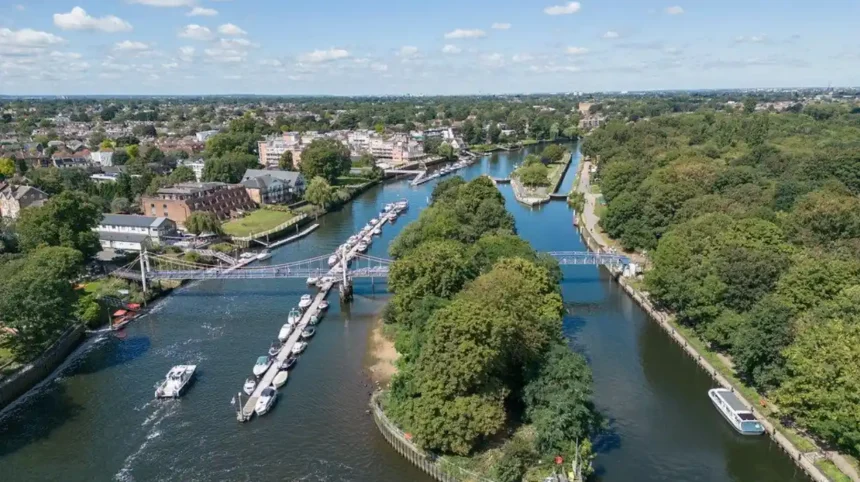
The River Thames is a major geographical feature of West London. Its waterways connect communities including Richmond, Twickenham, Teddington and hounslow/brentford/">Brentford. Locks and weirs help maintain sections of the river for boating and other activities.
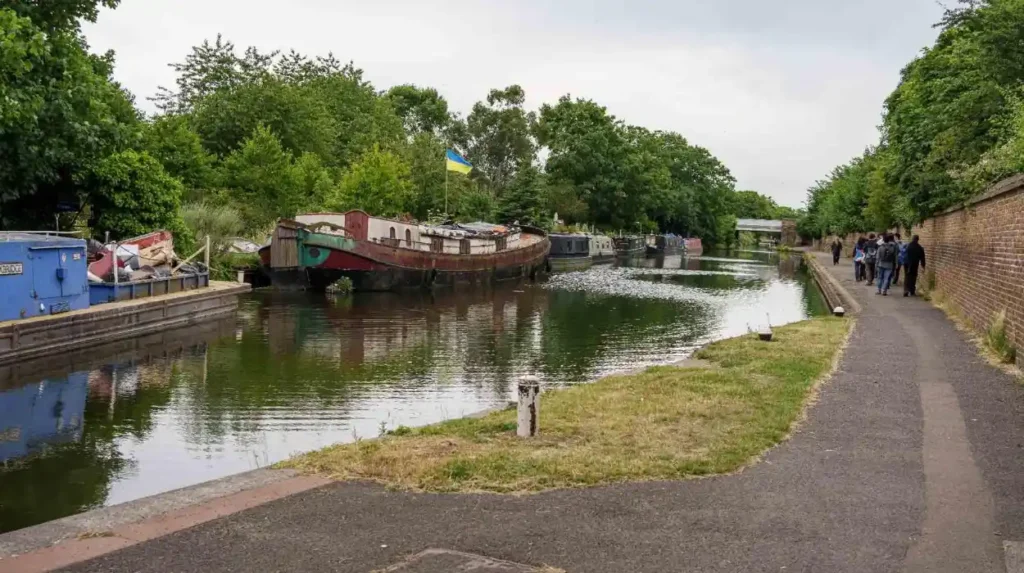
The Grand Union Canal provides another important waterway. Its Paddington Arm passes through West London and connects the capital’s canal network with the wider route towards Birmingham. The Canal & River Trust identifies the canal as a route for boating, walking and exploring industrial heritage.
These structures serve several practical purposes. They help vessels overcome changes in elevation, maintain suitable depths for navigation and manage the distribution of water. Their surrounding banks and towpaths also provide access to riverside landscapes.
Locks and weirs have a cultural role as well. Historic structures demonstrate how engineers adapted rivers to support trade, transport and industrial development before road transport became dominant.
How did locks and weirs develop along the River Thames?
Locks and weirs developed along the Thames to improve navigation, regulate river levels and support trade. Early barriers and flash locks gave way to more controlled engineering structures, particularly during the eighteenth and nineteenth centuries, as commercial navigation and riverside communities expanded.
Historically, the Thames contained shallow stretches, changing currents and natural obstacles that restricted the movement of boats. Engineers and river authorities developed structures to make sections of the river more manageable.
Early weirs frequently served mills and fisheries. By raising water levels, they created conditions for water-powered machinery and helped control local river flow. Some early navigation systems used removable barriers that allowed water to build up and then released it to help boats pass through difficult sections.
As commercial navigation expanded, more sophisticated locks became increasingly important. These structures allowed vessels to travel between river sections without relying on changes in natural water levels.
During the eighteenth and nineteenth centuries, improvements to Thames navigation supported the movement of goods between London and settlements upstream. River transport connected markets, warehouses, agricultural areas and industrial sites.
The Environment Agency’s historical guidance documents the development of Thames locks and weirs and explains their role in river navigation. Historic England also recognises the importance of surviving navigation structures as evidence of Britain’s engineering history.
Why did engineers build Richmond Lock and Weir?
Richmond Lock and Weir addressed a specific problem affecting the upper tidal Thames. Changes in river conditions following the removal of the old London Bridge in the nineteenth century contributed to lower water levels around Richmond and Twickenham at certain stages of the tide.
The new structure was designed to maintain water levels while preserving navigation. Its engineering solution combined a lock for boats with adjustable sluice gates that regulate water levels upstream.
Construction began in the early 1890s, and the structure opened officially in 1894. The design is associated with engineer F. G. M. Stoney, whose sluice technology contributed to developments in hydraulic engineering.
This development illustrates how West London’s waterways evolved in response to practical transport needs and changing river conditions.
Where can you find important locks and weirs in West London?
Important locks and weirs in and around West London include Richmond Lock and Weir, Teddington Lock and Weir, and the lock flights along the Grand Union Canal. These sites demonstrate different approaches to river-level control, boat navigation, historic preservation and public access.
West London’s waterways contain several notable engineering sites. Their structures differ according to the river conditions, navigation requirements and historical period in which they were developed.
Richmond Lock and Weir
Richmond Lock and Weir is one of West London’s most distinctive river engineering landmarks. It stands on the Thames between Richmond and Twickenham and is owned and operated by the Port of London Authority.
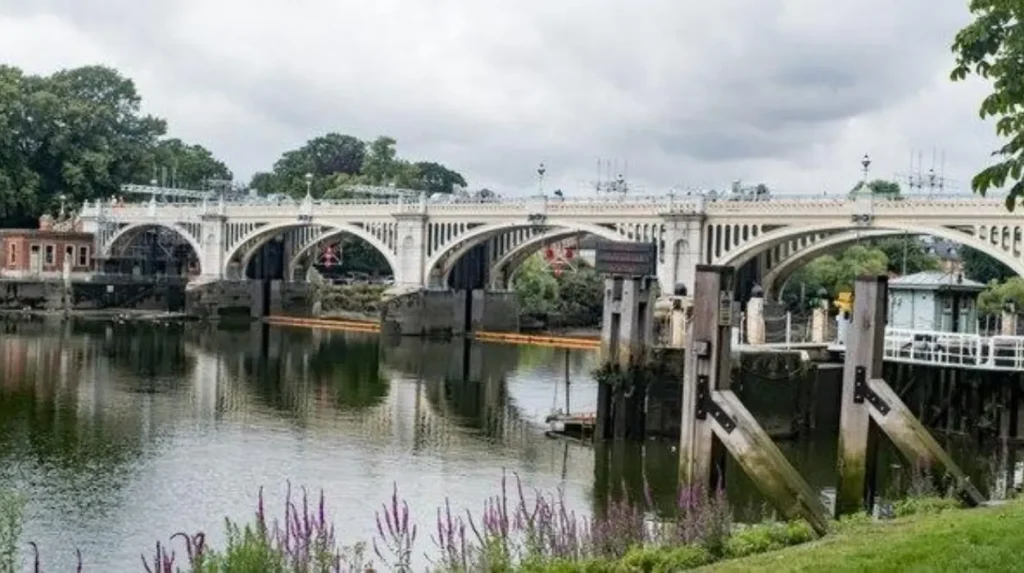
The complex combines a navigation lock, adjustable sluice gates and an elevated footbridge. Its design allows the authority to maintain water levels upstream while accommodating boat movements.
The sluice system consists of three vertical steel gates. Each gate weighs approximately 32.6 tonnes and measures 20 metres wide and 3.64 metres deep. The gates rise into the bridge structure during designated periods, allowing water and vessels to pass according to operating conditions.
The gates generally rise around two hours either side of high tide. During other periods, vessels use the lock to navigate through the structure. Actual operating arrangements depend on tidal and river conditions.
The footbridge and associated structures are Grade II* listed, recognising their special architectural and historic interest. The site is also significant in the history of hydraulic engineering.
Teddington Lock and Weir
Teddington Lock and Weir lies on the Thames near Teddington and marks an important point in the river’s navigation system.
The lock and weir were constructed in 1811 to control the river. The original lock was made of timber and was rebuilt in stone in 1857. The site subsequently developed into a significant feature of the local riverside landscape.
Teddington is particularly important because it marks the transition between the tidal Thames downstream and the non-tidal river upstream. The lock enables boats to pass between different water levels, while the weir manages the river’s flow.
Footbridges at the site provide pedestrian crossings and views of the waterway. The surrounding area reflects the historic relationship between river navigation, boatbuilding and riverside development.
Hanwell Lock Flight
The ealing/hanwell/">Hanwell Lock Flight forms part of the Grand Union Canal in West London. A flight is a sequence of locks positioned close together to move boats through a sustained change in elevation.
Hanwell’s flight contains seven locks. These structures enable canal boats to navigate the difference in height between adjoining canal sections.
The locks are important to the area’s industrial heritage and remain features of the active canal network. The Canal & River Trust identifies the Hanwell flight as a place where visitors can experience canal engineering and walk beside the water.
Denham Deep Lock
Denham Deep Lock lies on the Grand Union Canal near Denham Country Park, west of much of urban London but within the wider West London canal region.
The lock has a recorded drop of approximately 11 feet, or almost 3.5 metres, making it the deepest lock on the Grand Union Canal. Nearby, an aqueduct carries the canal over Fray’s River, an artificial loop associated historically with water-powered flour mills.
Denham demonstrates how locks and associated structures helped canal engineers negotiate changes in terrain while connecting waterways to industrial landscapes.
How does a canal lock move boats between different water levels?
A canal lock moves boats between different water levels by filling or emptying a sealed chamber. Gates isolate the chamber from the surrounding water, while paddles or valves regulate the flow. Once the water levels match, the appropriate gate opens for the boat.
A conventional lock uses a rectangular chamber with gates at each end. The gates prevent water from flowing freely between adjoining sections of the canal.
The operating process follows a controlled sequence:
- The boat enters the chamber when the water level matches the level of the approach.
- The entrance gates close behind the boat.
- The lock operator opens paddles or valves to admit or release water.
- The chamber’s water level rises or falls until it matches the next canal section.
- The exit gates open, allowing the boat to continue.
When a boat travels uphill, water enters the chamber. When it travels downhill, water leaves the chamber. The boat remains afloat as the water level changes.
Lock operation depends on maintaining suitable water levels and following safe procedures. Opening gates before the levels equalise can expose the structure and vessels to dangerous pressure differences.
Canal locks also require careful water management. Each operation transfers water between adjoining canal sections. Canal managers therefore monitor water supplies, particularly during dry weather, when maintaining navigable depths becomes more difficult.
How do weirs control water levels and river flow?
Weirs control water levels by creating a barrier across a river and regulating the amount of water that passes downstream. Fixed weirs allow water to flow over a set crest, while gated weirs adjust discharge to respond to river conditions and management requirements.
A weir changes the relationship between water levels upstream and downstream. The barrier raises the upstream level, while water passes over or through the structure.
Some weirs use a fixed crest. Once the upstream water reaches the crest, excess water flows over it. Other designs use movable gates that operators raise or lower to regulate the discharge.
Richmond Lock and Weir uses adjustable sluice gates to maintain the level of the Thames between Richmond and Teddington. The structure responds to the tidal conditions affecting this part of the river.
Weirs also affect river currents. Water passing over a weir can create turbulence, strong recirculating currents and sudden changes in water depth. These conditions create risks for swimmers, paddlers and people using small craft.
The visible water level alone does not reveal the strength of the current or the hazards downstream. Barriers, warning signs and designated navigation routes must therefore be treated seriously.
How do locks and weirs support boating and river navigation?
Locks and weirs support boating by maintaining suitable water depths and enabling vessels to pass through changes in elevation or controlled river sections. They form part of a navigation system that combines engineered structures, operating procedures, water-level monitoring and designated routes.
Boats travelling along the Thames and Grand Union Canal encounter different operating conditions. On the canal, locks primarily manage changes in elevation. On the river, locks and weirs also respond to tidal effects and changing flow rates.
Richmond Lock is a clear example of navigation infrastructure adapted to local conditions. The Port of London Authority operates the lock and weir and provides information about vessel passage through the structure.
Boaters need to check current navigation notices before travelling. These notices identify closures, maintenance work, restricted passages and other conditions that affect access.
Canal users must also understand lock etiquette. Boats should approach slowly, follow instructions from lock staff or experienced operators, and avoid obstructing other vessels. People handling lock gates must keep clear of moving mechanisms and avoid placing hands or feet where they can become trapped.
Water-level management does not guarantee that every section is navigable at all times. Floods, droughts, maintenance work and operational restrictions can affect passage.
What role do locks and weirs play in flood management and water conservation?
Locks and weirs influence flood management and water conservation by regulating water levels and controlling river discharge. Their effectiveness depends on rainfall, upstream inflows, available storage, tidal conditions and operating decisions. They form one part of a wider system of flood monitoring and water management.
Weirs can retain water upstream during periods of low flow. This helps maintain suitable levels for navigation and supports aquatic habitats that depend on adequate water depth.
During high flows, operators adjust gates according to site design and operating requirements. However, a weir is not automatically a flood defence. Its ability to manage extreme flows is limited by the river’s capacity, incoming water volumes and the structure’s design.
Locks have a different primary purpose. They enable navigation between water levels, although their gates and associated infrastructure also influence local water movement.
Flood risk management involves a wider combination of measures, including flood forecasting, river monitoring, drainage systems, embankments and emergency planning. Locks and weirs contribute to this system but do not independently prevent flooding.
Water conservation is particularly important during dry periods. The Environment Agency explains that closing Thames weir gates during low-flow summer conditions helps retain upstream water and maintain adequate depths for navigation. Such decisions also affect river habitats and water movement.
For residents and visitors, river-level information and official flood warnings provide more reliable guidance than judging conditions from the appearance of the water.
How do locks and weirs affect wildlife and the environment?
Locks and weirs affect wildlife by changing water depth, current speed, sediment movement and habitat connectivity. Their operation influences fish, aquatic plants, invertebrates and riverside habitats. Effective management balances navigation and water-level requirements with ecological protection and river health.
Rivers are dynamic ecosystems. Their wildlife depends on the movement of water, the availability of suitable habitats and connections between upstream and downstream areas.
Weirs interrupt the natural movement of water and can obstruct the passage of fish. The effect depends on the height and design of the barrier, the species present and the availability of suitable passage routes.
Locks and canal structures also alter local water conditions. Slow-moving canal sections support different habitats from fast-flowing river reaches. Vegetated banks, submerged plants and sheltered margins provide feeding and refuge areas for aquatic wildlife.
Sediment movement is another consideration. Weirs can encourage sediment to accumulate upstream, changing riverbed conditions. Downstream sections experience different patterns of flow and sediment transport.
Water quality remains important throughout the system. Pollution, low dissolved oxygen, excessive nutrients and changes in temperature affect aquatic organisms regardless of whether a river contains locks or weirs.
Environmental management therefore involves monitoring river conditions, maintaining suitable flows and protecting wildlife during engineering work. At canal sites, visitors also help protect habitats by avoiding littering, keeping dogs under control where required and respecting vegetation along the banks.
How can visitors explore West London’s locks and weirs safely?
Visitors can explore West London’s locks and weirs using public towpaths, riverside walks and designated viewing areas. Richmond, Teddington, Hanwell and Denham provide opportunities to observe historic engineering, watch boats and enjoy waterside landscapes while following access rules and water-safety guidance.
Richmond Lock and Weir offers views of its distinctive footbridge, lock gates and river setting. Visitors can observe the relationship between the structure and the Thames from accessible riverside locations, subject to any temporary restrictions.
Teddington Lock provides another opportunity to understand how the river’s navigation system operates. Its footbridges and surrounding paths reveal the scale of the lock infrastructure and its relationship with the river.
The Hanwell Lock Flight is suitable for exploring canal heritage on foot. The seven-lock sequence shows how engineers used a series of chambers to move boats through a change in elevation.
Denham Deep Lock provides a different perspective on canal engineering. Its deep chamber illustrates the challenges of adapting waterways to local terrain.
Visitors should follow several safety principles:
- Keep behind barriers and obey warning signs.
- Never swim or wade near weirs, sluices or lock entrances.
- Keep children under close supervision near the water.
- Avoid stepping onto lock gates or operating machinery without authorisation.
- Check access restrictions and navigation notices before visiting.
- Keep dogs away from hazardous edges and moving vessels.
Strong currents and submerged obstacles make the water around weirs particularly dangerous. Even experienced swimmers and paddlers face risks in these areas.
Explore More Area Guide
Canal Bridges in West London: History, Architecture and Walking Routes
West London Canal Towpaths: Best Walks, History and Visitor Guide
How are historic locks and weirs protected and maintained?
Historic locks and weirs require regular inspections, mechanical maintenance, structural repairs and careful management of their historic features. Designated structures also receive heritage protection, which helps preserve significant engineering details while allowing essential work to maintain safety and operation.
Locks and weirs experience constant exposure to water, changing temperatures, sediment and mechanical stress. Gates, hinges, sluices, masonry and metal components all require inspection.
Maintenance work can include repairing gates, replacing worn mechanical parts, treating corrosion, clearing obstructions and improving operating systems. Engineers also monitor structural condition to identify deterioration before it affects safe operation.
Richmond Lock and Weir illustrates the relationship between heritage conservation and practical maintenance. The structure is Grade II* listed, and the Port of London Authority completed a major refurbishment costing £4 million in the early 1990s. A later repainting project costing £500,000 was completed in February 2020.
Listed status recognises the structure’s special architectural and historic interest. Changes affecting protected fabric and its setting are subject to relevant heritage controls, including listed building consent where required.
Maintenance also requires environmental consideration. Work programmes account for river conditions, navigation requirements and potential effects on wildlife.
Continued investment helps keep these structures functional while preserving their historic character for future generations.
What is the future of locks and weirs in West London?
The future of West London’s locks and weirs depends on maintaining ageing infrastructure, responding to changing river conditions, protecting wildlife and supporting safe navigation. Modern engineering, condition monitoring and coordinated water management help preserve these structures as working assets and historic landmarks.
Climate pressures and changing patterns of rainfall place additional demands on water management. Periods of heavy rainfall increase the importance of monitoring river flows, while prolonged dry weather creates challenges for water levels, navigation and aquatic habitats.
Ageing infrastructure also requires planned investment. Mechanical systems, gates, bridges and masonry need ongoing assessment to identify deterioration and maintain reliable operation.
Digital monitoring and improved engineering methods support the management of river levels and infrastructure condition. These tools complement inspections, operational expertise and established waterway management procedures.
Environmental considerations remain central to future planning. Fish passage, habitat quality, water pollution and the effects of construction work all influence decisions about how structures are maintained or upgraded.
West London’s locks and weirs also retain educational and recreational value. They provide visible examples of hydraulic engineering, industrial history and the relationship between urban communities and waterways.
Preserving these structures requires cooperation between river authorities, canal managers, conservation organisations, local councils and waterway users. Their continued operation depends on balancing heritage, navigation, safety and environmental responsibilities.
What are locks and weirs in West London?
Locks and weirs are waterway structures that regulate water levels and support river navigation. Locks move boats between different water levels, while weirs control the flow of water along the River Thames and other waterways.