

Riverside parks in West London provide public green spaces beside the River Thames, its tributaries and connected waterways. These places support walking, wildlife observation, outdoor recreation and community activities. Notable destinations include uk/local/richmond-upon-thames/richmond/">Richmond Riverside, hounslow/isleworth/">Isleworth Promenade, Kew Green and the riverside paths around Chiswick and Barnes. Each location offers different combinations of open lawns, historic landscapes, river views and access to local walking routes.
- What are the best riverside parks in West London?
- Why are riverside parks important to West London?
- How has the River Thames shaped West London’s riverside parks?
- Which riverside parks are best for walking in West London?
- What wildlife can visitors find in West London’s riverside parks?
- Which riverside parks in West London are suitable for families?
- How accessible are West London’s riverside parks by public transport?
- How do riverside parks help manage flooding and improve the environment?
- Why is flood awareness important for visitors?
- What is the future of riverside green space in West London?
- When is the best time to visit riverside parks in West London?
- How can visitors protect West London’s riverside parks?
- How should visitors choose the right riverside park in West London?
- Why explore riverside parks in West London?
West London’s riverside landscape connects residential neighbourhoods with historic villages, former industrial areas, public gardens and the wider Thames Path network. The River Thames has shaped settlement, trade, transport and recreation across the region for centuries. Today, its banks provide spaces for residents and visitors to experience the river while remaining close to London’s transport links and urban amenities.
The London Borough of Richmond upon Thames, in particular, contains extensive parks, commons, woodlands and riverside open spaces. The borough’s visitor information identifies more than 130 parks, commons and woodlands, illustrating the importance of green infrastructure in this part of the capital.
What are the best riverside parks in West London?
The best riverside parks in West London include Richmond Riverside, Isleworth Promenade, Kew Green, and riverside open spaces around Barnes and Chiswick. These destinations offer Thames views, walking opportunities, seating, wildlife habitats and access to nearby neighbourhoods and historic landmarks.
1. Richmond Riverside
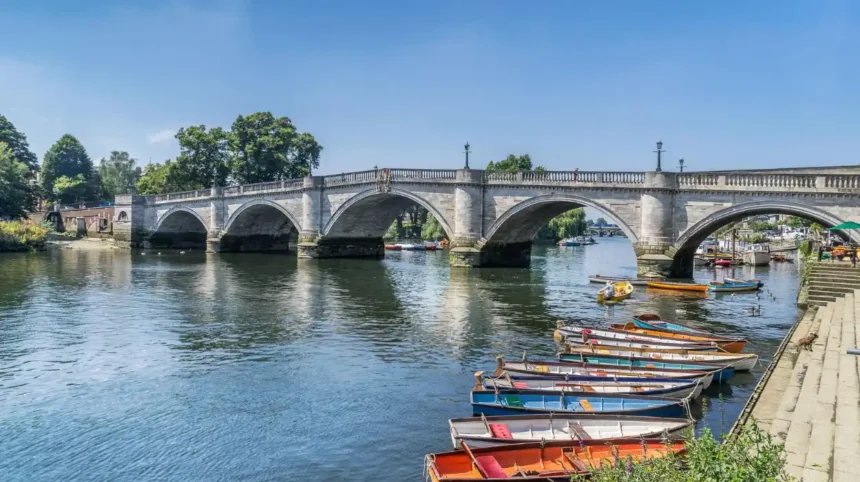
A central riverside public space near Richmond Bridge, with terraced lawns, seating and views across the Thames. Its location near Richmond station makes it convenient for visitors using public transport.
2. Isleworth Promenade
A riverside open space near Twickenham Bridge and Richmond Lock and Weir. Visitors can enjoy river views, grassed areas and seating along the waterfront
3. Kew Green
A historic village green within walking distance of the Thames. It features a cricket pitch and Kew Pond, where planted pond edges provide habitat for waterbirds.
4. Strand-on-the-Green
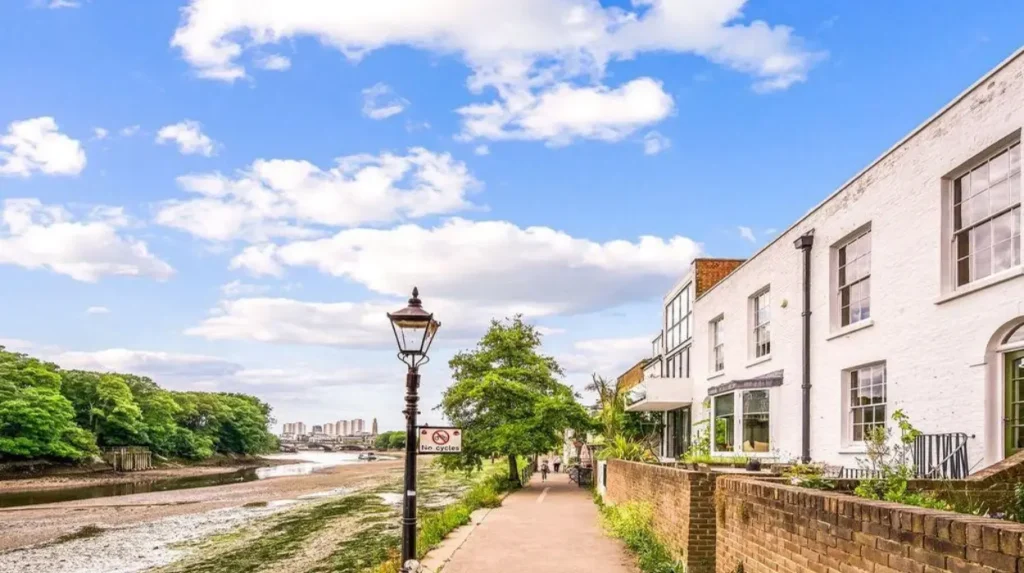
A historic riverside neighbourhood in Chiswick, known for its waterfront views, traditional buildings and walking routes beside the Thames. It is particularly suitable for combining a riverside walk with a local heritage visit.
5. Barnes Green
A village green with a central pond and a footbridge across Beverley Brook connecting towards Barnes Common. It offers a quieter green-space experience within the wider Thames-side landscape.
These destinations differ in size, facilities and setting. Richmond Riverside and Isleworth Promenade provide direct access to the Thames waterfront, while Kew Green and Barnes Green combine village character with nearby waterways. Strand-on-the-Green adds historic buildings and a distinctive riverside streetscape.
Why are riverside parks important to West London?
Riverside parks provide accessible recreation, protect valuable green space, support urban wildlife and connect neighbourhoods with the River Thames. They also contribute to physical activity, community life and environmental awareness by making waterways part of everyday public space.
West London has developed around the Thames and its tributaries. The river historically supported trade, passenger transport, fishing, mills and riverside industries. As urban development expanded, sections of the riverbank became enclosed by buildings, roads and industrial infrastructure.
Public riverside spaces preserve opportunities to experience this landscape. They allow residents to walk beside the water, sit outdoors, observe changing river conditions and reach neighbouring streets without relying entirely on busy roads.
Riverside parks also form part of London’s wider green infrastructure. Green infrastructure means the network of parks, gardens, trees, waterways and natural areas that supports environmental quality and human wellbeing. Connected spaces help people move between neighbourhoods and provide habitat for plants, insects and birds.
How do riverside parks support local communities?
Public green spaces provide settings for informal exercise, family outings, photography, reading and social interaction. Seating and accessible paths make short visits practical for people who do not want to undertake a long countryside walk.
Riverside locations also support local economies. Visitors often combine a walk with cafés, restaurants, shops and public transport. Richmond’s waterfront, for example, sits close to the town centre, allowing visitors to combine outdoor recreation with shopping and other services.
The value of these spaces extends beyond tourism. Residents benefit from nearby outdoor areas for regular walks and everyday relaxation, while community organisations contribute to the maintenance and appreciation of local landscapes.
How has the River Thames shaped West London’s riverside parks?
The River Thames shaped West London through transport, commerce, settlement and industry. Historic waterfronts later developed into public walking areas and recreational spaces, preserving connections between riverside villages, bridges, historic buildings and modern urban neighbourhoods.
The Thames has served as a major transport route for London for centuries. Settlements developed near crossings, landing places and river access points because waterways supported movement and trade. Richmond, Kew, Barnes, Chiswick and Isleworth retain elements of this historic relationship with the river.
Bridges are particularly important to the character of these places. Richmond Bridge, completed in 1777, remains a prominent historic landmark beside Richmond Riverside. Its setting demonstrates how transport infrastructure and public space can contribute to the identity of a riverside town.
In other areas, former industrial and commercial riverfronts have become more accessible for walking and leisure. The change reflects broader shifts in London’s economy, including the decline of some traditional riverside industries and greater attention to public access, environmental improvement and recreation.
What historic features can visitors see?
Visitors can explore historic bridges, traditional waterfront buildings, village greens and established paths. Richmond Riverside offers views of Richmond Bridge and the Thames, while Strand-on-the-Green retains a historic riverside streetscape in Chiswick.
Kew Green illustrates another aspect of the region’s history. It has served as a village green and sporting space, and its cricket pitch remains an important recreational feature. The nearby Kew Pond also reflects historic water management: the local council explains that a sluice gate allows river water to enter the pond through an underground channel during high spring tides.
These features help explain why West London’s riverside spaces are more than modern leisure destinations. They preserve physical evidence of the relationship between water, settlement, infrastructure and community life.
Which riverside parks are best for walking in West London?
Richmond Riverside, Isleworth Promenade and the Thames-side paths near Kew and Chiswick are useful starting points for riverside walks. Each provides access to waterfront scenery, nearby streets and connecting routes, allowing visitors to choose shorter strolls or longer walks.
Walking is one of the most accessible ways to explore West London’s river landscape. Visitors can select a short route around a public space or follow connected paths towards another neighbourhood. The best option depends on distance, surface conditions, access requirements and whether the walk needs public transport connections at both ends.
Where can visitors begin a riverside walk?
Richmond Riverside provides a central starting point near Richmond station and Richmond Bridge. Walkers can explore the waterfront and continue through the surrounding town or towards other Thames-side paths.
Isleworth Promenade offers another starting point near Twickenham Bridge and Richmond Lock and Weir. Its seating and grassed areas make it suitable for a relaxed visit rather than a demanding walking route. The council lists St Margarets station as the nearest railway station.
Kew Green provides access to the local village and a starting point for walking towards the Thames towpath. Visitors can combine the green with a riverside walk and nearby attractions.
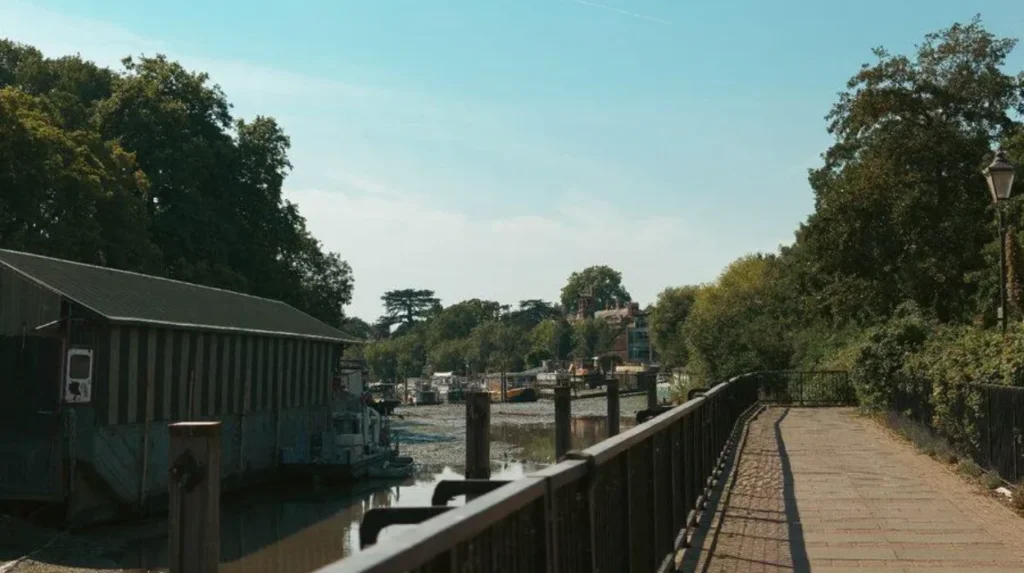
Chiswick’s Strand-on-the-Green offers a different experience, with historic buildings and views across the river. Walkers should check the condition and accessibility of their chosen route before setting out, particularly when high tides or maintenance work affect the waterfront.
How can visitors plan a longer walk?
The Thames Path provides a wider route network for exploring the river. Walkers can select sections that connect riverside neighbourhoods, bridges, open spaces and transport hubs.
A practical itinerary starts with one destination, follows an accessible public path and ends near a station or bus stop. Checking the route on an official map before departure helps avoid unnecessary detours and identifies sections with steps, narrow paths or limited access.
Walking distances depend on the chosen route and entry point. Visitors should use current mapping information rather than assume that two nearby locations have a continuous riverside path between them.
What wildlife can visitors find in West London’s riverside parks?
West London’s riverside parks support birds, aquatic wildlife, insects and waterside plants. Ponds, riverbanks, grassland, mature trees and sheltered vegetation provide different habitats, while places such as Kew Pond and nearby river corridors offer opportunities for wildlife observation.
Riverside habitats support wildlife because they combine water, vegetation and relatively open spaces within a built-up urban environment. Different species use these areas for feeding, nesting, shelter and movement between habitats.
Birds are among the most visible animals. Depending on the location and season, visitors can observe waterbirds around ponds and the Thames, as well as birds feeding in trees, hedges and grassland. The species present change with water conditions, vegetation and seasonal migration.
Insects also benefit from riverside planting. Flowering vegetation provides nectar and pollen, while damp ground and aquatic environments support other stages of insect life cycles. Mature trees offer shelter and feeding opportunities for a range of wildlife.
How does Kew Pond support wildlife?
Kew Pond is a local feature at the north-eastern corner of Kew Green. The London Borough of Richmond upon Thames reports that volunteer planting around the pond’s island and edges has created habitat for waterbirds. Its water level is managed through a sluice connected to the River Thames.
The pond demonstrates how a relatively small water feature contributes to the ecology of an urban neighbourhood. Vegetated edges provide more habitat variety than a completely hard-surfaced bank, while careful water management helps maintain the pond’s function.
Visitors should observe birds without feeding them inappropriate food or disturbing nesting areas. Keeping dogs under control and taking litter home also helps protect wildlife.
Why are connected habitats important?
Connected habitats allow wildlife to move between suitable feeding, breeding and shelter areas. Rivers, tributaries, parks, gardens and tree-lined streets form parts of a broader urban ecological network.
Not every riverside park contains the same species. A pond, a tidal riverbank and a grassed public promenade provide different conditions. Protecting this variety is important because urban biodiversity depends on multiple habitat types rather than a single large green space.
Which riverside parks in West London are suitable for families?
Families can choose accessible public spaces such as Richmond Riverside, Isleworth Promenade, Kew Green and Barnes Green for outdoor breaks and short walks. Their riverside settings offer opportunities to explore local scenery, although facilities, path conditions and nearby amenities differ.
Family visits work best when the destination matches the ages and needs of the group. Young children often benefit from short walks, convenient seating and nearby refreshments. Older children can take a greater interest in bridges, river traffic, birds and the history of local settlements.
Richmond Riverside offers a central location with terraced lawns and seating. Its proximity to town-centre facilities makes it practical for families who want to combine outdoor time with other activities.
Isleworth Promenade provides a simpler riverside setting with grassed areas and places to sit. Kew Green offers open space and a cricket pitch, while Barnes Green provides a pond and access towards Barnes Common. These locations suit different types of outing rather than serving as identical family parks.
What safety precautions should families follow?
The River Thames is a tidal river through much of West London. Water levels and currents change, and muddy banks can be slippery. Families should keep children away from unprotected edges and follow any warning signs or temporary restrictions.
Ponds also require supervision. Children should not enter the water or climb onto unstable banks. Adults should check local conditions and choose paths suitable for pushchairs or mobility needs.
Visitors should confirm whether toilets, refreshments and play facilities are available at their chosen destination. A riverside open space does not necessarily provide a playground or public toilets within its boundaries.
How accessible are West London’s riverside parks by public transport?
West London’s riverside spaces are served by a combination of railway stations, Underground services and buses. Richmond Riverside is near Richmond station, Isleworth Promenade is served by St Margarets station, and Kew Green is accessible from Kew Gardens and Kew Bridge stations.
Public transport makes many riverside visits possible without driving. However, the best station depends on the precise entrance, the route selected and the visitor’s mobility requirements.
Richmond Riverside is near Richmond station, which connects the town with rail and Underground services. Isleworth Promenade is served by nearby St Margarets station and local buses. Kew Green is within walking distance of Kew Gardens and Kew Bridge stations, according to the local council.
How can visitors check accessibility?
Visitors should review the path surface, entrance arrangements, gradients and any steps before travelling. A location near a station does not guarantee a step-free route from the platform to the riverbank.
Wheelchair users and people with pushchairs should consult local council accessibility information and current route maps. Temporary works, flooding and maintenance can also affect the most convenient entrance.
Cyclists should check local signs for restrictions on shared paths. Pedestrians need to remain alert where cycling routes pass through narrow sections or busy public spaces.
How do riverside parks help manage flooding and improve the environment?
Riverside parks contribute to urban environmental management by preserving open space, supporting vegetation and providing opportunities for water-sensitive landscape design. Their flood benefits depend on the site’s elevation, drainage, bank structure and relationship with the river’s wider floodplain.
Flood risk is an important consideration along the Thames. The river responds to rainfall, tributary flows, tidal conditions and wider weather patterns. Some riverside areas are exposed to tidal flooding, while others face surface-water or river flooding under particular conditions.
Green space can help manage rainfall when its soils and vegetation allow water to infiltrate or be stored temporarily. Trees provide shade, and planted areas can support local cooling and biodiversity. However, a paved promenade or raised riverside terrace does not provide the same water-storage function as a low-lying floodplain.
Why is flood awareness important for visitors?
Riverside paths can become wet, slippery or temporarily inaccessible during adverse weather and high-water events. Visitors should follow local warnings, respect barriers and avoid walking through floodwater.
The Environment Agency provides flood information and warnings for England. Checking its current guidance is particularly important when visiting low-lying riverbanks or planning a long walk during periods of heavy rain or unusual tides.
Environmental protection also depends on everyday visitor behaviour. Taking litter home, keeping dogs under control, avoiding damage to planting and staying on established paths help preserve the condition of riverside habitats.
What is the future of riverside green space in West London?
Long-term planning needs to balance public access, habitat conservation, flood resilience and the pressure of urban development. Improvements include maintaining accessible routes, protecting mature trees, restoring suitable waterside vegetation and providing clear information about river conditions.
The condition of each site depends on local management and geography. Flood protection structures, tidal controls, drainage systems and ecological restoration projects serve different purposes. Effective riverside planning considers these systems together rather than treating every waterfront as the same type of park.
When is the best time to visit riverside parks in West London?
Spring and summer offer longer daylight hours and opportunities to enjoy riverside walks, outdoor seating and flowering vegetation. Autumn provides changing foliage, while winter offers quieter visits. Weather, daylight, river conditions and seasonal maintenance determine the most suitable time.
Spring is suitable for observing emerging leaves, flowering plants and seasonal bird activity. Kew Green and its pond provide a setting for noticing changes in vegetation and waterbirds.
Summer is popular for picnics, walking and spending time outdoors. Richmond Riverside’s seating and lawns are useful for breaks during warm weather. Visitors should carry drinking water, use sun protection and remain aware of changing river conditions.
Autumn brings changes in leaf colour and cooler walking conditions. Winter visits offer a different view of the Thames, with fewer opportunities for extended outdoor sitting. Wet paths and shorter daylight hours require more careful planning.
Should visitors check opening hours?
Yes. Public riverside spaces and enclosed attractions have different access arrangements. Richmond Riverside, Isleworth Promenade and Kew Green are listed by the local council as accessible at all times. Nearby gardens, museums and other attractions operate under separate arrangements.
Visitors should verify current access information before travelling, particularly when their plans include facilities beyond the riverside space itself.
How can visitors protect West London’s riverside parks?
Visitors can protect riverside parks by taking litter home, respecting wildlife, following dog-control rules and remaining on designated paths. Responsible behaviour reduces disturbance, protects vegetation and helps maintain safe, attractive public spaces for residents and future visitors.
Riverside landscapes face pressure from litter, erosion, recreational disturbance and urban development. Even small actions contribute to their long-term condition.
Visitors should use bins where available and take rubbish away when bins are full. Plastic packaging, food waste and other litter should never be left near the river or thrown into the water.
Dogs should be kept under control and managed according to local rules. Wildlife should be observed at a respectful distance, particularly during nesting periods. Plants, pond edges and established habitats should remain undisturbed.
Community participation also supports conservation. Local groups and volunteers contribute to planting, habitat improvement and public awareness in parks across Richmond upon Thames. Kew Pond’s volunteer planting is one documented example of community involvement in maintaining a local waterside habitat.
Explore More Area Guide
Locks and Weirs in West London: Thames and Canal Guide
Canal Bridges in West London: History, Architecture and Walking Routes
How should visitors choose the right riverside park in West London?
Visitors should select a riverside park according to walking distance, public transport access, available seating, wildlife interest and nearby facilities. Richmond Riverside suits central visits, Isleworth Promenade offers a quieter waterfront, and Kew Green combines village heritage with access to the Thames.
The most suitable destination depends on the purpose of the visit. A short outdoor break requires different facilities from a longer walk or a wildlife-focused outing.
Richmond Riverside is a practical option for visitors who want river views close to shops, restaurants and transport. Isleworth Promenade suits those seeking seating and an open waterfront setting. Kew Green is useful for visitors interested in village history, cricket and pond wildlife.
Barnes Green offers a village-centred green space near Beverley Brook and Barnes Common. Strand-on-the-Green provides a historic riverside setting for visitors interested in traditional buildings and Thames scenery.
Before setting out, check transport connections, weather, path accessibility and any temporary restrictions. These details help visitors choose a suitable route and make the most of their time outdoors.
Why explore riverside parks in West London?
Riverside parks in West London connect public green space with the River Thames, local history, wildlife and everyday recreation. Richmond Riverside, Isleworth Promenade, Kew Green, Barnes Green and Strand-on-the-Green each offer a different way to experience the region’s waterfront landscape.
These places preserve access to the river within a densely developed part of London. They support walking, outdoor relaxation, local community activities and opportunities to observe urban wildlife. Their historic features also reveal how the Thames shaped settlement and transport across West London.
Responsible visits help maintain these spaces for future generations. By respecting wildlife, following local rules and checking access conditions, residents and visitors can continue to enjoy West London’s riverside landscape throughout the year.
What are the best riverside parks in West London?
Some of the best riverside green spaces in West London include Richmond Riverside, Isleworth Promenade, Kew Green, Barnes Green and Strand-on-the-Green in Chiswick. They offer river views, walking routes, historic surroundings and opportunities to enjoy nature.