

Butterfly watching in West London offers opportunities to observe native butterflies in nature reserves, public parks, woodland, meadows and residential gardens. The region’s mixture of urban green spaces and wildlife habitats supports butterflies throughout the warmer months, with different species appearing as the seasons change.
- What Is Butterfly Watching and Why Is West London Suitable for It?
- Which Places Are Best for Butterfly Watching in West London?
- Gunnersbury Triangle
- Hounslow Heath
- Bedfont Lakes Country Park
- River Crane and Surrounding Green Spaces
- Local Gardens and Residential Parks
- When Is the Best Time to Watch Butterflies in West London?
- Which Butterfly Species Can Visitors See in West London?
- How Can Beginners Identify Butterflies in West London?
- What Habitats Attract Butterflies in West London?
- How Does Butterfly Watching Support Wildlife Conservation in West London?
- How Can Visitors Watch Butterflies Without Disturbing Wildlife?
- How Can Residents Attract More Butterflies to West London Gardens?
- What Should Visitors Bring for a Butterfly-Watching Walk?
- How Can Families and Children Enjoy Butterfly Watching in West London?
- How Will Butterfly Conservation Remain Important for West London?
West London includes areas such as uk/local/hounslow/chiswick/">Chiswick, Hounslow, Ealing, Hillingdon, Richmond and Barnes. These locations contain habitats that support insects, wildflowers, trees and other wildlife. Gunnersbury Triangle, Hounslow Heath and local parks provide opportunities to explore London’s biodiversity without travelling far from residential neighbourhoods.
Butterfly watching is a form of wildlife observation that involves identifying butterflies, recording their behaviour and understanding the habitats they depend on. It is accessible to beginners, families, photographers, nature enthusiasts and people interested in environmental conservation.
What Is Butterfly Watching and Why Is West London Suitable for It?
Butterfly watching is the observation and identification of butterflies in their natural habitats. West London supports this activity through woodland, grassland, gardens and nature reserves, where flowering plants, sheltered areas and suitable vegetation provide food and breeding habitats for different butterfly species.
Butterflies are insects belonging to the order Lepidoptera, which also includes moths. Adult butterflies typically feed on nectar, while their caterpillars depend on particular plants for food. This relationship between insects and vegetation makes habitat quality essential for butterfly populations.
West London contains a varied urban landscape. Residential gardens provide flowering plants, parks offer open grassland, and nature reserves preserve habitats that are less intensively managed. These environments support different stages of the butterfly life cycle.
Gunnersbury Triangle, near Chiswick Park station, is a notable example. London Wildlife Trust manages this three-hectare nature reserve, which contains wet woodland, ponds and acid grassland. The organisation identifies the orange-tip and speckled wood among the butterfly species associated with this habitat. The reserve is open throughout the year, with April to November identified as a suitable visiting period.
West London’s green spaces also provide educational opportunities. Visitors learn how butterflies respond to seasonal changes, locate nectar plants and use sheltered vegetation. These observations help people understand the relationship between urban development and wildlife conservation.
Which Places Are Best for Butterfly Watching in West London?
Some of the most useful places for butterfly watching in West London include Gunnersbury Triangle, Hounslow Heath, Bedfont Lakes Country Park and the green spaces around the River Crane. Each offers different vegetation, open areas or woodland conditions that support butterfly activity.
Gunnersbury Triangle
Gunnersbury Triangle is a three-hectare nature reserve in Chiswick, close to Chiswick Park Underground station. London Wildlife Trust manages the site, which was protected following a local campaign against development in the early 1980s. It opened to the public as a nature reserve in 1985.
The reserve combines birch and willow woodland with ponds and acid grassland. This habitat variation creates opportunities to observe butterflies in different settings. Speckled wood butterflies are associated with woodland environments, while orange-tip butterflies are frequently linked with spring vegetation and flowering plants.
Natural-surface paths and boardwalks help visitors explore the reserve. Some areas contain uneven ground and steep steps, so visitors requiring step-free access should check the reserve’s current accessibility information before travelling.
Hounslow Heath
Hounslow Heath provides an extensive natural landscape within an urban borough. Its open areas and varied vegetation make it a useful destination for observing wildlife, including insects associated with grassland and flowering plants.
The London Borough of Hounslow organises nature and conservation activities at Hounslow Heath and other local sites. Visitors should check council information for ranger-led events, access arrangements and seasonal activities.
When visiting, look for butterflies around sunny grassland edges and flowering vegetation. Avoid walking through areas of long grass that are being managed for wildlife.
Bedfont Lakes Country Park
Bedfont Lakes Country Park is another West London destination for wildlife observation. The London Borough of Hounslow identifies the park as a location for nature and conservation activities.
Its combination of open spaces, vegetation and waterside habitats provides opportunities to observe insects alongside birds and other wildlife. Butterfly sightings depend on the weather, vegetation management and the time of year.
Visitors should remain on designated paths and check current park information before planning a longer walk.
River Crane and Surrounding Green Spaces
The River Crane passes through parts of west and southwest London, connecting green spaces and waterside habitats. Vegetation along river corridors supports insects by providing shelter, flowering plants and connections between areas of habitat.
A historical event listing published by the Greater London Authority documented a guided butterfly walk along the River Crane in Hounslow. The event met near Mereway Nature Park, beside Kneller Gardens, and focused on observing butterflies along the river. This historical listing demonstrates the area’s suitability for organised wildlife observation, although it does not confirm a current event.
Local Gardens and Residential Parks
Residential gardens and public parks provide convenient places to observe common butterflies. The London Borough of Hounslow explains that gardens support butterflies and other wildlife, and recommends improving flower borders to benefit insects.
Small green spaces are useful for short observation sessions. Flowering borders, sheltered corners and sunny patches can attract butterflies even where a garden has limited space.
When Is the Best Time to Watch Butterflies in West London?
The main butterfly-watching season in West London runs from spring through early autumn. April to September is a useful period to plan visits, with species such as orange-tip appearing in spring and painted lady, peacock and other butterflies appearing during warmer summer conditions.
Butterfly activity changes throughout the year. Temperature, sunshine, wind, rainfall, flowering plants and species life cycles influence when butterflies become visible.
Spring brings the first opportunities to observe several species. Orange-tip butterflies are associated with early-season sightings, particularly around suitable flowering plants and vegetation. Holly blue butterflies also appear in spring, with another generation commonly emerging later in the year.
Summer generally provides the broadest opportunities for butterfly watching. Longer daylight hours and warmer temperatures support active flight, feeding and reproduction. Painted lady butterflies are migratory visitors to Britain and are frequently associated with summer observations. Peacock, small skipper and green-veined white butterflies are other useful species to learn to identify.
Early autumn can still produce sightings on warm days, especially around flowering plants. However, the number and variety of visible butterflies generally decline as temperatures fall and the seasons change.
Winter is less suitable for routine butterfly watching because most British butterfly species are not regularly active as flying adults during cold conditions. Some species survive winter in other life stages, including eggs, caterpillars, pupae or adult hibernation.
For the best results, plan visits on warm, relatively calm days with sunshine. Mid-morning through the afternoon is often productive because butterflies become more active as temperatures rise. Cool, rainy or windy weather reduces flight activity.
Which Butterfly Species Can Visitors See in West London?
West London visitors can look for familiar British butterflies such as orange-tip, speckled wood, peacock, red admiral, painted lady, small skipper, green-veined white, comma and holly blue. Actual sightings depend on habitat, season, weather and local butterfly populations.
London Wildlife Trust’s London Butterfly Spotter identifies nine useful species for beginners, including orange-tip, peacock, ringlet, red admiral, small skipper, comma, green-veined white, painted lady and holly blue.
Orange-tip butterflies are recognisable by the bright orange wing tips of males. They are associated with spring and suitable host plants for their caterpillars.
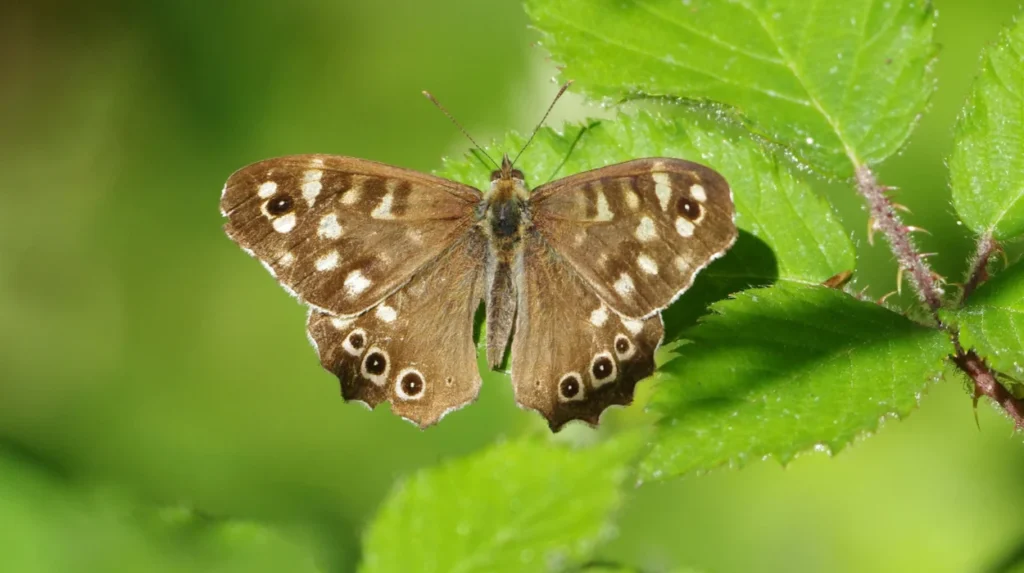
Speckled wood butterflies have pale markings on brown wings and are associated with woodland and shaded habitats. Gunnersbury Triangle provides an example of a London habitat where this species is recorded.
Peacock butterflies have distinctive blue eye-like markings on their wings. These markings make them relatively easy for beginners to recognise.
Red admiral butterflies have dark wings with striking red bands and white markings. They visit gardens and parks to feed on flowering plants.
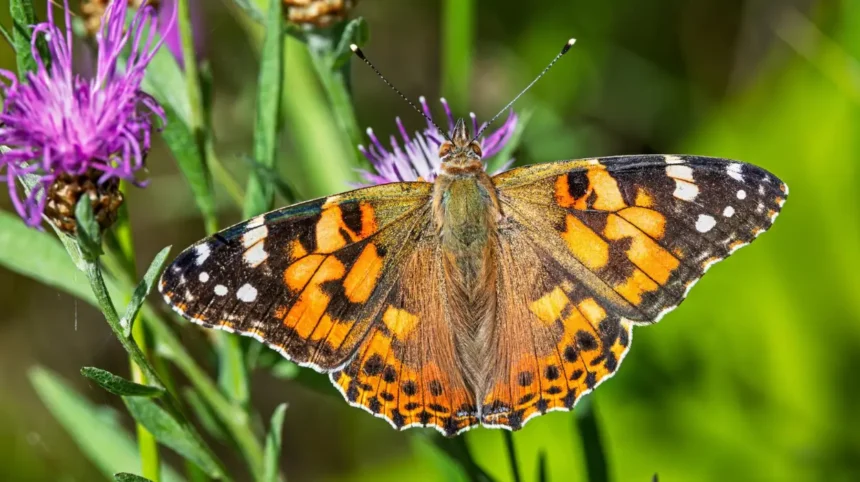
Painted lady butterflies have orange, black and white markings. They are migratory and arrive in Britain from areas farther south, making their numbers variable between years.
Small skipper butterflies are small, orange-brown insects often found around grasses. Their appearance and behaviour make grassy areas useful places to search.
Green-veined white butterflies resemble other white butterflies but have greenish markings along the veins on the underside of their wings. They are associated with a range of habitats, including gardens, hedgerows and parks.
Comma butterflies have irregular wing edges and orange-brown upper surfaces. Their outline helps distinguish them from several other common species.
Holly blue butterflies are small and blue, with a pale underside. They are often seen around gardens, parks and shrubs.
These descriptions provide starting points rather than guarantees of identification. Sunlight, viewing angle, wing position and natural variation affect the appearance of individual butterflies.
How Can Beginners Identify Butterflies in West London?
Beginners can identify butterflies by observing wing colour, size, markings, flight behaviour, habitat and season. A field guide or the London Wildlife Trust butterfly spotter helps compare these features and narrow down the species without handling or disturbing the insect.
Start by observing the butterfly from a comfortable distance. Note whether its wings are predominantly orange, brown, white or blue. Look for distinctive features such as eye-like spots, ragged edges or coloured bands.
Wing shape provides another useful clue. Some species have rounded wings, while others have more angular or irregular outlines. When a butterfly settles, observe the upper and underside surfaces because their patterns often differ.
Habitat can help narrow identification. A butterfly flying through woodland has different likely candidates from one feeding on flowers in open grassland. Habitat alone does not confirm a species, but it provides valuable context.
Season also matters. An orange-tip butterfly observed in spring fits a different seasonal pattern from a painted lady appearing during summer migration. Comparing several characteristics produces a more reliable identification than relying on colour alone.
London Wildlife Trust provides a dedicated London Butterfly Spotter with descriptions of common species. Visitors can use the guide before a walk or compare their observations afterwards.
Record uncertain sightings as unidentified butterflies rather than forcing a conclusion. A clear photograph taken without disturbing the insect helps with later identification.
What Habitats Attract Butterflies in West London?
Butterflies depend on suitable breeding and feeding habitats, including flowering meadows, woodland edges, gardens, hedgerows and grassland. West London parks and nature reserves support these habitats through vegetation, nectar sources, sheltered spaces and plants required by caterpillars.
Flower-rich grassland provides nectar for adult butterflies. Wildflowers supply energy that supports feeding, movement and reproduction. Areas managed to retain flowering plants are therefore important for butterfly activity.
Woodland edges provide a transition between shade and open sunlight. Species such as speckled wood are associated with woodland conditions, while other butterflies use sunny clearings and nearby flowering vegetation.
Gardens provide smaller but valuable habitats. Flower borders, shrubs and native plants support adult butterflies and, where suitable host plants are present, their caterpillars. The London Borough of Hounslow recommends improving garden flower borders to benefit butterflies and other wildlife.
Hedgerows and connected green corridors provide shelter and help insects move between suitable areas. River corridors, park boundaries and planted roadside verges contribute to this network where vegetation remains suitable.
Habitat quality involves more than the presence of flowers. Caterpillars often depend on specific host plants, so a site with abundant nectar does not automatically support successful breeding. Conservation measures need to consider the requirements of both adult butterflies and their young.
How Does Butterfly Watching Support Wildlife Conservation in West London?
Butterfly watching supports conservation when observers record species, dates, locations and numbers accurately. These observations contribute information about wildlife distribution and seasonal activity, helping conservation organisations identify habitat changes, monitor populations and plan measures that protect butterflies across London’s urban landscape.
Butterflies are useful indicators of environmental conditions because they respond to changes in temperature, vegetation and habitat management. Long-term records help researchers distinguish ordinary seasonal variation from broader changes in distribution or abundance.
The London Wildlife Trust explains that butterfly and moth records include the species observed, number of individuals, location and date. These records supplement existing data and help conservation teams assess populations, identify declining species and locate opportunities to improve habitats.
Members of the public can contribute by submitting accurate observations through appropriate wildlife recording projects. A record should include the identification, observation date and location, with a photograph where possible.
The Big Butterfly Count is a UK-wide citizen-science survey that asks participants to count butterflies and certain day-flying moths during a designated summer period. The survey provides information that helps researchers assess changes in butterfly populations and environmental conditions. Participants should check the official Butterfly Conservation website for the current year’s dates and recording instructions.
Conservation also depends on protecting habitat. Maintaining wildflower areas, retaining suitable caterpillar host plants and reducing unnecessary disturbance help support butterfly life cycles.
West London’s urban nature reserves demonstrate how local protection makes a difference. Gunnersbury Triangle was saved from development following a campaign in the early 1980s, then developed into a publicly accessible reserve. Its woodland, ponds and grassland preserve habitat within a built-up area.
How Can Visitors Watch Butterflies Without Disturbing Wildlife?
Responsible butterfly watching involves staying on paths, avoiding contact with butterflies and caterpillars, respecting reserve rules and leaving plants undamaged. Visitors should observe quietly, photograph from a distance and avoid trampling wildflowers or disturbing areas managed for wildlife conservation.
Butterflies are delicate insects. Handling them can damage their wings or remove protective scales, so observation should never require catching or touching them.
Stay on designated paths where possible. This protects flowering plants, caterpillar host plants and areas where insects feed or shelter. Follow restrictions around ponds, long grass, fenced habitat and restoration areas.
Avoid collecting butterflies, eggs, caterpillars or pupae. These life stages are part of the local ecosystem and should remain in their natural environment.
Photography works best when visitors allow butterflies to settle naturally. Use a camera zoom or a phone’s close-focus capability instead of moving vegetation or repeatedly approaching an insect.
Dogs should be kept under control and visitors should follow each reserve’s access rules. At Gunnersbury Triangle, London Wildlife Trust specifies that only assistance dogs are permitted. Other sites have their own policies, so checking before travel prevents problems.
Visitors should also avoid leaving litter, picking flowers or feeding wildlife. Responsible behaviour protects the habitats that make butterfly watching possible.
How Can Residents Attract More Butterflies to West London Gardens?
Residents can make gardens more suitable for butterflies by planting nectar-rich flowers, retaining appropriate caterpillar host plants, reducing unnecessary pesticide use and allowing selected areas to flower naturally. These measures improve feeding opportunities and support different stages of the butterfly life cycle.
Choose flowering plants that provide nectar across different parts of the growing season. A mixture of suitable plants helps ensure that food remains available as early-spring species give way to summer and autumn visitors.
Retain appropriate host plants for caterpillars. Adult butterflies visit flowers, but their young need plants on which they can feed and develop. The correct host plant depends on the butterfly species.
Reduce pesticide use where practical. Broad-spectrum insecticides can harm non-target insects, including butterflies and other beneficial wildlife. Avoid spraying flowering plants when pollinators are active.
Allow a small section of lawn to grow longer where space permits. Flowering plants and grasses provide additional habitat, particularly when mowing is adjusted to protect selected areas. The London Borough of Hounslow’s natural-summer initiative has included leaving selected grassy areas unmown from 1 May until early autumn in 2026 to support wildlife and habitats.
Provide sheltered vegetation and avoid excessive garden tidying. Different butterfly species use different plants and structures for feeding, resting and reproduction. A varied garden is more useful than a uniformly short lawn with few flowering plants.
Residents without private gardens can contribute through shared green spaces, community gardening and local habitat projects, subject to the landowner’s permission.
What Should Visitors Bring for a Butterfly-Watching Walk?
A useful butterfly-watching kit includes comfortable footwear, weather-appropriate clothing, drinking water, a phone or camera, a field guide and a notebook. These items help visitors remain comfortable, identify species, record observations and enjoy West London’s parks and nature reserves responsibly.
Comfortable walking shoes are important on natural-surface paths and uneven ground. A light rain jacket and sun protection help visitors prepare for changing British weather.
A smartphone provides access to identification guides and photographic records. Photographs should capture the butterfly’s markings without requiring contact or disturbance.
A notebook or digital note can record the date, location, weather, habitat and species. These details improve identification and make observations more useful for citizen-science projects.
Bring drinking water for longer walks, especially during warm weather. Check transport options, reserve opening information and accessibility details before setting out.
Binoculars are not essential for butterfly watching, but a camera with a close-focus function is useful for observing details. Beginners can start with a phone and a free identification resource from London Wildlife Trust.
Explore More Area Guide
Butterfly Watching in West London: Richmond Park and Local Wildlife
Biodiversity Sites in West London: Nature Reserves and Wildlife
How Can Families and Children Enjoy Butterfly Watching in West London?
Families can make butterfly watching an educational outdoor activity by choosing accessible paths, identifying common species, observing flowers and recording sightings. Short visits to local parks and nature reserves introduce children to insect life cycles, biodiversity and the importance of protecting urban wildlife.
Start with a short walk rather than trying to identify every butterfly. Children can look for colour patterns, count sightings and compare butterflies observed in sunny and shaded locations.
Explain the butterfly life cycle: egg, caterpillar, pupa and adult. This sequence helps children understand why plants and undisturbed vegetation matter beyond the flowers that attract adult butterflies.
Use a simple checklist based on common London species. London Wildlife Trust’s spotter resources provide a practical starting point for identifying butterflies and other wildlife.
Choose a location that matches the group’s walking ability. Gunnersbury Triangle has natural paths, boardwalks and some uneven sections, meaning it is important to check access requirements before visiting with a pushchair or anyone needing step-free routes.
Teach children to observe without touching insects or damaging plants. Respectful wildlife watching builds practical conservation awareness while allowing families to enjoy green spaces close to home.
How Will Butterfly Conservation Remain Important for West London?
Butterfly conservation will remain important as West London balances housing, transport, public green space and biodiversity. Protecting connected habitats, retaining flowering vegetation and monitoring butterfly records helps maintain urban wildlife and provides evidence for future conservation and land-management decisions.
Urban development changes the amount and quality of available habitat. Where green spaces become isolated, butterflies face greater difficulty moving between feeding and breeding areas. Connected parks, gardens, river corridors and planted verges help reduce this fragmentation when they provide suitable vegetation.
Climate conditions also influence butterfly activity and distribution. Seasonal temperatures affect emergence, flight periods and the availability of host plants. Long-term recording helps conservation organisations assess these changes rather than relying on individual sightings.
Local authorities, conservation organisations, community groups and residents each have a role. Councils influence park maintenance and grass-cutting schedules, conservation organisations manage protected habitats, and residents can improve gardens and submit wildlife observations.
London Wildlife Trust manages nature reserves and provides educational resources to help people understand London’s wildlife. Its conservation work includes protecting habitats and encouraging participation in nature recovery.
The long-term value of butterfly watching extends beyond identifying insects. Consistent observations help build knowledge of London’s biodiversity, while responsible visits encourage support for the green spaces that sustain it.
West London offers opportunities for beginners and experienced naturalists to observe butterflies in woodland, grassland, parks and gardens. Choosing the right season, learning common species and respecting wildlife habitats make each visit more informative. Protecting these environments ensures that butterfly watching remains an accessible way to connect with London’s natural heritage.
Where are the best places for butterfly watching in West London?
Gunnersbury Triangle, Hounslow Heath, Bedfont Lakes Country Park and green spaces along the River Crane are useful places to observe butterflies and explore local wildlife habitats.