

Art classes for children in West London provide opportunities to develop artistic skills, explore creative interests and learn different forms of visual expression. From beginner drawing lessons to painting, pottery, sculpture and digital design, children’s art education supports practical learning outside the traditional school environment.
- What Are Art Classes for Children in West London?
- Why Should Children Attend Art Classes?
- How Does Art Improve Creative Thinking?
- How Do Art Classes Develop Fine Motor Skills?
- How Does Art Support Communication and Confidence?
- What Does Research Say About Arts Participation?
- What Types of Art Classes Are Available for Children in West London?
- Drawing and Sketching Classes
- Painting Classes
- Pottery and Clay Modelling
- Sculpture and Three-Dimensional Art
- Mixed-Media and Craft Classes
- Digital Art and Animation Classes
- What Age Groups Can Join Children’s Art Classes in West London?
- Art Classes for Children Aged 3–5
- Art Classes for Children Aged 6–8
- Art Classes for Children Aged 9–12
- Art Classes for Teenagers Aged 13–18
- Where Can Parents Find Art Classes for Children in West London?
- art-K South Ealing
- Creative Art Campus, Hounslow
- Art With Little Pics, Chiswick
- art-K Shepherd’s Bush
- Paintbox Studios, Hammersmith
- FRESH Art Club for Children, Ealing
- Kite Studios, Shepherd’s Bush
- How Do Children’s Art Classes Usually Work?
- What Happens During a Typical Art Lesson?
- What Materials Do Art Studios Provide?
- How Often Should Children Attend Art Classes?
- How Much Do Children’s Art Classes Cost in West London?
- How Can Parents Choose the Best Art Class for Their Child?
- Should Parents Check the Instructor’s Qualifications?
- Why Is Class Size Important?
- What Safety Measures Should Parents Check?
- Should Children Attend a Trial Class?
- How Do Art Classes Connect Children With West London’s Creative Culture?
- How Can Local Museums Support Art Education?
- Can Children Learn From Public Art?
- How Do Art Classes Encourage Cultural Awareness?
- What Are the Future Opportunities for Children Who Study Art?
- How Can Art Classes Support GCSE and A-Level Preparation?
- Which Careers Use Artistic Skills?
- Why Will Creative Skills Remain Relevant?
- How Can Parents Prepare Children for Their First Art Class?
- What Should Children Bring?
- How Can Parents Support Learning at Home?
- How Should Parents Monitor Progress?
- Finding Suitable Art Classes for Children in West London
West London has a diverse range of creative learning opportunities for children. Families in uk/local/ealing/">Ealing, fulham/hammersmith/">Hammersmith, hounslow/chiswick/">Chiswick, Hounslow, Shepherd’s Bush, Acton and surrounding neighbourhoods can explore independent art studios, specialist art schools, community workshops and holiday programmes.
These classes introduce children to different artistic materials, techniques and creative processes. Some programmes focus on basic drawing and painting, while others provide structured instruction in fine art, ceramics, illustration, animation and mixed-media projects.
Choosing an appropriate art class involves considering a child’s age, interests, experience, learning requirements and location. Parents also need to understand class structures, teaching methods, safety arrangements and course costs before making a booking.
What Are Art Classes for Children in West London?
Art classes for children in West London are organised creative learning sessions where young people develop drawing, painting, design and craft skills. Professional instructors introduce artistic techniques, materials and visual concepts through practical activities, guided projects and age-appropriate lessons.
Children’s art classes are educational programmes designed to introduce young learners to visual arts and creative activities. They operate through independent art schools, private studios, community organisations, educational centres and extracurricular programmes.
West London offers different learning environments for children who want to explore art. These include traditional art studios, specialist drawing schools, pottery workshops and multidisciplinary creative centres.
The main purpose of these programmes is to teach children how to observe, interpret and represent the world through artistic activities.
Art education combines practical instruction with opportunities for independent expression. Children learn how colours, shapes, lines, textures and materials work together to produce visual compositions.
How Did Children’s Art Education Develop?
Art education has a long history within British schooling and cultural institutions. Drawing, painting and practical design became established elements of formal education as schools increasingly recognised the importance of creative and technical knowledge.
During the nineteenth and twentieth centuries, British art education developed through schools of design, museums, technical institutions and public educational programmes.
Today, art and design form part of England’s National Curriculum at Key Stages 1 and 2. The subject also continues through secondary education.
The Department for Education’s 2023 Research Review Series: Art and Design explains that art education introduces pupils to artistic knowledge, practical skills, materials, techniques and the interpretation of artwork. GOV.UK
Private children’s art classes extend these educational opportunities beyond school lessons. They provide additional time for children to practise techniques, experiment with materials and develop individual projects.
Which Areas of West London Offer Children’s Art Classes?
West London includes several neighbourhoods with independent creative education providers.
Examples include:
- Ealing: Children’s drawing, painting and structured studio activities.
- Hammersmith: Fine art, mixed-media and specialist creative instruction.
- Chiswick: Children’s art clubs, ceramics and practical workshops.
- Shepherd’s Bush: Painting, drawing, printmaking and pottery activities.
- Hounslow: Instructor-led visual art programmes and creative learning.
The availability of classes varies by provider, school term and age group. Parents should check individual timetables before travelling.
Why Should Children Attend Art Classes?
Children benefit from art classes because they develop practical artistic skills, visual communication, observation and creative thinking. Regular activities also support fine motor development, independent decision-making and cultural awareness through structured opportunities to experiment with materials and express ideas.
Art education contributes to children’s development through practical and intellectual learning.
Drawing, painting, modelling and construction activities require children to observe details, make decisions and understand how different materials behave.
The Department for Education identifies expressive arts and design as an important area of early childhood development. Its guidance highlights exploration, imagination, artistic awareness and opportunities to practise creative techniques.
How Does Art Improve Creative Thinking?
Creative thinking involves generating ideas, exploring possibilities and finding different ways to approach a task.
Children develop these abilities when instructors introduce open-ended activities. For example, a child designing an imaginary city must consider its buildings, colours, layout and visual features.
Other activities include:
- Designing original characters, such as animals, superheroes and imaginary people.
- Creating landscape paintings, such as gardens, parks and coastal scenes.
- Building three-dimensional models, such as houses, vehicles and sculptures.
These activities encourage children to make decisions instead of simply reproducing a teacher’s example.
How Do Art Classes Develop Fine Motor Skills?
Fine motor skills involve controlled movements of the hands and fingers. They support activities such as writing, drawing, cutting, joining and manipulating small objects.
Art lessons provide regular opportunities to practise these movements.
For example, using pencils develops grip control, while cutting paper introduces controlled hand movements. Modelling clay requires children to press, roll and shape materials.
The Department for Education’s early years research identifies cutting, joining, drawing, painting and manipulating playdough as activities that support dexterity, stability and hand-eye coordination.
How Does Art Support Communication and Confidence?
Art provides another method of communicating ideas. Children use images, colours, shapes and visual arrangements to represent experiences that they find difficult to explain through words.
Teachers can encourage children to discuss their work by asking about their choices, materials and intended meanings.
For example, a child creating a picture of a family celebration can explain the people, objects and colours included in the composition.
Research from the University of Northampton examined the National Gallery’s Take One Picture educational programme. Its reported findings included improvements in children’s art learning, teaching practice and measures of self-belief, motivation, empathy and critical thinking.
Art classes therefore provide opportunities to practise communication alongside technical skills.
What Does Research Say About Arts Participation?
The Education Endowment Foundation (EEF) includes arts participation in its Teaching and Learning Toolkit.
Its evidence summary reports an average estimated impact equivalent to approximately three additional months of academic progress, based on moderate evidence. The category includes activities such as painting, sculpture, music, drama and dance.
The EEF also explains that arts participation has educational value beyond improvements in mathematics and English.
This evidence concerns arts participation broadly rather than guaranteeing a particular outcome from every children’s painting or drawing course.
What Types of Art Classes Are Available for Children in West London?
Children in West London can access several types of art classes, including drawing, painting, pottery, sculpture, mixed-media, printmaking and digital art. Each programme develops different practical skills and introduces children to specific materials, creative processes and artistic techniques.
The choice of art class depends on a child’s interests, age and preferred learning activities.
Some children enjoy traditional drawing and painting. Others prefer working with clay, creating models or combining physical artwork with digital technology.
Drawing and Sketching Classes
Drawing classes introduce children to the foundations of visual representation.
Students learn how to use lines, shapes, proportions, shading and perspective. Beginners often start with simple objects before progressing towards more detailed compositions.
Common drawing activities include:
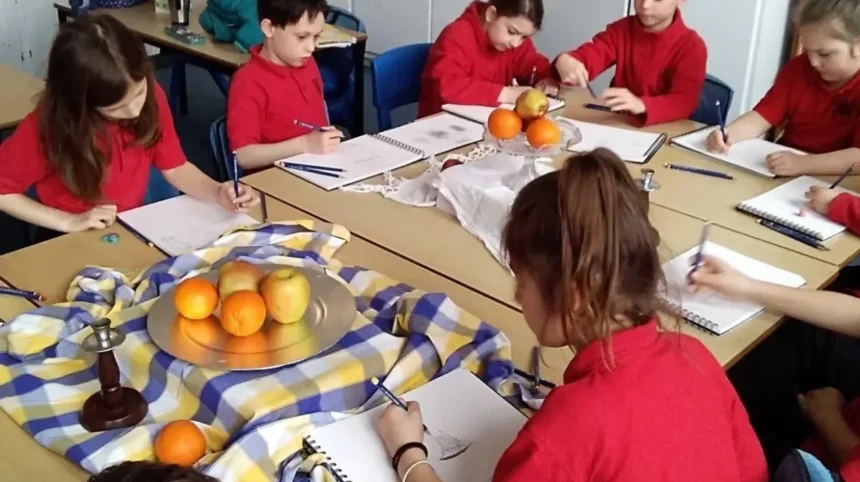
- Still-life drawings, such as fruit, bottles and household objects.
- Nature sketches, such as flowers, leaves and trees.
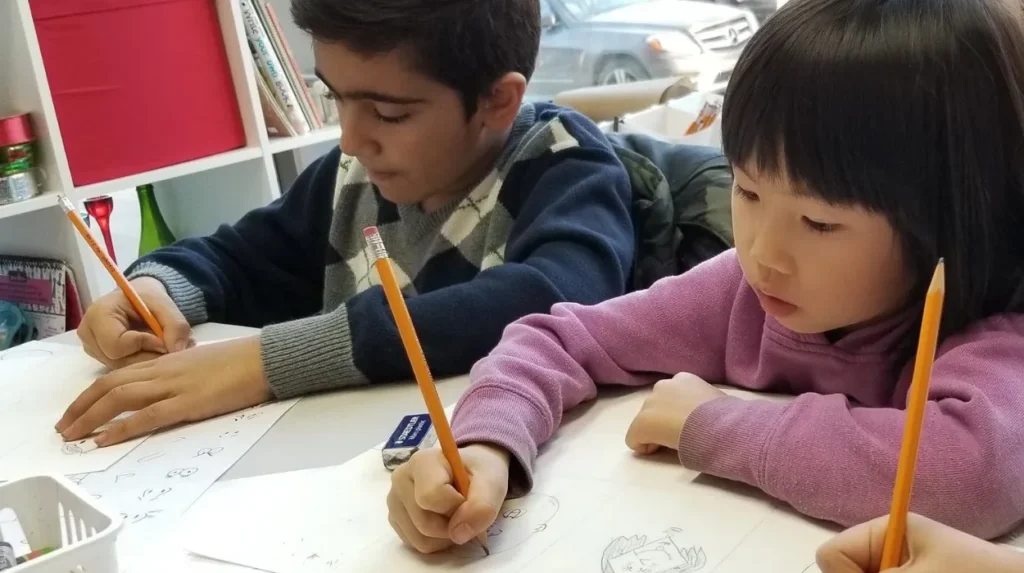
- Character illustrations, such as cartoon figures and fictional animals.
Older children can progress towards observational drawing, portraiture and more advanced pencil techniques.
Painting Classes
Painting classes introduce children to colour, composition and different paint applications.
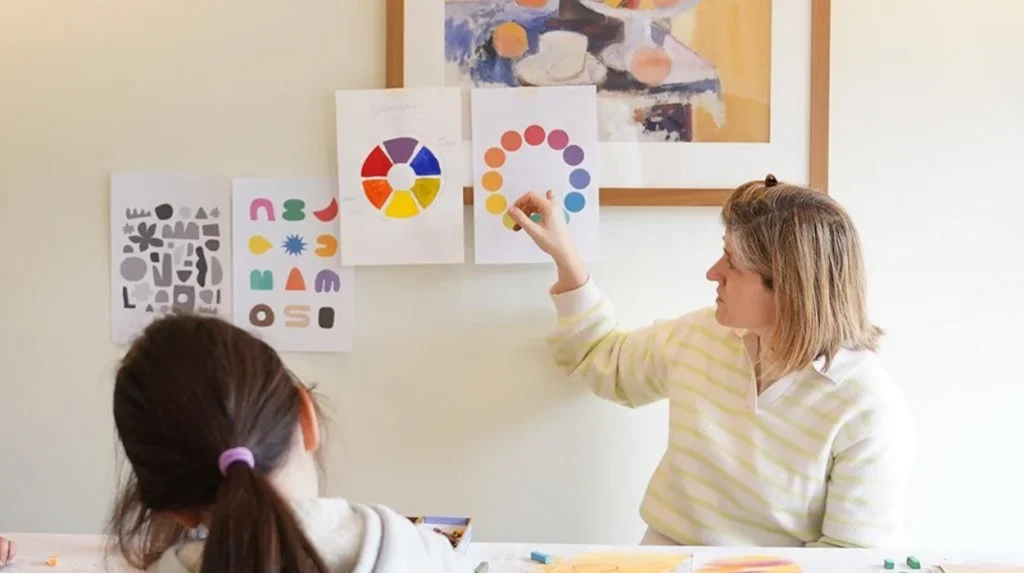
Instructors explain how colours combine and how brushes produce different visual effects.
Common painting materials include watercolours, acrylic paints and poster paints.
Children practise painting landscapes, portraits, abstract compositions and themed artwork. Some programmes also introduce canvas painting and more advanced techniques for older learners.
Pottery and Clay Modelling
Pottery classes teach children how to transform clay into functional or decorative objects.
Beginners often start with hand-building methods, including pinching, rolling and joining pieces of clay.
More advanced workshops introduce ceramic decoration and supervised pottery wheel experiences.
Typical projects include:
- Small ceramic bowls.
- Decorative clay animals.
- Personalised ornaments.
Parents should check whether the studio provides age-appropriate equipment and supervises all activities involving tools and pottery equipment.
Sculpture and Three-Dimensional Art
Sculpture classes introduce children to form, volume, structure and spatial relationships.
Students create three-dimensional objects using materials such as cardboard, paper, clay and recycled materials.
Projects include model buildings, abstract sculptures, miniature figures and animal models.
These activities introduce practical construction skills and encourage children to understand how separate components form a complete structure.
Mixed-Media and Craft Classes
Mixed-media art combines different materials and artistic processes within one composition.
For example, children can combine painting, drawing, paper cutting, fabric and collage to produce a single artwork.
Craft activities introduce practical making techniques through projects such as decorative cards, paper models, masks and handmade ornaments.
These programmes suit children who enjoy exploring different materials rather than concentrating on one artistic discipline.
Digital Art and Animation Classes
Students use tablets, computers and age-appropriate software to produce illustrations, graphic designs and animated projects.
Some programmes also teach stop-motion animation, character development and digital storytelling.
Children can learn how to plan a visual project, organise images and combine creative ideas with basic technology skills.
What Age Groups Can Join Children’s Art Classes in West London?
Children’s art classes in West London serve different developmental stages, from preschool learners to teenagers. Providers organise activities according to age, ability and experience, introducing simple sensory exploration to younger children and more advanced artistic techniques to older students.
Age suitability is one of the most important considerations when selecting an art programme.
A class designed for a four-year-old generally uses different teaching methods and materials from a programme intended for a teenager preparing an art portfolio.
Art Classes for Children Aged 3–5
Early childhood art programmes introduce basic creative exploration.
Activities include finger painting, drawing simple shapes, colouring, paper collage and supervised clay modelling.
Teachers focus on introducing materials and helping children understand basic colours, textures and shapes.
Lessons should use safe, age-appropriate materials and provide suitable supervision.
Art Classes for Children Aged 6–8
Children in this age group begin developing greater control over drawing and painting techniques.
Lessons often introduce:
- Basic pencil shading.
- Colour mixing.
- Simple landscape painting.
- Paper construction.
- Guided creative projects.
Instructors gradually introduce technical vocabulary while allowing children to develop individual ideas.
Art Classes for Children Aged 9–12
Older primary-school children can explore more detailed artistic techniques.
Activities include observational drawing, perspective, illustration, acrylic painting, sculpture and mixed-media compositions.
Students also begin understanding composition, visual balance and artistic interpretation.
Some studios introduce projects inspired by established artists and historical art movements.
Art Classes for Teenagers Aged 13–18
Teenagers often benefit from more specialised artistic instruction.
Programmes can include advanced drawing, portraiture, painting, ceramics, digital illustration and portfolio development.
Students preparing for GCSE Art and Design or A-level Art and Design benefit from structured practice in observational drawing, experimentation, annotation and project development.
Parents should select a course based on the teenager’s existing experience and educational objectives.
Where Can Parents Find Art Classes for Children in West London?
Parents can find children’s art classes throughout West London through independent art schools, specialist studios and community creative organisations. Ealing, Hammersmith, Chiswick, Hounslow and Shepherd’s Bush offer examples of established local providers and creative learning venues.
West London’s independent creative sector includes providers with different teaching approaches and specialisms.
The following organisations provide starting points for parents researching local options. Their programmes, age requirements and availability should be confirmed directly.
art-K South Ealing
This art studio offers structured children’s classes and creative workshops. Its teaching approach includes individualised projects and opportunities to explore different artistic techniques.
The South Ealing location provides an option for families looking for regular term-time art activities and creative workshops.
Parents can enquire about age groups, current projects and available spaces.
Creative Art Campus, Hounslow
Creative Art Campus provides instructor-led visual art education for children and adults. Its programmes focus on practical artistic development and structured learning.
Families in Hounslow can investigate this provider for ongoing art instruction and opportunities to develop drawing and painting skills.
Art With Little Pics, Chiswick
This children’s art education provider combines practical creative activities with introductions to artists, art history and different techniques.
Its Chiswick presence provides an option for families looking for neighbourhood-based creative activities.
art-K Shepherd’s Bush
The studio provides structured art classes and workshops. Children’s projects are designed to accommodate individual interests and support practical skill development.
This location is worth investigating for families living around Shepherd’s Bush and Askew Road.
Paintbox Studios, Hammersmith
Paintbox Studios offers drawing and painting instruction, with exposure to materials such as charcoal, graphite, pastels and canvas paints.
Families seeking structured fine-art instruction can investigate its children’s and teenagers’ programmes.
FRESH Art Club for Children, Ealing
This independent creative education provider offers children’s art activities and holiday workshops.
Its programmes include opportunities to explore different artists, materials and creative techniques.
Kite Studios, Shepherd’s Bush
Kite Studios is a community-focused creative studio offering activities involving drawing, painting, printmaking and ceramics.
How Do Children’s Art Classes Usually Work?
Children’s art classes generally follow a structured learning process involving introduction, demonstration, practical activity and feedback. Instructors explain techniques, provide materials, supervise creative work and help students review completed projects during individual or group sessions.
Although teaching approaches differ, most structured art programmes combine practical instruction with independent experimentation.
A typical lesson introduces a particular artistic concept before children apply it to their own work.
What Happens During a Typical Art Lesson?
A standard session generally includes several stages.
Introduction: The instructor introduces the theme, materials and learning objectives.
Demonstration: Children observe how to use a particular tool or technique, such as pencil shading or watercolour blending.
Practical work: Students complete their individual projects with guidance from the instructor.
Feedback: Teachers discuss progress and identify techniques children can improve.
Review: Students examine completed artwork and discuss the decisions behind their projects.
The duration depends on the children’s ages and the provider’s teaching format.
What Materials Do Art Studios Provide?
Art studios generally provide materials according to the activities included in each course.
Common supplies include pencils, sketchbooks, paintbrushes, paints, paper, clay, glue and craft materials.
Specialist programmes can require additional equipment, including pottery tools, printing materials and digital drawing devices.
Parents should check whether the course fee includes all supplies or requires children to bring specific items.
How Often Should Children Attend Art Classes?
Attendance frequency depends on the child’s interests and learning objectives.
Weekly sessions provide opportunities for regular practice and progressive instruction. Holiday workshops offer shorter periods of concentrated creative activity.
Children developing specific techniques benefit from consistent opportunities to practise between sessions.
However, the most suitable schedule depends on the child’s age, existing commitments and interest in the programme.
How Much Do Children’s Art Classes Cost in West London?
The cost of children’s art classes in West London depends on the provider, session duration, class size, materials and teaching format. Weekly courses, individual tuition, specialist workshops and holiday camps use different pricing structures and payment arrangements.
Parents should compare the complete cost of a programme rather than considering the advertised lesson price alone.
Independent studios establish their own fees, and prices change between terms and holiday periods.
Which Factors Affect Art Class Fees?
Several factors influence the cost of children’s creative education.
Session duration: Longer lessons generally require more teaching time and resources.
Class size: Small-group tuition involves a different teaching structure from larger workshops.
Materials: Specialist equipment, canvas, ceramics and digital resources affect programme expenses.
Instructor expertise: Advanced technical instruction and specialist tuition have different requirements from introductory creative sessions.
Course structure: Single workshops, weekly courses and multi-day holiday programmes use different booking arrangements.
Are There Free or Affordable Art Classes?
Families can investigate community art programmes, school-based activities and publicly funded holiday provision.
The Department for Education’s Holiday Activities and Food programme supports eligible children through local authority arrangements. Participating programmes provide holiday activities and food for children who qualify, including those receiving benefits-related free school meals.
Some local delivery partners incorporate creative workshops into their holiday activities.
Parents can contact their local council to identify participating providers and eligibility requirements.
Other affordable opportunities include school art clubs, community events and occasional museum-based creative activities.
How Can Parents Choose the Best Art Class for Their Child?
Parents should select children’s art classes by comparing age suitability, teaching experience, class size, course content, safety procedures and location. A suitable programme matches the child’s interests while providing structured instruction, appropriate materials and opportunities for progressive artistic development.
The quality of an art programme depends on its educational structure and suitability for individual learners.
A popular studio is not automatically the right choice for every child.
Parents should examine the teaching environment and ask questions before committing to a term-long course.
Should Parents Check the Instructor’s Qualifications?
Yes. Parents should understand the instructor’s background and relevant experience.
An art teacher should demonstrate knowledge of the materials, techniques and age groups covered by the programme.
Useful questions include:
- What art education or professional experience does the instructor have?
- Does the teacher have experience working with children?
- How are beginners supported?
- How does the instructor adapt activities for different abilities?
Experience teaching children is particularly important because artistic knowledge alone does not establish effective teaching practice.
Why Is Class Size Important?
Class size influences how much individual guidance each child receives.
Smaller groups generally provide more opportunities for direct feedback and instructor interaction.
Parents should ask how many children attend each session and how many adults supervise the activity.
The appropriate arrangement depends on the children’s ages, activities and supervision requirements.
What Safety Measures Should Parents Check?
Art classes involve materials and equipment that require appropriate handling.
Parents should check the studio’s procedures for:
- Child supervision and collection.
- Age-appropriate materials.
- Safe storage of paints, adhesives and tools.
- Cleaning and hygiene.
- Emergency arrangements.
- Accessibility and additional learning requirements.
Parents should also ask about safeguarding policies and staff suitability checks.
For children attending independently, confirm the provider’s drop-off and collection procedures before the first session.
Should Children Attend a Trial Class?
A trial session provides an opportunity to understand the teaching environment before purchasing a longer course.
Parents can observe how instructors communicate with children and introduce activities.
Children can also decide whether they enjoy the subject and feel comfortable in the studio.
Trial arrangements differ between providers, so availability and fees should be confirmed directly.
How Do Art Classes Connect Children With West London’s Creative Culture?
Art classes connect children with West London’s cultural environment through local studios, public artwork, museums, galleries and community projects. These experiences introduce young learners to different artistic traditions, visual styles and opportunities for creative participation.
West London has a varied cultural landscape that provides opportunities to explore art outside the classroom.
Children can observe different forms of visual communication through galleries, historic buildings, public sculptures and contemporary creative projects.
How Can Local Museums Support Art Education?
Museums and galleries introduce children to established artists, artistic movements and historical objects.
Visits help children understand how artwork reflects particular periods, societies and cultural traditions.
Parents can investigate family learning activities and educational events at institutions such as the Victoria and Albert Museum and the Design Museum.
These experiences complement practical art classes by introducing examples of professional artistic work.
Can Children Learn From Public Art?
Public art provides opportunities to understand how creativity operates in everyday environments.
Murals, sculptures and community installations demonstrate different approaches to visual expression.
Children can observe how artists use scale, colour, materials and location to communicate ideas.
Local visits also encourage children to notice artistic details in their neighbourhoods.
How Do Art Classes Encourage Cultural Awareness?
Art programmes expose children to different traditions, styles and methods of creative expression.
Teachers can introduce artwork from different countries and historical periods.
For example, a class can compare traditional textile patterns, Japanese printmaking, European landscape painting and contemporary illustration.
These activities help children understand how culture influences visual design and artistic interpretation.
What Are the Future Opportunities for Children Who Study Art?
Children who study art develop foundational skills that support further education and creative interests. Continued learning introduces opportunities in fine art, illustration, graphic design, architecture, animation, fashion, photography and other creative industries.
Art education provides a foundation for children interested in developing practical and creative abilities.
Not every child attending an art class intends to pursue a professional artistic career. However, early exposure introduces techniques and knowledge that support later educational choices.
How Can Art Classes Support GCSE and A-Level Preparation?
Older students can use specialist art classes to develop techniques relevant to formal art education.
GCSE and A-level Art and Design involve practical investigation, experimentation, research, development and evaluation.
Students build an understanding of materials, visual communication and artistic processes.
Independent tuition can provide additional opportunities to practise drawing, painting and portfolio development.
Parents should ensure that a specialist course complements the student’s school curriculum rather than duplicating it without a clear learning purpose.
Which Careers Use Artistic Skills?
Art education introduces knowledge relevant to several creative professions.
Examples include:
- Illustration: Creating visual artwork for books, publications and digital media.
- Graphic design: Developing visual communication for brands and organisations.
- Animation: Producing moving images and digital characters.
- Architecture: Designing buildings, spaces and structures.
- Fashion design: Developing clothing concepts, patterns and visual collections.
- Fine art: Creating original artwork using different materials and techniques.
These professions require further education, specialist training and professional experience.
Why Will Creative Skills Remain Relevant?
Visual communication and digital production continue to influence education, business, entertainment and technology.
Children familiar with drawing, composition, design and creative problem-solving gain early exposure to skills used across these fields.
The Arts Council England’s guidance on art, craft and design education highlights personal expression, visual literacy, cultural understanding and practical development as important educational outcomes. artscouncil.org.uk
Art education therefore remains relevant to both traditional artistic practice and contemporary creative industries.
Explore More Area Guide
Music Schools in West London: Lessons, Courses and Training
Acting Classes in West London: Best Drama Schools and Training
How Can Parents Prepare Children for Their First Art Class?
Parents can prepare children for their first art class by checking the lesson requirements, arranging suitable clothing, understanding travel and collection procedures, and discussing the planned activities. Preparation helps children enter the studio comfortably and participate in practical learning.
A little preparation makes the first session easier for children and parents.
Before attending, families should confirm the following details with the provider.
What Should Children Bring?
Most studios supply basic materials, but individual requirements differ.
Children might need a water bottle, sketchbook, apron or suitable clothing.
For outdoor or messy activities, washable clothing is useful.
Parents should avoid sending valuable personal items unless the studio specifically requests them.
How Can Parents Support Learning at Home?
Parents can support artistic development by providing opportunities for creative practice outside formal lessons.
Simple activities include drawing everyday objects, painting landscapes, making paper models and creating handmade cards.
Children should have access to suitable materials and enough time to experiment.
Discussing completed artwork also helps children explain their ideas and artistic decisions.
How Should Parents Monitor Progress?
Progress should include more than the number of completed pictures.
Parents can look for improvements in:
- Control of drawing and painting tools.
- Understanding of colours and composition.
- Ability to use different materials.
- Confidence in explaining creative ideas.
- Independent project development.
Teachers can provide feedback through completed work, informal discussions and occasional exhibitions.
Finding Suitable Art Classes for Children in West London
Art classes for children in West London provide structured opportunities to explore creativity, develop practical skills and learn about different artistic traditions. Families can choose from drawing, painting, pottery, sculpture, mixed-media and digital art programmes across neighbourhoods such as Ealing, Hammersmith, Chiswick, Hounslow and Shepherd’s Bush.
Local providers offer different teaching approaches, age groups and specialist activities. Parents should compare course content, instructor experience, class size, safeguarding arrangements, materials and accessibility before selecting a programme.
Regular participation introduces children to artistic techniques while encouraging observation, experimentation and independent thinking. Combining studio lessons with museum visits, creative projects and everyday artistic activities creates a broader learning experience.
Choosing an age-appropriate programme that matches a child’s interests provides a practical starting point for long-term creative development.
What are the best art classes for children in West London?
West London offers several options, including art-K South Ealing, Creative Art Campus in Hounslow, Art With Little Pics in Chiswick, Paintbox Studios in Hammersmith and Kite Studios in Shepherd’s Bush. Parents should compare courses and age requirements.