West London has a diverse artistic community shaped by historic painters, contemporary visual artists, independent studios, textile designers and sculptors. Areas such as Kensington, Chelsea, uk/local/hammersmith-and-fulham/hammersmith/">Hammersmith, hounslow/chiswick/">Chiswick, Ealing, Brentford and Richmond have established connections with British art and creative production. The region combines historic artistic landmarks with working studios where emerging and established artists produce original work.
- What makes West London an important destination for discovering local artists?
- Which contemporary artists should you discover in West London?
- Which famous historical artists have strong connections with West London?
- William Morris – Hammersmith
- J.M.W. Turner – Twickenham and Richmond
- Frederic, Lord Leighton – Kensington
- George Frederic Watts – Holland Park
- Where can you meet local artists in West London?
- Artists at Home
- Chiswick House & Gardens Artists’ Studios
- Borough of Ealing Art Trail
- Creative Mile Brentford
- Which West London neighbourhoods have distinctive local art communities?
- What types of artwork can you discover from West London artists?
- Contemporary paintings and portraits
- Sculpture and ceramics
- Textile art and decorative design
- Photography and digital artwork
- Printmaking and illustration
- How can visitors find and support independent artists in West London?
- Visit open studios
- Purchase original artwork
- Commission personalised artwork
- Attend creative workshops
- Share artists’ work
- Why are local artists important to West London’s cultural identity?
- Preserving artistic heritage
- Supporting local economic activity
- Encouraging community participation
- Supporting cultural tourism
- How can West London’s independent art scene develop in the future?
- Affordable creative workspaces
- Digital visibility for independent artists
- Stronger community partnerships
- Continued interest in traditional craftsmanship
- Discover the Creative Side of West London
Discovering local artists in West London provides an opportunity to explore the area’s cultural identity beyond its traditional museums and galleries. Visitors can find contemporary paintings, handmade ceramics, experimental textiles, photography, illustrations and sculptures through independent exhibitions, open-studio events and community art projects.
The West London art scene also has an important historical foundation. Victorian artists established residential studios in Kensington, William Morris developed his design practice in Hammersmith, and J.M.W. Turner used Twickenham as a retreat for landscape painting. Their contributions helped establish the region as an important part of London’s artistic history.
Today, organisations such as Artists at Home, Chiswick House & Gardens’ Artists’ Studios, the Borough of Ealing Art Trail and Creative Mile Brentford provide opportunities to discover artists working across different disciplines.
What makes West London an important destination for discovering local artists?
West London is an important artistic destination because it combines historic artists’ homes, independent creative studios, community exhibitions and contemporary galleries. Neighbourhoods including Kensington, Hammersmith, Chiswick, Ealing and Brentford support established and emerging artists.
The region’s artistic identity developed through a combination of residential communities, cultural institutions, educational organisations and access to the River Thames. These geographical and cultural connections attracted painters, designers, architects and craftspeople over several centuries.
Kensington and Chelsea became particularly important during the nineteenth century. Artists established purpose-built studio houses around Holland Park, creating an artistic community that included prominent members of the Royal Academy.
Hammersmith developed a separate creative identity through William Morris and the Arts and Crafts movement. Morris combined artistic design with manufacturing, publishing and social reform. His work influenced architecture, textiles, wallpaper, furniture and book production.
Further west, Chiswick and Ealing developed active communities of independent artists. These areas support painters, photographers, ceramicists, illustrators and textile designers through local exhibitions and affordable working spaces.
West London’s contemporary art environment includes several important characteristics:
- Traditional visual art: Oil paintings, watercolours, portraits and landscape paintings.
- Contemporary art: Abstract paintings, photography, installations and experimental visual work.
- Applied arts: Textiles, ceramics, printmaking and decorative design.
- Public art: Murals, sculptures and community-based creative installations.
These disciplines connect historical artistic traditions with contemporary creative practices. They also provide visitors with different ways to discover local artists and understand the cultural character of individual neighbourhoods.
Which contemporary artists should you discover in West London?
West London has contemporary artists working in painting, sculpture, photography, textiles and illustration. Helga Stentzel, Gillian Brett, Jaixia Blue and Eve Pettitt represent different creative approaches, with established connections to local studios and exhibitions.
The region’s contemporary artists work independently and through community-based creative organisations. Their practices reflect different interests, backgrounds and artistic techniques.
Helga Stentzel
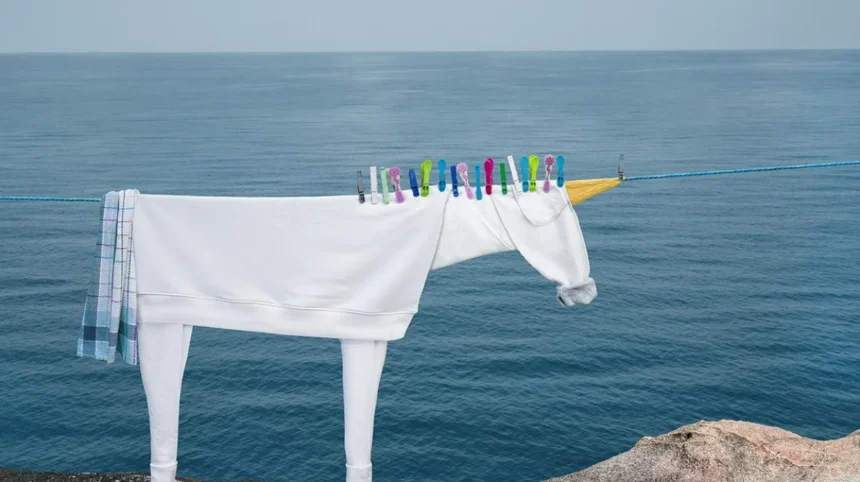
Helga Stentzel is a London-based multidisciplinary artist known for her household surrealism. Her work transforms familiar domestic objects into imaginative characters and visual compositions.
Her artistic practice includes photography, illustration, video and installation. One of her recognised creative projects is the Clothesline Animals series, which uses everyday clothing arrangements to create animal-like figures.
Stentzel studied fashion design at Central Saint Martins before developing her independent artistic career. She became a full-time artist in 2017.
Her work demonstrates how contemporary artists use ordinary surroundings as source material for creative expression. Visitors interested in photography, conceptual art and playful visual compositions can explore her portfolio through her official website. Helga Stentzel Studio+1
Gillian Brett
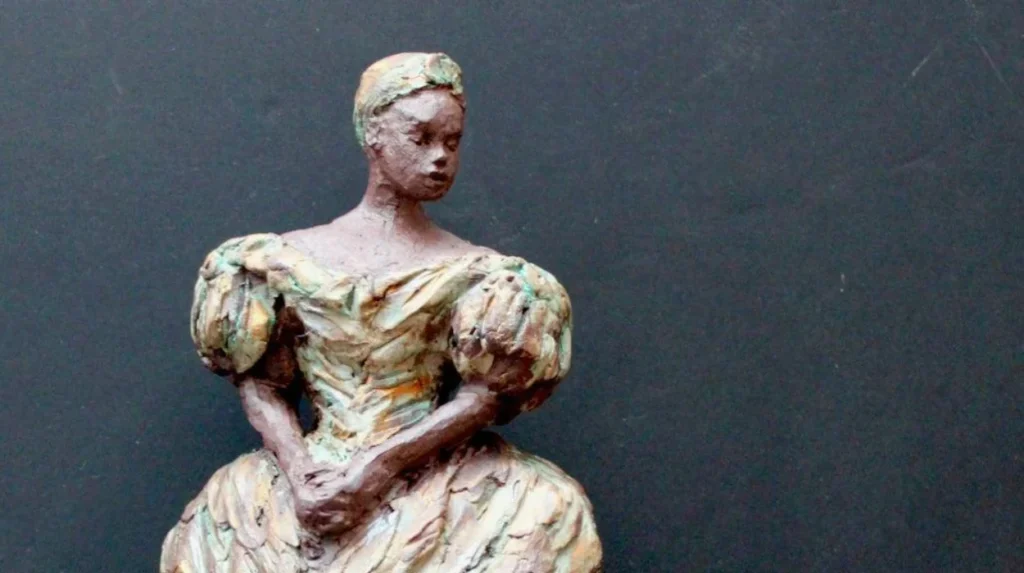
Gillian Brett is a Chiswick-based sculptor whose work focuses on human figures and expressive representations of everyday life.
She works with ceramic, porcelain, bronze and resin. Her experimental approach also incorporates materials such as fabric, paper and recycled domestic objects.
Brett studied at Brighton Art College and subsequently trained in traditional sculptural techniques at the Art Academy London. Her work has appeared in several recognised exhibitions, including the Royal Academy Summer Exhibition in 2017.
She was also selected for the ING Discerning Eye exhibition in 2022 and received the sculpture prize at Wales Contemporary in 2023.
Her studio is associated with Pavilion Studios at Dukes Meadows, Chiswick. She also participates in the Artists at Home open-studio programme, giving visitors an opportunity to discover her work directly.
Jaixia Blue
Jaixia Blue is a multidisciplinary artist and founder of Peace of Heritage. Her work explores the relationships between home, identity, cultural heritage and ecology.
Her creative practice incorporates textile art, natural printing and hand-dyed materials. She draws inspiration from her mixed British and Caribbean heritage and uses natural elements to develop contemporary textile compositions.
Blue has exhibited at cultural venues including Pitzhanger Gallery, NOW Gallery, Chiswick House and Gardens, and Gunnersbury Park Museum.
Her work demonstrates the relationship between traditional textile techniques and contemporary artistic expression. Visitors interested in material-based art, heritage and sustainable creative practices can explore her work through Chiswick House & Gardens’ artist profiles and exhibition programmes.
Eve Pettitt
Eve Pettitt is a London-based painter associated with West London’s Artists at Home community.
Her work explores colour, form, landscapes, still-life compositions and portraiture. She uses oil painting to create expressive images with strong colour relationships.
Pettitt has exhibited through organisations including the Chelsea Art Society, New English Art Club and Society of Women Artists. Her exhibition history also includes the Mall Galleries and Chiswick-related art events.
Her involvement in Artists at Home provides a direct connection with West London’s independent art community. The open-studio format enables visitors to explore an artist’s working environment and learn about the creative process behind individual paintings.
Neerja Sehgal
Neerja Sehgal is an Ealing-based artist whose practice explores the relationship between patterns, images and traditional Indian woodblock printing.
Her work incorporates layered visual elements and repeated patterns. Indian woodblock techniques provide an important foundation for her creative approach.
Sehgal’s inclusion in the Chiswick House & Gardens artist community demonstrates the geographical reach of West London’s creative network. Her work connects cultural traditions with contemporary visual art.
Visitors interested in printmaking, decorative patterns and culturally influenced design can use local artist directories and exhibitions to discover her work. Chiswick House & Gardens
Kimberley Burrows
Kimberley Burrows is an artist associated with the Chiswick House & Gardens studio community.
Her practice combines painting, printmaking and poetry. Her artistic development has also been influenced by sight loss, which has shaped how she approaches visual expression and sensory experience.
Burrows explores the boundaries of conventional painting through experimentation with different creative methods. Her work represents the diversity of contemporary artists working in West London.
Her profile is available through Chiswick House & Gardens, which provides information about its resident artists and opportunities to engage with their creative activities.
These artists represent different areas of West London’s contemporary creative community. Their practices demonstrate that local artistic activity extends beyond conventional painting into sculpture, textiles, photography, printmaking and multidisciplinary work.
Which famous historical artists have strong connections with West London?
West London’s artistic heritage includes William Morris, J.M.W. Turner, Frederic Leighton and George Frederic Watts. Their connections with Hammersmith, Twickenham and Kensington helped establish the region as an influential centre for British painting, decorative arts and architectural design.
The area’s historic artistic reputation developed through individual artists who lived, worked and established creative communities in West London.
William Morris – Hammersmith
William Morris (1834–1896) was a British designer, writer, poet and social reformer. He became one of the most influential figures in the Arts and Crafts movement.
Morris lived at Kelmscott House in Hammersmith from 1878 until his death in 1896. The property became an important part of his personal and professional life.
His creative output included wallpaper, textiles, furniture, stained glass, book design and decorative patterns. He promoted traditional craftsmanship and challenged industrial manufacturing methods that prioritised mass production over skilled workmanship.
The William Morris Society operates a museum at Kelmscott House. Visitors can explore original designs, personal artefacts and historical material connected with his work.
The museum occupies the historic coach house and lower rooms of the property. It provides an opportunity to understand Morris’s contribution to British design and the development of decorative arts.
J.M.W. Turner – Twickenham and Richmond
Joseph Mallord William Turner (1775–1851) was an influential British landscape painter and watercolourist. His work explored light, atmosphere, weather and the relationship between landscapes and human activity.
Turner designed and built Sandycombe Lodge in Twickenham as a private country retreat. He lived there between 1813 and 1826 with his father.
The property provided access to the River Thames and surrounding landscapes. Turner used the area as a base for sketching, fishing and studying the natural environment.
One important painting associated with the wider area is England: Richmond Hill on the Prince Regent’s Birthday, completed in 1819. The painting records the landscape and social environment around Richmond.
Sandycombe Lodge survives as an important historical landmark. Turner’s House Trust preserves the building and interprets its connection with the artist’s life and work.
Visitors can explore the property to understand how Turner’s relationship with the Thames influenced his artistic development.
Frederic, Lord Leighton – Kensington
Frederic, Lord Leighton (1830–1896) was a Victorian painter, sculptor and prominent cultural figure.
He established his home and studio at 12 Holland Park Road in Kensington. Construction began during the 1860s, and Leighton continuously developed the property throughout his life.
Leighton House combined domestic accommodation, working space and exhibition areas. Its design reflected the artist’s interest in architecture, sculpture and decorative interiors.
The building became a meeting place for artists and cultural figures. Its position near Holland Park contributed to the development of a wider artistic neighbourhood.
Today, Leighton House operates as a museum managed by the Royal Borough of Kensington and Chelsea. Visitors can explore the artist’s former studio, the Arab Hall and collections connected with Victorian art.
The property provides an important example of how nineteenth-century artists designed their homes around their professional practices.
George Frederic Watts – Holland Park
George Frederic Watts (1817–1904) was a British painter and sculptor associated with Victorian symbolism.
Watts became an important figure in the artistic community around Holland Park. His residence and studio at Melbury Road formed part of the wider group of artists’ houses that developed during the nineteenth century.
His artistic practice included portraits, historical subjects and symbolic compositions. He explored themes involving morality, human experience and social responsibility.
Watts’s presence contributed to the development of the Holland Park Circle, a community of artists who lived and worked around Kensington.
This artistic heritage remains visible through the surviving historic buildings and the museums that interpret their former occupants.
Where can you meet local artists in West London?
Visitors can meet West London artists through open-studio programmes, community exhibitions, independent galleries and creative workshops. Artists at Home, Chiswick House studios, the Borough of Ealing Art Trail and Creative Mile Brentford provide established discovery opportunities.
Meeting artists directly provides a different experience from viewing finished artwork in a traditional exhibition. Visitors can ask questions about techniques, materials, artistic influences and the development of individual projects.
Several West London organisations provide opportunities to interact with artists.
Artists at Home
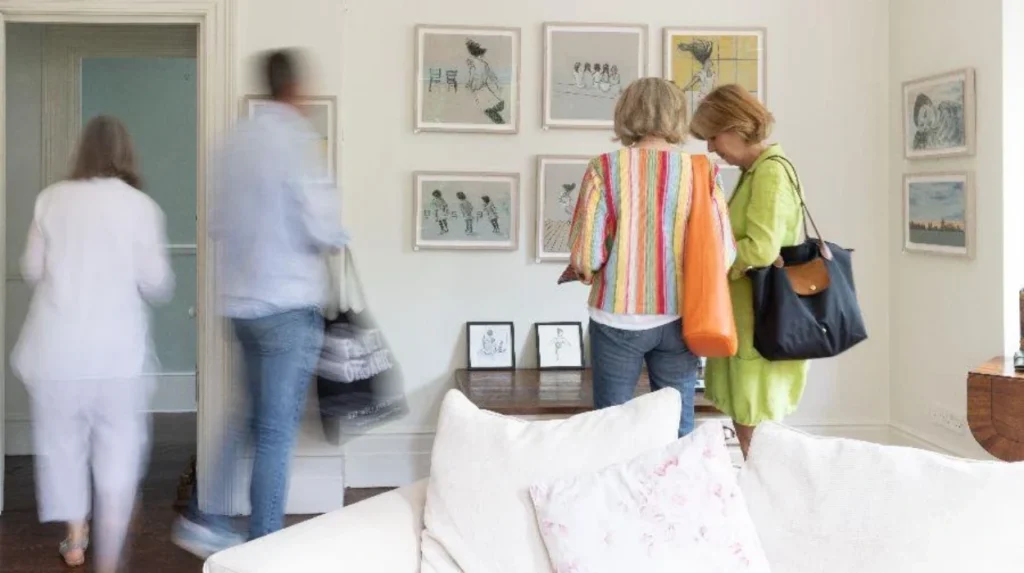
Artists at Home is an established open-studio initiative involving artists and craftspeople in Chiswick, Hammersmith and Shepherd’s Bush.
The programme takes place over three days in June. Participating artists open their homes and studios, allowing visitors to explore original artwork and meet the people producing it.
The event includes different creative disciplines, including painting, photography, sculpture, ceramics and decorative arts.
Artists at Home also maintains an online directory where visitors can browse participating artists, view their work and make direct enquiries.
Its next advertised event is scheduled for 18–20 June 2027. The published schedule includes a Friday evening session and daytime opening on Saturday and Sunday.
The initiative is particularly useful for visitors interested in buying original artwork directly from its creators.
Chiswick House & Gardens Artists’ Studios
Chiswick House & Gardens established 19 new artist studios in summer 2025 as part of its wider creative campus.
The project transformed historic outbuildings, including former sheds and stables, into working spaces for local artists.
The studios support different creative disciplines, including painting, sculpture, mural art, jewellery and industrial design.
The resident artist community includes Gillian Brett, Jaixia Blue, Kimberley Burrows and other practitioners.
The organisation arranges artist open days and creative workshops. These activities help visitors understand artistic techniques and engage with the people working in the studios.
The project also demonstrates how historic buildings can support contemporary cultural activity. Rather than serving only as heritage attractions, the grounds provide working environments for modern creative businesses and independent artists.
Borough of Ealing Art Trail
The Borough of Ealing Art Trail, commonly known as BEAT, connects local artists, studios and exhibition venues across the borough.
The event gives artists an opportunity to display their work and provides residents and visitors with access to independent creative spaces.
Its programme includes painting, photography, sculpture, printmaking and craft-based work.
Stewkley House in Perivale is one of the creative locations associated with the Ealing art community. The building has provided studio and workspace facilities for artists since 2008.
It occupies a converted industrial building measuring approximately 23,000 square feet and accommodates more than 30 artists, makers and creative businesses.
Stewkley House also participates in open-studio activities associated with BEAT. Its annual September programme offers visitors opportunities to explore working studios and discover original artwork.
The building demonstrates the importance of affordable creative infrastructure in supporting West London’s independent artists.
Creative Mile Brentford
Creative Mile Brentford connects artists, creative businesses, museums, workshops and historic buildings across Brentford.
The initiative promotes the area’s creative identity through an art trail involving different cultural and commercial locations.
Its network includes artist studios, printing facilities, galleries and heritage sites. Named locations include Golden Mile Studios, Printmakers Yard, Great West Gallery, Watermans Park and the Musical Museum.
Creative Mile provides a way to explore Brentford’s creative community while discovering the relationship between its industrial history and contemporary artistic activity.
Visitors interested in independent artists and creative workshops can use its venue directory to identify participating spaces and plan their visits.
Which West London neighbourhoods have distinctive local art communities?
Kensington, Chelsea, Hammersmith, Chiswick, Ealing and Brentford each have distinctive artistic communities. Their creative identities reflect historic studios, independent artists, cultural organisations, local exhibitions and different traditions of painting, design and craftsmanship.
West London does not have a single concentrated art district. Its creative activity is distributed across residential neighbourhoods, historic properties, converted industrial buildings and community spaces.
Kensington and Holland Park
Kensington has one of West London’s strongest historical connections with professional artists.
The Holland Park Circle developed during the nineteenth century around prominent artists who established purpose-built homes and studios.
Frederic Leighton, George Frederic Watts and Valentine Cameron Prinsep were among the figures associated with this artistic community.
Leighton House remains one of the most significant places to explore this history. Its collections and architecture demonstrate how Victorian artists integrated their professional and personal lives.
Chelsea
Chelsea has a long association with British artists, designers and creative movements.
The area attracted artists including James McNeill Whistler and John Singer Sargent. Its artistic development also connected with wider cultural changes during the nineteenth and twentieth centuries.
Chelsea’s contemporary creative environment includes galleries, art schools and independent exhibition spaces.
The presence of Chelsea College of Arts also contributes to the area’s educational and artistic identity.
Visitors can explore exhibitions and nearby cultural institutions to discover emerging artists and contemporary approaches to visual art.
Hammersmith
Hammersmith has an important connection with William Morris and the Arts and Crafts movement.
Kelmscott House remains a major historical attraction for visitors interested in decorative design, traditional manufacturing and British artistic history.
The neighbourhood also supports contemporary artists through organisations such as Artists at Home and independent exhibition spaces.
Apothecary Gallery, based in Hammersmith, provides exhibition opportunities for local artists, designers and craftspeople. Its programme has included individual artists and group exhibitions.
This combination of historic design heritage and contemporary exhibition activity gives Hammersmith a distinctive creative identity.
Chiswick
Chiswick has an active community of independent artists and craftspeople.
Its creative identity includes traditional painting, contemporary sculpture, textiles, photography and decorative design.
Artists at Home connects local practitioners with visitors through open studios. Chiswick House & Gardens provides additional working and exhibition opportunities through its dedicated artist studios.
The neighbourhood’s creative environment makes it an important location for discovering artists who work independently rather than exclusively through commercial galleries.
Ealing and Perivale
Ealing has a broad network of independent artists and creative organisations.
The Borough of Ealing Art Trail provides opportunities to explore local artwork across different venues. Perivale’s Stewkley House adds a dedicated working environment for painters, photographers, sculptors and makers.
These facilities demonstrate how converted commercial and industrial buildings contribute to the development of local creative communities.
Brentford
Brentford’s artistic environment connects creative businesses with its industrial and riverside heritage.
Creative Mile brings together studios, galleries, workshops and cultural attractions.
The area’s creative venues provide opportunities to discover independent makers, printmakers and artists working across different disciplines.
Its artistic identity also demonstrates how community-led cultural projects contribute to the regeneration and public use of historic urban spaces.
What types of artwork can you discover from West London artists?
West London artists produce paintings, sculptures, textiles, photography, illustrations and decorative objects. These creative disciplines combine traditional techniques with contemporary approaches, providing visitors with opportunities to explore different materials, artistic subjects and methods of visual expression.
The variety of artwork available reflects the region’s diverse artistic population. Independent artists often combine several disciplines within their practices.
Contemporary paintings and portraits
Painting remains an important part of West London’s artistic community.
Local painters work with oil, acrylic, watercolour and mixed-media techniques. Their subjects include portraits, landscapes, architecture, still-life compositions and abstract forms.
Artists such as Eve Pettitt explore colour, landscapes and portraiture through oil painting. Other contemporary painters use abstraction and experimental techniques to develop original visual compositions.
Visitors can discover paintings through open studios, independent galleries and local exhibitions. Buying directly from an artist also provides an opportunity to discuss the inspiration, materials and production methods behind a particular piece.
Sculpture and ceramics
Sculpture involves creating three-dimensional artwork using materials such as clay, bronze, stone, wood and resin.
Gillian Brett’s practice demonstrates how traditional figurative sculpture techniques remain relevant to contemporary artists.
Ceramic artists also create decorative objects, functional pottery and experimental forms. Their work combines material knowledge with artistic design.
Visitors can explore sculptural artwork through Chiswick House & Gardens’ artist studios and independent creative exhibitions.
Textile art and decorative design
Textile art connects traditional craft techniques with contemporary visual expression.
Artists use materials such as cotton, linen, silk and wool to produce decorative and conceptual work. Techniques include weaving, embroidery, natural dyeing and fabric printing.
Jaixia Blue’s textile practice explores cultural heritage and ecology through natural printing and hand-dyed materials.
William Morris established an important historical foundation for decorative textile design in Hammersmith. His approach to patterns, materials and craftsmanship continues to influence the understanding of British decorative arts.
Photography and digital artwork
Photography and digital artwork provide additional opportunities to discover contemporary West London creatives.
Artists use photography to explore architecture, everyday objects, landscapes, people and social environments.
Helga Stentzel’s work demonstrates how photography can combine ordinary household objects with imaginative visual compositions.
Other artists experiment with digital illustration, image manipulation, video and installation. These techniques expand the possibilities of contemporary visual storytelling.
Printmaking and illustration
Printmaking involves transferring an image from a prepared surface onto another material, commonly paper or fabric.
Common techniques include screen printing, linocut, woodblock printing and etching.
Neerja Sehgal’s work demonstrates the connection between traditional Indian woodblock techniques and contemporary pattern-based artwork.
Illustrators also contribute to West London’s creative community through independent publications, commissioned artwork and limited-edition prints.
These disciplines allow artists to produce original work in different formats and price ranges.
How can visitors find and support independent artists in West London?
Visitors can support West London artists by attending open studios, purchasing original artwork, commissioning creative projects and participating in workshops. Local art trails and independent galleries also provide opportunities to discover emerging practitioners and established creative professionals.
Supporting independent artists contributes to the sustainability of local creative communities. It also helps maintain opportunities for artistic experimentation and cultural participation.
Visit open studios
Open studios allow visitors to enter artists’ working environments and view artwork where it is produced.
Artists at Home and Chiswick House & Gardens provide opportunities to explore studios and engage directly with creative professionals.
Visitors can ask about materials, techniques, commissions and exhibition schedules. These conversations also help establish relationships between artists and potential buyers.
Purchase original artwork
Buying original artwork provides direct financial support to independent practitioners.
Purchases can include original paintings, signed prints, handmade ceramics, textile pieces and sculptures.
Many independent artists also offer smaller works and limited-edition collections. These provide alternatives to purchasing large or expensive pieces.
Before purchasing, visitors should check whether the artwork is an original piece, a limited edition or a reproduction. They should also confirm the dimensions, materials and delivery arrangements.
Commission personalised artwork
Art commissions allow customers to request work based on specific requirements.
Artists working in portraiture, sculpture, illustration and decorative design often accept commissioned projects.
A commission generally begins with a discussion about the subject, dimensions, materials, intended use and budget. The artist then agrees on a design direction, estimated production time and payment arrangements.
Written confirmation of the agreed scope and price helps both parties understand the project.
Attend creative workshops
Creative workshops provide practical opportunities to learn artistic techniques.
Chiswick House & Gardens’ community programme includes workshops and opportunities to engage with resident artists.
Activities can introduce participants to drawing, painting, textiles, sculpture and other creative disciplines.
Workshops also provide opportunities for visitors to understand the time, training and practical skills involved in producing professional artwork.
Share artists’ work
Visitors can support independent artists by sharing exhibition announcements, portfolio links and studio information.
Social media provides an additional route for artists to reach potential customers and exhibition organisers.
Recommending local artists also strengthens the visibility of neighbourhood-based creative businesses.
Why are local artists important to West London’s cultural identity?
Local artists contribute to West London’s cultural identity through creative production, heritage preservation, community participation and independent businesses. Their work supports cultural tourism, maintains traditional craftsmanship and introduces new artistic ideas across neighbourhoods.
Artists contribute to local communities in ways that extend beyond producing artwork.
Preserving artistic heritage
West London’s historic buildings and artistic collections provide important links with British cultural history.
Kelmscott House preserves the legacy of William Morris, while Leighton House interprets the life and work of Frederic Leighton.
Turner’s connection with Sandycombe Lodge demonstrates the importance of the Thames landscape in British painting.
These locations help preserve historical knowledge and introduce visitors to the artists who shaped different creative movements.
Supporting local economic activity
Independent artists contribute to the local economy through sales, commissions, workshops and exhibitions.
Creative studios also support associated services, including framing, printing, materials supply, photography and exhibition management.
Converted industrial properties such as Stewkley House provide working environments for artists and other creative professionals.
These spaces help maintain employment opportunities and encourage creative businesses to operate within local neighbourhoods.
Encouraging community participation
Community exhibitions and open-studio events make art more accessible to residents and visitors.
Programmes such as Artists at Home and BEAT connect creative practitioners with people who do not regularly visit traditional art institutions.
This approach encourages participation across different age groups and backgrounds.
It also helps emerging artists develop professional networks and introduce their work to new audiences.
Supporting cultural tourism
Art-related attractions provide additional reasons to explore West London.
Visitors can combine historic artists’ homes, independent studios and local exhibitions with neighbourhood walks, parks and riverside attractions.
Kensington, Hammersmith, Chiswick and Brentford each provide different cultural experiences.
This distribution of creative venues encourages visitors to explore areas beyond central London’s most recognised museums and galleries.
Explore More Area Guide
Creative Markets in West London: Best Craft and Artisan Markets
West London Makerspaces: Creative Workshops and Innovation Hubs
How can West London’s independent art scene develop in the future?
West London’s independent art scene can develop through accessible studios, community exhibitions, creative education and partnerships between artists and cultural organisations. Affordable workspaces and public engagement remain important foundations for supporting emerging talent and preserving local creative activity.
The future of West London’s artistic community depends on maintaining opportunities for artists to work, exhibit and develop their practices.
Affordable creative workspaces
Studio affordability is an important issue for independent artists in London.
Working spaces provide room for painting, sculpture, photography, printmaking and material storage.
Projects such as Chiswick House & Gardens’ 19 artist studios demonstrate how underused historic buildings can support contemporary creative activity.
Stewkley House provides another example of converted industrial property being used for creative workspaces.
Continued investment in these facilities helps maintain a local environment where independent artists can develop sustainable practices.
Digital visibility for independent artists
Online portfolios and social media have changed how artists promote their work.
Artists can display collections, communicate with potential buyers and announce exhibitions without relying entirely on traditional galleries.
Online artist directories, including Artists at Home, make it easier for visitors to identify local creative professionals.
Digital visibility also helps West London artists reach customers outside their immediate neighbourhoods.
Stronger community partnerships
Partnerships between cultural organisations, educational institutions and independent artists provide opportunities for collaboration.
Art workshops, exhibitions and community projects introduce creative activities to wider audiences.
Historic venues can also collaborate with contemporary artists to connect heritage interpretation with modern artistic practices.
These relationships support cultural participation while helping local artists access exhibition and professional development opportunities.
Continued interest in traditional craftsmanship
Traditional creative techniques remain relevant to contemporary artistic production.
Woodblock printing, weaving, ceramics, bronze casting and decorative design provide important connections with earlier artistic traditions.
Artists such as Jaixia Blue and practitioners working with ceramic and textile materials demonstrate how established techniques continue to develop through contemporary creative practices.
Maintaining opportunities to learn these skills supports the future of West London’s craft and design community.
Discover the Creative Side of West London
West London offers a wide range of opportunities to discover local artists and explore the area’s artistic heritage. Its creative community includes contemporary painters, sculptors, textile designers, photographers and independent craftspeople.
Artists such as Helga Stentzel, Gillian Brett, Jaixia Blue and Eve Pettitt demonstrate the diversity of contemporary artistic practice across the region. Historic figures including William Morris, J.M.W. Turner, Frederic Leighton and George Frederic Watts provide an important cultural foundation.
Visitors can explore this creative environment through Artists at Home, Chiswick House & Gardens, the Borough of Ealing Art Trail, Creative Mile Brentford and historic artists’ residences.
West London’s artistic identity continues to develop through independent studios, cultural organisations and community exhibitions. Exploring these creative spaces provides a valuable way to understand the region’s history, support local talent and discover original artwork.
Who are some famous local artists in West London?
West London has several established and emerging artists, including Helga Stentzel, Gillian Brett, Jaixia Blue, Eve Pettitt and Neerja Sehgal. Historical figures include William Morris, J.M.W. Turner and Frederic Leighton.