West London has a diverse creative market scene that brings together independent artists, craftspeople, vintage traders, designers, food producers and small businesses. These markets provide opportunities to discover handmade products, explore local creativity and support independent traders.
- What Are Creative Markets in West London?
- Which Creative Markets Are Worth Visiting in West London?
- Portobello Road Market, Notting Hill
- Portobello Yard, Notting Hill
- Your Acton Maker’s Market, Acton
- Chiswick Flower Market, Chiswick
- Chiswick Cheese Market, Chiswick
- Duck Pond Market, Chiswick House and Gardens
- Merton Abbey Mills, Merton
- Barnes Collectors Market, Barnes
- What Types of Creative Markets Can Visitors Explore in West London?
- Handmade Craft Markets
- Vintage and Antique Markets
- Artisan Food Markets
- Flower and Gardening Markets
- Independent Designer Markets
- How Have Creative Markets Developed Across West London?
- The Historical Development of Portobello Market
- Merton Abbey Mills and Industrial Craft Heritage
- The Growth of Contemporary Makers’ Markets
- How Do Creative Markets Support Independent Businesses in West London?
- Affordable Opportunities for Emerging Businesses
- Direct Relationships Between Makers and Customers
- Supporting Neighbourhood High Streets
- Promoting Sustainable Shopping
- How Can Visitors Find the Best Creative Markets in West London?
- How Are Creative Markets Different from Traditional Shopping Centres?
- What Is the Future of Creative Markets in West London?
From the internationally recognised Portobello Road Market in Notting Hill to community-led makers’ events in uk/local/ealing/acton/">Acton and artisan markets in hounslow/chiswick/">Chiswick, West London offers different shopping experiences throughout the year. Visitors find original artwork, handmade jewellery, ceramics, vintage clothing, home decorations, speciality food and locally produced gifts.
Creative markets also contribute to neighbourhood economies by providing affordable selling spaces for small businesses and emerging designers. They connect residents, visitors and independent traders through shopping, cultural activities and community events.
This guide explores the best creative markets in West London, their locations, specialities, historical backgrounds and shopping experiences. It also explains how visitors can plan market trips and discover independent makers across the region.
What Are Creative Markets in West London?
Creative markets in West London are organised shopping events where independent makers, artists, designers and small businesses sell handmade, original, vintage and locally produced goods. Examples include craft fairs, artisan markets, vintage markets and seasonal makers’ events.
Unlike conventional retail centres, creative markets provide direct access to independent sellers and their products. Many traders design, produce or personally select the items they sell. This gives visitors opportunities to discover products that are not widely available in mainstream shops.
Creative markets operate in different formats. Some take place every week in permanent market locations, while others operate monthly or during seasonal celebrations. Community organisations, business improvement districts, independent event organisers and local authorities help coordinate these activities.
What Products Do Creative Markets Sell?
Creative markets feature products from several creative industries. Common examples include:
- Handmade crafts: Ceramics, pottery, knitted products, candles and decorative objects.
- Art and illustration: Original paintings, photography, prints, drawings and greeting cards.
- Fashion and accessories: Handmade jewellery, vintage clothing, bags and independent fashion designs.
- Homeware: Decorative furniture, textiles, cushions, glassware and handcrafted ornaments.
- Speciality food: Artisan bread, handmade chocolates, preserves, cheeses and locally produced ingredients.
- Collectables: Antiques, vintage records, retro decorations and second-hand objects.
The product selection depends on the organiser, location and participating traders. Some markets concentrate on handmade products, while others combine creative businesses with vintage shopping and speciality food.
How Do Creative Markets Support Local Communities?
Creative markets provide independent businesses with opportunities to reach customers without operating permanent high-street premises. They also create spaces where visitors interact directly with local producers.
For emerging designers, these events provide practical opportunities to test products, understand customer preferences and develop brand recognition. Established makers also use markets to introduce new collections and attract repeat customers.
The Department for Culture, Media and Sport recognises the importance of creative industries to the UK economy. Its Creative Industries Sector Vision, published in June 2023, established an ambition to increase the sector’s gross value added to £50 billion by 2030.
Independent creative markets contribute to this wider environment by connecting creative production with consumers and local commercial activity.
Which Creative Markets Are Worth Visiting in West London?
West London has several established markets and independent trading events that showcase handmade products, vintage collections, artwork and specialist goods. Portobello, Acton, Chiswick, Wimbledon and Merton provide particularly useful destinations for creative shopping.
West London’s creative market scene includes permanent street markets, temporary events, independent makers’ gatherings and specialist fairs. Each location has a different focus.
Portobello Road Market, Notting Hill
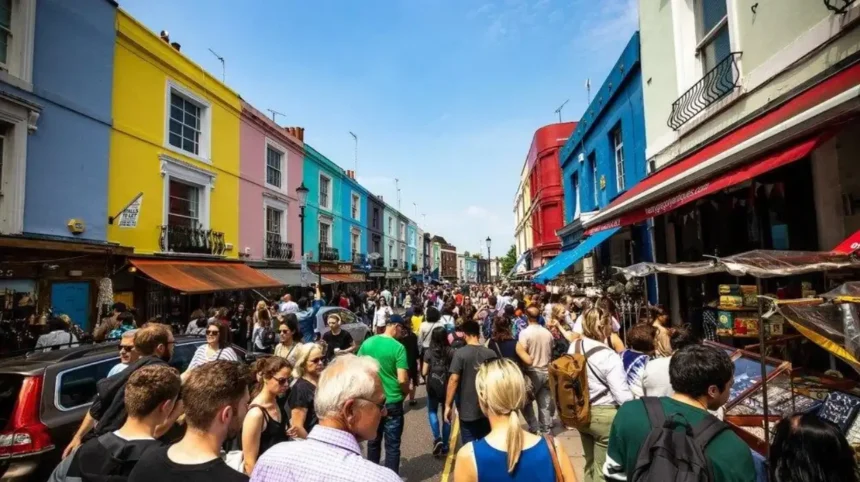
Portobello Road Market is one of London’s best-known market destinations. Located in Notting Hill, it attracts visitors interested in antiques, vintage fashion, independent products and collectables.
The market stretches along Portobello Road and connects with the wider Golborne Road trading area. Its different sections feature distinct types of merchandise.
The antiques section is particularly important for collectors and interior design enthusiasts. Traders sell vintage furniture, decorative objects, jewellery, ceramics, paintings and historical collectables.
The market also features independent fashion sellers, second-hand clothing traders, artwork and street-food businesses. Visitors interested in creative shopping find a mixture of traditional merchandise and contemporary products.
Saturday is particularly popular for antiques and general market browsing. Friday is another useful visiting day for vintage fashion.
Best for: Antiques, vintage clothing, collectables, jewellery, artwork and independent shopping.
Portobello Yard, Notting Hill
Portobello Yard provides a more curated shopping experience near the famous Portobello Road.
Its Saturday market focuses on vintage products, independent makers, antiques and contemporary design. The market features vintage fashion, designer clothing, leather jackets, jewellery, furniture, ceramics, original artwork and home decorations.
Visitors also find independent designers displaying their products alongside street-food vendors and coffee sellers.
Portobello Yard is particularly relevant for shoppers looking for distinctive interior pieces, creative gifts and vintage fashion. Its combination of established vintage dealers and independent creative businesses makes it an important part of the wider Notting Hill shopping area.
The organiser also operates a Sunday car boot event on the first and third Sunday of each month, providing another opportunity to discover second-hand merchandise and collectables.
Best for: Curated vintage shopping, independent designers, antiques, original artwork and homeware.
Your Acton Maker’s Market, Acton
Your Acton Maker’s Market is a community-focused creative market organised by Your Acton BID, the local business improvement district.
The event brings together more than 40 independent traders, local artisans and sustainable businesses. Its product selection includes jewellery, artwork, fashion, handmade decorations, homeware and speciality food.
The market takes place on Churchfield Road, creating a dedicated space for independent businesses and local visitors.
Its published 2026 dates are:
- 18 April 2026
- 20 June 2026
- 19 September 2026
- 12 December 2026
The listed event hours are 10:00 am to 4:30 pm, with free entry. Visitors should check the organiser’s latest announcements before travelling because event dates and arrangements are subject to change.
Your Acton Maker’s Market demonstrates how local business organisations use temporary markets to promote independent traders and increase activity in neighbourhood shopping streets.
Best for: Handmade gifts, local artwork, jewellery, sustainable products and independent food businesses.
Chiswick Flower Market, Chiswick
Chiswick Flower Market is a community-run monthly market held at Old Market Place on Chiswick High Road.
The event focuses on flowers, plants and gardening-related products. Independent flower sellers and specialist traders offer seasonal arrangements, cut flowers, plants and gardening supplies.
The market creates opportunities for local businesses and specialist producers to connect with residents. Its location also makes it convenient to explore Chiswick’s independent shops, cafés and restaurants.
Visitors interested in home decoration and gardening find products suitable for different spaces, including balconies, gardens and indoor environments.
Chiswick Flower Market generally operates on the first Sunday of the month, from approximately 9:00 am to 3:30 pm. Check the organiser’s calendar for the latest event information.
Best for: Flowers, plants, gardening products and creative home decoration.
Chiswick Cheese Market, Chiswick
Chiswick Cheese Market is a specialist monthly food market at Old Market Place on Chiswick High Road.
The event brings together artisan cheese producers and specialist sellers offering products from the UK and other European countries.
Visitors can explore different cheese varieties, learn about production methods and purchase products directly from specialist traders. Sampling opportunities also help shoppers understand differences in flavour, texture and production techniques.
The market generally takes place on the third Sunday of each month, from 9:30 am to 3:00 pm.
Although its main focus is food rather than traditional handicrafts, the market belongs in a wider guide to creative and artisan markets because it supports independent producers and specialist craftsmanship.
Best for: Artisan cheese, independent food producers and speciality shopping.
Duck Pond Market, Chiswick House and Gardens
Duck Pond Market Chiswick is a monthly artisan market associated with Chiswick House and Gardens.
The market combines independent creative businesses, handmade products, food stalls and specialist traders. Its product range includes handmade gifts, accessories, decorative items and artisan food.
Chiswick House and Gardens provides a distinctive historic setting for this type of community event. Visitors can combine market shopping with exploring the surrounding landscaped gardens and historic architecture.
The event is particularly suitable for families, local residents and visitors interested in independent businesses.
Published listings describe a first-Sunday monthly schedule, generally between 10:00 am and 4:00 pm. Visitors should confirm individual event dates before travelling.
Best for: Handmade gifts, artisan products, independent traders and outdoor market experiences.
Merton Abbey Mills, Merton
Merton Abbey Mills is a historic arts-and-crafts destination beside the River Wandle in south-west London.
The site has connections with London’s textile and printing industries. Its industrial history makes it an interesting location for visitors exploring the relationship between traditional manufacturing and contemporary creative businesses.
Today, Merton Abbey Mills combines independent shopping, artisan products, food traders and visitor attractions.
Its market environment features handmade gifts, decorative products, independent retail businesses and speciality food. The riverside location also provides an opportunity to explore the area’s historic industrial character.
Merton Abbey Mills is especially relevant to visitors interested in traditional craftsmanship, textile heritage and independent creative businesses.
Best for: Arts and crafts, artisan food, handmade gifts and industrial heritage.
Barnes Collectors Market, Barnes
Barnes Collectors Market offers a smaller-scale market experience in south-west London.
Located near Barnes Pond and Barnes Green, the market focuses on antiques, vintage products, collectables and second-hand household objects.
Visitors find opportunities to browse retro decorations, vintage accessories, bric-a-brac and unusual collectables. The selection changes according to participating traders and available stock.
The market generally operates on Saturday mornings, with published trading hours of approximately 10:00 am to midday.
Its village setting makes it suitable for visitors looking for a quieter alternative to larger London shopping markets.
What Types of Creative Markets Can Visitors Explore in West London?
West London offers several creative market formats, including handmade craft fairs, vintage markets, specialist artisan food events, flower markets and independent designer pop-ups. Each format serves different interests, from collecting antiques to purchasing original artwork and supporting small producers.
Understanding these market types helps visitors choose destinations according to their shopping interests.
Handmade Craft Markets
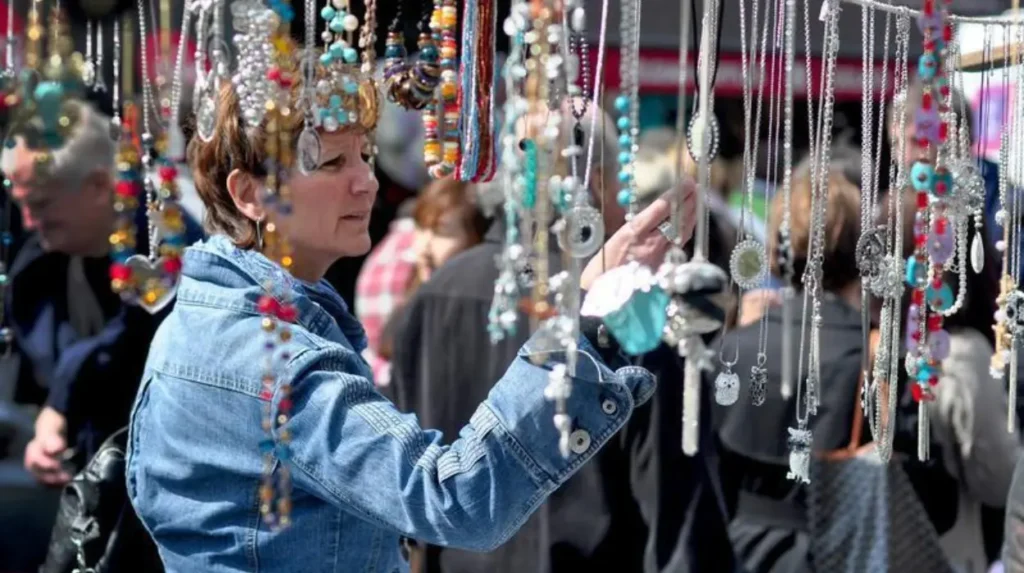
Handmade craft markets focus on products created by individual makers and small creative businesses. Common examples include handmade ceramics, candles, knitted accessories, leather goods and decorative objects.
These events give craftspeople opportunities to display their work and explain the materials and techniques used in production.
Your Acton Maker’s Market and Duck Pond Market in Chiswick provide examples of West London events that feature independent makers and artisan businesses.
Vintage and Antique Markets
Vintage and antique markets specialise in previously owned products, historical objects and collectable merchandise.
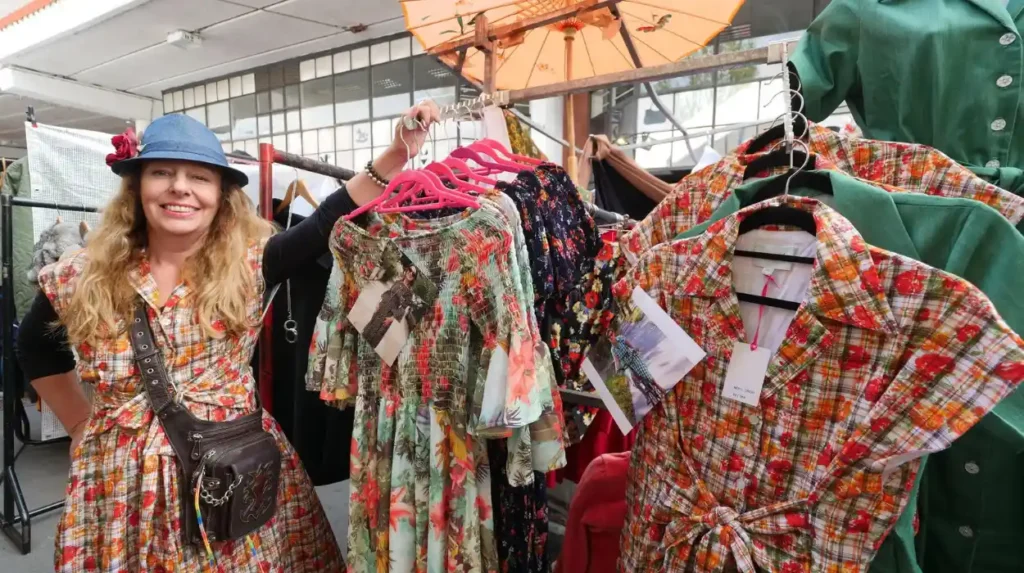
Portobello Road Market is a major example in West London. Its traders offer vintage fashion, jewellery, antique furniture, decorative objects and collectables.
Portobello Yard also provides a curated environment for shoppers interested in vintage clothing, interior products and independent design.
These markets attract collectors, fashion enthusiasts, interior designers and people interested in reusing older products.
Artisan Food Markets
Artisan food markets connect customers with specialist producers and independent food businesses.
Products include handmade bread, speciality cheese, preserves, confectionery, locally sourced ingredients and prepared food.
Chiswick Cheese Market and other specialist food events demonstrate how West London markets support food craftsmanship and independent production.
These events also introduce visitors to different ingredients, regional food traditions and specialist production methods.
Flower and Gardening Markets
Flower markets provide specialist retail spaces for florists, plant sellers and gardening businesses.
Chiswick Flower Market is an important example. Visitors explore seasonal flowers, decorative plants and gardening products while supporting independent sellers.
These markets also create opportunities for local horticultural businesses to reach customers without maintaining permanent retail premises.
Independent Designer Markets
Independent designer markets feature products created by emerging designers, artists and small creative brands.
Typical examples include illustrated prints, handmade jewellery, contemporary clothing, original artwork and personalised gifts.
These markets help designers introduce new collections, build customer relationships and establish their businesses within the local creative economy.
How Have Creative Markets Developed Across West London?
West London’s creative markets developed through traditional street trading, industrial production, independent retail and community commerce. Historic market districts such as Portobello and former manufacturing areas such as Merton Abbey Mills demonstrate this development.
The region’s market culture reflects changes in shopping habits, manufacturing and urban development.
The Historical Development of Portobello Market
Portobello Road became an important commercial street in Notting Hill during the nineteenth century as the surrounding neighbourhood developed.
Its market activity expanded through street trading and the growth of local retail businesses. Over time, the market became associated with antiques, second-hand merchandise and independent traders.
The market’s reputation developed beyond its immediate neighbourhood, attracting domestic and international visitors.
Today, Portobello Road represents an important part of West London’s commercial and cultural identity. Its combination of traditional street trading, vintage fashion, antiques and contemporary independent businesses demonstrates how historic markets adapt to changing consumer interests.
Merton Abbey Mills and Industrial Craft Heritage
Merton Abbey Mills has a particularly important connection with London’s manufacturing history.
The wider Merton Abbey area became associated with textile production and printing. The site also has historical links with William Morris, the nineteenth-century designer and founder of Morris & Co.
William Morris established a textile and decorative arts production operation at Merton Abbey in the 1880s. His company became known for wallpaper, textiles, furnishings and designs influenced by natural forms.
This history connects Merton Abbey Mills with the British Arts and Crafts Movement, which promoted traditional craftsmanship and skilled production.
The present-day site preserves an association with this creative heritage through its arts, crafts and independent shopping environment.
The Growth of Contemporary Makers’ Markets
Contemporary makers’ markets reflect the expansion of independent creative businesses and consumer interest in original products.
Digital platforms help designers promote their products online, but physical markets provide opportunities for customers to examine products and communicate directly with sellers.
Local organisations also use temporary markets to support high-street activity. Your Acton Maker’s Market demonstrates this approach through its partnership with independent traders and its location on Churchfield Road.
Monthly markets in Chiswick provide another example of community-based trading that connects specialist producers with local customers.
How Do Creative Markets Support Independent Businesses in West London?
Creative markets support independent businesses by providing temporary retail space, direct customer access and opportunities to test products. They help emerging designers, artists and specialist producers build recognition without the costs associated with permanent shops.
Independent markets contribute to the commercial activity of West London’s neighbourhoods.
Affordable Opportunities for Emerging Businesses
Opening a permanent retail shop involves significant expenses, including rent, utilities, insurance, staffing and business rates.
Market stalls provide an alternative route into physical retail. Traders operate during scheduled events and reach customers without maintaining a permanent high-street location.
This arrangement benefits businesses selling handmade jewellery, clothing, ceramics, artwork and speciality food.
Smaller creative businesses also use market participation to understand which products attract customers before expanding their operations.
Direct Relationships Between Makers and Customers
Creative markets create opportunities for direct communication between sellers and shoppers.
Customers can ask about product materials, manufacturing techniques, customisation and maintenance. Sellers receive immediate feedback about product quality, pricing and design.
For example, someone purchasing handmade jewellery at an Acton makers’ event can speak directly with the designer about materials and production.
This interaction helps independent businesses build customer trust and encourage repeat purchases.
Supporting Neighbourhood High Streets
Markets attract visitors to shopping streets and public spaces. These visitors also use nearby cafés, restaurants and independent shops.
Churchfield Road in Acton demonstrates how a temporary makers’ event can bring additional activity to a neighbourhood commercial area.
Similar opportunities exist around Chiswick High Road and Notting Hill.
The wider economic impact depends on visitor numbers, spending patterns, event frequency and local business participation. Individual market attendance figures and economic contributions should be checked with organisers rather than assumed.
Promoting Sustainable Shopping
Creative markets also provide opportunities to purchase second-hand, repaired, reused and locally produced goods.
Vintage markets support product reuse by extending the useful life of clothing, furniture and household objects.
Independent makers also sell durable products and small-batch items, although sustainability standards vary between businesses.
Portobello Road Market and Portobello Yard offer examples of trading environments where visitors can discover vintage products and previously owned merchandise.
How Can Visitors Find the Best Creative Markets in West London?
Visitors can find suitable creative markets by checking organiser websites, local business improvement district announcements, community event calendars and market social media pages. Confirming dates, opening times, transport and trader information helps avoid unnecessary journeys.
Market schedules vary considerably, particularly for seasonal and monthly events.
Choose the Right Visiting Day
Different market days offer different products and experiences.
Saturday is particularly useful for exploring Portobello Road’s antiques and vintage trading areas. Portobello Yard also operates its curated vintage market on Saturdays.
Monthly Chiswick events follow different schedules. The flower market generally operates on the first Sunday, while the cheese market generally takes place on the third Sunday.
Your Acton Maker’s Market follows a separate published event calendar.
Checking dates before travelling is important because weather conditions, seasonal arrangements and organiser decisions affect individual events.
Plan Transport and Accessibility
West London has extensive public transport connections through the London Underground, Elizabeth line, National Rail and local bus services.
Visitors can use nearby stations and bus routes to reach major market areas.
For example, Notting Hill Gate, Ladbroke Grove and Westbourne Park provide access to different parts of the Portobello market area. Acton has several transport connections, including Acton Town and Acton Central, depending on the starting point.
Chiswick High Road is accessible through nearby Underground and rail stations, including Turnham Green and Chiswick Park.
Visitors should check current Transport for London information for routes, service disruptions and accessibility details.
Prepare for Market Shopping
A little preparation improves the shopping experience.
Visitors should bring reusable shopping bags, especially when purchasing food, clothing or homeware. Cashless payments are common, but individual traders use different payment methods.
Collectors purchasing antiques should inspect condition, materials and authenticity before completing transactions.
Shoppers buying handmade products should also ask about care instructions, customisation and return arrangements.
Explore More Area Guide
West London Makerspaces: Creative Workshops and Innovation Hubs
Art Classes for Children in West London: A Parent’s Guide
How Are Creative Markets Different from Traditional Shopping Centres?
Creative markets focus on independent traders, original products and direct customer interaction, while conventional shopping centres generally operate through permanent retail units and established commercial brands. Both provide shopping opportunities, but their business structures and product selections differ.
The differences are visible in how products are sourced, displayed and sold.
Product Originality
Creative markets frequently feature small-batch products, handmade merchandise and vintage objects.
For example, a jewellery maker at a local craft market sells pieces created through individual design and production processes.
Traditional shopping centres generally feature larger retailers with established supply chains and standardised product ranges.
Seller Interaction
Markets provide opportunities for customers to speak directly with makers and independent traders.
This interaction allows shoppers to understand product origins, design decisions and production methods.
Shopping centres usually involve purchasing products through retail employees rather than communicating directly with the original manufacturer or designer.
Shopping Environment
Creative markets operate in streets, public spaces, historic buildings, school grounds and temporary event venues.
Examples include Churchfield Road in Acton, Old Market Place in Chiswick and the historic surroundings of Merton Abbey Mills.
Shopping centres use permanent commercial buildings with fixed retail units, shared facilities and managed opening arrangements.
Business Opportunities
Creative markets provide flexible selling opportunities for small businesses and emerging designers.
Traditional retail units require more permanent operational commitments. Market trading therefore provides a useful starting point for businesses testing demand and building customer awareness.
What Is the Future of Creative Markets in West London?
Creative markets in West London remain relevant because independent retail, handmade production, vintage shopping and community events support changing consumer interests. Digital promotion, sustainable purchasing and local business partnerships will influence how these markets develop.
Several developments are particularly important for the future of independent market trading.
Digital Promotion and Online Discovery
Market organisers increasingly use websites and social media to announce events, introduce traders and share product information.
Digital promotion helps independent sellers reach customers before market days.
Visitors can also discover emerging designers through online directories and event announcements.
Combining online discovery with physical shopping creates opportunities for smaller businesses to develop broader customer networks.
Sustainable and Circular Shopping
The circular economy focuses on keeping products and materials in use for longer through reuse, repair and recycling.
Vintage markets directly support this approach by providing places to purchase previously owned products.
Independent makers also contribute through repair services, recycled materials and durable product design where these practices form part of their businesses.
West London’s vintage and creative markets offer suitable environments for shoppers interested in reducing reliance on disposable consumer goods.
Community Partnerships
Local business organisations, councils and community groups play an important role in supporting market events.
Partnerships provide access to public spaces, event promotion and opportunities for independent businesses to participate.
Your Acton Maker’s Market demonstrates how a business improvement district can coordinate local traders and organise a community-focused shopping event.
Similar partnerships can help neighbourhoods maintain active high streets and introduce residents to independent producers.
Greater Interest in Independent Design
Consumers interested in personalised products, handmade gifts and independent fashion provide opportunities for creative businesses.
Markets give designers physical spaces to display products and develop customer relationships.
West London locations such as Notting Hill, Chiswick, Acton and Merton offer different environments for this type of independent commerce.
The future success of individual markets will depend on trader participation, event management, customer demand and the ability to maintain distinctive product selections.
What are the best creative markets in West London?
Some popular destinations include Portobello Road Market, Portobello Yard, Your Acton Maker’s Market, Chiswick Flower Market, Chiswick Cheese Market and Merton Abbey Mills.