Key Points
- Harrow Council has officially launched its extensive £56 million roads investment programme, with works and resurfacing currently underway across various locations in the borough.
- The local authority has stated that the multi-million-pound initiative aims to tackle a significant backlog of highway maintenance and infrastructure repairs inherited by the current administration.
- Alongside the capital highways investment, council representatives have highlighted supplementary environmental efforts, including measures targeting fly-tipping, free bulky waste collections, and expanded recycling centre slots.
- Local officials have acknowledged that despite the scale of the ongoing operations, a substantial volume of road repairs, pothole fillings, and street improvements remains to be completed.
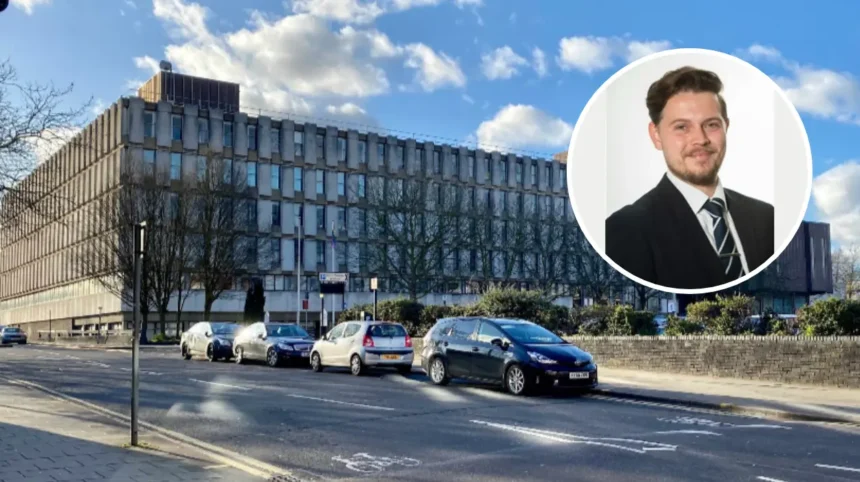
Harrow (West London Times) November 11, 2026 – uk/local/harrow/">Harrow Council has launched its £56 million infrastructure investment project, bringing visible roadworks and resurfacing operations to streets across the borough as local authorities move to tackle inherited highways backlogs.
- Key Points
- Why is Harrow Council launching a major £56m roads investment project?
- How is the local authority addressing wider environmental and community concerns alongside road repairs?
- What challenges and future street improvements remain for Harrow residents?
- Background of the Particular Development
- Prediction
Why is Harrow Council launching a major £56m roads investment project?
As reported by community reporter Robyn Bennett of This Is Local London, residents traversing the London borough have likely noticed an increase in active roadworks, engineering teams, and street resurfacing operations. The local authority has confirmed that its major financial commitment valued at £56 million is now formally underway.
Addressing the community regarding the state of local infrastructure, as reported by Robyn Bennett of This Is Local London, Councillor Matthew Goodwin-Freeman stated that
“if you’ve been out and about across the borough, you’ve probably noticed roadworks and resurfacing taking place in a number of locations”.
Councillor Goodwin-Freeman further noted, as reported by This Is Local London, that
“that work is now well underway”
and added that
“we know there is still a huge amount to do, but every resurfaced road is another step towards tackling the backlog of work we inherited”.
How is the local authority addressing wider environmental and community concerns alongside road repairs?
Beyond the scope of physical asphalt resurfacing and pothole mitigation, the local council has pointed to parallel initiatives managed by environmental teams during previous months. According to statements recorded by Robyn Bennett of This Is Local London, municipal services have concentrated efforts on keeping public spaces clean and addressing illegal waste dumping.
As reported by This Is Local London, Councillor Matthew Goodwin-Freeman stated that
“fly-tipping remains one of the biggest frustrations residents raise”.
In response to these persistent community complaints, the local administration has maintained expanded waste management services. As detailed by This Is Local London, the council continues to provide a free bulky waste collection scheme for every household, organize ‘Drop and Go’ sessions to bring disposal facilities closer to residential neighborhoods, and secure extra appointment slots at local recycling centres. Furthermore, the council has facilitated easier access to public waste infrastructure by introducing extra-large bins in public parks, streamlining residential bin orders, and offering free orders for brand new food caddies.
What challenges and future street improvements remain for Harrow residents?
While large-scale capital projects are actively progressing, municipal leaders have maintained that operations will continue without interruption as the winter season approaches. As reported by Robyn Bennett of This Is Local London, municipal staff, cabinet members, and local councillors have remained focused on fulfilling commitments made to the electorate.
Reflecting on the ongoing demands facing local infrastructure, Councillor Matthew Goodwin-Freeman stated, as reported by This Is Local London, that
“as we all look forward to a rest at Christmas, there is always more to do”.
Highlighting the remaining tasks ahead for the transport network, Councillor Goodwin-Freeman added, via This Is Local London, that
“there are still potholes to fill. There are still streets that need attention. There are still improvements residents want done. But what I wanted to share this month is that the work doesn’t stop”.
Background of the Particular Development
The £56 million roads investment programme represents one of the most substantial financial commitments made toward local transport infrastructure in Harrow in recent years. Local authorities across Greater London have faced mounting pressure from residents and motoring groups to address deteriorating road conditions, surface wear, and structural damage caused by heavy traffic volumes and adverse weather patterns.
Highway maintenance backlogs have historically accumulated due to constrained local government budgets and rising material costs. By ring-fencing a major capital allocation of £56 million, Harrow Council sought to systematically overhaul damaged carriageways, upgrade local pavements, and implement a structured long-term asset management plan to prevent further decay of the borough’s transportation network.
Prediction
This £56 million development is expected to directly affect Harrow residents, local motorists, cyclists, and pedestrians by progressively improving road safety, reducing vehicle wear and tear, and smoothing daily transit across the borough. In the short term, motorists and local bus passengers will likely encounter localized traffic disruption, temporary diversions, and lane closures as engineering crews execute resurfacing works street by street.
However, over the medium to long term, the successful completion of the targeted repairs will alleviate the significant backlog of reported potholes, enhance cycling infrastructure safety, and improve overall surface drainage. For local property owners and businesses, smoother local transport links can translate into better accessibility, reduced transit delays, and an overall enhancement of the urban environment within the London borough.