Key Points
- A person has died following an incident where they were hit by a train at Hanwell station in West London on November 11, 2026.
- Emergency services, including the British Transport Police and London Ambulance Service, rushed to the scene in Ealing shortly before 6:25 AM.
- The individual was pronounced dead at the scene, and authorities confirmed the incident is not being treated as suspicious.
- The Elizabeth line experienced partial suspensions between Paddington, Heathrow Terminals, and Reading, causing severe commuter delays.
- Other local rail networks, including Heathrow Express and Great Western Railway routes, faced cancellations and disruption before services resumed.
Hanwell, West London (West London Times) November 11, 2026 — As reported by trainee multimedia reporter Rebecca McCulloch of MyLondon, a person has tragically died after being struck by a train at an Elizabeth line station on November 11, 2026.
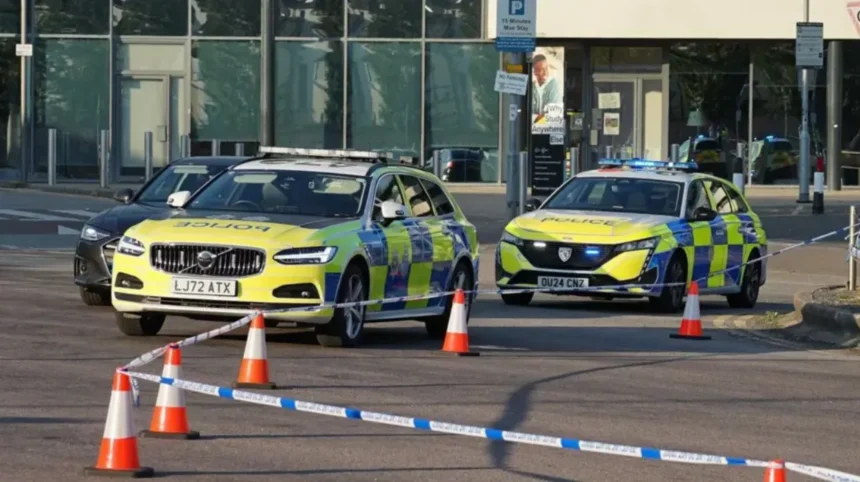
Emergency response teams were dispatched to the busy transport hub located in uk/local/ealing/">Ealing shortly before 6:25 AM following reports of a casualty on the railway tracks. The incident prompted an immediate multi-agency response from local emergency services to manage the unfolding crisis on the network.
How Did Emergency Services Respond to the Incident?
As detailed by MyLondon, the British Transport Police swiftly arrived at Hanwell station alongside paramedic crews. According to a statement issued by the British Transport Police, the injured person was unfortunately pronounced dead at the scene. Authorities have not yet released any details regarding the age or gender of the deceased individual.
Adding further context to the medical response, the London Ambulance Service stated:
“We were called at 6.24am today (11 November) to reports of a person on the tracks at Hanwell Railway Station, W7. We sent resources including an ambulance crew, paramedics in fast response cars and an incident response officer. Very sadly, a person was pronounced dead at the scene.
Are Police Treating the Death as Suspicious?
According to the official updates provided by the British Transport Police and reported by MyLondon, investigators are not treating the fatality as suspicious. The force confirmed that a formal file will be prepared and handed over to the coroner in anticipation of an upcoming inquest into the circumstances surrounding the death.
What Impact Did the Incident Have on Transport Services?
The fatal collision caused widespread disruption across the transport network. The Elizabeth line was partially suspended while police and emergency personnel carried out their investigations. Trains were temporarily halted between Paddington and Heathrow Terminals, as well as towards Reading, though lines have since reopened.
Transport for London (TfL) reported that passengers travelling from Paddington toward Abbey Wood, Heathrow, and Reading faced severe delays. Additionally, Heathrow Express services operating between Terminal 5 and Paddington were cancelled, though those lines have also since resumed operations.
Further network repercussions noted by Network Rail included the cancellation of services between Windsor & Eton Central and Slough, as train crews were unable to navigate the route due to main-line gridlock. Network Rail confirmed that travel disruption across affected routes was expected to persist until 10:00 AM on the day of the incident. To mitigate commuter hardship, ticket acceptance was arranged across the London Underground, DLR, Chiltern Railways, Great Western Railway, Southeastern, South Western Railway, and Thameslink.
Background of the Particular Development
The incident highlights ongoing safety and operational vulnerabilities across high-frequency suburban commuter arteries in the United Kingdom, particularly the Elizabeth line, which handles hundreds of thousands of passenger journeys daily through West London. Stations such as Hanwell, originally opened in the 19th century and integrated into modern high-capacity transit upgrades, manage dense commuter flows connecting suburban residential hubs directly to central London and major aviation infrastructure like Heathrow Airport. Incidents on these shared tracks frequently trigger cascading delays across multiple primary operators, including Transport for London, Great Western Railway, and Heathrow Express, reflecting the complex logistical interdependence of the capital’s rail network.
Prediction and Impact on the Particular Audience
For daily commuters, local residents, and regular users of the Elizabeth line and connecting National Rail services, this development underscores the acute vulnerability of local transport schedules to unexpected tragedies. In the immediate aftermath, passengers travelling through West London corridors will likely encounter heightened anxiety surrounding network reliability, alongside renewed scrutiny from passenger advocacy groups regarding station safety infrastructure, platform edge barriers, and mental health intervention measures at railway locations. Furthermore, recurring disruptions of this nature place sustained pressure on transport authorities to accelerate contingency planning and passenger communication frameworks during emergency network suspensions.