

West London waterfront attractions include historic canals, River Thames promenades, landscaped waterside parks, working locks, boat trips and regenerated docklands. From Little Venice and Paddington Basin to uk/local/hounslow/brentford/">Brentford Lock, fulham/hammersmith/">Hammersmith and Richmond, these destinations connect London’s industrial heritage with recreation, wildlife and modern urban life.
- What are the main waterfront attractions in West London?
- Why are West London’s canals and rivers historically important?
- What can visitors see at Little Venice?
- What makes Paddington Basin a major waterfront destination?
- What can visitors explore at Brentford Lock?
- Where can visitors enjoy River Thames waterfront walks in West London?
- Which waterfront attractions are best for nature and wildlife?
- What activities can visitors enjoy along West London’s waterfront?
- When is the best time to visit West London’s waterfront attractions?
- How can visitors plan a waterfront day out in West London?
- Are West London’s waterfront attractions free to visit?
- How do West London’s waterfront attractions support local communities?
- Which West London waterfront attractions should visitors prioritise?
The waterfront is an important part of West London’s geography. The Grand Union Canal links the area with Britain’s inland waterway network, while the River Thames provides a historic transport corridor through riverside districts. These waterways now support walking, cycling, sightseeing, boating, hospitality and access to green spaces.
Visitors can explore the waterfront independently, combine canal walks with historic attractions or follow riverside routes between neighbouring districts. Residents also use these spaces for exercise, commuting, outdoor dining and access to nature.
What are the main waterfront attractions in West London?
West London’s main waterfront attractions include Little Venice, Paddington Basin, the Grand Union Canal, Brentford Lock, the River Thames at Hammersmith and Richmond, and riverside paths near Kew. These destinations offer historic waterways, boat trips, public spaces, wildlife observation and pedestrian routes.
West London does not have a single waterfront district. Its waterside attractions form a connected network of canals, rivers, basins, locks and landscaped public spaces. Each location offers a different experience, from central London’s canal junctions to quieter stretches beside the Thames.
Little Venice is known for its narrowboats and canal-side setting. Paddington Basin combines modern architecture, restaurants and pedestrian spaces. Brentford Lock provides access to the Grand Union Canal’s connection with the Thames. Richmond offers riverside walks, historic buildings and views across the river landscape.
The area also contains destinations where water meets established parks and gardens. Kew Gardens, Syon Park and other green spaces provide opportunities to combine waterfront exploration with landscape history, horticulture and outdoor recreation.
The best destination depends on the activity. Little Venice suits canal sightseeing, Paddington Basin suits an urban waterfront visit, Brentford suits canal walking and lock watching, and Richmond suits longer riverside walks.
Why are West London’s canals and rivers historically important?
West London’s waterways developed as transport routes for goods, people and industry. The Grand Union Canal connected London with inland manufacturing and trading centres, while the River Thames supported commerce, navigation and riverside settlements. These historic routes now serve recreation, heritage conservation and urban regeneration.
Canals transformed Britain’s transport system during the late eighteenth and nineteenth centuries. Before modern motorways and extensive railway networks, waterways moved heavy goods more efficiently than many road routes. Coal, timber, building materials and other commodities travelled along canals to growing urban markets.
The Grand Union Canal became a major part of this network. Its London connections gave businesses access to inland routes and helped support industrial activity around places such as Brentford, Hayes and ealing/southall/">Southall. The waterway’s surviving locks, bridges and towpaths reveal how this transport infrastructure operated.
The River Thames served a different but related purpose. It connected riverside settlements with London’s commercial centre and wider maritime trade. Piers, wharves, warehouses and industrial sites developed around navigable sections of the river, creating a working waterfront that influenced local employment and settlement patterns.
Industrial transport later declined as railways, roads and motor vehicles became more important. Some former industrial waterfronts subsequently underwent redevelopment, with housing, offices, restaurants and public spaces replacing or adapting older commercial sites.
Today’s waterfront attractions preserve parts of this history. Visitors can still see narrowboats using canal locks, follow towpaths designed for waterway access and explore districts where historic navigation infrastructure sits alongside contemporary buildings.
The Canal & River Trust manages many waterways and associated structures in England and Wales. Its visitor information for Little Venice and Brentford explains how these locations combine navigation heritage with present-day walking and boating.
What can visitors see at Little Venice?
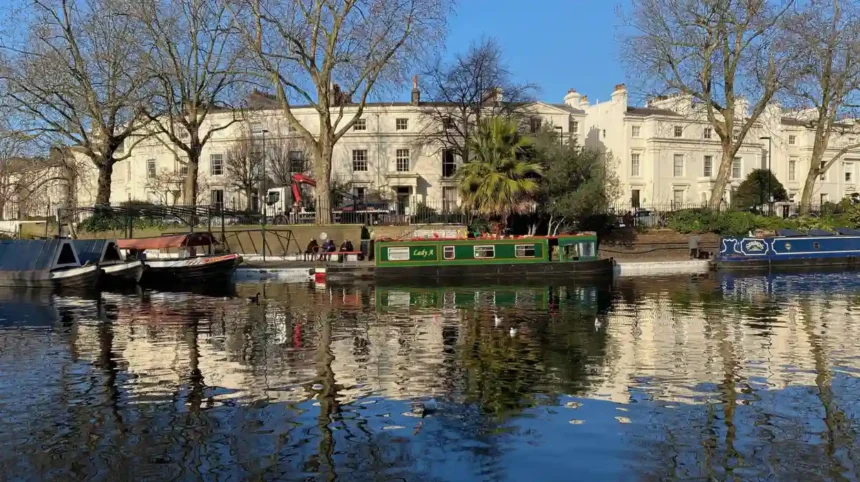
Little Venice is a canal junction near Paddington where the Grand Union Canal meets Regent’s Canal. Visitors can see narrowboats, landscaped canal banks, waterside cafés and historic buildings, explore Rembrandt Gardens, walk along towpaths or join organised canal boat trips.
Little Venice is one of West London’s best-known waterfront destinations. The neighbourhood sits near Paddington and Maida Vale, with access from Warwick Avenue and Paddington stations. Its distinctive character comes from the meeting of two canals, moored boats and buildings overlooking the water.
The junction developed within London’s nineteenth-century canal network. The Grand Junction Canal, which later became part of the Grand Union Canal, connected the capital with inland waterways. Regent’s Canal created another navigable route across northern London. Their connection made Little Venice an important point in the city’s waterway geography.
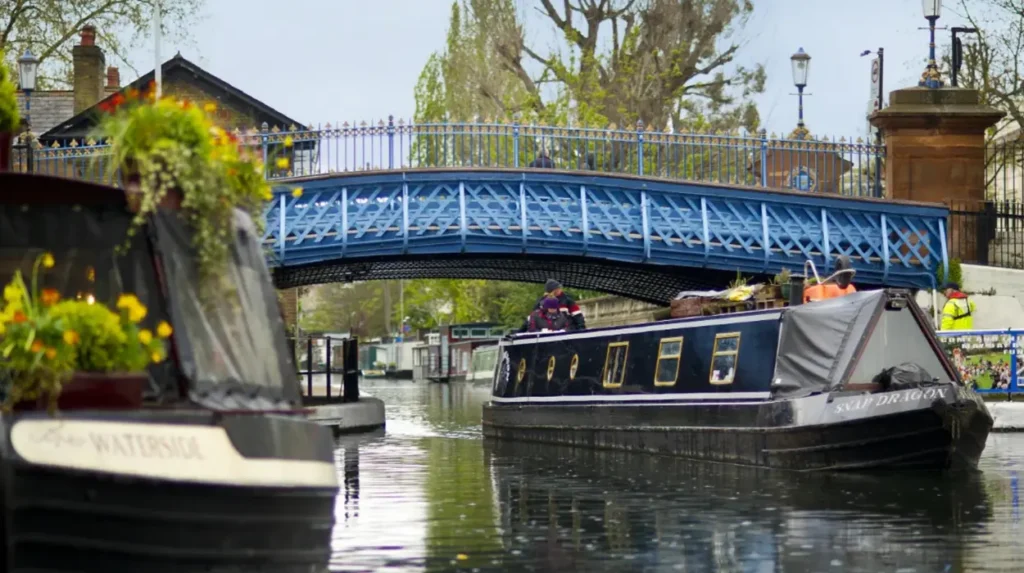
Today, the canal basin attracts walkers, photographers, boat enthusiasts and visitors looking for a quieter outdoor setting. Narrowboats provide much of the area’s visual character, while pedestrian bridges and waterside paths create views across the water.
Rembrandt Gardens provides a nearby landscaped place to pause during a walk. The surrounding streets also contain cafés, pubs and restaurants. Visitors can combine the waterfront with independent entertainment venues, including the Puppet Theatre Barge and Canal Café Theatre.
Boat trips provide another way to experience Little Venice. Operators run scheduled and seasonal services on selected routes, including journeys towards Camden. Routes, departure times and ticket prices depend on the operator and operating season, so checking current arrangements before travelling is important.
The Canal & River Trust identifies Little Venice as a visitor destination with public towpath access, nearby transport connections and canal-side businesses. Its visitor guidance also identifies the junction as a starting point for exploring London’s waterways.
What makes Paddington Basin a major waterfront destination?
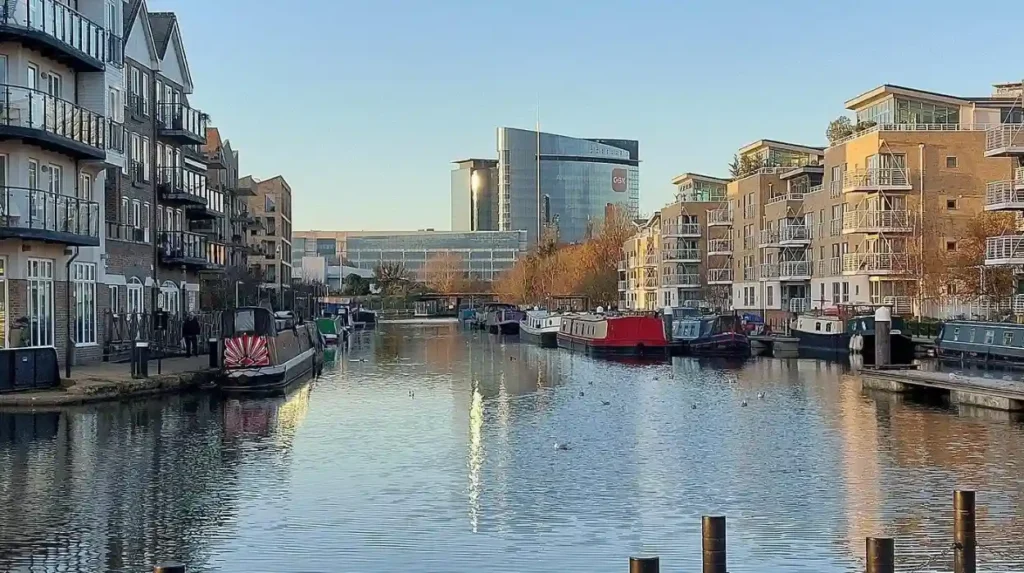
Paddington Basin is a redeveloped canal-side district in West London featuring modern buildings, pedestrian walkways, restaurants, public seating and distinctive bridge designs. Its location near Paddington Station makes it convenient for visitors seeking contemporary waterfront architecture, outdoor dining and canal-side walks.
Paddington Basin sits along the Paddington Arm of the Grand Union Canal. It forms part of a wider regeneration area where former railway and canal-side land has been adapted for commercial buildings, residential development and public access.
The basin demonstrates how historic waterways continue to shape urban development. Rather than removing the canal from the district, redevelopment has placed it at the centre of the public environment. Buildings, walkways, bridges and outdoor seating face the water, allowing the canal to remain visible within a modern business and residential area.
Merchant Square is a prominent part of this waterfront environment. Its public spaces support outdoor seating and seasonal activities, while nearby restaurants and cafés provide places to stop during a walk. The basin’s bridges also contribute to its architectural identity, including the well-known Rolling Bridge.
The waterfront is easy to incorporate into a short visit because Paddington Station is nearby. Visitors can walk between the station, Paddington Basin and Little Venice, making it possible to explore both modern development and traditional canal scenery in one outing.
The area also provides access to public art and pedestrian routes. Sculptures along the canal create additional points of interest, while the surrounding development illustrates how public waterfronts contribute to mixed-use neighbourhoods.
Visit London’s Paddington guide identifies the basin as a lively district with restaurants, bars and connections to Little Venice. The area is therefore useful for visitors who want a combination of waterside scenery, dining and convenient transport.
What can visitors explore at Brentford Lock?
Brentford Lock is a historic canal destination where the Grand Union Canal approaches the River Thames. Visitors can follow towpaths, watch boats navigate locks, explore nearby riverside streets and connect canal walking with local heritage, cafés and green spaces.
Brentford lies at a significant meeting point between canal navigation and the tidal Thames. The Grand Union Canal’s final locks connect the inland waterway with the river, making the area particularly interesting for visitors who want to understand how London’s canal network meets its main river.
Brentford Gauging Lock is a useful starting point for exploring the local canal environment. The Canal & River Trust describes Brentford Lock as a destination for walking and cycling, with Thames Lock providing access towards the river. The nearby towpaths offer opportunities to observe boats, bridges and the working features of canal navigation.
A short walk towards Thames Lock reveals the relationship between the canal and the river. The route takes approximately 10 minutes around the towpath, according to the Canal & River Trust’s visitor information. Walking in the opposite direction provides access towards Syon House and Park, approximately 15 minutes away on the described route.
Brentford’s waterfront also reflects the area’s industrial and commercial history. The canal supported the movement of goods, while river access connected local industries with wider transport routes. Modern development has added housing, pedestrian spaces and hospitality venues to parts of this historic landscape.
Visitors should use designated paths and respect navigation infrastructure. Locks are operational structures, and boat movements require space and attention. The towpath is intended for shared use, so cyclists and pedestrians should allow room for one another.
Brentford works well as a destination for people who prefer a less central waterfront setting. It also offers a practical way to explore the Grand Union Canal beyond the better-known locations around Paddington.
Where can visitors enjoy River Thames waterfront walks in West London?
The River Thames provides waterfront walks through Hammersmith, Barnes, Chiswick, Kew and Richmond. These routes feature historic bridges, riverside pubs, green spaces, rowing activity and views across the river, with public transport links supporting shorter walks and longer point-to-point journeys.
The Thames offers a different waterfront experience from London’s canals. Its wider channel, changing tides, river traffic and open views create a more expansive landscape. Public paths follow sections of the river through residential districts, parks and historic settlements.
Hammersmith is a prominent riverside location. Hammersmith Bridge is a major landmark, and the riverbanks nearby form part of the wider Thames walking environment. Visitors can explore local streets, observe river activity and find places to eat close to the water. Access conditions around bridges and river paths should be checked before setting out because maintenance work can affect routes.
Chiswick provides further opportunities to walk beside the Thames. The riverfront includes residential streets, open spaces and historic buildings. Visitors can combine a riverside walk with a visit to Chiswick House and Gardens, although the house and garden entrances, opening arrangements and admission conditions differ from those of the public river path.
Barnes offers a quieter river setting, with residential streets, green spaces and views across the water. The nearby London Wetland Centre provides a separate wildlife attraction where visitors can learn about wetland habitats and observe birds. It is an established visitor destination, but it is not the same as an unrestricted riverside walking route.
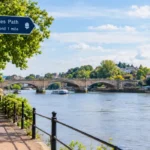
Richmond is another important Thames destination. The riverside promenade features historic buildings, pubs, restaurants and views of boats moving along the river. Nearby Old Deer Park and the wider Richmond landscape provide opportunities to extend a visit beyond the immediate waterfront.
The Thames Path connects many sections of the river into a longer walking network. A published route guide for the Putney-to-Richmond section describes a walk passing Hammersmith Bridge, Barnes, Kew and Richmond, with views towards Syon Park and Syon House from the river corridor.
For planning purposes, visitors should distinguish between a local riverside stroll and a long-distance walk. Some sections have straightforward pavement access, while others use narrower paths or pass through areas affected by tides, weather and maintenance.
Which waterfront attractions are best for nature and wildlife?
West London’s nature-focused waterfront attractions include canal towpaths, the Thames riverbanks, Richmond’s riverside environment, the London Wetland Centre near Barnes and green spaces beside the Grand Union Canal. These locations support birdwatching, waterside walks, habitat observation and outdoor recreation.
Waterways form part of West London’s urban nature network. Canals and rivers provide habitat for waterbirds, aquatic plants, insects and other wildlife. Vegetated banks and nearby parks also create spaces where people can experience nature without travelling far from residential districts.
Canal towpaths often offer opportunities to observe swans, ducks, geese and smaller birds. The mix of open water, moored boats, bridges and planted banks creates varied viewing conditions. Wildlife sightings change with the season, weather and level of human activity, so visitors should avoid treating any single species as guaranteed.
The Thames supports a different set of conditions. Its tidal flow and larger channel create habitats distinct from those of enclosed canals. Visitors can observe birds along the riverbanks and look for changes in vegetation between built-up sections and greener stretches.
The London Wetland Centre in Barnes is especially relevant for visitors interested in wildlife. The site contains managed wetland habitats designed to support wildlife and provide public access to nature. It offers a more structured nature experience than a typical canal walk, with visitor facilities and designated observation areas.
Nearby parks also extend waterfront visits. Rembrandt Gardens at Little Venice provides a landscaped stopping point, while the wider Kew and Richmond area connects riverside exploration with established gardens, parks and historic landscapes.
Responsible behaviour helps protect these environments. Visitors should keep dogs under control where required, avoid feeding wildlife with unsuitable food, carry litter away and respect signs around nesting or sensitive habitats. Boats and wildlife share waterways, so observing animals from paths rather than approaching them directly reduces disturbance.
Waterfront nature experiences also have wider public value. Accessible green and blue spaces support walking, informal exercise and opportunities to spend time outdoors. Canal and river corridors can connect separate parks and neighbourhoods, making them valuable elements of the urban landscape.
What activities can visitors enjoy along West London’s waterfront?
West London’s waterfront supports walking, cycling on permitted towpaths, canal boat trips, photography, outdoor dining, birdwatching and heritage exploration. Examples include boat rides from Little Venice, riverside walks in Richmond and lock watching at Brentford. Activities depend on access rules and operator schedules.
Walking is one of the simplest ways to explore West London’s waterways. Short routes around Little Venice and Paddington Basin suit visitors with limited time, while the Thames Path supports longer journeys between riverside districts. Visitors can choose a short circular stroll or a one-way route connected by public transport.
Canal boat trips offer a different perspective on the landscape. At Little Venice, scheduled services connect the canal basin with other parts of London’s canal network. A boat journey allows passengers to see towpaths, bridges and moored vessels from the water. Routes and journey times vary, so visitors should check the operator’s current timetable.
Cycling is another option on suitable canal paths. Towpaths are shared spaces, not dedicated cycle tracks throughout their length. Riders should slow down around pedestrians, bridges, moored boats and narrow sections. Some stretches have restrictions or surfaces that make cycling less suitable.
Photography is popular at locations with distinctive bridges, boats and historic buildings. Little Venice provides close views of narrowboats and canal architecture, while Paddington Basin features modern structures reflected in the water. The Thames at Richmond and Hammersmith offers broader views of the river and its bridges.
Outdoor dining adds another dimension to waterfront visits. Paddington Basin and Little Venice have cafés, pubs and restaurants near the water. Richmond and Brentford also offer places to eat within walking distance of riverside or canal routes. Business opening hours and outdoor seating availability vary by day and season.
History-focused visits can centre on locks, canal junctions and the relationship between waterways and industrial development. Brentford is particularly useful for understanding the connection between the Grand Union Canal and the Thames. Paddington Basin shows how an older transport corridor has been integrated into a modern urban district.
Visitors should check local signage before entering the water or using equipment such as paddleboards. Not every stretch of canal or river is open to every water activity, and navigation rules, currents, boat movements and water quality affect safety.
When is the best time to visit West London’s waterfront attractions?
Spring and summer provide longer daylight hours for canal walks, boat trips and outdoor dining, while autumn offers changing riverside colours and winter brings quieter paths. The best visiting time depends on weather, daylight, boat schedules and individual attraction opening hours.
Spring is suitable for exploring Little Venice, Paddington Basin and the Thames Path as gardens and waterside vegetation develop. Visitors can combine walking with outdoor photography and visits to nearby parks. Rainfall and cool temperatures remain possible, so suitable footwear and weather-appropriate clothing are useful.
Summer generally provides longer daylight hours and more opportunities to enjoy outdoor seating. Canal boat services and seasonal activities attract visitors to Little Venice and Paddington Basin. Popular locations can become busy during weekends, holidays and favourable weather, making early visits useful for people seeking quieter surroundings.
Autumn provides opportunities to see changing colours along the Thames and in nearby parks. The riverside paths around Richmond and Kew are particularly suitable for combining water views with established landscapes. Shorter daylight hours mean visitors should allow enough time to complete longer walks before dusk.
Winter can suit short urban waterfront visits, especially around Paddington Basin, where restaurants and public transport are close by. However, exposed riverside paths can feel colder, and wet surfaces require care. Seasonal boat services and attraction opening times also differ from summer schedules.
Visitors should check current access information before travelling. Canal towpaths, bridges and river paths sometimes close for maintenance, flooding, construction or other safety work. Boat operators also adjust schedules according to season and operational conditions.
How can visitors plan a waterfront day out in West London?
Visitors can plan a West London waterfront day by choosing one main area, checking transport links and confirming opening times for paid attractions and boat services. A Little Venice and Paddington itinerary suits a short visit, while Brentford and Richmond suit longer explorations.
A practical itinerary groups attractions by location instead of attempting to cover the whole of West London in one day. The waterways extend across several districts, and travelling between distant destinations takes time.
For a central canal visit, start at Little Venice, explore the junction and Rembrandt Gardens, then follow the towpath towards Paddington Basin. Stop for refreshments near Merchant Square and explore the modern waterfront architecture. This combination works well for visitors who want to see traditional canal scenery and contemporary urban design.
For a canal heritage visit, begin at Brentford Lock and walk towards Thames Lock. Explore the lock area, observe boat movements from designated public paths and continue into nearby streets or green spaces. Check local conditions and access before following a longer route.
For a riverside day, choose Richmond as the main destination. Walk beside the Thames, explore the surrounding streets and extend the visit into nearby public green spaces. Visitors who want a longer route can investigate suitable Thames Path sections, taking account of the distance, access points and return transport.
Public transport makes many West London waterfront destinations accessible without a car. Paddington and Warwick Avenue serve Little Venice, Brentford railway station provides access to the Brentford canal area, and Richmond has rail and Underground connections. Walking distances vary depending on the chosen entrance and route.
Before leaving, confirm the following practical details:
- Check current boat-trip departure times and ticket arrangements.
- Review towpath access and any temporary closures.
- Confirm opening hours and admission requirements for gardens, museums and wildlife attractions.
- Choose footwear suitable for paved paths, towpaths and uneven surfaces.
- Check weather forecasts and allow extra time for riverside walking.
- Plan the return journey, particularly when visiting less central locations.
The Canal & River Trust provides visitor information for destinations such as Little Venice and Brentford, including directions and details of local facilities. These resources help visitors plan routes around the canal network.
Are West London’s waterfront attractions free to visit?
Many West London waterfront attractions are free to explore, including public sections of canal towpaths, riverside walks and some landscaped public spaces. Costs arise from optional boat trips, food, paid gardens, wildlife attractions and other activities with admission or booking requirements.
Little Venice’s public towpath is accessible without an admission fee, according to the Canal & River Trust. Visitors can walk beside the canal, watch boats and enjoy the surrounding streets without purchasing a ticket. Rembrandt Gardens also provides a public landscaped space close to the canal junction.
Paddington Basin is another option for a free waterfront stroll. Visitors can explore the public-facing spaces and architecture, although individual businesses, events and activities have separate costs. Spending money is not necessary simply to enjoy the canal-side environment.
Brentford’s canal paths also provide opportunities for free walking and boat watching. The Canal & River Trust identifies the area as a place to walk and cycle, while access to individual businesses and facilities follows their own arrangements.
Paid experiences include scheduled boat trips, food and drink, ticketed gardens, guided tours and wildlife attractions. Prices vary, so visitors should consult official websites before setting a budget. Free public access does not mean that every facility beside the water is free to enter.
Accessibility also differs between destinations. Some routes have level paving, while others include cobbles, uneven surfaces, narrow bridges or steps. The Canal & River Trust publishes specific accessibility information for selected canal locations, including the towpath surface and access arrangements at Little Venice. Visitors with mobility requirements should review these details before travelling.
Explore More Area Guide
Thames Riverside Areas in West London: History, Walks and Attractions
Rivers in West London: Thames, Brent, Crane & Colne Guide
How do West London’s waterfront attractions support local communities?
West London’s waterfronts provide public spaces for walking, recreation, tourism and local business activity. Canals and rivers connect neighbourhoods, preserve transport heritage and support contact with nature, while regeneration projects integrate older waterways into contemporary residential and commercial districts.
Waterfronts contribute to local life by providing routes for everyday movement and leisure. Residents use canal towpaths and riverside paths for walking, running and other permitted activities. These routes also connect parks, transport stations, residential streets and commercial areas.
Tourism supports cafés, restaurants, boat operators and visitor attractions. Little Venice draws people interested in canal scenery, while Paddington Basin combines waterside public space with offices, homes and hospitality businesses. Brentford and Richmond attract visitors interested in different aspects of river and canal heritage.
Waterways also preserve evidence of London’s industrial past. Locks, bridges, canal basins and historic buildings show how transport infrastructure influenced local development. Maintaining these features allows visitors and residents to understand how the city’s economy and geography changed over time.
Regeneration has changed many waterfront areas. At Paddington Basin, the canal sits within a modern district of buildings and public spaces. Brentford combines historic navigation routes with newer development, while Richmond retains a strong relationship between its town centre and the Thames.
These changes require ongoing management. Navigation authorities maintain waterway infrastructure, local authorities manage relevant public spaces and paths, and businesses operate commercial facilities along the water. Effective coordination helps balance public access, navigation, conservation and economic activity.
The future value of West London’s waterfronts depends on maintaining safe access and protecting their environmental and historic features. Investment in public paths, appropriate development and waterway maintenance helps these places remain useful to residents and attractive to visitors.
Which West London waterfront attractions should visitors prioritise?
Visitors should prioritise Little Venice for canal scenery, Paddington Basin for contemporary waterfront architecture, Brentford Lock for canal heritage and Richmond for Thames riverside walks. These destinations provide different experiences, allowing visitors to choose attractions based on available time, interests and transport.
West London offers a broad range of waterfront environments within a connected network of rivers, canals and public paths. Little Venice introduces visitors to the meeting of two canals and the area’s narrowboat culture. Paddington Basin demonstrates how a historic waterway can form the centre of a modern urban district.
Brentford provides a closer look at canal navigation and the connection between inland waterways and the Thames. Hammersmith offers river views and a historic bridge setting, while Richmond combines a well-established riverside environment with access to surrounding green spaces.
For a short visit, Little Venice and Paddington Basin make a practical combination. Visitors with more time can explore Brentford’s locks or plan a separate Thames walk through Hammersmith, Chiswick, Barnes or Richmond.
The most useful approach is to select destinations according to the experience sought. Canal heritage, riverside recreation, wildlife observation, architecture and outdoor dining are all available within West London, but each attraction has different access arrangements and facilities.
These waterfront locations remain significant because they connect the area’s history with everyday urban life. Their canals, rivers, towpaths and public spaces provide enduring opportunities to explore West London on foot, observe its built environment and experience its relationship with water.
What are the best waterfront attractions in West London?
The best waterfront attractions include Little Venice, Paddington Basin, Brentford Lock, Hammersmith riverside and Richmond riverside. They offer canal boat trips, historic waterways, walking routes, waterside cafés and scenic views.