

West London has been home to internationally recognised actors, musicians, writers, artists, politicians and sporting figures. Areas such as Kensington, Chelsea, uk/local/hammersmith-and-fulham/hammersmith/">Hammersmith, Fulham, Ealing and Richmond have attracted prominent residents through their historic architecture, cultural institutions, green spaces and connections to London’s entertainment industry. The region combines established residential neighbourhoods with creative districts, historic estates and modern developments.
- What makes West London famous for its celebrity residents?
- Which famous musicians have lived in West London?
- Freddie Mercury and his Kensington home
- Jimi Hendrix and his London connections
- Other musicians associated with West London
- Which famous actors and film stars have lived in West London?
- Helen Mirren and British acting
- Richard Attenborough and Ealing’s film history
- Why Richmond and Chiswick attract screen professionals
- Which famous writers and literary figures lived in West London?
- George Orwell and Notting Hill
- Literary culture in Kensington and Chelsea
- Why West London remains relevant to writers
- Which famous artists and cultural figures are associated with West London?
- Artists, designers and the Chelsea connection
- Kensington’s museums and cultural institutions
- Cultural heritage beyond celebrity homes
- Kensington Palace and its royal residents
- Why royal residences matter to West London’s identity
- Which famous business leaders and entrepreneurs have connections to West London?
- Which famous sportspeople are associated with West London?
- Chelsea Football Club and its famous players
- Fulham FC and Queens Park Rangers
- How football shapes West London’s public profile
- Which West London locations are most closely associated with famous residents?
- Kensington: royal history and music
- Chelsea: art, literature and historic homes
- Richmond: riverside living and green spaces
- Ealing: a centre of British film history
- Hammersmith and Fulham: music and football
- How can readers verify whether a celebrity really lived in West London?
- Use official and historical sources
- Distinguish residents from visitors and performers
- Respect privacy when researching celebrity homes
- Why do famous residents remain important to West London’s identity?
The famous residents of West London represent different periods of British cultural and social history. Freddie Mercury lived in Kensington, Jimi Hendrix spent time in Mayfair and West London, and author George Orwell had important connections to Notting Hill. Other notable figures associated with the wider area include David Attenborough, Richard Branson, Helen Mirren and numerous footballers connected to Chelsea and Fulham.
Understanding who lived in West London requires distinguishing between a person’s birthplace, former home, long-term residence and wider professional association with the area. This distinction provides a more accurate picture of the people who shaped the region’s identity and explains why particular neighbourhoods remain associated with celebrity culture, literature, music and film.
What makes West London famous for its celebrity residents?
West London is known for its famous residents because it combines historic homes, established cultural institutions, entertainment industries and prestigious residential neighbourhoods. Kensington, Chelsea, Richmond and Ealing have attracted public figures from music, film, literature, broadcasting and sport across different generations.
West London occupies the western part of Greater London and includes neighbourhoods with distinct architectural, cultural and social identities. Kensington and Chelsea are associated with historic townhouses, museums and established residential streets. Richmond offers riverside properties, extensive green spaces and access to Richmond Park. Ealing developed a particularly strong connection with British filmmaking, while Hammersmith became an important location for live music and theatre.
The area’s appeal is connected to both its history and its infrastructure. Railways, Underground services and major roads connect West London with central London, Heathrow Airport and other parts of the capital. This accessibility benefits actors, musicians, business leaders and television professionals whose work involves frequent travel.
Property also contributes to West London’s reputation. Kensington and Chelsea contain Georgian, Victorian and Edwardian buildings, while Richmond features period houses and residential streets near the River Thames. These neighbourhoods have attracted residents seeking established communities, private outdoor space and access to London’s cultural institutions.
Celebrity residence is not limited to wealthy districts. Creative professionals have also lived in areas where theatres, recording venues, film studios and independent businesses developed. Ealing’s film history and Hammersmith’s music venues demonstrate how professional opportunities have influenced the area’s cultural identity.
The result is a varied history of famous residents rather than a single celebrity district. Some people established family homes in West London, others lived there during particular periods of their careers, and others became associated with the area through work or public appearances.
Which famous musicians have lived in West London?
West London has connections to major figures in rock, pop and contemporary music, including Freddie Mercury, Jimi Hendrix and members of internationally recognised British bands. Their homes, performances and creative associations connect the region with important developments in modern music history.
Freddie Mercury and his Kensington home
Freddie Mercury, the lead singer of Queen, became one of the most recognisable figures in rock music. Born Farrokh Bulsara in Zanzibar in 1946, Mercury moved to England with his family during his youth and developed his musical career in London.
Mercury’s connection to Kensington is particularly significant because he owned Garden Lodge, a house at 1 Logan Place. He purchased the property in 1980, and it became his principal private residence. The house is closely associated with his life away from the stage and his years as Queen’s internationally successful frontman.
Queen released major albums during this period, including The Game in 1980 and A Kind of Magic in 1986. Mercury died in 1991, aged 45. His Kensington home remains an important point of interest for fans who want to understand his personal connection with London.
The property is privately owned, so visitors should respect residents’ privacy and avoid treating the building as a public attraction. Its significance comes from its documented connection with Mercury rather than from public access.
Jimi Hendrix and his London connections
Jimi Hendrix, the American guitarist and singer, became one of the most influential electric guitarists of the twentieth century. Hendrix moved to England in 1966, where his career developed rapidly through live performances, recordings and collaborations with British musicians.
Hendrix lived at 23 Brook Street in Mayfair, which is in central London rather than West London. His former home is now part of the Handel Hendrix House museum, which interprets the lives of Hendrix and composer George Frideric Handel, who lived at the neighbouring address centuries earlier.
Although Mayfair should not be described as West London, Hendrix’s wider London music career included venues and professional connections across the capital. His story illustrates why accurate geographical distinctions matter when researching famous residents: a London association does not automatically establish that someone lived in West London.
Other musicians associated with West London
West London has also attracted musicians through its recording studios, performance spaces and music industry networks. Hammersmith Apollo, now known as the Eventim Apollo, has hosted major performers across several generations. Its history links the area to live entertainment, although performing at a venue does not prove that an artist lived nearby.
The neighbourhoods around Kensington and Chelsea have also formed part of London’s wider music scene. Artists have worked in studios, attended industry events and maintained private residences throughout the capital. Reliable biographies, historic property records and interviews are the best sources for establishing an individual’s exact residential history.
Music remains an important part of West London’s cultural identity because the region combines residential neighbourhoods with venues and transport connections that support London’s wider entertainment economy.
Which famous actors and film stars have lived in West London?
West London has long attracted actors and film professionals because of its proximity to London’s theatres, production companies, casting agencies and film studios. Ealing, Richmond, Kensington and Chelsea have different connections to British cinema, television and the performing arts.
Helen Mirren and British acting
Helen Mirren is an internationally recognised British actor whose career spans theatre, television and film. Her performances include The Queen, for which she won the Academy Award for Best Actress in 2007, and the television series Prime Suspect.
Mirren’s professional history is closely connected to London’s performing arts sector. However, a specific West London residence should only be attributed to her where a reliable biography or property record establishes the address and period. Her prominence in British entertainment does not, by itself, establish a particular residential connection.
This distinction is important when compiling lists of famous West London residents. Public figures often maintain homes in several locations, and reporting should separate a confirmed residence from a general association with London.
Richard Attenborough and Ealing’s film history
Richard Attenborough was a British actor, director and producer whose career extended across several decades. He directed Gandhi, released in 1982, which won eight Academy Awards, including Best Picture and Best Director.
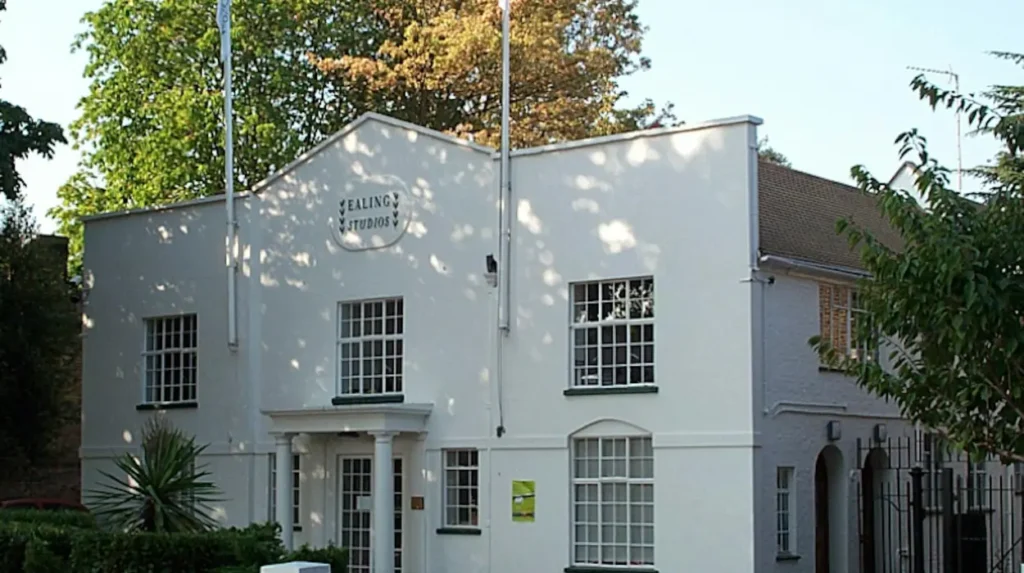
Attenborough’s wider connection with British film history helps explain the importance of West London as a cultural location. Ealing Studios, situated in Ealing, is one of the most significant historic film studios in the United Kingdom. It became particularly famous for a series of British comedies produced during the 1940s and 1950s.
The studio’s films helped establish a distinctive tradition of British screen comedy. Titles such as Kind Hearts and Coronets (1949), The Lavender Hill Mob (1951) and The Ladykillers (1955) remain central to its history.
Ealing’s identity as a film centre has encouraged associations between the borough and generations of actors, directors, writers and technicians. A professional connection to Ealing Studios, however, should not be presented as proof that a particular performer lived in Ealing.
Why Richmond and Chiswick attract screen professionals
Richmond and hounslow/chiswick/">Chiswick offer residential streets, parks, riverside environments and transport links to central London. These features make them established residential areas for professionals working across the capital.
Their cultural appeal extends beyond individual celebrities. Richmond has theatres, historic buildings and extensive open spaces, while Chiswick has a mixture of period houses, independent businesses and established neighbourhood centres.
Film and television workers often need access to production facilities throughout London and beyond. West London’s transport network supports this working pattern, although the residential choices of individual actors depend on personal circumstances and change over time.
For readers researching a particular actor, the strongest evidence comes from published interviews, authorised biographies, historic newspaper reports and records that identify both the property and the period of residence.
Which famous writers and literary figures lived in West London?
West London has important literary connections through writers associated with Notting Hill, Kensington, Chiswick and surrounding neighbourhoods. Its residential streets, publishing networks and cultural institutions have formed part of the working and personal lives of authors across different historical periods.
George Orwell and Notting Hill
George Orwell, born Eric Arthur Blair in 1903, was an English novelist, essayist and journalist best known for Animal Farm and Nineteen Eighty-Four. His writing explored political power, inequality, propaganda and social conditions.
Orwell lived at different addresses during his life, and his London connections include the wider area around Notting Hill. His experiences of poverty and urban life informed works such as Down and Out in Paris and London, published in 1933.
His literary importance is relevant to West London because the area’s neighbourhoods have experienced significant social and demographic changes. Notting Hill, for example, developed from a residential district into an internationally recognised area associated with cultural diversity, independent businesses and the annual Notting Hill Carnival.
Orwell’s biography should be consulted for precise address-level claims, as his life involved numerous moves and periods spent outside London. His literary connection to an area should not be confused with uninterrupted residence there.
Literary culture in Kensington and Chelsea
Kensington and Chelsea have a long association with London’s intellectual and literary life. The boroughs contain historic institutions, museums, bookshops and residential streets connected to writers, artists and publishers.
The Victoria and Albert Museum in South Kensington, established in 1852 as part of the development of Britain’s national museum system, documents art and design across historical periods. Nearby cultural institutions have contributed to an environment in which writers and other creative professionals work, research and participate in public events.
The area’s literary significance also comes from its place within London as a whole. Publishers, newspapers, libraries and theatres have historically concentrated in the capital, allowing writers to access editors, audiences and professional networks.
When identifying individual authors who lived in West London, researchers should verify the relevant address and dates through biographical dictionaries, archival catalogues and institutional records. This approach avoids attributing a famous London address to a writer who only visited or worked nearby.
Why West London remains relevant to writers
West London continues to provide access to libraries, museums, literary events and publishing organisations. Kensington’s cultural institutions, Chiswick’s residential character and the wider region’s transport links support different forms of creative work.
Modern writers also benefit from cafés, independent bookshops, community venues and public spaces. These features help explain the area’s continuing role in London’s creative economy, although they do not establish a particular author’s residence.
The literary history of West London therefore combines documented personal connections with a wider cultural infrastructure that supports research, publication and public discussion.
Which famous artists and cultural figures are associated with West London?
West London’s artistic reputation comes from its museums, galleries, historic buildings and creative communities. Kensington, Chelsea and nearby districts have supported artists, designers, curators and cultural organisations that shaped Britain’s visual arts and public heritage.
Artists, designers and the Chelsea connection
Chelsea has a longstanding association with artists, writers and designers. Its location beside the River Thames, historic streets and cultural institutions contributed to its development as a recognised creative district.
The Chelsea Arts Club, founded in 1891, reflects the neighbourhood’s historical relationship with the arts. The club developed as a social and professional setting for artists and other creative figures. Its history demonstrates how cultural networks can influence a neighbourhood’s reputation across generations.
Chelsea’s artistic identity also connects with the wider development of London galleries and art markets. Artists and collectors have used the capital’s exhibition spaces, auction houses and museums to present and acquire work. These institutions help explain the relationship between residential neighbourhoods and professional art careers.
Not every artist associated with Chelsea maintained a permanent home there. Some attended events, exhibited work or belonged to local organisations. Confirmed residence requires separate evidence.
Kensington’s museums and cultural institutions
Kensington is home to major museums and institutions that attract artists, researchers and cultural professionals. The Natural History Museum, the Science Museum and the Victoria and Albert Museum form part of South Kensington’s museum district.
The Natural History Museum opened to the public in 1881 in its purpose-built building. The Science Museum developed as a separate institution during the twentieth century, while the Victoria and Albert Museum traces its origins to the Great Exhibition of 1851 and the museum established in 1852.
These institutions contribute to West London’s international cultural profile through collections, exhibitions, education and research. Their influence extends beyond tourism: museums also support curators, conservators, designers, historians and other specialists.
The concentration of cultural institutions helps explain why Kensington appears frequently in discussions of London’s creative history. However, working at a museum or attending an exhibition does not demonstrate that a cultural figure lived in the neighbourhood.
Cultural heritage beyond celebrity homes
West London’s heritage includes listed buildings, historic parks, museums and sites associated with music, film and literature. These places provide evidence of how the region developed and why particular neighbourhoods became culturally significant.
Historic England, the public body responsible for maintaining England’s National Heritage List for England, provides information about listed buildings and protected sites. Its records help researchers distinguish verified historical facts from popular claims about celebrity addresses.
Local archives and borough heritage services also preserve photographs, planning records, maps and historical documents. These sources support accurate accounts of former residents and the buildings connected to their lives.
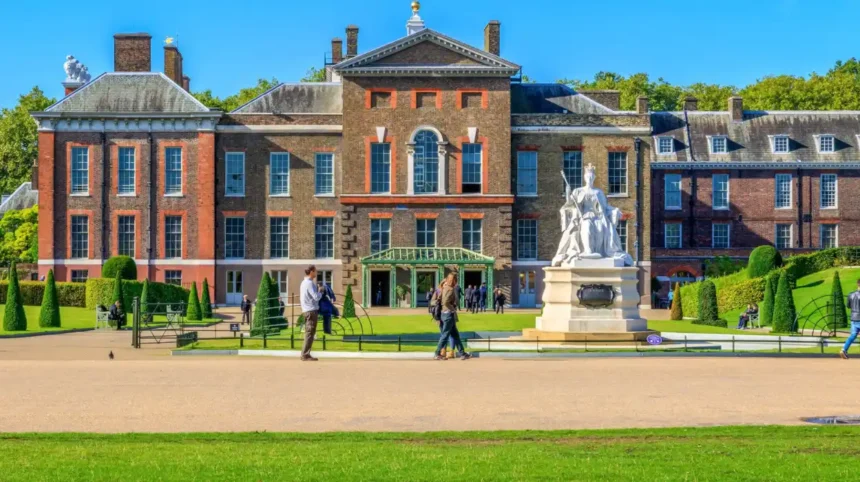
Kensington Palace is one of West London’s best-known royal residences, with a history spanning several centuries. Its residents have included monarchs, princes, princesses and members of the modern Royal Family, connecting Kensington with Britain’s royal heritage.
Kensington Palace and its royal residents
Kensington Palace stands in Kensington Gardens and has served as a royal residence since the late seventeenth century. William III and Mary II established it as a royal home in 1689 after acquiring Nottingham House, which was subsequently expanded into a palace.
The palace has accommodated members of the Royal Family across successive generations. According to Historic Royal Palaces, Princess Margaret and Lord Snowdon lived there with their family from the 1960s. Prince William and Catherine, Princess of Wales, also lived at Kensington Palace after their marriage in 2011, before moving to their later family residence.
Kensington Palace’s royal history is documented through its official collections, historical records and exhibitions. These resources help explain the changing role of royal residences, from centres of court life to homes associated with public-facing members of the monarchy.
The palace remains an important heritage destination in West London. Visitors can explore designated historic rooms, exhibitions and gardens, subject to the site’s opening arrangements.
Why royal residences matter to West London’s identity
Royal residences have influenced the development of nearby streets, gardens and public spaces. Kensington Gardens and neighbouring Hyde Park form part of London’s major historic green spaces, while the surrounding district contains museums, residential buildings and cultural institutions.
The presence of a royal palace also affects how a neighbourhood is understood internationally. Kensington is recognised for its royal connections as well as its architecture and museums. However, royal residence should be treated separately from the private homes of actors, musicians and other celebrities.
Historic Royal Palaces provides authoritative information about Kensington Palace’s residents and history, making it a useful starting point for readers seeking verified details about royal connections to West London.
Which famous business leaders and entrepreneurs have connections to West London?
West London has attracted business leaders and entrepreneurs through its residential districts, international transport links and access to London’s financial and creative industries. Richard Branson is one example of a prominent entrepreneur whose wider London business connections illustrate this relationship.
Richard Branson and London’s business culture
Richard Branson is a British entrepreneur best known for founding the Virgin Group, whose businesses have operated across sectors including travel, entertainment and telecommunications. He established Virgin Records in 1972, beginning a business career that later expanded into multiple industries.
Branson’s career is connected to London’s commercial and creative environment, where music companies, financial services, advertising agencies and technology businesses operate. West London forms part of this wider economic network through its offices, studios, retail districts and transport infrastructure.
However, a business relationship with London does not automatically establish that an entrepreneur has maintained a home in a particular West London neighbourhood. Specific claims about a former residence require reliable evidence, such as a published interview, authorised biography or property record.
Why entrepreneurs choose London’s western districts
West London provides access to Heathrow Airport, major railway connections and the commercial centres of central London. These transport links support businesses whose owners and employees travel internationally or work across multiple locations.
The region also contains established professional communities. Kensington and Chelsea are recognised for high-value residential property, while areas such as Chiswick, Ealing and Hammersmith combine residential neighbourhoods with offices, studios and local commercial centres.
The business community contributes to the area’s economic diversity. Entrepreneurs, company directors, media executives and creative-industry founders form part of the wider population, even when their personal addresses are not publicly documented.
For an evergreen article, the most reliable approach is to identify an entrepreneur’s confirmed connection to West London rather than label every prominent London businessperson a local resident.
Which famous sportspeople are associated with West London?
West London has a strong sporting identity because it contains established football clubs, training facilities and major sporting venues. Chelsea FC, Fulham FC and Queens Park Rangers connect the region with professional football and internationally recognised players.
Chelsea Football Club and its famous players
Chelsea Football Club was founded in 1905 and plays its home matches at Stamford Bridge in Fulham, close to the boundary with Chelsea. The club has developed an international following through domestic league competitions and European football.
Players associated with Chelsea include former captain John Terry, midfielder Frank Lampard and winger Eden Hazard. Their professional careers connect them to West London through matches, training and the club’s history.
A player’s association with Chelsea FC does not necessarily mean that the player lived in the borough of Kensington and Chelsea. Professional footballers often live in different parts of Greater London or outside the capital. Confirmed residential information should be distinguished from club membership.
Fulham FC and Queens Park Rangers
Fulham Football Club was founded in 1879 and plays at Craven Cottage, beside the River Thames in Fulham. The club’s historic ground contributes to the area’s sporting identity and attracts supporters from across London and beyond.
Queens Park Rangers, commonly known as QPR, is another established West London football club. Its home ground, Loftus Road, is in Shepherd’s Bush. The club has a long history in English professional football and forms part of the area’s local sporting culture.
Both clubs connect West London with players, managers, supporters and football-related businesses. Their influence extends into neighbourhood identity, match-day activity and local commerce.
How football shapes West London’s public profile
Professional football increases the international visibility of West London. Matches bring visitors to local pubs, restaurants, transport hubs and retail businesses, while club histories provide a source of community identity.
Footballers also attract media attention because of their salaries, sponsorships and private lives. Nevertheless, claims about a player’s home address should rely on credible reporting and respect privacy. A club’s stadium location is public information; an individual’s current residence is a separate matter.
Which West London locations are most closely associated with famous residents?
Kensington, Chelsea, Richmond, Ealing, Hammersmith and Fulham have different connections to prominent residents and cultural history. Kensington is associated with royal and musical heritage, Chelsea with artistic culture, and Ealing with British film production.
Kensington: royal history and music
Kensington is one of West London’s most recognisable historic districts. Kensington Palace connects the neighbourhood with royal residents, while Freddie Mercury’s former home at Garden Lodge provides a documented link to modern music history.
The area’s museums, period buildings and established residential streets also contribute to its cultural significance. Kensington combines historic landmarks with private homes, commercial streets and public gardens.
Chelsea: art, literature and historic homes
Chelsea has a longstanding association with artists, writers, designers and prominent residents. Its historic streets and riverside setting contributed to its development as a recognised cultural neighbourhood.
Author Agatha Christie also had documented connections to Chelsea property. Her residences across London formed part of a wider pattern of property ownership throughout her life. Her best-known homes were not confined to West London, so each address needs to be considered individually.
Chelsea’s cultural identity continues through its galleries, historic institutions and independent businesses. The neighbourhood’s reputation reflects both its artistic history and its changing residential population.
Richmond: riverside living and green spaces
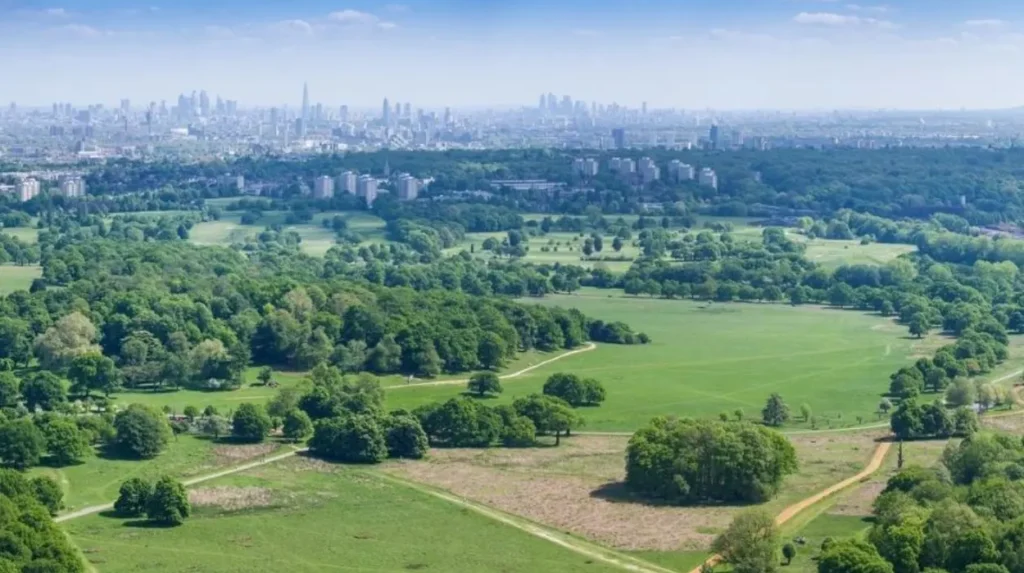
Richmond is known for its riverside setting, historic town centre and access to extensive green space. Richmond Park, managed by The Royal Parks, covers approximately 2,500 acres and is a National Nature Reserve as well as a Grade I-listed historic park.
These features distinguish Richmond from the denser central districts of West London. Its combination of residential streets, parks and transport connections has attracted people working in different professional fields.
The wider Richmond area also includes the Royal Botanic Gardens, Kew, a UNESCO World Heritage Site. Its scientific collections, historic landscape and botanical research contribute to the area’s international profile.
A person’s connection to Richmond should still be established through biographical evidence rather than inferred from the area’s general reputation.
Ealing: a centre of British film history
Ealing has one of the clearest documented connections to the British entertainment industry through Ealing Studios. The studio’s history dates to 1902, and it became especially prominent during the post-war period, producing films such as Kind Hearts and Coronets (1949) and The Ladykillers (1955). <Cite refs={[“turn220970search0″,”turn220970search2”]}/>
The studio has also supported more recent productions, including Notting Hill, The Darkest Hour and Downton Abbey. Its continued use demonstrates that Ealing’s connection to screen entertainment extends beyond its historical reputation. <Cite refs={[“turn220970search2″,”turn220970search6”]}/>
Ealing’s film heritage is therefore grounded in a long-running production institution rather than celebrity residence alone. The studio offers a useful starting point for understanding the actors, directors, writers and production professionals associated with the borough.
Hammersmith and Fulham: music and football
Hammersmith has a recognised history of live entertainment, particularly through the Eventim Apollo, a major performance venue. Fulham is associated with professional football through Craven Cottage and its riverside location.
Together, these neighbourhoods demonstrate how entertainment and sport contribute to West London’s public identity. They attract performers, athletes, audiences and media professionals, although participation in an event does not establish permanent residence.
Explore More Area Guide
Notable People from West London: Famous Stars and Historic Figures
West London Railway History: From 1844 to HS2
How can readers verify whether a celebrity really lived in West London?
The most reliable way to verify a famous resident is to compare authoritative biographies, historical property records, institutional archives and reputable reporting. Researchers should establish the person’s exact address, the period of residence and whether the connection represents a home, workplace or temporary visit.
Use official and historical sources
Historic England’s National Heritage List for England provides information about listed buildings and historic sites. Local authority archives can supply additional evidence about building histories, while museums and heritage organisations publish biographies and records connected to notable residents.
For example, Historic Royal Palaces documents the history of Kensington Palace and its royal occupants. Ealing Studios publishes information about its production history, while Handel Hendrix House documents the London residences associated with George Frideric Handel and Jimi Hendrix. <Cite refs={[“turn220970search9″,”turn220970search0″,”turn220970search8”]}/>
These sources are particularly valuable because they identify specific places and explain their historical significance. They also help distinguish a documented residence from a broader professional association.
Distinguish residents from visitors and performers
A famous person can be associated with a neighbourhood in several ways. Someone might have owned a home there, rented a property for a period, worked at a nearby studio, performed at a venue or attended an event.
These relationships are not interchangeable. Freddie Mercury’s Kensington home is a documented residential connection, while Jimi Hendrix’s former flat at Brook Street is in Mayfair, outside West London. Ealing Studios, by contrast, establishes a production connection for many performers without proving that they lived in the borough. <Cite refs={[“turn220970search54″,”turn220970search8″,”turn220970search0”]}/>
Accurate writing identifies the type of association and avoids presenting an unverified address as fact.
Respect privacy when researching celebrity homes
Historic residences can be important cultural landmarks, but they are not necessarily public attractions. Some former celebrity homes remain privately owned and occupied.
Readers should use official visitor information when a property operates as a museum or heritage attraction. They should avoid trespassing, photographing private interiors or disturbing current residents.
A responsible account of famous West London residents combines historical accuracy with respect for privacy. It explains why a location matters without encouraging unwanted attention towards people who live there today.
Why do famous residents remain important to West London’s identity?
Famous residents contribute to West London’s cultural identity by connecting neighbourhoods with music, film, literature, sport and royal history. Their documented lives also help preserve local heritage, attract cultural interest and explain how the region has developed across different generations.
West London’s reputation is built on more than celebrity property. Kensington Palace reflects centuries of royal history, Ealing Studios documents the development of British cinema, and Chelsea’s cultural institutions illustrate the area’s longstanding artistic associations.
These connections give residents and visitors ways to explore the region’s past. Historic buildings provide physical evidence, while biographies, archives and museum collections explain the people and events associated with them.
The area’s modern identity also continues to evolve. Film and television production remains active at Ealing Studios, professional football continues to shape the public profile of Fulham and Shepherd’s Bush, and West London’s museums and historic parks attract visitors throughout the year.
For residents, learning about famous local figures offers a way to understand the history behind familiar streets and landmarks. For visitors, it provides a starting point for cultural exploration beyond the usual tourist attractions.
The most accurate picture of famous residents of West London comes from combining verified biographies with the region’s wider social and cultural history. By distinguishing actual residents from visitors, performers and professional associates, readers gain a clearer understanding of the people who have shaped West London and the places that preserve their legacy.
Who are the most famous residents of West London?
West London has been associated with famous figures from music, film, literature, sport and the Royal Family. Freddie Mercury, members of the Royal Family associated with Kensington Palace, and cultural figures connected to Ealing Studios feature in the area’s history.