


West London is one of the most important employment areas in Greater London. It combines major business districts, Heathrow Airport, industrial estates, creative production centres, hospitals, universities, retail destinations, logistics networks and growing technology clusters. The area provides employment across professional, technical, operational, creative and public-service occupations.
- Why is West London an important place to work?
- Which industries provide the most employment in West London?
- Where are the main employment areas in West London?
- What types of jobs are available in West London?
- What skills are employers looking for in West London?
- How can people find jobs in West London?
- Which qualifications and training routes are useful for West London jobs?
- How does transport affect working in West London?
- What is the future of work in West London?
- What should people consider before choosing a job in West London?
- How does West London support career development?
- What makes working in West London different from working elsewhere in London?
West London is commonly discussed through seven boroughs: Barnet, uk/local/brent/">Brent, Ealing, fulham/hammersmith/">Hammersmith & Fulham, Harrow, Hillingdon and Hounslow. Together, these boroughs form the core geography used by West London Business and the West London Alliance for local economic and skills planning.
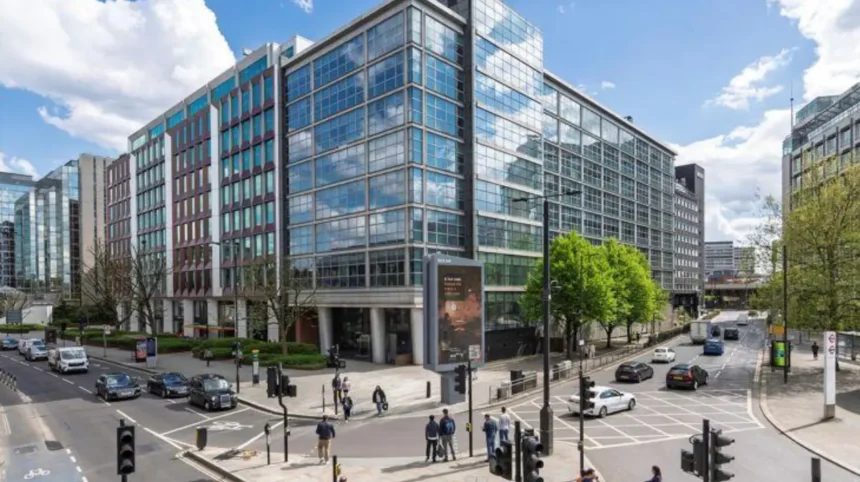
The area’s economy has a strong relationship with transport infrastructure. Heathrow Airport supports aviation, hospitality, logistics, retail, security and professional services. Park Royal is a major industrial and employment district. White City has developed into an important destination for media, education, science, technology and retail. Hammersmith has a substantial concentration of offices and professional services.
West London also has a large resident workforce and extensive connections with central London, the Thames Valley, Heathrow and surrounding parts of Greater London. These connections make the area important for both local employment and commuting.
Why is West London an important place to work?
West London is a major employment economy supported by Heathrow Airport, Park Royal, White City, professional services, health, retail, hospitality, logistics, manufacturing and creative industries, creating varied career opportunities across its seven boroughs.
West London’s economic importance comes from the combination of employment density, infrastructure and sector diversity. West London Business describes the area as a £70 billion economy and the largest economic cluster in the United Kingdom outside London’s Central Activity Zone.
The geography gives employers access to a large workforce. It also gives workers access to employment centres within West London and across London.
The area’s economic structure has changed significantly over time. Traditional manufacturing and industrial employment remain important, while office-based services, technology, creative industries, healthcare and education have expanded.
West London also benefits from its position between central London and the western transport corridor. Heathrow connects the area with international markets. Rail, Underground, road and bus networks connect employment centres with residential communities.
The West London Local Skills Improvement Plan identifies major local employment priorities. Its 2026 plan focuses on construction, creative media and screen industries, early years, food and drink manufacturing, health and social care, hospitality, life sciences, retail and transport and logistics. Digital and green infrastructure operate as cross-cutting skills areas.
This sector diversity means working in West London is not limited to office employment. Jobs range from airport operations and construction to nursing, teaching, software development, film production, hospitality, retail management and logistics.

Which industries provide the most employment in West London?
West London’s employment base includes health and social care, retail, transport and logistics, creative industries, hospitality, construction, manufacturing, life sciences and professional services, with digital and green skills increasingly supporting employment across multiple sectors.
Health and social care is one of the largest priority employment sectors identified in the 2026 West London skills plan. Employment includes hospitals, community healthcare, care services, administration, laboratory work and specialist professional roles.
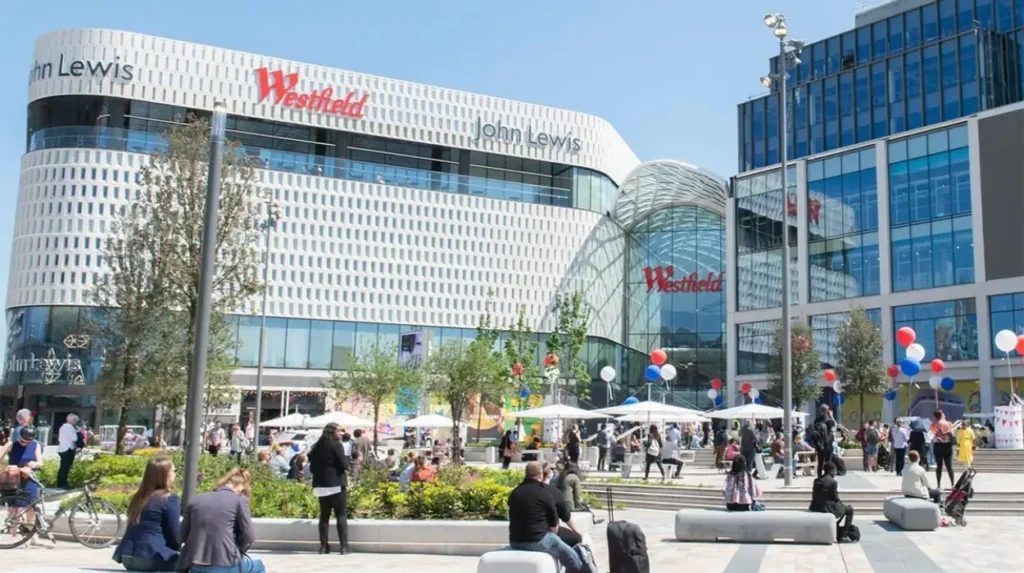
Retail is another major employer. Westfield London in White City is a major shopping and employment destination. Retail employment includes sales, customer service, visual merchandising, management, security, facilities and commercial operations.
Transport and logistics have a particularly strong presence because of Heathrow Airport and West London’s road and rail connections. Jobs include warehouse operations, freight handling, vehicle operations, supply-chain management, aviation support and logistics administration.
Creative, media and screen employment is concentrated in areas such as White City and surrounding parts of Hammersmith & Fulham and Ealing. The sector includes television production, film, digital media, advertising, production management, technical production and creative services.
Hospitality provides employment in hotels, restaurants, catering businesses, visitor services and event operations. Heathrow strengthens this sector through international passenger demand and associated business activity.
Manufacturing remains relevant, particularly food and drink manufacturing. West London’s industrial areas support production, distribution, engineering and technical employment.
Construction supports both development and infrastructure. Employment covers skilled trades, site management, surveying, project management, engineering and building services.
Life sciences and innovation represent a developing employment area. The 2026 West London plan identifies life sciences as strategically important and includes plans for a dedicated Life Sciences & Innovation Skills Hub.
Where are the main employment areas in West London?
The main employment locations include Heathrow and surrounding Hillingdon and Hounslow, Park Royal, White City, Hammersmith, Ealing, Wembley, Brent and other town centres where offices, industrial premises, retail destinations and public services operate.
Heathrow is one of West London’s most important employment locations. The airport economy extends beyond aviation itself. It supports passenger services, cargo, engineering, security, hospitality, retail, transport, cleaning, catering and business services.
Park Royal is another major employment district. Located mainly within the London Borough of Brent and extending into surrounding areas, Park Royal contains industrial, logistics, food production, creative and commercial businesses. Its location provides direct access to major road networks and London’s wider market.
White City has a different economic profile. The area combines retail, media, education, research, technology and office employment. Westfield London is a major retail destination, while nearby institutions contribute to the area’s research and innovation economy.
Hammersmith is an established office and business centre. Employment includes professional services, communications, technology, media and corporate functions.
Ealing functions as a major west London town centre and transport hub. Employment includes retail, education, healthcare, professional services, hospitality and local government.
Wembley and Brent contain large-scale retail, entertainment, event and commercial activity. The area also benefits from Wembley Stadium and major redevelopment around Wembley Park.
Harrow provides employment in education, healthcare, professional services, retail and local businesses. Its town centre and transport connections support employment across northwest London.
Hounslow and Hillingdon contain employment linked to Heathrow, logistics, retail, public services, manufacturing and business services.
What types of jobs are available in West London?
West London offers professional, technical, skilled, administrative, operational and entry-level employment, including roles in healthcare, logistics, retail, hospitality, construction, media, technology, manufacturing, aviation, education, administration, customer service and professional services.
Professional employment includes accountants, lawyers, project managers, consultants, marketing specialists, finance professionals, human resources specialists and business analysts.
Technology employment includes software developers, IT support specialists, data professionals, cybersecurity specialists and digital project staff. Digital skills increasingly apply across sectors rather than only within technology companies.
Healthcare employment includes doctors, nurses, allied health professionals, healthcare assistants, administrators, laboratory staff and social care workers.
Construction provides roles for electricians, plumbers, carpenters, bricklayers, engineers, surveyors, site supervisors, project managers and construction administrators.
Transport and logistics provide operational and managerial employment. Examples include warehouse operatives, delivery drivers, freight coordinators, supply-chain planners, airport operations staff and transport managers.
Retail employment includes sales assistants, supervisors, store managers, stock controllers, merchandising staff and customer-service professionals.
Hospitality includes chefs, kitchen staff, front-of-house employees, hotel workers, event staff and hospitality managers.
Creative employment includes producers, editors, camera operators, production assistants, designers, writers, technicians and digital-content professionals.
Entry-level employment is also available across retail, hospitality, customer service, logistics, administration and support services. These roles provide routes into employment for people entering the labour market or changing careers.
What skills are employers looking for in West London?
West London employers increasingly seek technical skills alongside digital capability, communication, customer service, problem-solving, workplace readiness and sector-specific qualifications, while construction, healthcare, logistics, creative industries, hospitality and technology require increasingly specialised occupational skills.
The West London Local Skills Improvement Plan provides an employer-led framework for identifying skills requirements. The 2026 plan places emphasis on matching education and training with local employer demand.
Digital capability is a cross-cutting requirement. Basic digital skills support administration, retail, hospitality, healthcare and logistics. Advanced digital skills support software development, cybersecurity, data analysis and artificial intelligence.
Communication remains important across customer-facing and professional occupations. Employers require workers to communicate with colleagues, customers, clients and suppliers.
Technical qualifications are important in sectors such as construction, engineering, healthcare and logistics. Apprenticeships, college qualifications and sector-specific training provide structured routes into these occupations.
Green skills are becoming more relevant as employers respond to energy efficiency, environmental regulation, low-carbon infrastructure and sustainability requirements. Construction and infrastructure projects increasingly require knowledge of energy performance and environmental standards.
The 2026 West London skills plan also identifies the need for stronger work-readiness skills among young people. These include workplace communication, professional behaviour, digital capability and understanding of career pathways.
Workers with transferable skills can move between related sectors. Customer-service experience, for example, transfers between retail, hospitality, travel and business services. Digital administration skills transfer between healthcare, education, logistics and professional services.
How can people find jobs in West London?
People can find West London jobs through employer career pages, recruitment agencies, public employment services, professional networks, college careers teams, apprenticeship providers, job fairs and local skills programmes linked to priority employment sectors.
Online recruitment is a major route into employment. Candidates should search by occupation and location rather than using only broad terms such as “West London jobs.”
Employer websites provide direct access to vacancies. Large organisations in healthcare, aviation, retail, education, transport and professional services commonly maintain dedicated careers portals.
Recruitment agencies provide another route, particularly for administration, logistics, hospitality, construction, temporary work and specialist professional employment.
Jobcentre Plus supports people seeking employment and provides access to government employment services. Local employment support can also connect jobseekers with training and employer opportunities.
Colleges and universities provide careers services, employer events and apprenticeship information. These services are particularly relevant to students and recent graduates.
West London’s skills infrastructure is becoming more coordinated. The 2026 Local Skills Improvement Plan includes recruitment fairs, stronger links between Jobcentre Plus and employers, and employer-focused training.
A targeted job search is more effective than applying indiscriminately. Candidates should match their CV to the requirements of each occupation, identify required qualifications and demonstrate relevant experience.
Professional networking also has a role. Industry events, recruitment fairs, training sessions and employer engagement programmes create opportunities to understand local labour demand and meet organisations.
Which qualifications and training routes are useful for West London jobs?
Useful routes include university degrees, college qualifications, apprenticeships, vocational certificates, professional qualifications, Skills Bootcamps and employer training, with the appropriate route depending on the occupation, entry requirements and level of technical specialisation.
University education remains important for professions requiring degree-level qualifications. Examples include medicine, teaching, engineering, finance, law and many specialist technology occupations.
Further education provides practical and technical routes. Colleges across West London offer qualifications connected to construction, health, hospitality, business, engineering, digital skills and other employment areas.
Apprenticeships combine paid employment with structured learning. They provide routes into skilled occupations while allowing participants to gain practical experience.
Skills Bootcamps provide shorter, employment-focused training in selected occupational areas. They are particularly relevant to adults seeking new skills or career changes.
Professional qualifications support progression after initial employment. Examples include accounting qualifications, project-management credentials and sector-specific certifications.
The West London skills strategy places emphasis on aligning training with actual employer demand. This approach reduces the gap between classroom learning and workplace requirements.
People changing careers should identify the qualification level required before enrolling on a course. Some occupations require statutory registration or specific professional certification. Others place greater emphasis on demonstrable experience and technical competence.
Employers also provide internal training. Large organisations frequently operate structured induction, compliance, technical and management development programmes.
How does transport affect working in West London?
Transport is a major factor in West London’s employment geography because the area is connected by the Underground, Elizabeth line, railways, buses, major roads and Heathrow Airport, allowing workers to reach employment centres from across London and beyond.
The Elizabeth line has strengthened east-west connectivity across London. Stations including Ealing Broadway, Acton Main Line, Southall, Hayes & Harlington and Heathrow connect western communities with central and eastern London.
The London Underground provides additional connections. The Central, District, Piccadilly, Metropolitan and Jubilee lines serve different parts of West London and connect residential districts with employment centres.
National Rail services provide connections toward central London, Berkshire, Buckinghamshire and other parts of southeast England.
Bus services remain important for local journeys between residential areas, town centres, industrial estates and transport interchanges.
Road infrastructure is particularly important for logistics and airport employment. The M4, M25, A40 and other major routes support freight, commuting and business travel.
Transport access affects job choice because commuting time influences the practical distance between homes and workplaces. Workers often search for vacancies around accessible transport corridors rather than considering borough boundaries alone.
Employers also benefit from good transport connections because they can recruit from a wider labour market.
The importance of transport is particularly clear in logistics, aviation, hospitality and shift-based employment, where working hours do not always match standard office schedules.
What is the future of work in West London?
West London’s future employment growth is closely connected with digital technology, life sciences, creative production, green infrastructure, advanced logistics, healthcare, construction and changing skills requirements across established industries.
Digital transformation is changing the tasks performed in many occupations. Artificial intelligence, automation, data systems and digital customer services are increasingly used across business sectors.
Life sciences represents an emerging strategic opportunity. West London has research, education and innovation assets that support the development of specialist scientific and technical employment.
Creative and screen industries remain important as production, media technology and digital content continue to develop. Training and employer partnerships are designed to improve access to these careers.
Green infrastructure is another future-facing area. The transition toward lower-carbon buildings, transport systems and energy use requires technical skills across construction and engineering.
Logistics is also evolving. Online retail, supply-chain technology and international trade require increasingly sophisticated distribution systems.
Healthcare demand remains significant because hospitals, community services and care providers require a large workforce with a broad range of qualifications.
The 2026 West London Local Skills Improvement Plan identifies nine priority sectors and two cross-cutting enablers. Together, these areas account for 63.9% of employment in West London according to the plan.
The strategy also includes new and developing Skills Hubs covering areas such as digital, life sciences and innovation, alongside established hubs for construction, health and social care, food and drink manufacturing, retail, and transport and logistics.
What should people consider before choosing a job in West London?
People choosing West London employment should compare salary, qualifications, transport, working hours, progression, training, workplace location and sector demand, because these factors determine the practical value and long-term career potential of individual employment opportunities.
Location should be considered alongside salary. A job with a higher salary can involve higher commuting costs or longer travel times.
Working hours are important in sectors such as aviation, hospitality, healthcare, retail and logistics. Shift patterns can differ substantially from standard office schedules.
Qualification requirements should be checked before applying. Some occupations require formal certification, while others provide training after recruitment.
Career progression is another important consideration. Candidates should examine whether an employer provides professional development, apprenticeships, management training or internal promotion.
Sector stability also matters. West London has a broad economic base, allowing workers to build transferable skills across related industries.
Transport accessibility should be assessed using the actual workplace location. Large employment districts such as Heathrow and Park Royal cover substantial areas, so the distance from a station or bus stop can vary considerably.
Training opportunities can improve long-term employability. The local skills system increasingly focuses on employer-led training and skills shortages.
For young people, apprenticeships and entry-level positions provide practical routes into sectors that traditionally require workplace experience. For experienced workers, professional qualifications and targeted technical training support career progression or occupational change.
Explore More Area Guide
West London Weekend Itineraries: Kew, Richmond & Kensington
Staycation Ideas in West London: Kew, Richmond & Hampton Court
How does West London support career development?
West London supports career development through employers, colleges, universities, Skills Hubs, apprenticeships, professional training, recruitment programmes and local skills partnerships designed to connect residents with changing employer requirements and higher-value employment opportunities.
Career development depends on both individual skills and access to suitable employment pathways. West London’s employer-led skills infrastructure is designed to improve that connection.
The West London Local Skills Improvement Plan is coordinated through collaboration between employers, education providers, local organisations and employment services. Its purpose is to make training more responsive to labour-market requirements.
The plan also identifies the importance of career awareness. People need accurate information about available occupations, entry requirements and progression routes before choosing training.
Skills Hubs provide sector-specific links between employers and training providers. They support areas including construction, retail, logistics, food and drink manufacturing, health and social care, and emerging fields such as life sciences and digital technology.
Universities and colleges contribute through higher education, technical education, apprenticeships, professional development and employer partnerships.
Career development also occurs within workplaces. Workers can progress from operational roles into supervisory positions and then into management or specialist occupations.
The scale and diversity of West London’s economy create opportunities for occupational mobility. Skills gained in one sector can provide a foundation for employment in another sector where similar capabilities are required.
What makes working in West London different from working elsewhere in London?
Working in West London combines metropolitan employment with major airport, industrial, creative, retail, healthcare and logistics economies, creating a labour market that extends beyond traditional central-London office employment and connects closely with surrounding regions.
Central London remains a major destination for finance, government, professional services and corporate employment. West London has a broader mix of workplace environments.
The presence of Heathrow creates an employment structure linked to international travel and trade. Park Royal provides a large industrial and logistics base. White City combines retail, media, education and innovation.
This diversity gives West London a distinctive employment profile. Workers can pursue careers without relying entirely on central London’s office economy.
The area also has strong links with the wider South East. Transport routes connect West London with locations in Berkshire, Buckinghamshire, Surrey and other parts of Greater London.
The result is an employment geography based on multiple centres rather than a single business district.
For residents, this creates different commuting options and career pathways. For employers, it creates access to a large and varied workforce.
West London’s future employment strategy is therefore focused on improving productivity, strengthening skills, supporting priority sectors and increasing access to good local jobs.
Working in West London encompasses a wide range of occupations, qualifications and working environments. Its employment economy combines established sectors with emerging opportunities in technology, life sciences, creative production and green infrastructure.
The most effective approach for jobseekers is to identify a target occupation, understand the required skills, evaluate transport access, use appropriate recruitment channels and build qualifications that match employer demand.
As West London continues to develop, employment opportunities will remain closely connected to infrastructure, skills, innovation and the area’s role as one of London’s largest economic clusters.
What are the main industries to work in West London?
West London has major employment opportunities in healthcare, retail, transport, logistics, aviation, hospitality, construction, manufacturing, creative industries, technology, life sciences and professional services.
![Pinner Rugby Club Warns Council Over Pitch Dispute in Harrow 2026]](https://westlondontimes.co.uk/wp-content/uploads/2026/09/Pinner-Rugby-Club-Warns-Council-Over-Pitch-Dispute-in-Harrow-2026-150x150.webp)