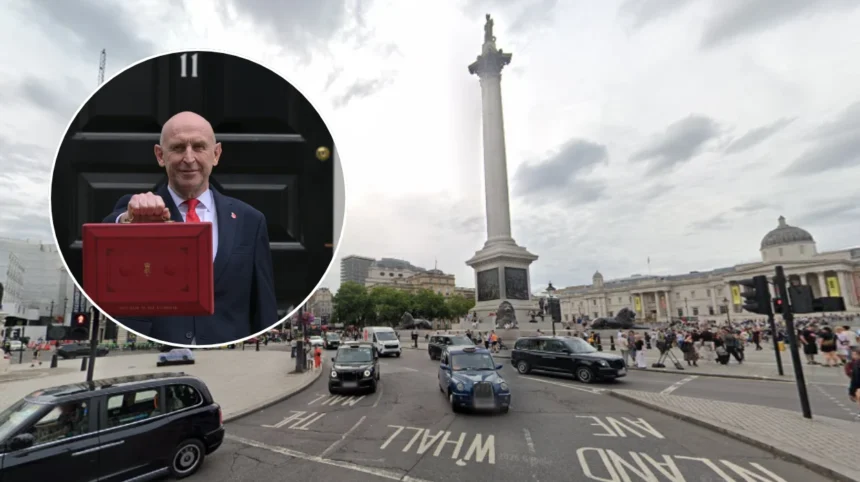
Key Points
- Main Minimum Wage Increase: Britain’s finance minister, John Healey, announced a 3.9 percent increase in the main minimum wage rate.
- Hourly Rate for Older Workers: The hourly wage for workers aged 21 and over is set to rise to £13.21 (projected from previous £12.71 / £13.20).
- Hourly Rate for Younger Workers: For workers aged 18 to 20, the minimum hourly rate will increase to £11.27 (up from £10.85).
- Policy Context: Between 2024 and 2026, the minimum wage for 18-to-20-year-olds increased significantly faster than that for older workers, continuing a trend established ahead of Labour’s 2024 election victory.
- Budget Timing: The announcements form a core component of Chancellor John Healey’s broader national Budget unveiled on October 28, 2026.
uk/london-news/">London (West London Times) October 28, 2026 – British finance minister John Healey has unveiled a 3.9 percent upward adjustment to the United Kingdom’s primary minimum wage rates, bolstering hourly pay for millions of adults and young employees alike amidst broader fiscal policy evaluations.
- Key Points
- What Are The Specific Changes To The United Kingdom Minimum Wage Rates Announced By Chancellor John Healey?
- How Does The Wage Adjustment Impact Younger Versus Older Employees Across The British Labour Market?
- What Reasons Did The Government Provide For Balancing Wage Increases Against Labour Market Pressures?
- Background of the Particular Development
- Prediction
What Are The Specific Changes To The United Kingdom Minimum Wage Rates Announced By Chancellor John Healey?
As reported by Reuters and published via Arab News, Britain’s finance minister, John Healey, officially announced a 3.9 percent increase in the main minimum wage rate during his budget presentation. Under the newly formulated adjustments, the statutory hourly wage for workers aged 21 and over will rise to £13.21. Meanwhile, for younger employees aged 18 to 20, the hourly rate will increase to £11.27, moving up from its previous baseline of £10.85.
The financial adjustments form a central pillar of the government’s economic strategy delivered on October 28, 2026. According to additional reporting cited by outlets such as the BBC and The Guardian, the National Living Wage for individuals aged 21 and older shifts upward from approximately £12.71 to £13.20–£13.21.
How Does The Wage Adjustment Impact Younger Versus Older Employees Across The British Labour Market?
As noted by market analysts and news agencies covering the fiscal announcements, the proposed increase for younger employees aged 18 to 20 represents a continuation of shifting wage structures within the UK economy. Between 2024 and 2026, the minimum wage for 18-to-20-year-olds increased significantly faster than that for older workers, maintaining a trajectory set ahead of the Labour Party’s 2024 election victory.
Despite these prior fast-paced hikes, financial observers pointed out that the government has maintained a measured approach to narrowing the gap between age brackets. Reports highlighted that the administration opted against an immediate and full equalization of pay between younger and older employees, balancing worker support with broader labor market pressures.
Explore more UK News:
Richmond Crisis Funding Drops Sharply In New UK Council Data Richmond 2026
Eleven Arrested at London Pro-Palestinian Marches UK 2026
What Reasons Did The Government Provide For Balancing Wage Increases Against Labour Market Pressures?
As detailed in financial reviews of the budget, government officials have defended a gradual approach to wage equalization. As outlined in reports from major media organizations, policymakers remain cautious of potential employment pressures that steep, sudden wage mandates might place on small and medium-sized enterprises. By implementing a 3.9 percent rise across the board rather than an aggressive convergence model, the Treasury aims to safeguard low-paid employment sectors while ensuring that living standards keep pace with underlying economic conditions.
Background of the Particular Development
The announcement of the 3.9 percent minimum wage increase builds upon a multi-year effort by the Labour government following its electoral victory in 2024. Since taking office, the administration has prioritized closing income disparities and uplifting lower-income households through statutory wage floors. In the preceding two years, structural adjustments saw wages for younger workers aged 18 to 20 escalate at a pace notably faster than the National Living Wage for older adults. However, persistent debates among economists, business leaders, and policymakers regarding corporate overheads, business competitiveness, and job retention have shaped a more calibrated fiscal strategy, culminating in Chancellor John Healey’s October 2026 budget announcements.
Prediction
This development will directly affect millions of low-wage workers across the United Kingdom by providing a tangible boost to their weekly take-home pay, helping cushion households against ongoing cost-of-living pressures. For employers—particularly in retail, hospitality, and service sectors—the mandated 3.9 percent rise in payroll costs will necessitate tighter operational budgeting and potential adjustments to staffing structures or consumer pricing. Furthermore, the decision to maintain a distinct pay scale for 18-to-20-year-olds rather than pursuing immediate equalization signals to businesses that the government intends to balance worker welfare with corporate sustainability, avoiding sudden labor market shocks while keeping long-term wage harmonization on the horizon.