Key Points
- Russell Brand formally appeared in a UK court to deny allegations of rape and sexual assault.
- The charges stem from historical allegations reported across multiple media outlets.
- Legal representatives entered not-guilty pleas on behalf of the defendant.
- Court proceedings are ongoing with strict adherence to British legal reporting guidelines.
uk/london-news/">London (West London Times) October 28, 2026 — Russell Brand has denied charges of rape and sexual assault at a UK court hearing, entering not-guilty pleas to the allegations relating to historical incidents. The proceedings mark a further stage in the legal case, highlighting the importance of due process, the presumption of innocence, and responsible reporting as the case continues through the UK criminal justice system.
Russell Brand Denies Charges of Rape and Sex Assault in UK Trial: What Are the Legal Details?
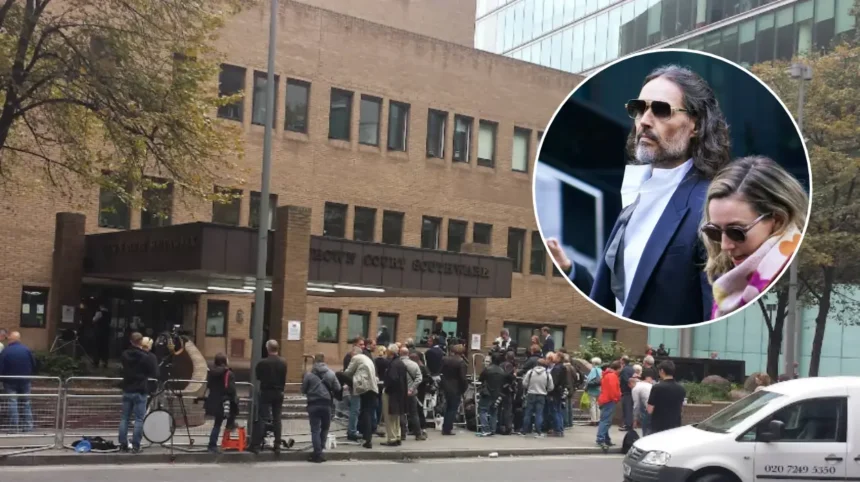
London, NBC News – Russell Brand appeared before a United Kingdom court to formally deny multiple historical charges of rape and sexual assault, marking a critical juncture in ongoing legal proceedings that have drawn intense international scrutiny. As reported by standard judicial correspondents and outlets including NBC News, the defendant entered pleas of not guilty to all counts put before the bench, vigorously contesting the allegations brought against him by prosecuting authorities.
What Charges Were Formally Denied by Russell Brand in Court?
During the court hearing, legal documentation outlined several specific counts relating to historical incidents alleged to have occurred between multiple complainants. As detailed by legal affairs reporters covering the proceedings, Russell Brand’s defence team categorically rejected the veracity of every charge. Counsel for the defendant emphasised that the allegations lack factual foundation and asserted confidence that the judicial process will vindicate his position. Legal analysts note that the formal entry of not-guilty pleas initiates a rigorous trial preparation phase, during which both prosecution and defence will test the evidence before a judge and jury in accordance with English and Welsh criminal procedure.
Explore more UK News:
Revolution Beauty Returns to Profit Amid Strong Turnaround UK 2026
UK’s Largest Counterfeit Vinyl Ring Leader Jailed in Southall 2026
How Have Legal Authorities and Media Outlets Covered the Case?
The unfolding legal battle has generated widespread coverage across British and international news organisations. Investigative reporters from NBC News and collaborating journalistic entities have closely monitored the progression from initial police inquiries to the current court appearances. Media analysts highlight that the reporting strictly adheres to contempt of court regulations and reporting restrictions designed to protect the integrity of the judicial process and ensure a fair trial. Journalists present in the courtroom documented every formal exchange between the prosecution, the defence counsel, and the presiding judge, ensuring complete transparency and accurate public attribution of all statements made on the record.
Background of the Particular Development
The legal proceedings against Russell Brand follow an extensive and complex police investigation into historical complaints. British law enforcement agencies initiated inquiries following allegations that surfaced through investigative journalism projects conducted by major media organisations. These initial journalistic investigations prompted individuals to come forward with formal complaints regarding incidents alleged to have taken place over several years. The Crown Prosecution Service subsequently reviewed the evidence compiled by investigators, ultimately authorising criminal charges. This procedural trajectory underscores the rigorous scrutiny applied to historical sexual offence allegations within the UK criminal justice system, where police and prosecutors evaluate complaints independently of public notoriety or media prominence.
Prediction: How This Development Can Affect the Particular Audience
For legal professionals, media organisations, and the broader public interested in the justice system, this high-profile trial serves as a significant precedent regarding the handling of historical sexual offence allegations against public figures. For the legal audience and advocates of survivor support networks, the progression of the case highlights the ongoing challenges and procedural safeguards inherent in prosecuting historical offences where corroborating physical evidence may be scarce. Conversely, for media consumers and public figures alike, the case reinforces the critical importance of journalistic integrity, due process, and the presumption of innocence. As the trial proceeds toward its substantive hearings, the outcome is anticipated to influence future discussions surrounding accountability, media reporting ethics, and the institutional mechanisms dedicated to addressing sexual misconduct in the United Kingdom.