Key Points
- Conservative Intervention: Three Conservative MPs sent a formal letter to Labour ministers urging immediate policy action regarding offshore energy security.
- Hostile Vessel Sightings: The call follows alarming reports of Russian vessels lingering close to critical energy pipelines and offshore installations around Scotland.
- Call for Critical Status: Conservative politicians have demanded that Scotland’s offshore energy assets be granted formal critical national infrastructure (CNI) status as a top priority.
- National Security Warnings: Lawmakers emphasized that energy security and national security are inextricably linked, urging the government to move past deferred promises.
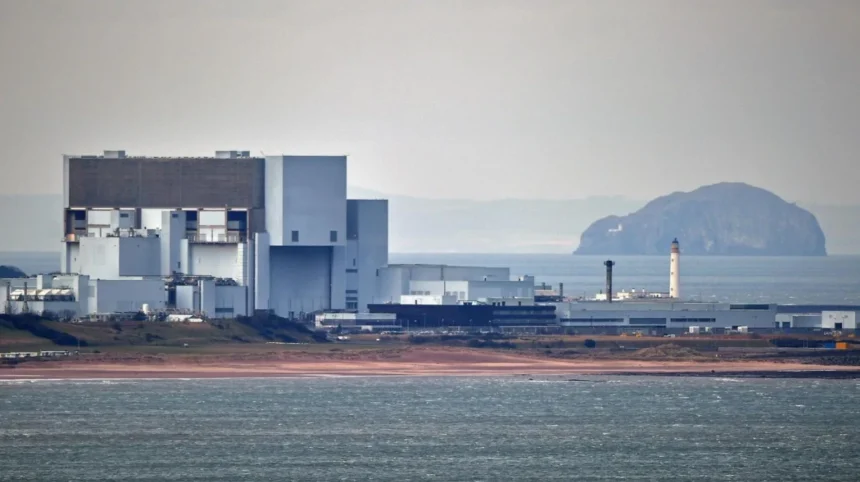
London UK (West London Times) November 4, 2026 — Energy assets situated off the coast of Scotland must be formally designated as critical national infrastructure as an urgent priority following troubling reports of foreign vessels monitoring domestic pipelines, according to parliamentary figures.
What Are the Key Demands Regarding Scotland’s Energy Infrastructure Security?
As reported by David Walker of the Scottish Daily Express, a collective of Conservative politicians has pressed Labour ministers to immediately reinforce protections for North Sea oil rigs, gas pipelines, and offshore wind farms. The political intervention follows mounting security concerns sparked by hostile or foreign ships—specifically Russian vessels—lingering near vital subsea energy arteries.
As highlighted by Andrew Bowie MP, as reported by David Walker of the Scottish Daily Express,
“National security and energy security go hand in hand.”
Furthermore, Bowie stated that
“protecting Britain’s vital infrastructure and giving energy assets critical national infrastructure status must be a priority, not another promise deferred until the next spending review.”
Why Are Lawmakers Urging Immediate Action on Offshore Assets?
The calls for heightened defense measures emerge from growing anxieties over the vulnerability of maritime energy grids. With critical subsea pipelines supplying significant portions of the United Kingdom’s power, lawmakers argue that current monitoring frameworks are insufficient against potential sabotage or espionage.
Adding to the parliamentary discourse, local Scottish representatives emphasized that the geographical concentration of green power and oil production requires a localized focus. As noted in coverage by The National and the Scottish Daily Express, advocates insist that Scotland’s energy infrastructure must receive the protective designation it deserves to safeguard both domestic supply chains and regional industry stability.
Background of the Particular Development
The push to reclassify Scotland’s energy installations stems from a broader, escalating geopolitical tension centered on European maritime security and subsea infrastructure vulnerabilities. Over recent years, intelligence agencies and parliamentary committees have raised repeated alarms regarding the activities of Russian “shadow fleets” and research vessels mapping Western undersea communications cables and gas pipelines. Because offshore wind farms, oil platforms, and gas pipelines span vast marine expanses that cannot be physically fenced off, they represent unique security challenges. The recent letters and statements from Conservative MPs build upon ongoing parliamentary inquiries into the resilience of the UK’s 13 designated critical national infrastructure sectors, highlighting a bipartisan anxiety over whether current naval surveillance and legal frameworks offer robust enough deterrence against hostile state interference.
Prediction
This political development is likely to increase pressure on the current UK Government to accelerate reviews of national security designations and bolster Royal Navy patrols across northern waters. For the domestic energy sector, including operators of North Sea oil and gas fields as well as emerging offshore wind developers, an official critical national infrastructure classification could translate into stricter mandatory security protocols, enhanced real-time subsea monitoring, and closer coordination between private energy firms and defense forces. While these measures would bolster physical protection against sabotage and foreign surveillance, they may also introduce higher regulatory compliance costs and operational complexities for energy companies operating in Scottish waters.