


Key Points
- Powers have been introduced by the police to deal with antisocial behavior in the Thamesmead location.
- Section 35 dispersal order has been introduced covering the Lesnes Estate location in the Abbey Wood locality.
- The order has become effective from 3:03 pm on September 18 and will continue up to 3:02 pm on September 20.
- Introduction of the temporary powers has been made possible through the approval by Inspector Jarman owing to continuing reports about disorder and antisocial behavior in the locality.
- Through the use of the powers under Section 35, police and PCSOs can direct those aged 10 years and above engaged in or may engage themselves in criminal activity.
- It has been advised that anyone disobeying the direction to move away may get arrested, and the parents need to watch the movements of their children.
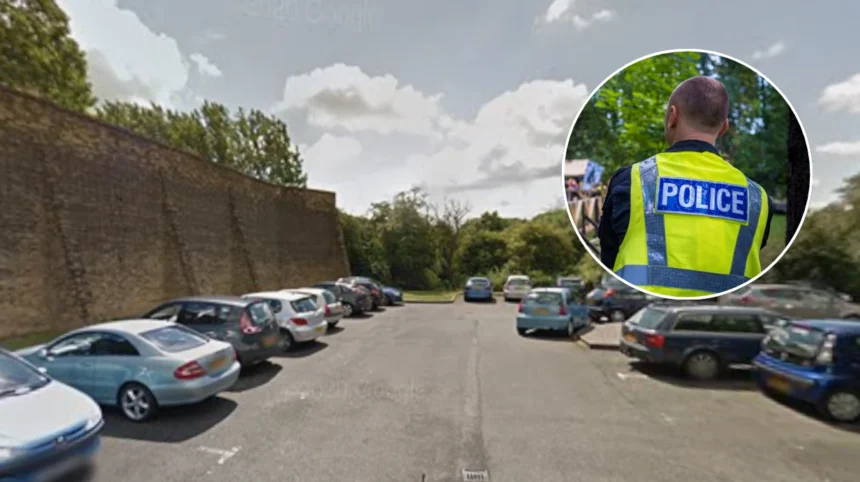
Thamesmead, (West London Times) September 19, 2026 – Police have been granted temporary enhanced powers to crack down on persistent antisocial behaviour and public disorder within the Thamesmead region. The enforcement covers a designated zone centered around the Lesnes Estate area in Abbey Wood. The restrictive measure was initiated following a formal authorisation process led by local policing teams to restore community safety.
What Are the Specific Timings and Boundaries of the Dispersal Order?
The emergency measure was officially greenlit to prevent further disruptions and safeguard local residents. Details shared by Bexley MPS indicate that the directive started at 1503 on September 18 and is set to expire at 1502 on September 20. The order blankets the Lesnes Estate area in Abbey Wood, giving patrolling officers the legal mandate to actively manage public spaces where trouble has been reported or is anticipated.
How Do Section 35 Powers Impact Individuals in the Area?
The legislation grants law enforcement officers distinct operational flexibilities to deal with disruptive elements swiftly. Police officers and designated Police Community Support Officers (PCSOs) possess the authority under Section 35 of the Anti-social Behaviour, Crime and Policing Act 2014 to address anyone aged 10 or older who is perceived to be engaging in antisocial behaviour, crime, or disorder.
Crucially, these powers do not solely apply after an incident has broken out. Officers can issue directions to leave if they reasonably believe that behavior could potentially lead to crime or disorder. Individuals who are ordered to vacate the perimeter must comply immediately or risk facing arrest and subsequent legal consequences.
Explore more UK News:
Revolution Beauty Returns to Profit Amid Strong Turnaround UK 2026
Urgent Search Continues For Missing Three-Year-Old Boy In Brantham UK 2026
What Advice Has Been Issued to Parents and Guardians?
In light of the active enforcement zone, local authorities have appealed directly to families and caregivers to take a proactive role. Parents and guardians have been strongly advised to speak directly with their children regarding their whereabouts, particularly during after-school hours. Police emphasized that youths simply present in an area where disorder is actively occurring risk being perceived as participants, which could inadvertently draw them into enforcement actions. Enhanced police patrols remain stationed throughout the zone for the duration of the order.
Background of the Particular Development
Section 35 dispersal orders stem from powers outlined under the Anti-social Behaviour, Crime and Policing Act 2014. They are commonly deployed by police forces across England and Wales as a preventative tactic to manage localized spikes in antisocial behaviour, youth-related disturbances, and public disorder without needing to resort immediately to larger-scale interventions.
In suburban London districts like Bexley and Thamesmead, localized pockets of low-level criminality or rowdy public gatherings occasionally necessitate these short-term ring-fenced zones. By restricting access or requiring individuals to leave a designated perimeter for up to 48 hours, police aim to defuse community tensions, protect local businesses, and deter repeat offending.
This implementation of a Section 35 dispersal order in the Thamesmead and Abbey Wood areas is expected to deliver an immediate, short-term calming effect on the Lesnes Estate by deterring groups from gathering and disrupting public peace. For the local community—including residents, school children, and local business operators—the heavy police presence and strict enforcement will likely provide temporary relief from intimidation and nuisance behavior.
However, while these tactical measures successfully suppress immediate disorder, they rarely solve the underlying social root causes of youth antisocial behaviour. Consequently, local stakeholders and community youth services may face renewed pressure to engage vulnerable youth groups constructively once the emergency powers expire to prevent a recurrence of the disturbances.