


Key Points
- An upmarket London borough, Richmond upon Thames, has been crowned the happiest place to live in Great Britain according to the latest nationwide findings.
- The study reveals that the average asking price for a home in the top-ranked borough stands at more than £1 million, specifically reaching £1,021,256 with an average monthly rent of £3,298.
- Across Great Britain, approximately four-fifths (81%) of survey respondents expressed overall contentment with their local areas.
- The top ten list features a diverse geographical spread, including Harrogate, Cirencester, Monmouth, Hove, Chorley, Skipton, Llandrindod Wells, Horsham, and Hexham.
- Local leadership attributes the success and high satisfaction levels to community pride, green spaces, and local public services.
London (West London Times) November 14, 2026 — An exclusive nationwide survey has unveiled the UK’s happiest towns and localities to call home, with the affluent London suburb of Richmond upon Thames securing the highly coveted number one position despite steep property values exceeding the million-pound mark.
- Key Points
- What Makes Richmond upon Thames The Happiest Place To Live In Britain?
- Which Other Towns And Cities Made The Top Ten Across Great Britain?
- How Do Regional Rankings Compare Across The Nations?
- Background of the Particular Development
- Prediction on How This Development Can Affect Homebuyers and Local Communities
What Makes Richmond upon Thames The Happiest Place To Live In Britain?
As reported by Chris Samuel of the Express, the latest findings highlight that an upmarket London suburb claimed top spot in the comprehensive index evaluating quality of life, community spirit, and local contentment. The study outlined that the average asking price for a residential property in the winning area sits at £1,021,256, alongside an average monthly rental cost of £3,298.
Commenting on the accolade, local representatives emphasized the deep-rooted pride residents take in their surroundings. As cited by Chris Samuel of the Express, local leadership stated:
“Above all, it is our people and communities that make special”.
Residents across the wider region similarly pointed toward well-maintained parks, exceptional local services, and a strong sense of safety as primary drivers behind their day-to-day wellbeing.
Which Other Towns And Cities Made The Top Ten Across Great Britain?
While the capital’s leafy southwestern borough secured the premier ranking, several other regional hubs and historic market towns captured high positions across the country. According to data published by the Express, the top ten locations encompass a varied mix of urban comforts and rural tranquility.
The full top ten list spans the following key areas alongside their respective property metrics:
- Richmond upon Thames, London: Average asking price of £1,021,256; average monthly rent of £3,298.
- Harrogate, Yorkshire and the Humber: Average asking price of £395,776; average monthly rent of £1,750.
- Cirencester, South West: Average asking price of £407,368; average monthly rent of £1,633.
- Monmouth, Wales: Average asking price of £366,782; average monthly rent of £1,395.
- Hove, South East: Average asking price of £476,115; average monthly rent of £2,086.
- Chorley, North West: Average asking price of £234,387; average monthly rent of £1,011.
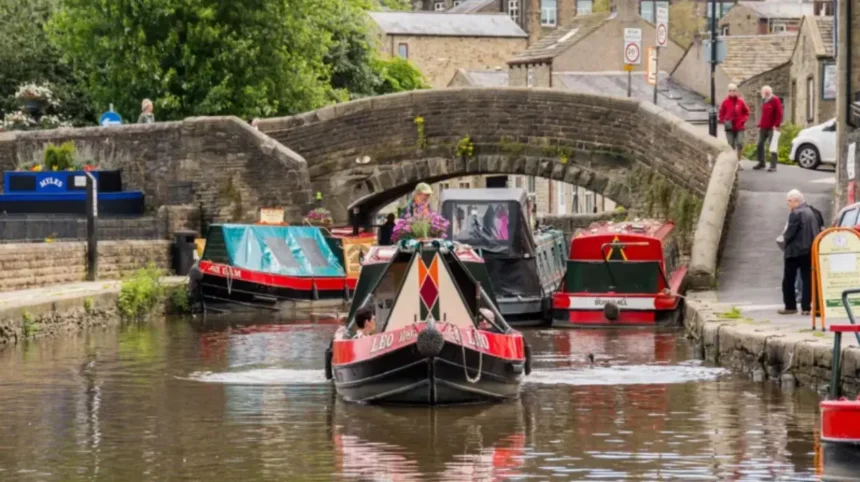
- Skipton, Yorkshire and the Humber: Average asking price of £304,033; average monthly rent of £1,110.
- Llandrindod Wells, Wales: Average asking price of £234,417; average monthly rent of £531.
- Horsham, South East: Average asking price of £470,577; average monthly rent of £1,933.
- Hexham, North East: Average asking price of £317,332; average monthly rent of £1,329.
How Do Regional Rankings Compare Across The Nations?
The research further detailed how individual regions and devolved nations performed within the broader national index. In the East Midlands, Loughborough secured regional leadership at position 45 nationally, followed by Chesterfield and Lincoln. Meanwhile, Woodbridge and St Albans led the East of England, while Hexham topped the North East, and Chorley claimed the leading spot in the North West.
Across the border in Scotland, Kirkcaldy emerged as a top performer, sitting alongside Perth and Inverness. In Wales, Monmouth and Llandrindod Wells secured high regional status, flanked by Anglesey and Swansea. The data illustrates a broad spectrum of contentment, proving that high life satisfaction is not strictly confined to high-value metropolitan sectors.
Background of the Particular Development
The annual sentiment and happiness metrics tracking British towns form part of a long-standing initiative designed to measure resident satisfaction, community cohesion, and economic confidence across UK localities. Over recent years, shifts in lifestyle preferences—accelerated by changing working patterns, an increased emphasis on mental wellbeing, and the value placed on accessible green spaces—have heavily influenced how communities score in nationwide indices. Local authorities and property market analysts closely monitor these studies to understand demographic movements, housing affordability pressures, and the socio-economic factors that foster resilient neighborhoods.
Prediction on How This Development Can Affect Homebuyers and Local Communities
This development is expected to heavily influence prospective homebuyers, property investors, and local municipal planners in the coming months. For prospective buyers and renters, the high visibility of top-ranked locations like Richmond upon Thames and Harrogate will likely sustain intense housing demand, potentially driving local property and rental values upward despite broader economic pressures. Conversely, more affordable entrants on the list, such as Chorley and Llandrindod Wells, may experience an influx of relocation interest from city dwellers seeking a better balance between cost of living and lifestyle quality. For local councils, securing a top ranking serves as a potent tool for tourism and economic development, though it places added pressure on municipal authorities to preserve local green spaces, manage infrastructure capacity, and address housing affordability for younger generations.