

Key Points
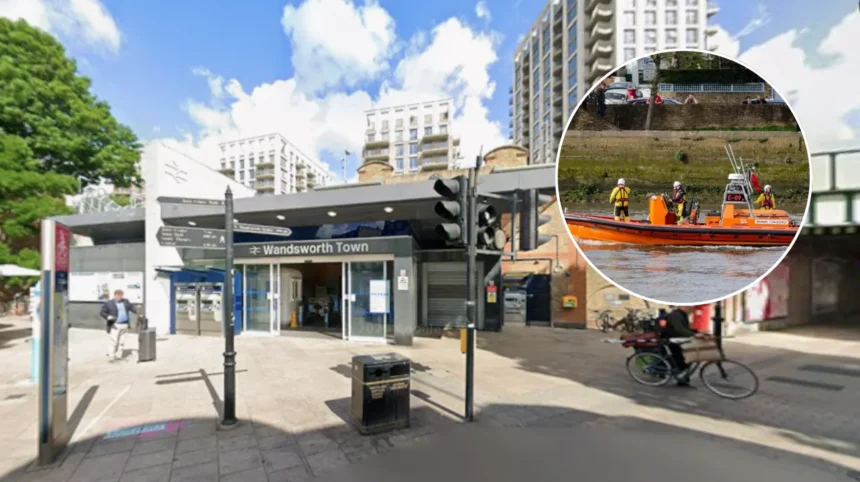
- Re-location: The lifeboat station run by the RNLI has finally relocated away from Chiswick Pier after nearly a quarter-century in operation from there, and has started operating from its new base in Wandsworth Riverside today on Tuesday 22nd September 2026.
- Coverage: In spite of the re-location southwards along the river, the teams would still operate on exactly the same stretch of the River Thames – between Battersea and Richmond.
- Faster Response Times: According to the RNLI, the new base would bring them closer to the locations of most incidents, which would help in reducing response times.
- Overcoming Over-Crowdedness: Previously, in the old base at Chiswick Pier, the RNLI teams had been sharing space with the Chiswick Pier Trust, where 60 volunteers would store their equipment in one cupboard and go back home with the equipment after every duty cycle.
- Better Facilities: The new Wandsworth complex provides almost ten times the area, complete with a kit room, meeting/training rooms, bunk and rest rooms, public space, and access to improved river moorings.
- Past Effect: Officially opened in January 2002, the Chiswick station has become the second busiest station in the UK and Ireland, responding to over 5,600 calls and saving more than 2,500 lives. In just the year 2026, the crew responded to 212 calls before relocating.
- Public Opinion: Former councillor John Todd has commented that “it will be an enormous loss to Chiswick” after the farewall party organized by Chiswick Pier Trust in August.
uk/local/hounslow/chiswick/">Chiswick (West London Times) September 22, 2026 – Chiswick RNLI has officially ended its historic era at Chiswick Pier, transitioning operations to a brand-new, purpose-built station at Wandsworth Riverside after nearly 25 years of continuous service on the tidal Thames.
Why Has the Chiswick RNLI Relocated After Nearly a Quarter of a Century?
As reported by Tom Apperley of The Chiswick Calendar, the relocation takes effect today, Tuesday 22 September 2026, bringing a definitive close to the station’s tenure at Chiswick Pier since it was originally established in January 2002. While the name and exact geographic footprint on the pier have changed, the organisation confirms that volunteer crews will maintain their vital coverage across the Thames from Battersea to Richmond.
Tom Apperley of The Chiswick Calendar noted that the transition was driven by the urgent need for upgraded operational infrastructure. The legacy setup at Chiswick Pier saw the station’s 60 volunteers share facilities with the Chiswick Pier Trust, resulting in constrained conditions where crew members had to make do with a single small cupboard for kit and transport their equipment home after every single shift.
What Are the Key Improvements at the New Wandsworth Riverside Station?
According to details outlined by Tom Apperley of The Chiswick Calendar, the new Wandsworth Riverside base boasts more than ten times the floor space of the former leased area at Chiswick Pier. The modern facility is designed to fully support the high-intensity demands of a major search and rescue hub.
Key enhancements at the new base include:
- Dedicated Kit Space: Individual hanging space for every volunteer’s kit, eliminating the need to transport gear home.
- Living and Working Quarters: Fully equipped kitchens, bunk and rest rooms, alongside comprehensive meeting and training facilities.
- Public Engagement Hub: A dedicated public entrance area intended for water safety education, community sessions, and RNLI merchandise sales, complete with a summer terrace overlooking the river.
- Direct River Access: Upgraded moorings on the existing Wandsworth jetty providing direct berths for duty and standby lifeboats, cutting down launch times.
Explore more Chiswick News:
London Pizzeria 50 Kalò Wins Big in Chiswick 2026
Mirtala Opens Northern Mexican Restaurant in Chiswick 2026
How Busy Has the Chiswick Lifeboat Station Been Over the Years?
The necessity of the upgrade is underscored by the sheer volume of emergency callouts handled by the station. Tom Apperley of The Chiswick Calendar highlighted that Chiswick RNLI remains the second busiest lifeboat station across the entire United Kingdom and Ireland.
Since the inception of the RNLI’s Thames search and rescue service in 2002, the Chiswick-based crews have responded to more than 5,600 incidents and successfully rescued over 2,500 people. Furthermore, records show that before completing the move, crews had already attended 212 incidents throughout 2026 alone.
Reflecting on the emotional and cultural weight of the departure within the local community, former councillor John Todd told Tom Apperley of The Chiswick Calendar that the relocation represents “an enormous loss for Chiswick”. This sentiment echoes the farewell event hosted by the Chiswick Pier Trust in August to thank volunteers for their 24 years of dedication.
Background of the Particular Development
The establishment of the RNLI search and rescue service on the tidal Thames began in January 2002 following a comprehensive review of river safety and emergency response times in London. Chiswick Pier was selected as one of the original strategic sites due to its central location on the river. Over the ensuing 24 years, the stretch of the Thames covered by the station experienced a massive surge in commercial traffic, recreational activity, and waterside residential developments, leading to a sharp rise in emergency callouts.
Discussions regarding a more permanent, fit-for-purpose home began years prior to the move. As initially uncovered by The Chiswick Calendar in 2024, the RNLI explored various options, including structural conversions, before settling on the Wandsworth Riverside site to secure long-term operational viability and improved crew welfare.
This strategic relocation is expected to yield immediate operational benefits for emergency response capabilities while altering the familiar local dynamic along the Chiswick waterfront. By shifting the base closer to the geographical epicentre of frequent emergency calls and establishing direct, upgraded jetty moorings, the RNLI anticipates a measurable decrease in launch and transit response times. For local residents, river users, and the local community in Chiswick, the physical absence of the lifeboat and its visible presence at the pier will be keenly felt as a cultural loss. However, river users between Battersea and Richmond will continue to experience the exact same high level of professional maritime protection, as the operational safety net remains fully intact and structurally strengthened downstream.