

Key Points
- Location of Incident: Brentford Lock basin and Boston Manor Park, West London canal network (Grand Union Canal meeting up with the River Thames).
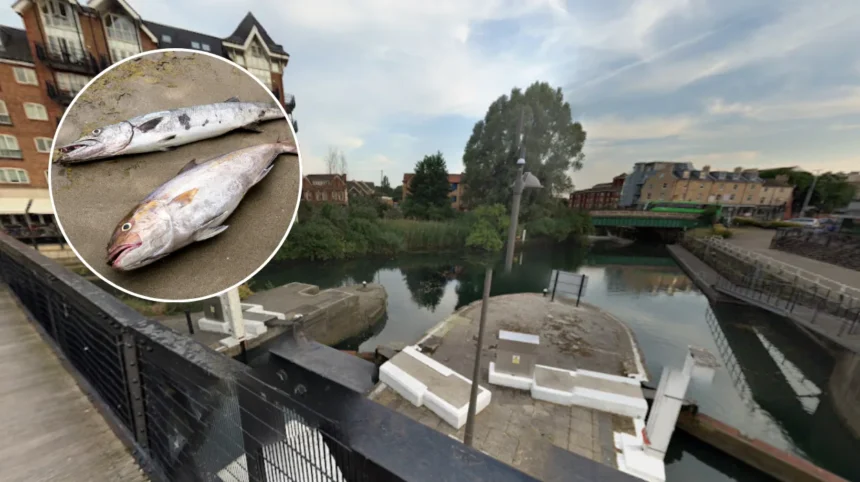
- Main Issue: Sewage discharge directly into local canals, made even worse due to an “epidemic of heat” this summer, with dead aquatic creatures washing up on shore reported by local resident Paul Keane.
- Causation: This problem is said to be due to historical factors and current misconnections of plumbing whereby waste from housing developments flows into surface water drains instead of sewers.
- Harmful Effects: Dead wildlife in the vicinity were found to have tested positive to E. coli and botulism, both bacteria which flourish in hot, stagnant, oxygen-starved waters.
- Response of Council: Councillor Katherine Dunne confirmed cross-borough cooperation in River Brent catchment area group with Ealing and Brent looking into misconnections downstream.
- More Information: Chair of the Committee Cllr Dan Bowring encouraged residents to reach out to their local ward councillors, while another case of environmental stress from heat led to dead fish washing up on shore at Ruislip Lido this August due to algal bloom.
uk/local/hounslow/brentford/">Brentford (West London Times) September 23, 2026 — Residents in Brentford have raised alarm over raw sewage flowing into local canal networks and dead animals washing ashore, a crisis exacerbated by extreme summer temperatures.
- Key Points
- What are the main concerns raised about the West London canal network?
- How are plumbing misconnections and hot weather impacting water quality?
- How are local authorities responding to the canal pollution crisis?
- Background of the Particular Development
- How This Development Can Affect Local Residents and Water Sports Enthusiasts
What are the main concerns raised about the West London canal network?
As reported by Local Democracy Reporter Philip James Lynch of Asian Standard, local resident Paul Keane addressed the Brentford and Syon Area Forum on Monday, September 21, detailing how sewage is entering water sports areas. Mr Keane stated that the issue is significantly worsened by an “epidemic of heat” experienced over the summer months.
As reported by Philip James Lynch of Asian Standard, Mr Keane stated that: “The big fly in the ointment is sewage coming into the canal. That gets worse in the summer when the water is moving slowly, and some of that is historic, but also a contemporary mis-directing of sewage into storm drains.”
While emphasizing that the situation is not the fault of Hounslow Council, Mr Keane stressed the need for an overall strategy, particularly if authorities wish to encourage children and the community to use the canal for water sports. He noted that the water “has to be hygienic, and there are times when it simply isn’t.”
How are plumbing misconnections and hot weather impacting water quality?
According to Mr Keane, the pollution is partially driven by plumbing misconnections, where housing developments mistakenly link waste pipes to surface water drains rather than main sewers. This untreated waste flows directly into the Grand Union Canal, particularly accumulating around the Brentford Lock basin and the stagnant waters near Boston Manor Park.
As reported by Philip James Lynch of Asian Standard, Mr Keane explained that warm, stagnant water acts as a “biological incubator” that accelerates E. coli growth and creates low-oxygen environments required for botulism outbreaks. As water temperatures rise, its physical capacity to hold dissolved oxygen drops dramatically, resulting in aquatic animals dying from both diseases. Despite these findings, the Canal and River Trust reportedly conducts water tests prior to water sports events and has generally found the water to be relatively clean.
How are local authorities responding to the canal pollution crisis?
In response to these community concerns, Councillor Katherine Dunne outlined ongoing municipal cooperation. As reported by Philip James Lynch of Asian Standard, Councillor Katherine Dunne stated that:
“There is some cross-borough working, particularly on that issue. There’s a River Brent catchment area group, and we know that officers in Ealing and Brent are looking closely at the issue of misconnections. But you’re right, it originates in those boroughs and then comes down into ours.”
Committee Chair Councillor Dan Bowring thanked Mr Keane for highlighting the problem, pointing out that the affected sites lie within the Brentford West ward and encouraging residents to engage with local representatives. As reported by Philip James Lynch of Asian Standard, Councillor Dan Bowring added:
“All councillors in Brentford will be concerned about this, as would all residents.”
This environmental strain follows a similar incident in August, just nine miles away in Ruislip, where hot weather triggered algal blooms that depleted oxygen levels and caused dead fish to wash ashore at the Lido.
Explore more Brentford News:
Manhunt Launched After Axe Attack Near Canal in Brentford 2026
Police Hunt Axe Attacker After Attempted Murder Near Brentford 2026
Background of the Particular Development
The recent discoveries of dead animals and raw sewage in West London’s waterways highlight ongoing infrastructure and environmental challenges facing urban river catchments in the United Kingdom. Catchment areas like the River Brent system traverse multiple municipal boundaries, making pollution management complex. Historic Victorian drainage architecture combined with rapid modern residential development has increasingly strained surface water management systems across Greater London.
Misconnections—whereby domestic greywater or sewage plumbing is incorrectly routed into rainwater drainage—frequently introduce untreated waste and nutrients into slow-moving urban canals during dry, hot spells. Furthermore, climate trends resulting in prolonged summer heatwaves have intensified thermal stress in shallow water bodies, leading to lower dissolved oxygen retention, accelerated bacterial proliferation, and subsequent wildlife mortality events.
How This Development Can Affect Local Residents and Water Sports Enthusiasts
If unchecked, recurring pollution incidents and bacterial outbreaks of E. coli and botulism pose tangible risks to public health, recreational safety, and local community initiatives. For local residents, families, and young people who utilize the Brentford canal network for kayaking, paddleboarding, and community leisure, unhygienic water conditions could lead to temporary or permanent bans on water sports activities, undermining municipal goals to activate urban blue spaces.
Additionally, persistent ecological degradation, foul odors from stagnant water, and visible wildlife casualties may negatively impact local environmental aesthetics and property perceptions in the Brentford West ward. For local authorities, mounting pressure from community forums will necessitate accelerated, cross-borough infrastructure audits, stricter enforcement against illicit plumbing misconnections, and proactive water quality monitoring to restore public confidence in urban waterways.