Key Points
- Harrow Council has refused an application for a Certificate of Lawfulness for a proposed children’s home at 76 Roxeth Green Avenue in South Harrow.
- The proposal sought to accommodate up to four children aged between seven and 16 diagnosed with autism and learning difficulties.
- Care was planned to be delivered by trained support staff operating on a rota system providing 24-hour supervision.
- Planning officers concluded that insufficient information was submitted to demonstrate that the change of use would not constitute a material change of use requiring full planning permission.
- The decision centers on whether the transition from a standard C3 dwellinghouse to a C2 residential institution creates a significant shift in the character of the property’s use.
- Local planning policies require robust evidence regarding operational intensity, vehicle movements, and staffing patterns when assessing certificates of lawfulness.
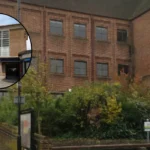
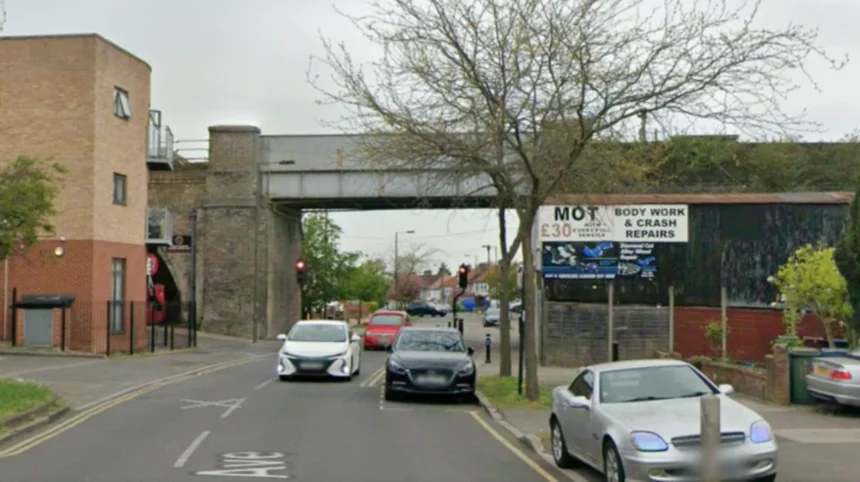
South uk/local/harrow/">Harrow (West London Times) October 12, 2026 – Harrow Council’s planning department has formally rejected an application seeking confirmation that converting a residential property in South Harrow into a care facility for children would be lawful without full planning consent. The decision halts immediate plans to establish the facility at 76 Roxeth Green Avenue, where developers had proposed creating a specialized home catering to up to four young people with autism and learning difficulties. Planning officers ruled that the submitted details failed to prove that the operational impact of the facility would remain comparable to a standard residential household.
- Key Points
- Why Was the Certificate of Lawfulness Refused by Harrow Council?
- What Were the Specific Plans Proposed for 76 Roxeth Green Avenue?
- How Do Care Staff Patterns and Daily Traffic Impact Local Residential Planning Decisions?
- What Are the Next Steps Available to the Applicant and Care Provider?
- Background of the Certificate of Lawfulness Framework in Local Planning
- Prediction: How This Development May Affect Local Stakeholders and Care Provision
Why Was the Certificate of Lawfulness Refused by Harrow Council?
The decision by local planning authorities hinges on legal distinctions within the Town and Country Planning (Use Classes) Order 1987 (as amended). The applicant sought a Certificate of Lawfulness for a Proposed Use or Development (CLOPUD) to confirm that using the semi-detached dwelling as a care home fell within permitted development parameters or did not constitute a material change of use from Class C3 (dwellinghouse) to Class C2 (residential institution).
According to the official refusal documentation issued by Harrow Council’s planning officers, the evidence provided within the submission was insufficient to establish that the intensity of the proposed operation would avoid a material change in the character of the site.
Officers noted that a home operating with multiple shift-based staff members, continuous care schedules, and frequent visitor turnover operates differently from a single-family household. Consequently, the council concluded that a formal application for full planning permission is required so that the environmental, traffic, and residential amenity impacts can be fully scrutinized through standard public consultation channels.
What Were the Specific Plans Proposed for 76 Roxeth Green Avenue?
The application outlined a detailed operational model designed to accommodate up to four children aged seven to 16 who require continuous support due to learning disabilities and autism spectrum conditions. The primary objective was to offer a structured, domestic environment aimed at providing long-term stability and tailored personal care.
Under the submitted management outline, the property was intended to function as a registered children’s care facility operating 24 hours a day, 365 days a year. Support was to be delivered by professional care workers operating on a shift pattern.
The daily schedule included routine educational transport, therapy visits, and supervised community activities. The internal layout of the property was to remain largely intact to maintain a home-like setting, with individual bedrooms for each child and shared living, dining, and kitchen spaces, alongside administrative facilities for on-site staff.
How Do Care Staff Patterns and Daily Traffic Impact Local Residential Planning Decisions?
A central factor in planning evaluations for residential care conversions involves assessing how non-residential activities affect surrounding neighborhoods. While the physical structure of 76 Roxeth Green Avenue would remain largely unaltered, the council highlighted the cumulative effect of staff handovers, professional visits, and service deliveries.
In typical Class C3 residential properties, vehicle activity and foot traffic follow standard household patterns. Conversely, a Class C2 care facility introduces structured staff shift changes—often occurring early in the morning and late in the evening—alongside regular visits from social workers, medical professionals, educational transport vehicles, and regulatory inspectors.
Planning authorities must determine whether these combined movements alter the noise levels, parking pressure, and general residential character of a suburban street. Because the application lacked detailed impact assessments regarding parking capacity and movement schedules, officers determined that the threshold for a Certificate of Lawfulness had not been met.
What Are the Next Steps Available to the Applicant and Care Provider?
Following the refusal of the Certificate of Lawfulness, the applicant retains two main procedural options under English planning law. The first route is to appeal the council’s decision to the Planning Inspectorate within six months of the refusal notice, presenting legal arguments to demonstrate that the proposed use does not legally constitute a material change of use.
Alternatively, the applicant can submit a full planning application under Class C2. This process requires comprehensive documentation, including detailed transport statements, noise assessments, management plans, and formal public consultations with neighboring residents.
A full planning application allows the council’s planning committee to evaluate the proposal on its planning merits rather than purely on legal interpretations of use classes, providing a venue to weigh the local need for specialist care accommodation against potential impacts on neighborhood amenity.
Explore More Harrow News
Harrow Refuses Roxeth Children’s Home Planning Application in South Harrow 2026
20 Studio Flats on Sale for £3.25m in Harrow 2026
Background of the Certificate of Lawfulness Framework in Local Planning
The demand for community-based residential care facilities for children with special educational needs and disabilities (SEND) has grown substantially across Greater London over the past decade. Local authorities frequently face the challenge of balancing the urgent legal duty to provide local care placements for vulnerable young people with statutory planning regulations designed to manage urban development and preserve residential character.
Under UK planning legislation, a Certificate of Lawfulness for a Proposed Use (CLOPUD) under Section 192 of the Town and Country Planning Act 1990 serves as a legal confirmation that a proposed operation or change of use does not require explicit planning permission. Applicants frequently use this pathway when converting standard residential properties (Class C3) into small-scale care homes (Class C2 or Class C3b), arguing that small care homes operating similarly to family units should not require full planning consent.
However, judicial precedents established in the High Court—such as the landmark case North Devon District Council v First Secretary of State [2003]—have established that whether a change from a dwellinghouse to a care home constitutes a material change of use is always a matter of “fact and degree.”
Key considerations include whether care staff reside at the property as a primary home or attend in shifts, the total number of residents, and the degree of operational disturbance generated. As a result, local planning authorities across London stringently review certificate applications to ensure that larger care operations undergo full public scrutiny and planning policy checks before opening.
Prediction: How This Development May Affect Local Stakeholders and Care Provision
The refusal of the lawfulness certificate creates a temporary delay in establishing local specialist care beds within Harrow. For local children requiring structured support for autism and learning difficulties, delays in opening residential facilities mean that local authorities may continue to rely on out-of-borough placements. Out-of-borough arrangements often result in higher costs for local councils and increased displacement for children, who may be placed further away from their families, schools, and established community networks.
For residents living along Roxeth Green Avenue and adjacent roads in South Harrow, the decision offers clarity and a period of pause. Had the certificate been granted, the facility could have proceeded without a public consultation process. Now, if the applicant chooses to submit a full planning permission application, local residents will receive formal notification and an opportunity to submit public comments regarding traffic, street parking, noise levels, and local infrastructure capacity. This ensures that community perspectives will be formally reviewed before any operational changes take place.
This outcome highlights the strict legal criteria care providers must satisfy when attempting to establish facilities using permitted development or lawfulness certificate routes. Care providers operating across London will likely recognize the necessity of preparing comprehensive operational and traffic impact evidence prior to submitting initial planning requests. Furthermore, it encourages providers to engage directly with local planning authorities through formal planning applications early in the process, ensuring full compliance with municipal planning standards and fostering transparency with the local community.