

Key Points
- Licence Suspended: The premises licence of a Lebanese restaurant in West London has been suspended for four weeks after a hearing at the council licensing committee.
- Illegal Employment Found: It was found that there is an illegal worker working as a kitchen porter by government immigration enforcement officers during a raid.
- No Employment Check Done: It was revealed by the person that he was hired without conducting any right-to-work or employment check.
- Decision Taken: The licensing sub-committee of Hammersmith and Fulham Council took the decision to suspend after considering the evidence provided by the Home Office Immigration Enforcement.
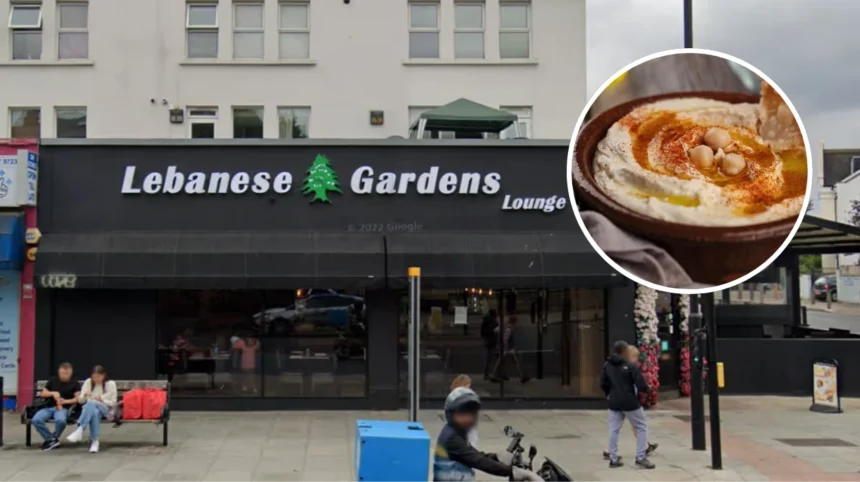
uk/local/hammersmith-and-fulham/fulham/">FULHAM, Lebanese Taverna Express (West London Times) October 3, 2026 – A popular West London eatery has been ordered to cease licensed operations for one month after Home Office officials discovered an undocumented migrant working in its kitchen without the necessary right-to-work checks having been performed by management.
What Led to the Licence Suspension of Lebanese Taverna Express?
As reported by local authority documentation and official licensing minutes from hammersmith-and-fulham/">Hammersmith and Fulham Council, Home Office Immigration Enforcement officers conducted a targeted compliance visit at Lebanese Taverna Express, located on Fulham Palace Road in Hammersmith.
During the course of the operational inspection, enforcement personnel identified a staff member operating as a kitchen porter who possessed no legal entitlement to undertake employment within the United Kingdom. Upon detailed questioning by government officers, the worker acknowledged that he had been hired directly by management without undergoing standard pre-employment documentation checks or statutory verification procedures.
Following the operational visit, Immigration Enforcement formally requested a full review of the premises licence held by the establishment, citing failures under the licensing objective regarding the prevention of crime and disorder.
How Did the Licensing Committee Arrive at Its Final Sanction?
As reported in the official record of the Hammersmith and Fulham Council Licensing Sub-Committee, members convened to evaluate the evidence submitted by immigration authorities alongside representation from the licence holder.
The committee evaluated the compliance history of the establishment and reviewed the circumstances surrounding the hiring process. Legal representatives and council officials noted that employment of individuals without appropriate legal status constitutes a breach of statutory obligations under the Immigration, Asylum and Nationality Act 2006.
After deliberating on the severity of the oversight and the statutory duty to deter illegal employment within the local hospitality sector, the licensing sub-committee resolved to suspend the premises licence of Lebanese Taverna Express for a duration of one month. The suspension temporarily halts the business’s authorization to conduct regulated activities, including the sale of alcohol and late-night refreshment.
Background of the Particular Development
Under the Licensing Act 2003, local authorities in England and Wales maintain powers to review, alter, or suspend premises licences where business practices conflict with statutory objectives, including crime prevention. In recent years, Home Office Immigration Enforcement has increasingly utilised joint framework agreements with municipal councils to target commercial operations employing illegal workers.
Government guidelines specify that employers must conduct rigorous “Right to Work” checks prior to engaging staff. Failure to execute these checks can result in civil penalties of up to £60,000 per illegal worker under updated enforcement tariffs introduced by the UK government, alongside administrative sanctions such as licence reviews or revocations by local authority committees.
Prediction: How Will This Decision Impact the Local Hospitality Sector and Business Owners?
This enforcement action and subsequent licence suspension send a clear signal to independent restaurant operators and local hospitality venues across West London regarding statutory compliance:
- Increased Regulatory Scrutiny: Hospitality businesses across Hammersmith and Fulham can anticipate heightened frequency of joint inspections by council licensing teams and Home Office Immigration Enforcement officers.
- Strict Adherence to HR Protocols: Local restaurant managers and licence holders will likely review and tighten internal recruitment standards, ensuring comprehensive statutory checks are completed prior to shifts being allocated.
- Financial and Operational Repercussions: For small to mid-sized food establishments, a month-long operational suspension poses severe commercial risks, including loss of revenue, reputational damage, and fixed ongoing overhead costs during the mandated closure period.