


Key Points
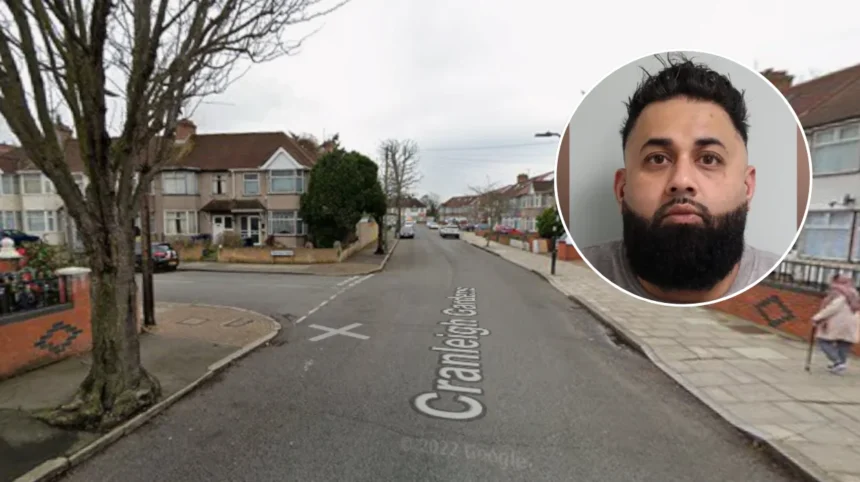
- Rehan Ahmed, who is 40 years old and a resident of Cranleigh Gardens, Southall, west London, was jailed for three years and six months at Inner London Crown Court.
- Ahmed owned an extensive illegal manufacturing operation known as Phoenix of Vinyl, which took place in Acton.
- Following a test purchase by the British Phonographic Industry (BPI), the City of London Police raided Ahmed’s plant in February 2024, uncovering a massive operation that involved large-scale counterfeiting.
- The police seized the biggest collection of counterfeit vinyl records in the UK, amounting to 2,791 records representing 108 individual artists, including The Beatles, Taylor Swift, Ed Sheeran, Adele, Ariana Grande, Bad Bunny, Drake, Beyoncé, and Rihanna.
- The counterfeit vinyls were produced through four vintage, 70-year-old vinyl presses that had been working for seven years.
- Peter Ratcliffe, director of content protection at the BPI, stated that tens of millions of pounds had been stolen from artists, record labels, and retailers and that criminal gangs had profited immensely from the operation.
uk/local/ealing/southall/">Southall (West London Times) September 21, 2026 – A forger who generated an estimated £2.7m through the mass production and sale of counterfeit vinyl records featuring global music icons has been sentenced to three years and six months behind bars.
How did the illicit counterfeit vinyl operation unfold across London?
As reported by City of London Police, Rehan Ahmed, 40, of Cranleigh Gardens, Southall, west London, was sentenced at Inner London Crown Court following what authorities formally described as “a long‑running, highly organised and entirely unlicensed manufacturing operation”.
The illegal enterprise, which operated under the business name Phoenix of Vinyl, was situated at a factory in Acton. The operation was brought to light when the British Phonographic Industry (BPI) executed a test purchase from the premises, uncovering definitive evidence of widespread record counterfeiting. Subsequently, as detailed by City of London Police, law enforcement officers raided the factory in February 2024.
During the raid, officers uncovered what has been confirmed as the largest stash of fake vinyl records ever found in the United Kingdom. The seizure comprised 2,791 counterfeit records featuring work by 108 distinct artists. The breadth of the copied catalogue included celebrated names across multiple genres, such as The Beatles, Taylor Swift, Ed Sheeran, Adele, Ariana Grande, Bad Bunny, Drake, Beyoncé, and Rihanna. Investigators established that the illicit products were manufactured using four vintage, 70-year-old vinyl presses that had been running continuously over a seven-year period.
What were the statements from law enforcement and industry authorities regarding the case?
Detailing the exploitation of current music market trends, Det Con Daryl Fryatt of the City of London Police stated that Ahmed deliberately used the commercial “resurgence” of vinyl music for his own financial gain.
Weighing in on the wider economic damage inflicted by the counterfeit scheme, Peter Ratcliffe, BPI director of content protection, estimated that “tens of millions of pounds” had been “leeched” directly from working artists, record labels, and honest retailers.
As reported by the BBC, Peter Ratcliffe added that:
“With music on physical formats enjoying a resurgence, the market in counterfeit records has unfortunately also been growing as criminals cash in at the expense of creators and fans.”
Furthermore, Peter Ratcliffe noted the broader societal impacts of the crime, stating that:
“This doesn’t just impact the legal music economy and everyone that works and invests in it – it also affects every one of us as citizens who fall victim to other forms of criminality that it funds.”
Explore more Acton News:
Met Police Launch Meet the Met Initiative in Acton 2026
Historic Twyford Abbey Redevelopment Brings 296 New Homes to Acton
Background of the particular development
The resurgence of vinyl records over the past decade has created a lucrative secondary market, breathing new life into physical music sales while simultaneously attracting illicit operators seeking to exploit consumer demand. As streaming economics provide tight margins for many working musicians, physical merchandise and vinyl sales have become a critical revenue stream for independent and major-label artists alike. Industry bodies such as the British Phonographic Industry (BPI) have increasingly invested in intellectual property protection and anti-piracy measures to safeguard the creative economy.
The seizure of four decades-old presses in an Acton warehouse highlights how modern criminality often intersects with industrial vintage equipment to mass-produce counterfeit goods that closely mimic legitimate collector items, bypassing traditional licensing, tax obligations, and artist royalties entirely.
How this development can affect the music industry, creators, and vinyl collectors
This landmark conviction and the exposure of the UK’s largest-ever counterfeit vinyl stash are expected to serve as a stark warning to other illicit operators attempting to hijack the physical music revival. For the particular audience of independent musicians, major record labels, and vinyl collectors, this development reinforces tighter scrutiny and proactive monitoring by industry watchdogs like the BPI.
While legitimate retailers and collectors may experience heightened reassurance regarding the authenticity of newly pressed records, independent artists stand to benefit most as law enforcement and music executives clamp down on revenue leakage. Over the medium term, increased vigilance across supply chains and pressing plants could temporarily raise administrative friction or production costs within the independent vinyl ecosystem, but it ultimately protects the long-term economic viability and trust upon which the physical music market relies.