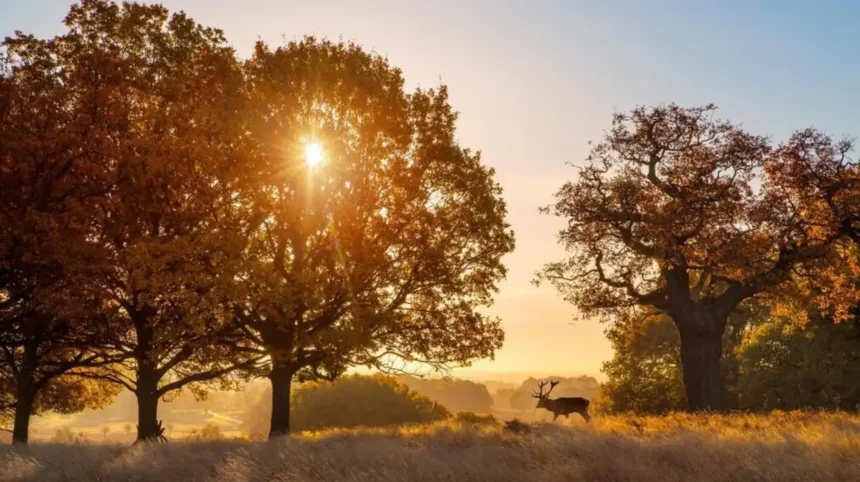
Photography in West London combines historic architecture, royal parks, riverside landscapes, cultural landmarks and residential neighbourhoods. The area provides diverse settings for professional photographers, amateur photographers, tourists, families, businesses and creative professionals. From the Victorian glasshouses of uk/local/richmond-upon-thames/kew/">Kew Gardens to the historic streets of Kensington and the riverside scenery of Richmond, West London offers opportunities for landscape, portrait, architectural, commercial and wildlife photography.
- What Makes West London an Important Destination for Photography?
- How Has Photography Developed in West London?
- Where Are the Best Outdoor Photography Locations in West London?
- Which Architectural Photography Locations Should You Visit in West London?
- Kensington Palace
- Chiswick House
- Hampton Court Palace
- Hammersmith and Richmond Bridges
- Residential Architecture in Ealing and Chiswick
- What Types of Photography Are Popular in West London?
- Portrait Photography
- Wedding Photography
- Landscape Photography
- Wildlife and Nature Photography
- Street and Documentary Photography
- Commercial and Product Photography
- Where Can You Find Photography Studios in West London?
- How Do Photographers Choose the Best Time for Outdoor Photography in West London?
- What Photography Equipment Is Essential for West London Locations?
- What Photography Rules and Permissions Apply in West London?
- Photography in Public Places
- Photography in Royal Parks
- Photography at Kew Gardens
- Photography in Chelsea Gardens
- Copyright and Photograph Ownership
- How Can Beginners Improve Their Photography Skills in West London?
- Which Photography Exhibitions and Institutions Can You Explore in West London?
- How Does Professional Photography Support West London Businesses?
- Photography for Retail Businesses
- Photography for Restaurants and Hospitality
- Photography for Estate Agents
- Photography for Corporate Businesses
- What Are the Main Challenges of Photography in West London?
- Unpredictable Weather
- Crowded Locations
- Restricted Access
- Lighting Limitations
- Protecting Natural Environments
- What Is the Future of Photography in West London?
- Artificial Intelligence and Image Editing
- Social Media Photography
- Environmental and Documentary Photography
- Professional Opportunities
- Why Is West London Worth Exploring Through Photography?
West London has a distinctive photographic identity because its built environment and natural landscapes exist within relatively short distances. Photographers can capture traditional London architecture, contemporary urban development, botanical collections, historic bridges and open green spaces without travelling across the entire capital.
The area’s photographic appeal also reflects its cultural history. Kensington contains major museums and art institutions, Richmond preserves historic riverside landscapes, and Ealing, hounslow/chiswick/">Chiswick, fulham/hammersmith/">Hammersmith and Brentford provide different examples of London’s residential, commercial and industrial development.
Understanding the area’s locations, photography styles, access arrangements and seasonal conditions helps photographers plan successful shoots. This guide explores photography in West London, including its historical background, important locations, professional services, equipment, photography techniques and future opportunities.
What Makes West London an Important Destination for Photography?
West London is an important photography destination because it combines historic buildings, landscaped parks, botanical gardens, museums, riverside scenery and diverse neighbourhoods. These environments support landscape, architectural, portrait, wildlife, documentary and commercial photography throughout the year.
West London covers a broad geographical area containing several distinctive boroughs and neighbourhoods. Kensington and Chelsea, Hammersmith and Fulham, Ealing, Hounslow and Richmond upon Thames contribute different architectural and environmental settings.
Photography benefits from this geographical diversity. A photographer specialising in architecture can work around Kensington’s historic buildings, while a landscape photographer can explore Richmond Park and the Thames. Commercial photographers also find opportunities around business districts, shopping streets, hospitality venues and retail centres.
The area’s cultural institutions provide another important dimension. The Victoria and Albert Museum (V&A) in South Kensington maintains an internationally significant photography collection. Its expanded Photography Centre displays the history and development of photographic practice through dedicated galleries.
The V&A collection contains approximately 800,000 photographs, documenting photographic developments from the 1820s to the present. The museum has collected photographs since the 1850s, making it an important institution for understanding photography’s historical development. V&A+1
West London’s photographic importance therefore extends beyond attractive locations. Its museums, historical buildings, public spaces and creative communities support photography as an artistic, cultural and commercial activity.
How Has Photography Developed in West London?
Photography in West London developed alongside London’s industrial growth, cultural institutions and architectural expansion. Early photographic collections documented people, buildings and everyday life, while modern photography now includes digital imaging, commercial production, documentary projects and contemporary visual art.
Photography emerged during the nineteenth century following major developments in photographic processes. Early techniques included the daguerreotype and calotype, which enabled photographers to produce permanent images using light-sensitive materials.
The Victorian period increased interest in architectural documentation, portraiture and scientific photography. London’s expanding museums and cultural institutions became important centres for collecting, displaying and studying photographs.
The V&A began acquiring photographs in 1852 and organised its first photography exhibition in 1858. Its collection subsequently expanded to include historic prints, negatives, cameras, photographic books and contemporary works.
West London’s architectural development also created subjects for documentary photography. Victorian terraces, historic churches, railway infrastructure, riverside industries and public gardens recorded changes in the capital’s physical environment.
The development of digital cameras transformed photographic production during the late twentieth and early twenty-first centuries. Digital technology reduced the dependence on chemical processing and introduced immediate image review, electronic storage and advanced editing.
Smartphones further expanded photography participation. Residents and visitors now document local architecture, events, landscapes and everyday activities through mobile devices.
Modern West London photography includes several established professional fields:
- Architectural photography: Images of historic buildings, contemporary developments and interior spaces.
- Portrait photography: Individual portraits, family sessions and professional headshots.
- Commercial photography: Product images, hospitality photography and business campaigns.
- Landscape photography: Parks, gardens, rivers and natural environments.
- Documentary photography: Images recording communities, local events and neighbourhood changes.
These developments connect West London’s photographic history with its present-day creative economy.
Where Are the Best Outdoor Photography Locations in West London?
The best outdoor photography locations in West London include Richmond Park, Kew Gardens, Kensington Gardens, Holland Park, Little Venice and the River Thames. These destinations provide landscapes, wildlife, historic structures, gardens and architectural backgrounds for different photography styles.
West London’s outdoor locations provide opportunities for photographers working with natural light and changing environmental conditions.
Richmond Park
Richmond Park is one of the area’s most recognisable landscape photography destinations.
The park covers approximately 2,500 acres and contains ancient trees, grasslands, woodland areas and open landscapes. Its free-roaming deer populations provide subjects for wildlife photography.
Important photographic subjects include:
- Red and fallow deer in their natural surroundings.
- Ancient trees and woodland landscapes.
- Open grassland and distant London views.
- Isabella Plantation’s seasonal vegetation.
- King Henry’s Mound and its protected panoramic view.
The best photographic conditions often occur during early morning and late afternoon. These periods provide softer natural light and opportunities to photograph wildlife.
Photographers must maintain a safe distance from deer, particularly during the autumn rutting season and spring birthing period.
Kew Gardens
Royal Botanic Gardens, Kew provides one of West London’s most distinctive environments for botanical and architectural photography.
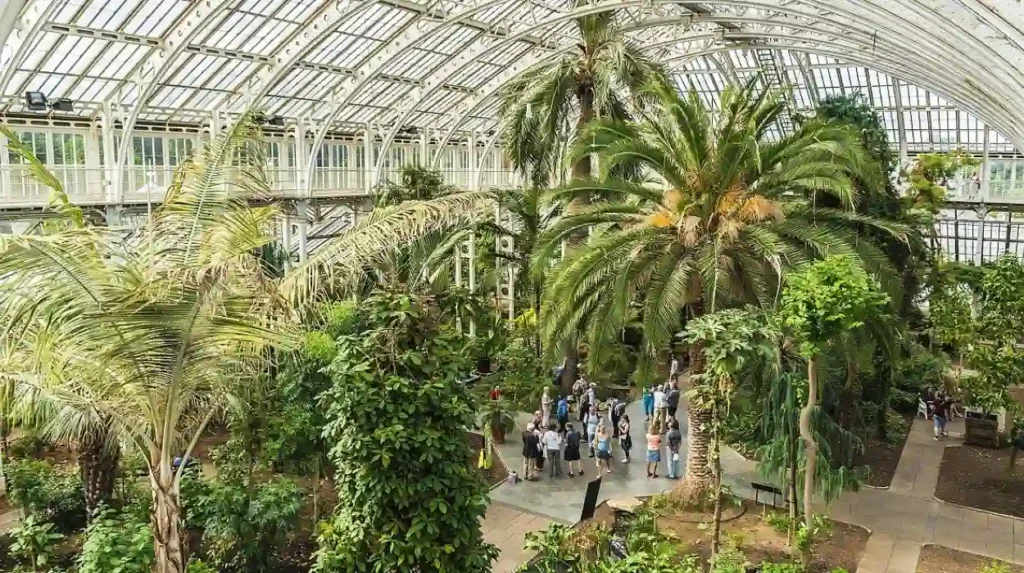
The UNESCO World Heritage Site contains historic glasshouses, landscaped gardens, botanical collections and architectural landmarks.
The Palm House, constructed between 1844 and 1848, is particularly important for Victorian architectural photography. Its iron-and-glass structure creates distinctive geometric patterns and natural lighting conditions.
Other photographic locations include the Temperate House, Great Pagoda, Princess of Wales Conservatory, Woodland Garden and lake.
Kew Gardens also provides opportunities for macro photography. Macro photography captures small subjects, including flower structures, leaf patterns, insects and botanical details.
The gardens’ official photography guidance identifies seven particularly interesting photographic areas and explains how seasonal plants and changing light affect image composition.
Kensington Gardens
Kensington Gardens offers historic landscapes and architectural photography opportunities.
The gardens contain Kensington Palace, the Round Pond, ornamental avenues and landscaped green spaces.
Photographers use the park for:
- Family and individual portraits.
- Landscape photography.
- Historic building photography.
- Seasonal flower photography.
- Documentary images of public spaces.
The gardens also connect with Hyde Park, creating a larger area for outdoor photography.
Holland Park
Holland Park is known for its woodland surroundings, landscaped gardens and Japanese garden features.
The Kyoto Garden provides opportunities for photographing water, stone features, vegetation and seasonal colours.
The park’s combination of natural landscapes and historic architecture makes it suitable for environmental portraits and detailed nature photography.
Little Venice
Little Venice provides a distinctive urban waterfront environment.
Its canals, narrowboats, bridges and waterside buildings create opportunities for urban landscape and travel photography.
Reflections on the water provide interesting compositions, particularly during calm weather. The surrounding architecture also creates opportunities for street photography and environmental portraits.
Which Architectural Photography Locations Should You Visit in West London?
West London’s architectural photography locations include Kensington Palace, Chiswick House, Hampton Court Palace, historic Richmond streets, Hammersmith Bridge and Victorian buildings across Ealing. These locations showcase architectural styles ranging from historic royal buildings to residential and industrial structures.
Architectural photography records the design, structure, materials and visual character of buildings. West London contains buildings from different historical periods, making it suitable for architectural documentation and creative photography.
Kensington Palace
Kensington Palace is an important royal residence with architectural features associated with several periods of British history.
Its formal exterior, gardens and surrounding landscape create opportunities for architectural photography.
Photographers can focus on symmetry, brickwork, windows, entrances and the relationship between the palace and its gardens.
Chiswick House
Chiswick House and Gardens is a significant example of eighteenth-century English Palladian architecture.
The villa’s classical proportions, columns, landscaped gardens and ornamental features make it suitable for architectural and heritage photography.
Its gardens also provide opportunities for landscape compositions and environmental portraits.
Hampton Court Palace
Hampton Court Palace is a historic royal palace near the western edge of Greater London.
Its Tudor architecture, courtyards, gardens and historic interiors provide subjects for heritage photography.
Photographers should check visitor photography restrictions before planning interior sessions or professional shoots.
Hammersmith and Richmond Bridges
Bridges across the River Thames provide important architectural and urban photography subjects.
Hammersmith Bridge is recognised for its suspension design and decorative structural features. Richmond Bridge provides another historic riverside setting.
These locations support wide-angle photography, structural detail photography and long-exposure images of the surrounding water.
Residential Architecture in Ealing and Chiswick
Ealing and Chiswick contain residential streets with Victorian and Edwardian architectural features.
Photographers interested in urban heritage can document traditional brick houses, decorative façades, bay windows and historic street layouts.
Residential photography requires respect for private property and residents’ privacy. Public visibility does not automatically provide permission to enter private land or photograph inside buildings.
What Types of Photography Are Popular in West London?
Popular photography styles in West London include portrait, wedding, landscape, wildlife, architectural, street, commercial and event photography. Each style serves different purposes, from recording personal occasions and local environments to producing professional images for businesses, publications and marketing campaigns.
The variety of locations across West London supports different photographic disciplines.
Portrait Photography
Portrait photography focuses on individuals, couples, families and professional subjects.
Popular settings include Richmond Park, Holland Park, Kensington Gardens and Chiswick’s landscaped surroundings.
Portrait photographers concentrate on facial expressions, lighting, composition and background selection. Natural light is particularly useful for outdoor portraits because it produces softer illumination during overcast conditions and the golden hour.
Professional headshots are another important category. Businesses use headshots for websites, company profiles, professional directories and LinkedIn accounts.
Wedding Photography
Wedding photography documents ceremonies, receptions, family photographs and important moments throughout a wedding day.
West London contains historic buildings, gardens, hotels and riverside venues that provide different wedding photography backgrounds.
Popular photographic settings include Kensington, Richmond, Chiswick and Hammersmith.
Wedding photographers typically provide pre-wedding consultations, photography schedules, edited digital photographs and optional printed albums.
Venue photography permissions must be confirmed before booking a professional photographer.
Landscape Photography
Landscape photography records natural environments and outdoor scenery.
Richmond Park, Kew Gardens, the Thames riverside and the open spaces around Ealing provide different landscape subjects.
Photographers concentrate on natural light, foreground details, horizon placement and weather conditions.
Wide-angle lenses are useful for capturing expansive views, while telephoto lenses help isolate distant subjects such as wildlife and architectural details.
Wildlife and Nature Photography
Wildlife photography focuses on animals and their natural habitats.
Richmond Park provides opportunities to photograph deer, birds and other wildlife. Kew Gardens supports botanical photography, while local parks and riverside habitats provide opportunities to document birds and insects.
Telephoto lenses help photographers capture distant animals without approaching them unnecessarily.
Wildlife photography requires patience and responsible behaviour. Photographers must avoid disturbing animals, damaging vegetation or interfering with protected habitats.
Street and Documentary Photography
Street photography records everyday life in public environments. Documentary photography uses images to communicate information about people, communities, events and social changes.
Notting Hill, Portobello Road, Ealing Broadway, Hammersmith and Southall provide contrasting urban environments.
Photographers can document market activity, transport, street architecture, community events and local businesses.
Street photography should respect privacy and consider the context in which identifiable individuals are photographed, particularly children and vulnerable people.
Commercial and Product Photography
Commercial photography produces images for businesses, advertising, websites, publications and marketing campaigns.
West London businesses use professional photography to present products, services, premises and staff.
Common assignments include:
- Product photography for online shops, such as clothing, accessories and homeware.
- Food photography for restaurants, such as plated meals, desserts and drinks.
- Property photography for estate agents, such as residential interiors and exterior views.
- Corporate photography for businesses, such as team portraits and workplace environments.
- Hospitality photography for hotels, such as guest rooms, restaurants and facilities.
Commercial photography requires careful planning because the final images must meet specific branding, composition and technical requirements.
Where Can You Find Photography Studios in West London?
Photography studios in West London provide controlled environments for portraits, commercial campaigns, product images, fashion photography and professional headshots. Studios offer adjustable lighting, backgrounds and equipment that help photographers produce consistent images regardless of outdoor weather conditions.
Studio photography differs from outdoor photography because the photographer controls most lighting and background conditions.
Studios generally contain dedicated shooting areas, lighting equipment, backdrops and spaces for preparing subjects or products.
What Equipment Do Photography Studios Provide?
A professional photography studio typically uses several equipment categories.
Lighting equipment includes studio flash units, continuous lights, softboxes and reflectors. These tools control brightness, direction and shadow intensity.
Background systems include paper rolls, fabric backdrops and coloured studio walls. These provide consistent backgrounds for portraits and product photography.
Camera support equipment includes tripods, light stands and mounting systems. These help photographers maintain stable compositions.
Editing facilities include computer workstations and colour-calibrated monitors. These support image selection, retouching and final delivery.
Which Studio Services Are Available?
West London photographers and studios offer services for different customer requirements.
Portrait sessions include individual photographs, family portraits and professional headshots.
Commercial sessions cover products, food, clothing and advertising materials.
Creative studio sessions support fashion photography, editorial projects and portfolio development.
Customers should check the studio’s location, equipment, session duration, image delivery arrangements and additional charges before booking.
How Do Photographers Choose the Best Time for Outdoor Photography in West London?
Photographers choose outdoor shooting times according to natural light, weather, seasonal conditions and location requirements. Early morning and late afternoon often provide softer lighting, while overcast conditions help produce balanced portraits and detailed architectural photographs.
Natural light changes throughout the day. Its direction, intensity and colour influence photographic exposure, shadows and image appearance.
Golden Hour
Golden hour refers to the period shortly after sunrise and before sunset.
The sunlight travels through more of the atmosphere during these periods, producing warmer colours and softer directional lighting.
Photographers use golden hour for portraits, landscape images and architectural compositions.
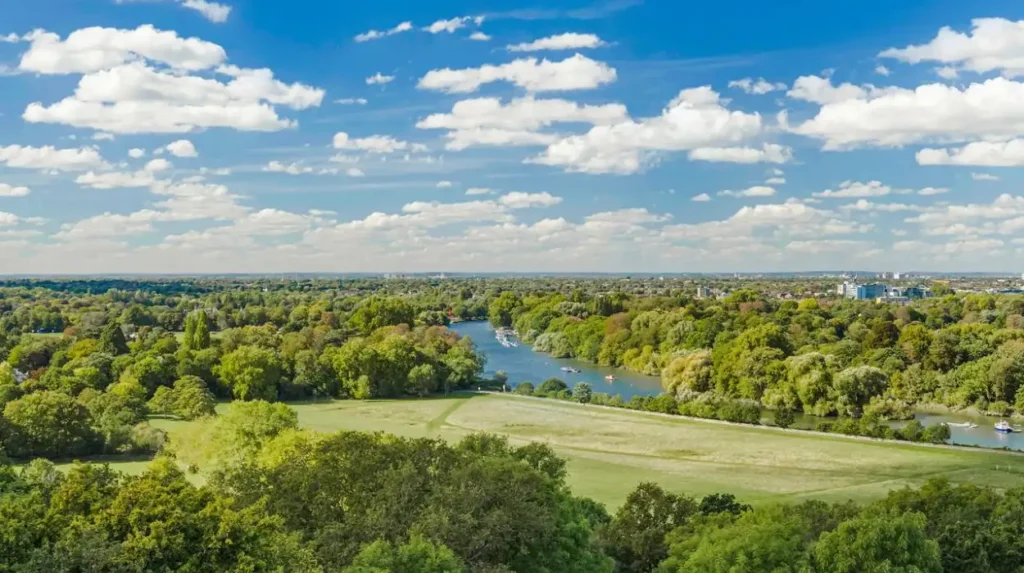
Richmond Hill, the Thames riverside and open spaces around Chiswick provide suitable environments for this lighting.
Blue Hour
Blue hour occurs during twilight when the sky takes on cooler blue tones.
It provides opportunities for photographing illuminated buildings, bridges and urban landscapes.
A tripod helps photographers maintain image sharpness during longer exposures.
Overcast Conditions
Cloud cover creates more diffused lighting.
This reduces harsh shadows and helps photographers capture facial details and building textures.
Overcast conditions are particularly useful for portrait photography in parks and gardens.
Seasonal Photography
West London changes visually throughout the year.
Kew Gardens and Isabella Plantation are particularly useful for seasonal botanical photography.
What Photography Equipment Is Essential for West London Locations?
Essential photography equipment depends on the subject, location and photographic style. A suitable camera, versatile lens, spare batteries, memory cards and stable support equipment provide a practical starting point for landscape, portrait, wildlife and architectural photography.
Photographers do not need identical equipment for every West London location.
Cameras
Digital cameras generally fall into two broad categories: DSLR cameras and mirrorless cameras.
DSLR cameras use an optical viewfinder and a mirror mechanism. Mirrorless cameras use electronic viewfinders or rear screens and do not require a reflex mirror.
Smartphones also provide useful photographic capabilities for casual photography, travel documentation and social media content.
Camera Lenses
Different lenses produce different image characteristics.
A wide-angle lens captures broad scenes and large buildings. It is useful around Kensington Palace, Kew Gardens and the Thames.
A standard zoom lens provides flexibility for everyday photography and portraits.
A telephoto lens helps capture wildlife at Richmond Park and distant architectural details.
A macro lens records small subjects such as flowers, insects and botanical textures.
Essential Accessories
Practical accessories include:
- Tripods for long exposures and stable architectural photographs.
- Polarising filters for managing reflections and enhancing skies.
- Spare batteries for extended outdoor sessions.
- Additional memory cards for storing high-resolution images.
- Camera bags for transporting equipment.
- Lens cleaning cloths for maintaining image quality.
Weather protection is particularly important when photographing around London’s riverside locations and open parks.
What Photography Rules and Permissions Apply in West London?
Photography permissions in West London depend on the location, purpose, equipment and type of activity. Casual photography in public spaces generally differs from organised commercial shoots, wedding photography and professional production, which can require advance permission or permits.
Understanding access rules is essential before organising a photographic session.
Photography in Public Places
Photographers generally take photographs from public streets and accessible public areas without needing a general photography licence.
However, this does not create unrestricted access to private property.
Shopping centres, private estates, transport facilities and commercial buildings can impose their own photography restrictions.
Photographers should check local conditions before conducting organised shoots.
Photography in Royal Parks
The Royal Parks organisation manages eight major London parks, including Hyde Park, Kensington Gardens, Richmond Park and Bushy Park.
The organisation distinguishes commercial photography from personal photography and provides separate permission arrangements.
Personal wedding and lifestyle photography in its parks requires a permit. The published arrangement allows a maximum of ten people for one hour per permit.
Commercial photography also requires the appropriate permission and documentation.
Photography at Kew Gardens
Kew Gardens has specific arrangements for personal photography and commercial photographic production.
Its commercial filming and photography service provides information about location fees, permits and available settings.
These settings include glasshouses, historic buildings, gardens and natural landscapes.
Photographers planning professional campaigns should contact Kew before arranging a shoot. Kew
Photography in Chelsea Gardens
Chelsea Embankment Gardens are managed by the Royal Borough of Kensington and Chelsea.
The council states that professional photography and events require permission in these gardens.
This demonstrates why photographers should check the rules of individual parks rather than assume that every public green space follows identical conditions. Royal Borough of Kensington and Chelsea
Copyright and Photograph Ownership
UK copyright law automatically protects original photographs as artistic works.
Photographers do not need to register their photographs or pay a registration fee to obtain copyright protection.
The copyright owner generally controls copying, distribution, public display and online publication, subject to applicable legal exceptions and licensing arrangements.
The UK Intellectual Property Office provides official guidance explaining photographic copyright and the protection of original creative work.
Photographers should also agree contractual terms with clients. These terms should explain image ownership, usage rights, commercial licensing, editing and publication permissions.
How Can Beginners Improve Their Photography Skills in West London?
Beginners improve photography skills through regular practice, camera-setting knowledge, lighting awareness and experimentation with different subjects. West London’s parks, museums, streets and riverside locations provide practical environments for learning composition, exposure, focus and image editing.
Learning photography does not require expensive equipment or professional studio access.
Beginners can start with a smartphone or entry-level digital camera and gradually develop technical skills.
Learn the Exposure Triangle
The exposure triangle describes the relationship between three camera settings:
Aperture controls the size of the lens opening and influences how much light enters the camera. It also affects depth of field.
Shutter speed controls how long the camera sensor receives light. Fast shutter speeds help freeze moving subjects, while slower speeds create motion effects.
ISO controls the camera sensor’s sensitivity setting. Higher ISO settings help photograph darker environments but generally introduce more image noise.
Understanding these three settings provides a foundation for manual photography.
Practise Composition
Composition determines how subjects and visual elements appear within a photograph.
The rule of thirds divides an image into nine sections using two horizontal and two vertical lines. Placing important subjects near these lines helps create balanced compositions.
Leading lines direct the viewer’s attention towards a subject. Bridges, pathways, railway lines and canal edges provide useful examples.
Framing uses surrounding objects to create visual boundaries around the main subject. Trees, archways and building entrances provide natural framing opportunities.
Experiment With Different Locations
Beginners should practise different photography styles rather than concentrating on a single subject.
Richmond Park helps develop wildlife and landscape photography skills.
Kew Gardens provides opportunities for botanical and architectural photography.
Little Venice supports reflections, street photography and urban compositions.
Kensington Gardens provides suitable surroundings for portrait and family photography.
Repeated practice in different environments helps photographers understand how lighting, backgrounds and subject movement affect image quality.
Which Photography Exhibitions and Institutions Can You Explore in West London?
West London offers access to important photographic institutions, including the V&A Photography Centre in South Kensington. Museums and galleries provide opportunities to study historical photographs, contemporary visual art, photographic techniques and the development of professional image-making.
Photography institutions support education, research and creative development.
V&A Photography Centre
The Victoria and Albert Museum is one of the most important institutions for photographic history.
Its Photography Centre contains seven galleries dedicated to photography.
The displays explore historical photographic techniques, photographic books, digital practices and contemporary work.
The museum’s photography collection contains approximately 800,000 photographs dating from the 1820s to the present.
Its historical holdings include works associated with William Henry Fox Talbot, Julia Margaret Cameron and Eadweard Muybridge. V&A+1
Visitors can study how cameras, printing processes, photographic styles and visual communication have changed over time.
Royal Photographic Society Collection
The Royal Photographic Society (RPS) is a significant organisation in British photographic history.
Its collection transferred to the V&A in 2017, substantially expanding the museum’s photographic holdings.
The collection includes photographs, negatives, cameras, books, journals and historical photographic equipment.
The RPS Library contains more than 20,000 books, journals, pamphlets and manuals, according to the V&A’s Photography Centre information. V&A
Photography Education and Research
Photography education includes technical training, artistic development and professional practice.
Museums provide historical knowledge, while photography courses and workshops help participants develop practical skills.
Subjects commonly covered include camera operation, lighting, composition, editing, portraiture and visual storytelling.
These learning opportunities support beginners, students and experienced photographers seeking to develop specialised techniques.
How Does Professional Photography Support West London Businesses?
Professional photography supports West London businesses by improving product presentation, brand communication, advertising materials and online visibility. High-quality photographs help customers understand products, recognise business locations and assess services before making purchasing decisions.
Photography plays an important role in modern business communication.
West London contains independent retailers, restaurants, hotels, property agencies, professional services and creative businesses. These organisations use images across websites, online marketplaces, social media and promotional campaigns.
Photography for Retail Businesses
Retailers use product photography to display merchandise accurately.
Clothing businesses require detailed images showing fabric, colour, fit and product features.
Furniture retailers need images showing dimensions, materials and products within realistic interior settings.
Clear photographs help customers evaluate merchandise before visiting a store or completing an online purchase.
Photography for Restaurants and Hospitality
Restaurants use food photography to present dishes, menus and dining environments.
Hotels use professional photography to showcase guest rooms, facilities, restaurants and surrounding attractions.
West London’s hospitality businesses benefit from consistent images across booking platforms, websites and promotional materials.
Photography for Estate Agents
Property photography helps estate agents present residential and commercial properties.
Photographers capture room layouts, natural light, exterior architecture and important property features.
Wide-angle lenses are frequently used for interior photography, although photographers must maintain realistic proportions and avoid misleading image editing.
Photography for Corporate Businesses
Corporate photography includes staff portraits, office interiors, business events and executive headshots.
Companies use these images for websites, annual reports, recruitment materials and professional communications.
Consistent photographic styles help businesses maintain a recognisable visual identity.
What Are the Main Challenges of Photography in West London?
Photography in West London involves challenges related to weather, crowds, location permissions, changing light, restricted access and environmental conditions. Professional preparation, suitable equipment and location research help photographers manage these issues and produce reliable results.
Understanding practical limitations improves photographic planning.
Unpredictable Weather
London weather changes throughout the year.
Rain, cloud cover and wind influence outdoor photography, particularly in exposed locations such as Richmond Park and the Thames riverside.
Photographers should carry weather-resistant equipment protection and check forecasts before important sessions.
Crowded Locations
Popular attractions experience higher visitor numbers during weekends, school holidays and major events.
Kew Gardens, Portobello Road and Kensington Gardens can become busy during peak visiting periods.
Early morning sessions often provide better opportunities for photographs with fewer people in the background.
Restricted Access
Historic buildings, gardens and commercial venues operate different access arrangements.
Some locations restrict tripods, lighting equipment, commercial activity or organised group photography.
Photographers should confirm permissions before travelling with professional equipment.
Lighting Limitations
Historic buildings and indoor locations often have limited natural light.
Photographers must select appropriate shutter speeds, apertures and ISO settings to maintain image quality.
Artificial lighting and reflectors provide additional control when permitted.
Protecting Natural Environments
Nature photographers must avoid damaging plants, disturbing wildlife and entering restricted areas.
Richmond Park and Kew Gardens contain important natural and botanical environments.
Responsible photography protects these locations and supports continued public access.
Explore More Area Guide
Creative Studios in West London: Artists, Photography and Film Spaces
Artists in West London: Famous Painters, History and Art Scene
What Is the Future of Photography in West London?
The future of photography in West London is connected to digital technology, social media, commercial content production, cultural documentation and environmental awareness. Growing demand for visual communication continues to create opportunities for photographers across tourism, retail, property, hospitality and creative industries.
Photography continues to evolve through improvements in camera technology and digital production.
Artificial Intelligence and Image Editing
Artificial intelligence is changing photographic editing and image organisation.
Modern software supports subject selection, background removal, image enhancement and noise reduction.
Photographers increasingly combine traditional camera techniques with automated editing tools.
However, commercial and documentary photographers must maintain accuracy and disclose substantial alterations when required by professional or editorial standards.
Social Media Photography
Social media platforms increase demand for photographs designed for digital audiences.
Businesses use portrait images, product photographs, short-form visual content and location photography to communicate with customers.
West London’s markets, parks, restaurants and historic locations provide subjects for travel creators, local publishers and commercial content producers.
Environmental and Documentary Photography
Environmental photography documents landscapes, biodiversity, urban development and the effects of human activity.
Photographers can record seasonal changes in Richmond Park, botanical developments at Kew and regeneration around West London’s waterways.
Documentary images also provide a visual record of changing neighbourhoods and community activities.
Professional Opportunities
Photography continues to support several professional sectors.
These include wedding services, commercial advertising, property marketing, tourism, editorial production, fashion and corporate communications.
Photographers who combine technical skills with location knowledge and effective client communication can work across multiple industries.
West London’s combination of cultural institutions, green spaces, commercial districts and residential neighbourhoods provides a varied environment for this creative activity.
Why Is West London Worth Exploring Through Photography?
West London provides a wide range of photographic environments, from historic royal buildings and Victorian architecture to botanical gardens, riverside landscapes and modern commercial districts.
Richmond Park offers wildlife and landscape photography, Kew Gardens provides botanical and architectural subjects, and Kensington contains important cultural institutions. Little Venice, Chiswick and Hammersmith provide additional opportunities for urban and riverside photography.
The area’s photographic identity also reflects its historical development, cultural diversity and changing urban environment. Professional photographers, beginners, tourists and local residents can all find suitable locations and subjects.
Understanding photography techniques, seasonal conditions, equipment and location permissions helps photographers make better use of these opportunities. West London therefore remains an important destination for photography, creative production and visual documentation.
What are the best photography locations in West London?
Some of the best photography locations in West London include Richmond Park, Kew Gardens, Kensington Gardens, Holland Park, Little Venice and Chiswick House. These destinations offer beautiful landscapes, historic architecture, gardens and riverside views.