


Key Points
- Major Appointment: Engineering professional services firm WSP has been appointed alongside partners Fereday Pollard and Costain to support the development of the West London Orbital (WLO) rail project.
- Project Scope: The initiative targets an 18.5km route connecting Hounslow in the south to Hendon in the north, integrating key locations like Brent Cross, Brentford, Acton, and Old Oak Common.
- Collaborative Support: WSP will provide multidisciplinary technical and programme support to Transport for London (TfL), focusing on business case formulation, funding strategies, timetable drafting, and demand forecasting.
- Foundational Studies: The appointment builds on WSP’s previous advisory work carried out since 2019 alongside the West London Alliance, BusinessLDN, and Capital West London.
- Public Engagement: TfL is currently moving forward with its initial public consultation phase to harvest community and stakeholder feedback to shape future project iterations.
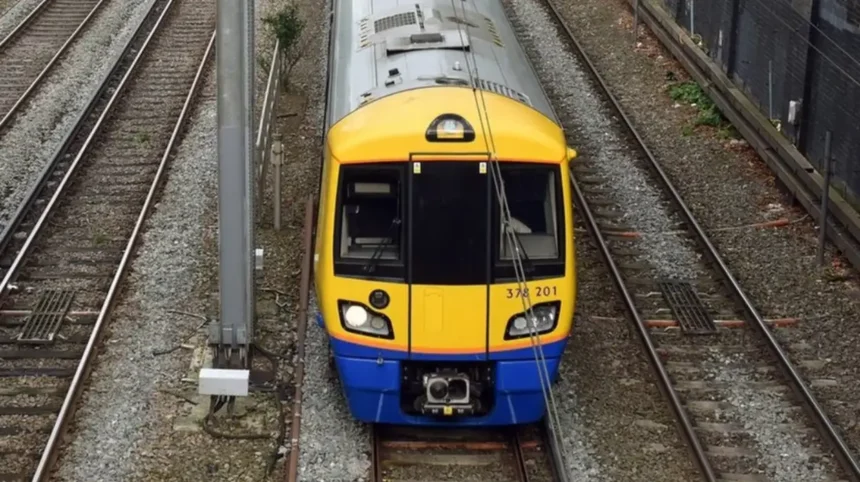
London WSP to Help Develop West London Orbital (West London Times) November 2, 2026 – Transport for London (TfL) has formally enlisted engineering consultant WSP, working alongside partners Fereday Pollard and Costain, to deliver essential technical and programmatic support for the progression of the proposed West London Orbital (WLO) railway line. The strategic development aims to transform urban connectivity across the capital’s western and north-western corridors.
What is the Scope of the West London Orbital Project?
As reported by The Construction Index, the initiative centres on a proposed 18.5-kilometre route designed to connect uk/local/hounslow/">Hounslow in the south to Hendon in the north. The infrastructure alignment has the potential to dramatically improve orbital transport connectivity by linking several vital communities and destinations, including Brentford, Acton, Brent Cross, and Old Oak Common.
As detailed by trade publications covering the announcement, WSP will work directly with TfL alongside partners Fereday Pollard and Costain. The team’s core responsibility involves providing multidisciplinary technical and programme support as TfL continues to evaluate how the prospective route can be successfully developed and delivered.
How Does the Appointment Build on Previous Work?
Industry analysts note that the latest agreement draws heavily on WSP’s long-standing familiarity with west London’s complex transport, development, and stakeholder landscape. Since 2019, various WSP teams have supported related exploratory work in partnership with the West London Alliance, BusinessLDN, and Capital West London.
These historical studies focused on examining how enhanced orbital connectivity could stimulate local housing delivery, create new employment opportunities, and foster sustainable economic growth across the subregion.
What Are the Next Steps for TfL and Its Partners?
According to project timelines outlined following the appointment, the upcoming stage of work will encompass comprehensive stakeholder engagement exercises, detailed timetable creation, and rigorous demand forecasting activities. Additionally, the consortium will concentrate heavily on business case formulation and funding strategy development as TfL continues to appraise the proposal and pinpoint a preferred structural option.
TfL is currently progressing with its initial public consultation regarding the scheme. Feedback gathered from local residents, businesses, and community groups will play a vital role in informing the subsequent design phases of the project.
Background of the Particular Development
The concept of the West London Orbital has evolved over several years as a key strategic aspiration for the capital to make more efficient use of underutilised and freight-dominated rail corridors. Historically, public transport networks in London have exhibited a heavily central-radial bias, making orbital cross-borough journeys by public transit slow and complicated.
Recognising that poor sub-regional connectivity hindered economic productivity, local authorities, business groups, and the Mayor of London championed the WLO as a cost-effective solution that leverages existing rail assets rather than constructing an entirely new underground network from scratch. Sustained lobbying and preliminary feasibility assessments by bodies like the West London Alliance paved the way for TfL to formally integrate the scheme into its planning frameworks, leading directly to the current phase of technical refinement and public consultation.
Prediction: How This Development Can Affect London Commuters and Local Communities
The progression of the West London Orbital project carries profound implications for commuters, residents, and businesses across West and North-West London. If successfully delivered through the upcoming phases of business case approval and funding allocation, the rail line is projected to slash cross-borough travel times significantly, improve access to major transport hubs like HS2 at Old Oak Common, and connect hundreds of thousands of residents to education and employment centers.
For local communities in boroughs such as Hounslow, Brent, and Ealing, the scheme promises to unlock land for tens of thousands of new homes and stimulate transit-oriented regeneration. However, as engineers and planners move into detailed design, local residents and commuters may experience temporary disruption during construction phases, while stakeholders will closely monitor how project leads manage complex urban brownfield interfaces, noise constraints, and tight rail integration.