Key Points:
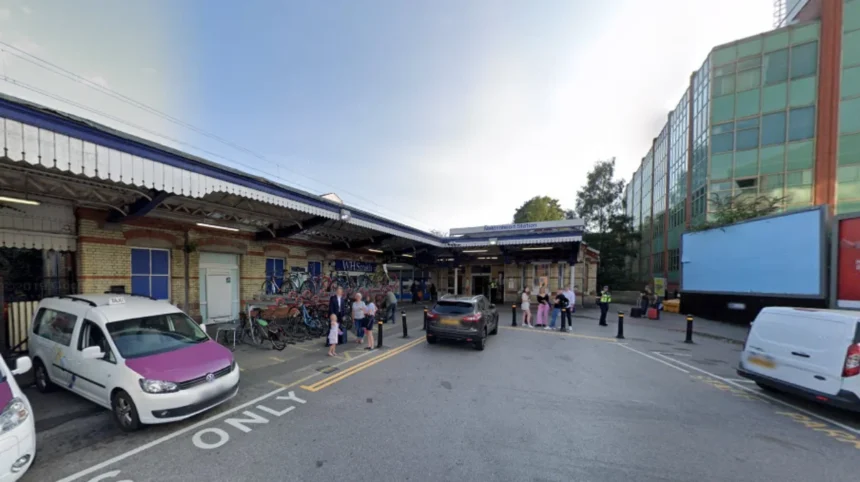
- Fatal Incident on Tracks: A person has sadly died after being struck by a train between Reading and London Paddington, with emergency services responding to Hanwell railway station.
- Emergency Services Response: British Transport Police and paramedics rushed to Hanwell station following reports of a casualty on the tracks at 6:16 AM.
- Non-Suspicious Death: British Transport Police confirmed that the incident is not being treated as suspicious and a file is being prepared for the coroner.
- Severe Travel Disruptions: Elizabeth line and Great Western Railway (GWR) services are facing major cancellations, delays of up to 60 minutes, and revisions.
- Affected Stations: The mainline serving commuters across Maidenhead, Slough, Langley, Twyford, and surrounding areas has experienced blocked lines.
- Ticket Acceptance Schemes: GWR and Elizabeth line tickets are being accepted on alternative routes, including Chiltern Railway and South Western Railway services.
- Extended Delays: National Rail warned that major disruption across the key commuter corridor is expected to persist until 12:00 PM.
uk/local/ealing/hanwell/">Hanwell, West London (West London Times) October 27, 2026 — A fatal railway incident at Hanwell station has caused major disruption to Elizabeth line and Great Western Railway services between London Paddington and Reading, affecting commuters travelling through Maidenhead, Slough, Langley and Twyford. British Transport Police confirmed that a person died after being struck by a train, with the death not being treated as suspicious.
The incident has resulted in cancellations, delays of up to 60 minutes and revised services, with alternative travel arrangements available through Chiltern Railway and South Western Railway. National Rail expects major disruption to continue until 12:00 PM.
## What Caused the Major Train Disruption Between Reading and London Paddington?
As reported by Sam Leech of the Maidenhead Advertiser, major disruption has hit rail networks across the Thames Valley following an emergency incident on the railway line between Reading and London Paddington. National Rail announced that multiple lines were blocked after emergency services rushed to the scene to handle an urgent situation.
According to official updates from transport authorities, the disruption stems from an incident reported early in the morning, forcing operators to halt or revise services running between London Paddington, Heathrow Terminals, and Reading. Commuters traveling through key regional stations including Maidenhead, Slough, Langley, and Twyford have faced severe setbacks, with services subjected to cancellations and extensive delays of up to 60 minutes.
## What Did British Transport Police Reveal About the Hanwell Station Incident?
As reported by Sam Leech of the Maidenhead Advertiser, British Transport Police confirmed that a person sadly died at the scene after being struck by a train on the tracks. Emergency response teams were dispatched immediately upon receiving initial emergency calls.
A British Transport Police spokesperson stated regarding the callout: “We were called to Hanwell railway station at 6.16am today (27 October) to reports of a casualty on the tracks.”
The spokesperson further added: “Officers attended alongside paramedics but sadly a person was pronounced dead at the scene. This incident is not being treated as suspicious and a file will be prepared for the coroner.”
## How Are GWR and Elizabeth Line Services Responding to the Blocked Lines?
As reported by Sam Leech of the Maidenhead Advertiser, both the Elizabeth line and Great Western Railway (GWR) have experienced significant operational bottlenecks while emergency personnel carry out investigations at the location. Because key lines remain restricted for safety, operators have had to implement emergency timetable revisions.
National Rail outlined the operational impact on its official channels, noting: “The emergency services are currently dealing with an incident between London Paddington and Heathrow Terminals / Reading. So that they can safely carry out their work, some lines have been closed.”
National Rail also advised passengers on the scale of delays, stating: “Trains operating between these stations may be cancelled, delayed by up to 60 minutes or revised as a result. Major disruption is expected until 12:00.”
Explore more West London Travel and Traffic News:
West London Waterfront Attractions: Canals, Parks and Riverside Walks
West London Canal Towpaths: Best Walks, History and Visitor Guide
## What Alternative Travel Arrangements Are Available for Stranded Passengers?
As reported by Sam Leech of the Maidenhead Advertiser, transport providers have established cross-operator ticket acceptance agreements to help stranded commuters navigate around the blocked mainline corridor.
Passengers holding valid GWR and Elizabeth line tickets are permitted to use alternative services. Tickets are being accepted on Chiltern Railway trains operating between High Wycombe and Paddington, as well as on South Western Railway services running between Reading and London Waterloo. Commuters have also been urged to monitor the National Rail website and individual operator feeds for real-time schedule adjustments and station-specific advice before attempting to travel.
Background of the Particular Development
The rail corridor connecting Reading and London Paddington via Maidenhead and Slough is one of the busiest and most vital commuter arteries in the United Kingdom. Managed heavily by Network Rail, Great Western Railway, and the Elizabeth line, this route carries tens of thousands of business and leisure passengers daily into the capital. Incidents requiring emergency service intervention on this high-speed, high-frequency line routinely trigger cascading knock-on delays across the entire Western network. Transport authorities and mental health charities continue to collaborate extensively across the UK rail network to implement preventative safety measures, station interventions, and support programs aimed at reducing fatalities on railway tracks.
Prediction
This sudden disruption severely impacts daily commuters, business travelers, and regional workforce movement across Berkshire, West London, and the Thames Valley. The immediate effect includes severe overcrowding at interchange stations, missed professional appointments, and logistical bottlenecks for local enterprises relying on timely staff arrivals. Over the longer term, recurring emergency incidents on high-speed rail lines intensify ongoing public discourse surrounding passenger wellbeing, rail network resilience, and the implementation of enhanced physical track safety barriers. For regular commuters and local residents, such delays reinforce the critical necessity for robust multi-modal transport contingency plans and efficient cross-operator ticket acceptance protocols during unexpected crises.