Key Points
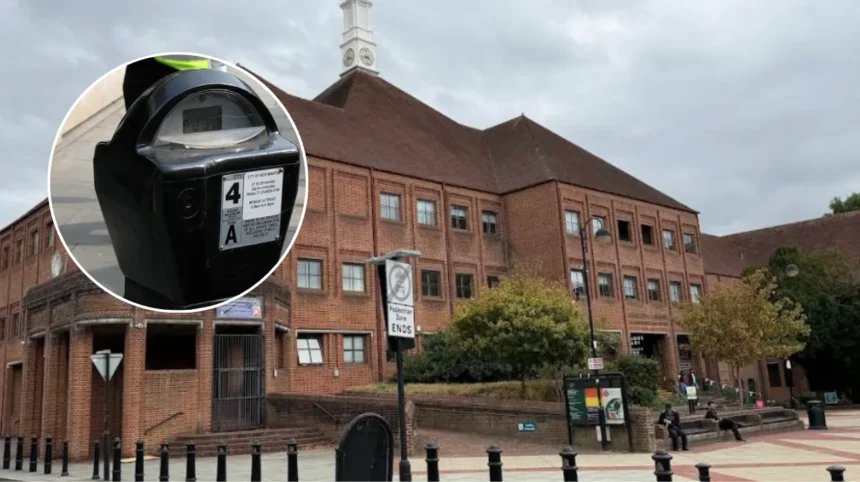
- 70 Per Cent Parking Hike: Hillingdon Council has approved significant increases to parking fees, raising local resident charges by up to 73 per cent for short-term stays.
- Reduction in Resident Discounts: The discount provided by the Hillingdon First card will drop sharply from approximately 40 per cent to just 10 per cent.
- Permit Fee Rises: Resident parking permits will increase by 15 per cent, taking the annual cost of a first-vehicle permit from £92.40 to £106.30.
- Implementation Date: The new parking tariff structure is scheduled to take effect across the borough from April 2026.
- Political Controversy: Danny Beales, Labour MP for Uxbridge and South Ruislip, has strongly criticised the move, warning it could severely harm local high streets, whilst the Conservative-led cabinet defends the decision as financially necessary.
uk/local/hillingdon/">Hillingdon, (West London Times) October 27, 2026 — Local residents across the London Borough of Hillingdon face a sharp increase in parking charges after senior councillors voted to pass sweeping price hikes, raising local pay-and-display fees by up to 73 per cent from April 2026. The decision by the Conservative-led local authority has sparked immediate political backlash, with critics warning that the drastic reduction in resident discounts will hurt local businesses and burden household budgets.
Why Is Hillingdon Council Raising Parking Fees by 70 Per Cent?
As reported by Noah Vickers of The Standard, Hillingdon Council’s Cabinet approved measures that will see parking charges for local residents increase substantially across all time bands. Under the new policy, the council is raising base on-street parking tariffs by 15 per cent whilst simultaneously restructuring the discount offered to local residents.
- Key Points
- Why Is Hillingdon Council Raising Parking Fees by 70 Per Cent?
- How Much More Will Hillingdon Residents Pay for Parking?
- What Is the Opposition and Local Reaction to the Parking Hike?
- Background of Hillingdon Parking Charges and Resident Schemes
- Prediction: How Will This Development Affect Local Residents and Businesses?
The local authority operates the free Hillingdon First card scheme, which historically provided residents with a discount of roughly 40 per cent on local parking. Under the newly approved policy, this resident discount will be reduced to just 10 per cent, resulting in an effective fee hike of up to 70 per cent for local drivers.
As reported by Philip Lynne of MyLondon, Councillor Eddie Lavery, Cabinet Member for Finance, defended the financial adjustments during the cabinet meeting, stating:
“Hillingdon residents have for many years had levels of fees and charges and council tax significantly below that of other authorities. Whilst we wish to remain a lower charging authority, the current levels are not sustainable.”
The local council maintained that adjusting the fee structures was critical to ensuring the ongoing sustainability of basic municipal services amidst wider economic pressures facing local government authorities.
How Much More Will Hillingdon Residents Pay for Parking?
Data shared by the Labour Party and reported by The Standard outlines specific price escalations across on-street pay-and-display tariffs for resident cardholders:
- Up to 1 hour: Parking charges will increase from £1.50 to £2.60 — an increase of 73 per cent.
- Up to 1.5 hours: Parking charges will rise from £2.40 to £4.10.
- Up to 2 hours: Parking charges will increase from £3.30 to £5.70.
- Additional Time: Every 20-minute interval thereafter will cost drivers £1.40, up from the previous rate of £0.80.
In addition to short-stay tariffs, residential parking permit fees are also set to increase by 15 per cent. A first-vehicle resident permit will increase from £92.40 to £106.30 per year.
The wider changes to fees and charges within the borough also extend beyond parking. Charges at council-run leisure centres will increase by 4 per cent from 1 December 2026, alongside higher booking fees for outdoor sports facilities, tennis courts, and football pitches. Furthermore, while garden waste collection fees are being reduced by £8 per year, bulky waste collection charges for four to six items will rise from £53 to £70, and the over-65s concessionary rate for bulky waste removal has been officially removed.
Explore more Hillingdon News:
Unauthorised Extension Leads to Massive Court Fine in Uxbridge 2026
Hillingdon Council Pays £1,950 Compensation to Pregnant Mother in Hillingdon 2026
What Is the Opposition and Local Reaction to the Parking Hike?
As reported by The Standard, the decision has drawn fierce criticism from local political representatives and community groups who argue that the rate hikes will penalise residents and deter shoppers from visiting local town centres.
Danny Beales, the Labour MP for Uxbridge and South Ruislip, expressed strong opposition to the measures, highlighting the potential consequences for high street trade. As reported by The Standard, Mr Beales suggested that the move could hurt the borough’s high streets by discouraging local residents from shopping in town centres such as Uxbridge, Ruislip, and Hayes, where small businesses are already competing against online retailers.
Community groups have similarly expressed concern over the abrupt reduction in the Hillingdon First discount scheme. Representatives from local resident associations pointed out that the 73 per cent price hike on short-term parking hits motorists who make brief trips to access local essential services, pharmacies, and small shops.
Background of Hillingdon Parking Charges and Resident Schemes
Hillingdon Council has historically prided itself on maintaining lower fees, charges, and council tax rates compared to neighbouring London boroughs. Central to this policy was the introduction of the Hillingdon First card, an initiative designed exclusively for borough residents to grant preferential rates on parking, leisure services, and local library facilities.
For over a decade, the Hillingdon First scheme allowed local drivers to enjoy a substantial discount of around 40 per cent compared to non-resident parking rates, serving as a key policy tool for the Conservative administration to demonstrate local taxpayer value. However, local authorities across Greater London have faced acute financial pressures driven by inflation, elevated operational costs, and rising demand for statutory social care services.
In response to these budget constraints, Hillingdon Council initiated comprehensive reviews of its municipal revenue streams, leading to the draft budget proposals and cabinet decisions that significantly scale back historical subsidies and concessionary discounts across leisure, waste, and parking services.
Prediction: How Will This Development Affect Local Residents and Businesses?
The implementation of the 70 per cent parking fee hike in April 2026 is expected to have direct economic and behavioural impacts on several key demographic groups across Hillingdon:
- Local High Street Retailers and Small Businesses: Independent business owners in town centres such as Uxbridge, Ruislip, Northwood, and Yiewsley may experience reduced footfall. As short-stay parking prices increase from £1.50 to £2.60 per hour, casual shoppers may reduce the frequency of quick high-street errands or opt to visit out-of-town retail parks with free parking facilities.
- Borough Motorists and Low-Income Households: Drivers who rely on private vehicles for daily errands, medical visits, or school runs will experience an immediate increase in living costs. The reduction of the resident discount from 40 per cent to 10 per cent, coupled with higher annual permit costs, adds a recurring financial burden at a time when household budgets remain constrained.
- Elderly Residents: The combination of higher parking charges and the elimination of the over-65s concessionary rate for bulky waste collection will disproportionately affect senior citizens on fixed pensions who depend on local driving for mobility and independence.
- Local Traffic Patterns: The higher cost of short-term on-street parking may lead to increased parking displacement, where drivers seek out unrestricted side streets in residential neighbourhoods to avoid pay-and-display fees, potentially leading to heightened congestion in suburban roads.