Key Points:
- A mysterious figure dressed as Batman has captured public attention across London by performing unexpected acts of public service and generosity.
- The masked vigilante has been spotted handing out £93 fuel vouchers at a southeast London petrol station, filling potholes, and cleaning up litter.
- Additional good deeds attributed to the figure include paying hospital parking fines, helping elderly pedestrians cross busy streets, and selling heavily discounted snacks.
- Social media speculation on TikTok and Instagram went viral, with many users pointing to British prankster and YouTuber Niko Omilana as the person behind the mask.
- As reported by Joe Pring of Dexerto, the BBC contacted Niko Omilana directly regarding the rumors, prompting the content creator to issue a direct voice-note denial stating, “Hi, BBC. Just to tell you, I’m not Batman. I can’t believe people keep saying that I’m Batman.”
- Despite denials, the true identity of London’s Batman remains completely unverified, continuing to baffle authorities and captivate online audiences.
London (West London Times) October 22, 2026 – Londoners have been left both baffled and amused by the sudden appearance of a vigilante wearing a Batman costume who has been touring the capital to distribute free fuel vouchers, repair community infrastructure, and settle minor parking fines. While viral social media videos have racked up millions of views and sparked fierce online debate regarding his true identity, the anonymous philanthropist continues to operate entirely under the radar, leaving authorities and citizens searching for answers.
- Key Points:
- Who is London’s mystery Batman and what has he done?
- Why do social media users suspect YouTuber Niko Omilana?
- What is the wider public reaction to the masked philanthropist?
- Background of the mystery vigilante phenomenon in London
- How this viral development will affect London motorists and residents
Who is London’s mystery Batman and what has he done?
As reported by Tommy-lee Venghaus of EarlyGame, the masked figure first captured widespread attention after videos began surfacing across TikTok and Instagram depicting a person in a full Batman costume executing unexpected acts of charity. Unlike comic book heroes focused on combating violent crime, this real-life iteration has dedicated his crusade to alleviating everyday financial pressures for ordinary citizens.
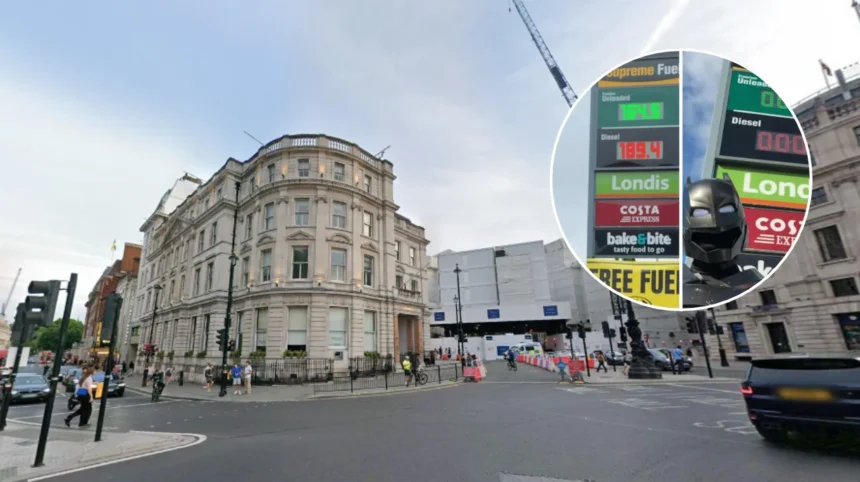
On October 16, 2026, the mysterious individual was documented visiting a petrol station located in southeast London. According to accounts detailed by Joe Pring of Dexerto, the masked hero handed out fuel vouchers worth approximately £93 each to astonished motorists. The impromptu giveaway sparked massive queues and temporary traffic congestion as word spread rapidly across social media platforms.
Beyond fuel subsidies, eyewitness reports and social media documentation attribute several other community-minded stunts to the vigilante. These include filling local potholes, cleaning up public litter, selling candy bars at heavily discounted prices, covering hospital parking fines, and assisting elderly residents across busy London thoroughfares.
Why do social media users suspect YouTuber Niko Omilana?
The unprecedented nature of the stunts instantly propelled London’s Batman into viral stardom, triggering intense speculation in comment sections across the internet. Due to the high-production style and scale of the giveaways, many online sleuths pointed the finger directly at British YouTuber and prankster Niko Omilana, renowned for his elaborate public stunts, undercover political campaigns, and satirical news conferences.
As outlined in reports by Joe Pring of Dexerto, the swirling gossip gained so much momentum that the BBC felt compelled to reach out directly to Omilana to verify whether he had secretly donned the cape and cowl.
Addressing the persistent rumours, Omilana firmly shut down the theory via a voice note sent to the broadcaster. As quoted by Joe Pring of Dexerto, Omilana stated:
“Hi, BBC. Just to tell you, I’m not Batman. I can’t believe people keep saying that I’m Batman.”
Despite the content creator’s explicit denial, skepticism remains high among internet commentators who note that theatrical denials are a hallmark of viral prank culture.
What is the wider public reaction to the masked philanthropist?
The reaction from London residents has been overwhelmingly positive, with many welcoming the lighthearted relief amidst challenging economic times. Local communities have praised the selfless acts, whether aimed at easing soaring fuel costs or improving local roads.
As noted by Tommy-lee Venghaus of EarlyGame, whether the phenomenon turns out to be an elaborate social experiment orchestrated by a content creator, a rogue philanthropist, or an anonymous citizen taking matters into their own hands, the capital’s population has embraced the mystery with immense fascination.
Exolore more UK News:
Norwegian Teenager Sentenced To 20 Years For UK Murder Plot London 2026
Eleven Arrested at London Pro-Palestinian Marches UK 2026
Background of the mystery vigilante phenomenon in London
Anonymous philanthropy and vigilante goodwill have a long, storied history in urban folklore, particularly within major metropolitan centres like London. Throughout modern history, various masked or anonymous figures have periodically emerged during periods of economic strain or social fatigue to perform unannounced acts of charity.
In the case of London’s Batman, the development builds upon the modern era of social media-driven activism, where digital platforms amplify localized acts of kindness into global spectacles. Unlike traditional charitable organizations operating through bureaucratic channels, viral modern vigilantes leverage anonymity and theatrical disguise to capture public imagination, bypass red tape, and deliver immediate, tangible relief to working-class citizens grappling with cost-of-living pressures.
How this viral development will affect London motorists and residents
Looking ahead, the ongoing mystery surrounding London’s Batman is poised to reshape how local communities interact with digital content creators and public stunts. For London motorists and daily commuters, the immediate impact includes heightened anticipation at petrol stations and public spaces, as copycats and amateur sleuths attempt to recreate or uncover the stunts.
Furthermore, this viral phenomenon is likely to increase scrutiny from local authorities and transport police regarding unauthorized public giveaways that cause traffic congestion. For the broader public audience of London residents, the development fosters a stronger sense of shared community humour and skepticism, while reminding citizens how easily viral narratives can captivate public discourse in an era dominated by social media algorithms.