West London has a rich history shaped by Roman settlement, royal estates, religious institutions, industrial development, transport expansion and wartime events. Areas such as Kensington, uk/local/richmond-upon-thames/richmond/">Richmond, fulham/hammersmith/">Hammersmith, Ealing, hounslow/chiswick/">Chiswick, Brentford and Hounslow preserve evidence of these changes through historic buildings, archaeological discoveries, museums and public spaces. The region developed from rural settlements and riverside communities into a major part of modern London.
- What Is the Historical Background of West London?
- How Did Roman Britain Influence West London?
- What Role Did the River Thames Play in West London’s History?
- How Did Royal Families Shape West London?
- How Did Kensington Palace Influence British History?
- Why Is Hampton Court Palace Important to West London’s Wider History?
- How Did Richmond and Kew Develop Royal Connections?
- Which Historic Buildings Reveal West London’s Georgian and Victorian Past?
- How Did Railways Transform West London During the Nineteenth Century?
- What Historical Events Shaped West London During the Industrial Revolution?
- How Did the Second World War Affect West London?
- How Did Air Raids Affect West London Communities?
- How Did West London’s Industries Support the War Effort?
- What Was the Long-Term Impact of the War?
- Which Historic Places Can Visitors Explore in West London Today?
- Why Is the Royal Botanic Gardens, Kew, Historically Significant?
- What Can Visitors Learn at Gunnersbury Park Museum?
- How Does Chiswick House Explain Eighteenth-Century Design?
- What Makes Syon House an Important Historic Landmark?
- How Did Migration Shape West London’s History and Culture?
- How Can People Research the History of West London?
- Which Archives and Institutions Provide Historical Records?
- How Can Historic Maps Explain West London’s Development?
- Why Are Historic England Records Important?
- Why Does West London’s History Matter Today?
Understanding historical events in West London explains how the area acquired its distinctive character. Royal residences influenced its architecture, the River Thames supported trade and transport, and railways transformed local communities during the nineteenth century. The Second World War also affected West London through bombing, military activity and industrial production. Today, these historical connections remain visible in landmarks, conservation areas and cultural institutions across the region.
What Is the Historical Background of West London?
West London’s history describes the development of communities west of central London, from prehistoric settlement and Roman Britain to medieval villages, royal estates and modern urban districts. Its location beside the River Thames, fertile land and transport routes influenced settlement, trade, government and population growth.
West London is a geographical term covering districts west of central London, including Kensington, Chelsea, Hammersmith, Fulham, Ealing, Hounslow, Brentford and Richmond. Its boundaries vary according to historical, administrative and cultural definitions.
Before modern London expanded westwards, much of the region consisted of villages, farmland, woodland, estates and riverside settlements. The River Thames provided a natural route for transporting goods and connecting communities. Smaller waterways, including the River Brent, also supported local activity.
Roman Britain introduced new systems of administration, road construction, trade and settlement across the region. During the medieval period, churches, manors, agricultural communities and market settlements shaped local life. Later, royal estates and wealthy landowners influenced the development of large houses and landscaped gardens.
The arrival of railways during the nineteenth century accelerated population growth. Former villages became connected to London’s commercial centre, encouraging housing development and industry. Twentieth-century suburban expansion, wartime damage and post-war reconstruction subsequently transformed the landscape.
These historical stages explain why West London contains Roman archaeological evidence, medieval churches, Georgian houses, Victorian railway buildings and modern urban developments within the same geographical area.
How Did Roman Britain Influence West London?
Roman Britain influenced West London through roads, settlement, trade and regional administration after the Roman conquest of Britain in AD 43. Archaeological evidence across the wider London region demonstrates Roman occupation, although the scale of Roman settlement varied between individual West London districts.
The Roman conquest established a new political and economic system in southern Britain. Londinium, founded during the first century AD, developed into an important commercial and administrative centre. Its growth influenced settlements and transport routes beyond the city itself.
West London’s position along the Thames connected the wider region with Londinium and other communities. Rivers provided routes for moving agricultural produce, construction materials and other goods. Roman roads also supported communication between settlements and administrative centres.
Archaeologists investigate Roman activity through pottery, coins, building remains, burial evidence and other material discoveries. These objects help establish when communities occupied particular locations and how people participated in trade.
Brentford and the surrounding Thames corridor have particular significance in studies of early settlement and transport. However, the history of each locality requires evidence specific to its archaeological record. Not every modern West London district developed into a substantial Roman town.
Roman influence also extended beyond physical infrastructure. Roman Britain introduced administrative practices, monetary exchange and new patterns of consumption that affected communities across the province.
The Roman period ended as imperial authority withdrew from Britain during the early fifth century. Nevertheless, the roads, settlements and trading relationships established during Roman rule formed part of the region’s longer history of connectivity.
What Role Did the River Thames Play in West London’s History?
The River Thames shaped West London’s history by supporting transport, trade, fishing, riverside industries and settlement. Communities around Richmond, Chiswick, Hammersmith, Fulham and Brentford benefited from access to the river, which connected local economies with central London and other Thames-side destinations.
For centuries, the Thames served as an important transport corridor. Before modern roads and railways became widespread, boats carried goods and passengers between riverside communities. Agricultural produce, building materials and commercial goods moved through the river network.
Brentford developed around a strategic position near the confluence of the River Brent and the Thames. Its location supported movement between inland routes and the main river. The town later became associated with markets, manufacturing and transport.
Further east, Hammersmith and Fulham developed important relationships with the Thames. Riverside activities included fishing, boating, trade and recreation. Bridges and ferries helped people cross the river and connect communities on opposite banks.
Richmond acquired a strong connection with the river through its landscape, royal associations and leisure culture. The Thames became an important part of the area’s identity, particularly as wealthy residents and visitors increasingly valued riverside scenery.
Industrial development brought environmental consequences. Factories, sewage discharges and growing populations placed pressure on the river during the nineteenth and twentieth centuries. Improvements in sanitation and environmental regulation subsequently contributed to the recovery of sections of the Thames.
Today, riverside walks, historic bridges, former industrial buildings and surviving wharves help explain how the Thames influenced West London’s development.
How Did Royal Families Shape West London?
Royal families shaped West London through palaces, hunting grounds, private estates and royal patronage. Kensington Palace, Hampton Court Palace in the wider western London region and the royal connections of Richmond and Kew illustrate how royal activity influenced architecture, landscape design, settlement and tourism.
Royal residences and aristocratic estates transformed parts of West London into centres of political influence and elite culture. Landowners constructed large houses, commissioned gardens and managed extensive grounds that shaped the surrounding landscape.
How Did Kensington Palace Influence British History?
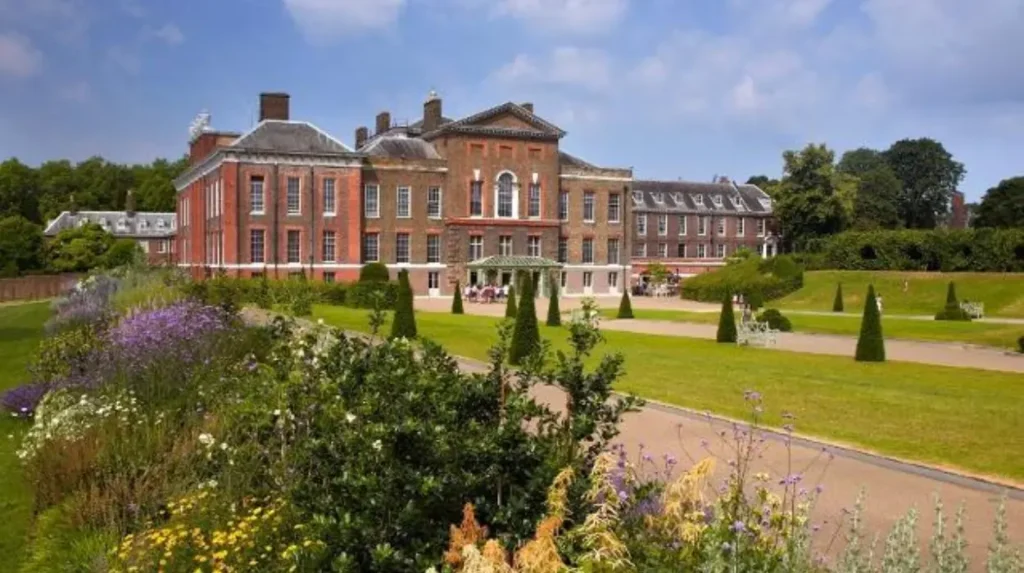
Kensington Palace became a royal residence in the late seventeenth century when William III and Mary II acquired Nottingham House in 1689 and commissioned its transformation into a palace. Sir Christopher Wren contributed to the architectural development of the building.
The palace became closely associated with British monarchs and royal administration. Queen Victoria was born there in 1819 and spent her childhood at the residence before becoming queen in 1837.
Kensington Palace remains a significant historic landmark. Its rooms, collections and exhibitions explain royal life, court traditions and changes in British monarchy. The surrounding Kensington Gardens also preserve part of the area’s royal landscape.
Why Is Hampton Court Palace Important to West London’s Wider History?
Hampton Court Palace stands in Richmond upon Thames, in south-west London, and provides an important example of royal architecture and political history in the wider western London area.
Cardinal Thomas Wolsey developed the palace in the early sixteenth century before it became a royal residence associated with Henry VIII. The palace subsequently underwent major changes under later monarchs.
Its Tudor buildings, formal gardens and historic collections document the relationship between monarchy, religion and government. Although Hampton Court lies outside the core of some definitions of West London, it forms part of the region’s broader royal heritage.
How Did Richmond and Kew Develop Royal Connections?
Richmond’s royal associations strengthened during the Tudor period. Richmond Palace, developed under Henry VII, became an important royal residence before falling out of use as a palace.
Kew’s royal connections developed through royal residences and garden cultivation. The Royal Botanic Gardens, Kew, grew from royal gardens and became a major botanical institution. Today, Kew is recognised for its scientific collections, historic landscapes and international importance in plant research.
These royal connections contributed to the preservation of green spaces and historic buildings that distinguish parts of West London from more densely developed districts.
Which Historic Buildings Reveal West London’s Georgian and Victorian Past?
West London’s Georgian and Victorian buildings reveal the area’s transition from rural estates and villages into fashionable residential districts and industrial suburbs. Chiswick House, Syon House, Victorian railway stations and historic churches demonstrate changes in architecture, wealth, transport and urban planning.
The Georgian period, generally dated from 1714 to 1830, produced elegant houses, formal gardens and planned residential streets. Wealthy families and landowners commissioned buildings that reflected contemporary architectural fashions.
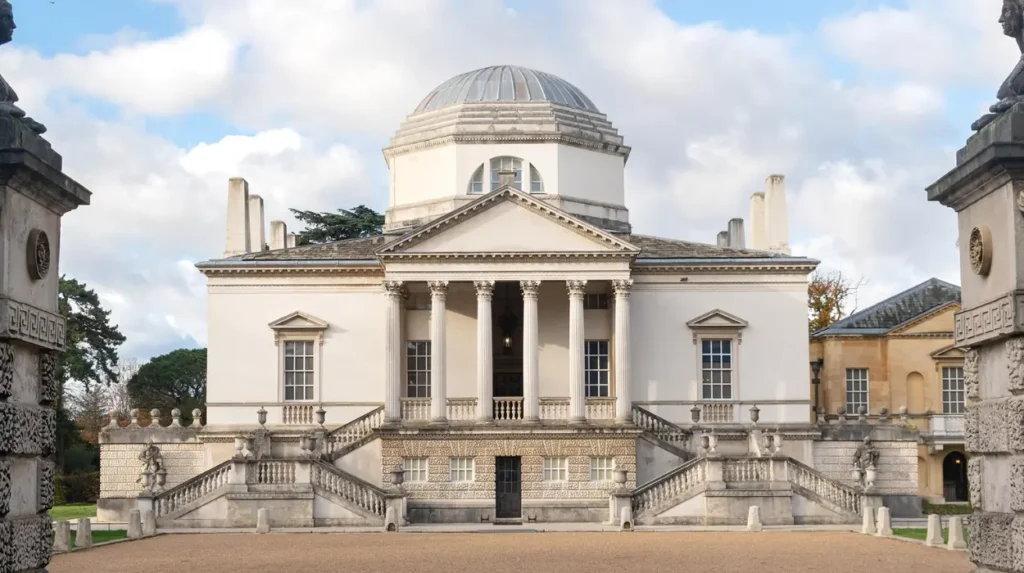
Chiswick House is an important example of eighteenth-century architecture. Built in the 1720s and early 1730s for Richard Boyle, the third Earl of Burlington, it reflects the influence of classical Italian architecture. Its gardens helped influence English landscape design.
Syon House in Brentford is another important historic residence. The house and its grounds developed over several centuries and became closely associated with the Percy family, the Dukes of Northumberland. Its interiors and landscaped park demonstrate the continuing influence of aristocratic ownership on the local environment.
The Victorian period brought rapid change. London’s expanding population created demand for housing, schools, churches, commercial buildings and public infrastructure. Architects used brick, stone, iron and glass to construct buildings suited to growing urban communities.
Railway stations became particularly important features of the Victorian landscape. Their construction linked West London with central London and destinations beyond the capital. Stations also encouraged the development of shops, housing and industrial sites nearby.
Historic churches and cemeteries provide further evidence of social change. They record population growth, religious traditions, local benefactors and the lives of residents who shaped the region.
Preserving these buildings helps maintain a record of West London’s architectural development and supports public understanding of the communities that built the modern city.
How Did Railways Transform West London During the Nineteenth Century?
Railways transformed West London during the nineteenth century by reducing journey times, connecting suburban settlements with central London and encouraging residential and industrial expansion. New stations and railway corridors changed land use, supported commuting and helped convert villages such as Ealing and Hounslow into growing urban communities.
Before railway expansion, travel between West London and the centre of London often depended on walking, horse-drawn vehicles and river transport. These methods limited daily commuting for many workers.
Railway development changed this pattern. The Great Western Railway, established in 1833, created major transport links between London and western England. Paddington became one of its principal London termini, and the first section of the line between Paddington and Maidenhead opened in 1838.
The railway network subsequently expanded through West London. New stations made areas such as Ealing, Acton, Hounslow and Southall more accessible to people working in central London.
Transport access increased the attractiveness of suburban housing. Developers built streets of terraced houses, larger homes and residential estates near railway stations. Local businesses benefited from a larger customer base, while factories gained access to workers and distribution networks.
Railways also affected the geography of employment. Some residents continued working locally, while others travelled to offices, shops and industrial workplaces elsewhere in London. This pattern became a defining feature of metropolitan life.
The development of the London Underground and later suburban rail services further strengthened these connections. In the twentieth century, road transport and bus networks added new commuting options.
Today, historic stations, railway bridges and former industrial sites preserve evidence of this transformation. The Elizabeth line and modern rail services continue the longer history of transport-led development across West London.
What Historical Events Shaped West London During the Industrial Revolution?
The Industrial Revolution reshaped West London through manufacturing, construction, improved transport and population growth. Districts such as Brentford, Acton, Hammersmith and Southall developed industrial and commercial activities, while railway expansion and new housing changed the region’s economic and social structure.
The Industrial Revolution began in Britain during the eighteenth century and accelerated during the nineteenth century. Although the earliest industrial centres were concentrated in several regions across Britain, London and its western districts experienced substantial manufacturing and infrastructure development.
Brentford benefited from its location beside the Thames and the River Brent. Transport links supported commercial activity, while manufacturing and related industries contributed to local employment.
Acton developed as an industrial and residential district. Its location along major transport routes made it suitable for factories, workshops and expanding housing. During the nineteenth and twentieth centuries, industrial employment became an important part of its local economy.
Southall also developed through transport and manufacturing. Railway connections encouraged commercial growth, while factories and other workplaces attracted residents from surrounding districts and beyond.
Industrialisation brought new employment opportunities but also difficult living conditions. Rapid population growth increased pressure on housing, sanitation and public services. Workers in some districts lived close to factories and busy transport corridors.
Local authorities gradually introduced measures to improve sanitation, public health and urban infrastructure. New schools, public buildings and housing developments reflected the changing responsibilities of government in a growing urban region.
West London’s industrial history continued into the twentieth century, when factories produced a wide range of goods. Later changes in manufacturing and employment led to the closure or redevelopment of many industrial sites.
Former factories, railway structures and historic commercial buildings now help explain how industrialisation shaped the region’s communities and landscape.
How Did the Second World War Affect West London?
The Second World War affected West London through air raids, civil defence, industrial production, military activity and disruption to everyday life. Between 1939 and 1945, residents experienced wartime restrictions, evacuation arrangements, damage to buildings and the demands of supporting Britain’s war effort.
Britain entered the Second World War on 3 September 1939. London became a major target during the German air campaign known as the Blitz, which began in September 1940 and continued through May 1941.
West London contained transport infrastructure, factories, residential districts and routes important to the capital’s economy. These features placed parts of the region within the wider wartime environment of industrial production and air-raid danger.
How Did Air Raids Affect West London Communities?
Air raids caused deaths, injuries and property damage across London. Residents used public shelters, household shelters and other protected spaces during bombing alerts. Blackout regulations reduced visible light at night to make navigation and targeting more difficult for enemy aircraft.
The effects varied between neighbourhoods. Some districts experienced substantial damage, while others faced disruption from air-raid warnings, broken transport links and damage to nearby buildings.
Local authorities organised civil defence services, including air-raid wardens, rescue teams and emergency assistance. Volunteers helped residents respond to bombing incidents and supported the wider war effort.
How Did West London’s Industries Support the War Effort?
Factories and workshops across London contributed to wartime production, including engineering, manufacturing, repairs and the supply of essential goods. Transport workers, factory employees and public service staff helped maintain the infrastructure required by a country at war.
Women entered many forms of paid employment as wartime labour demands increased. Their work contributed to industrial output, transport, administration and public services.
Wartime controls also affected daily routines. Rationing restricted access to certain foods and consumer goods, while petrol restrictions and travel disruption changed how people moved around the region.
What Was the Long-Term Impact of the War?
The war accelerated changes in housing, planning and public services. Bomb-damaged properties required repair or rebuilding, and post-war authorities faced significant pressure to provide better housing and infrastructure.
Memorials, church plaques, cemetery records and local archives preserve evidence of wartime experiences. These sources help researchers identify casualties, document damage and understand how individual communities responded to conflict.
The Second World War remains an important part of West London’s history because its effects extended beyond military events to housing, employment, family life and the long-term development of local neighbourhoods.
Which Historic Places Can Visitors Explore in West London Today?
West London preserves historic palaces, country houses, botanical gardens, museums and archaeological sites that explain different periods of British history. Kensington Palace, Chiswick House, Syon House, Gunnersbury Park Museum and the Royal Botanic Gardens, Kew, provide distinct perspectives on royal life, architecture and social change.
Historic places allow visitors to connect historical records with surviving buildings, collections and landscapes. Opening arrangements vary by venue, so visitors should check official information before travelling.
Why Is the Royal Botanic Gardens, Kew, Historically Significant?
The Royal Botanic Gardens, Kew, is an internationally recognised botanical institution in south-west London. Its history developed from royal gardens during the eighteenth century, and its scientific role expanded over subsequent centuries.
Kew contains historic glasshouses, landscaped gardens, botanical collections and research facilities. The Palm House, completed in the nineteenth century, demonstrates Victorian engineering and the growing scientific interest in plants from different climates.
The site’s cultural and scientific importance is recognised through its UNESCO World Heritage status, awarded in 2003. Kew provides evidence of the relationship between royal patronage, botanical research, landscape design and international plant collecting.
What Can Visitors Learn at Gunnersbury Park Museum?
Gunnersbury Park Museum explores the history of west London communities through objects, photographs and exhibitions. The park and its historic buildings are associated with wealthy families, changing land ownership and the development of local society.
Museum collections help explain domestic life, industry, migration and urban growth. They also demonstrate how historic houses and estates changed their uses as the surrounding region became more densely populated.
Gunnersbury’s history is particularly useful for understanding the relationship between large estates and the expansion of suburban London.
How Does Chiswick House Explain Eighteenth-Century Design?
Chiswick House illustrates the influence of classical architecture and formal landscape design in eighteenth-century England. Its architecture reflects the interests of Lord Burlington, who promoted architectural ideas inspired by classical antiquity and Italian buildings.
The surrounding gardens demonstrate the development of landscape design and the relationship between architecture, sculpture, planting and outdoor space.
Chiswick House therefore provides insight into the cultural interests of wealthy landowners and the architectural traditions that influenced later buildings.
What Makes Syon House an Important Historic Landmark?
Syon House preserves a long record of aristocratic residence and architectural change. Its interiors, collections and grounds reflect the history of the Percy family and the estate’s development over several centuries.
The surrounding park demonstrates how large private estates shaped the landscape of West London. Its survival also provides evidence of historic landownership within a region that later experienced major urban expansion.
Together, these sites show that West London’s heritage includes both royal landmarks and places connected with ordinary community life.
How Did Migration Shape West London’s History and Culture?
Migration shaped West London by changing its population, workforce, businesses, religious institutions and cultural life. Industrial employment, transport connections, post-war labour demand and later international migration contributed to the development of diverse communities in districts such as Southall, Hounslow, Ealing and Hammersmith.
West London’s population changed significantly during the nineteenth and twentieth centuries. Industrial growth and suburban development attracted people from rural Britain and other parts of London. Improved transport also made the region accessible to workers seeking employment.
After the Second World War, Britain experienced labour shortages in several industries and public services. Migrants from the Caribbean, South Asia, Ireland and other regions contributed to the workforce and helped rebuild the country.
Southall became particularly associated with British South Asian communities, including people with roots in India and Pakistan. Local businesses, places of worship, community organisations and cultural events contributed to the area’s distinctive identity.
Hounslow and Ealing also developed diverse populations through migration and suburban expansion. International communities established shops, restaurants, religious institutions and professional networks that became part of everyday local life.
Migration history is visible in local architecture, food businesses, religious buildings, community archives and oral-history collections. These sources document changes in identity, employment, family life and civic participation.
West London’s cultural history is not limited to migration after 1945. Earlier movement between rural and urban areas, changing employment patterns and the growth of London’s transport network also influenced the region’s population.
Studying these developments provides a fuller account of how West London became a collection of interconnected communities with different historical experiences.
Explore More Area Guide
Famous Residents of West London: Celebrities and Icons
Notable People from West London: Famous Stars and Historic Figures
How Can People Research the History of West London?
People can research West London’s history through local archives, archaeological records, museum collections, historic maps, census data and official heritage registers. Combining these sources helps establish dates, identify buildings, trace population changes and distinguish documented events from unsupported local claims.
Historical research is most reliable when several sources support the same conclusion. A building’s official heritage listing, for example, can establish its architectural significance, while archival documents can explain its ownership and changing uses.
Which Archives and Institutions Provide Historical Records?
The London Archives holds records relevant to London’s government, communities and development. The National Archives provides government documents, military records and other historical material relating to Britain.
Local studies collections at borough libraries also preserve maps, photographs, newspapers and documents. These resources help researchers investigate specific streets, buildings and neighbourhoods.
Museums provide another route into local history. Their catalogues and exhibitions often identify the people, organisations and events connected with individual objects or historic sites.
How Can Historic Maps Explain West London’s Development?
Historic maps show how villages, roads, railways, rivers and estates changed over time. Comparing maps from different periods helps researchers identify when farmland became residential streets or when transport infrastructure altered a neighbourhood.
Ordnance Survey maps are especially useful for studying physical changes in the built environment. Older maps can reveal former railway sidings, industrial sites, waterways and buildings that no longer exist.
Maps should be interpreted alongside written records because a map does not always explain why a change occurred or who was responsible for it.
Why Are Historic England Records Important?
Historic England maintains the National Heritage List for England, which includes designated heritage assets such as listed buildings, scheduled monuments and registered parks and gardens.
These records help researchers establish whether a site has formal heritage protection and understand the features considered historically significant.
A heritage listing does not provide a complete history of every building or event. Researchers should combine it with local records, historical publications and archaeological evidence when preparing a detailed account.
Why Does West London’s History Matter Today?
West London’s history matters because it explains the development of local identities, transport networks, housing, public spaces and cultural institutions. Historic buildings and archaeological records preserve evidence of earlier communities, while heritage conservation helps maintain the physical links between the region’s past and present.
Historical knowledge supports decisions about urban planning and conservation. Redevelopment projects often affect buildings, landscapes and archaeological remains that document earlier periods of settlement.
Understanding these features helps communities identify which places possess architectural, social or archaeological significance. Conservation policies can then balance development needs with the protection of historically important sites.
West London’s history also contributes to education and tourism. Historic houses, museums, gardens and riverside landmarks attract visitors and provide opportunities to learn about architecture, science, monarchy, migration and industrial change.
Local history has an important community role as well. Oral histories, family photographs and neighbourhood archives preserve experiences that formal government records do not always capture.
The region’s historical landscape continues to evolve. Former industrial buildings become residential or cultural spaces, railway stations are modernised, and historic gardens require ongoing conservation. These changes demonstrate that heritage is not separate from contemporary urban life.
By examining Roman evidence, royal estates, Victorian infrastructure, wartime records and migration histories, residents and visitors can understand how West London developed into its present form.
Historical events in West London span Roman Britain, medieval settlement, royal development, industrialisation, railway expansion, the Second World War and post-war migration. Each period changed the region’s landscape, population and economy.
Kensington Palace, Chiswick House, Syon House, the Royal Botanic Gardens, Kew, and local museums preserve important evidence of these changes. The River Thames, historic transport routes and surviving industrial buildings provide further insight into the area’s development.
Reliable archives, heritage records and museum collections enable readers to explore these events through documented evidence. Together, these resources establish West London as a region whose history remains visible in its buildings, landscapes and diverse communities.
What are the most important historical events in West London?
Important historical events in West London include Roman settlement, the development of royal residences, the Industrial Revolution, the expansion of railways during the nineteenth century, the Second World War and post-war migration.